How to Choose the Right Braids for You
A braids suits almost anyone, but the variation makes the difference. Here is how I pick the right one in the chair.
By face shape
- Round face: Vertical movement matters — keep the top a little taller or layered to elongate the face.
- Oval face: Almost any variation works on you. Pick by hair type and the time you can spend styling.
- Square face: Soften the jaw with face-framing layers or a wispy fringe; avoid hard one-length edges.
- Heart face: Add width at the chin — chin-length lobs and side-swept fringes balance a wider forehead.
- Long face: Keep the silhouette wider than it is tall — fuller sides, less height, ear-to-chin layering.
By hair type
- Fine or thin hair: Texture is your friend. Ask for point-cut layering and air-dry with a volumizing mousse.
- Thick or coarse: Get internal layering to remove weight, otherwise the braids reads heavy by day three.
- Curly or coily (3A–4C): Cut dry on a defined curl — wet hair stretches and you will lose 20% of the silhouette when it dries.
- Straight or wavy: Most variations work cleanly. Pick by face shape and lifestyle, not behavior.
- Fine + oily scalp: Wash with a clarifying shampoo every third wash; use cool-water rinses to keep the cuticle flat.
By lifestyle
- Low maintenance: Pick the longest version of the braids you can — it forgives 6–8 weeks between visits.
- Office / corporate: Smooth blow-dry, light styling product, neutralized volume.
- Gym + everyday: Air-dry friendly variations; use a leave-in and a satin pillowcase to protect the shape.
- Event / photo day: Pin out the braids into a half-up or fastened look — keeps it photogenic for hours.
French Waterfall
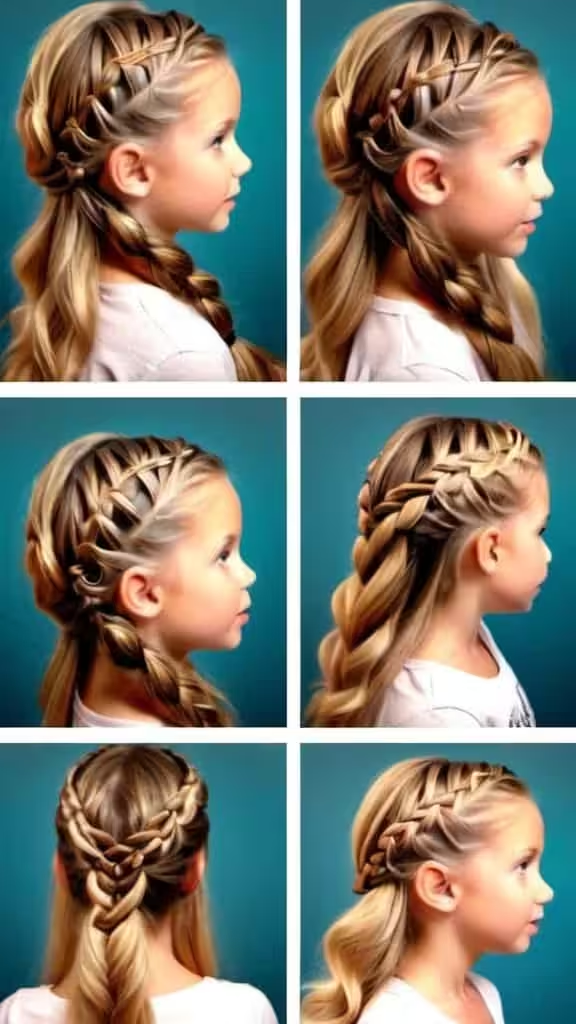
About this look — The French Waterfall chosen for what a kid can actually wear all day — no styling required, grows out cleanly.
- Best face shape
- Any — every kid's face still growing; go for what suits the routine.
- What to tell your barber
- Ask for age-appropriate length, low upkeep, and a shape that survives playgrounds and pool days.
- Maintenance
- Every 6–8 weeks; sooner if there's a fringe.
- Style at home
- Wash with a tear-free shampoo.
- Detangle with a wide-tooth comb.
- Optional: a spritz of leave-in for detangling.
French Braids
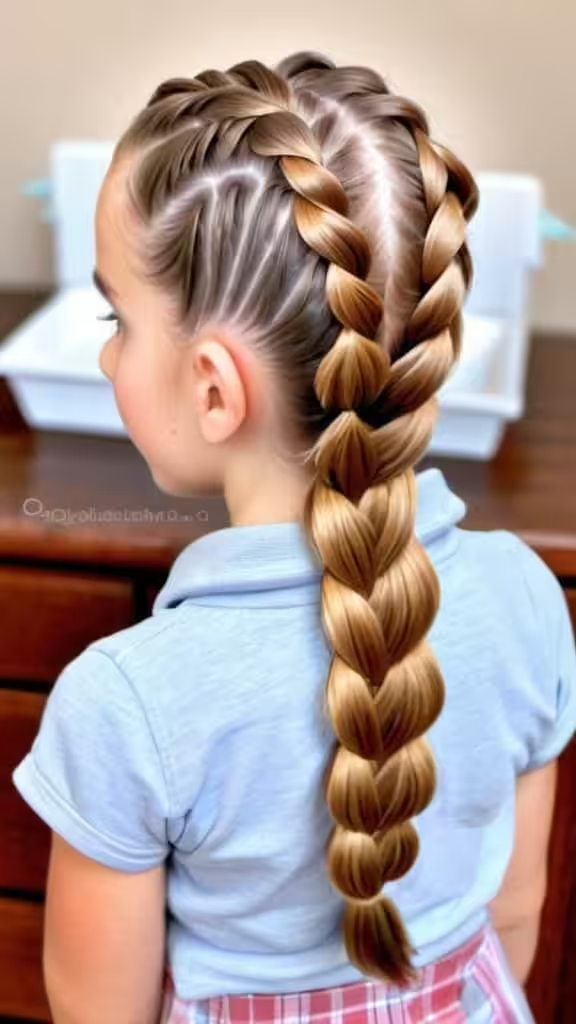
About this look — The French Braids weaves the length into plaits — the tension of each pass determines how long the braid holds.
- Best face shape
- Any — braids are a style choice, not a face-shape decision.
- What to tell your barber
- Book a braid specialist and specify the pattern (box, knotless, feed-in, or cornrow) and end method (sealed with hot water or hair-tucked).
- Maintenance
- Every 4–8 weeks between installs. Nightly satin scarf preserves the pattern.
- Style at home
- Detangle wet hair with a wide-tooth comb.
- Section using a rat-tail comb, keeping the parts clean.
- Braid to the ends and secure.
Braided Low Ponytail
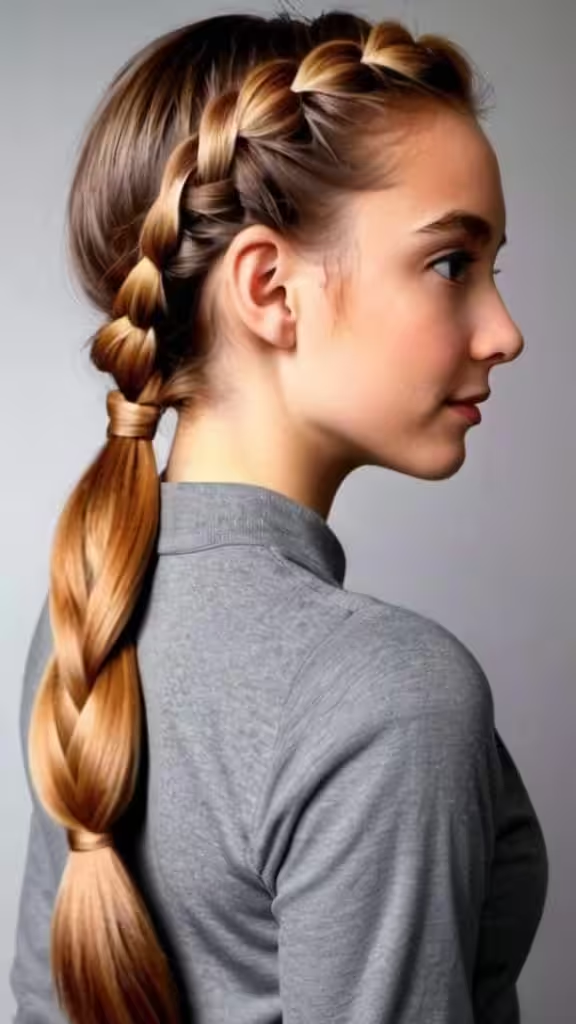
About this look — The Braided Low Ponytail pulls the length up and anchors it with pins — the placement of the pins is what makes it hold.
- Best face shape
- Any face; the finish is defined by loose pieces around the face rather than the bulk of the style.
- What to tell your barber
- Not a cut; a 30-minute styling session teaches you the anchor points you'll use every time.
- Maintenance
- The cut underneath still needs a refresh every 8–10 weeks — updos hide bad ends only so long.
- Style at home
- Prep with a texture spray on dry hair.
- Section, twist, and pin into your chosen shape.
- Finish with a flexible-hold spray.
Looped Braids
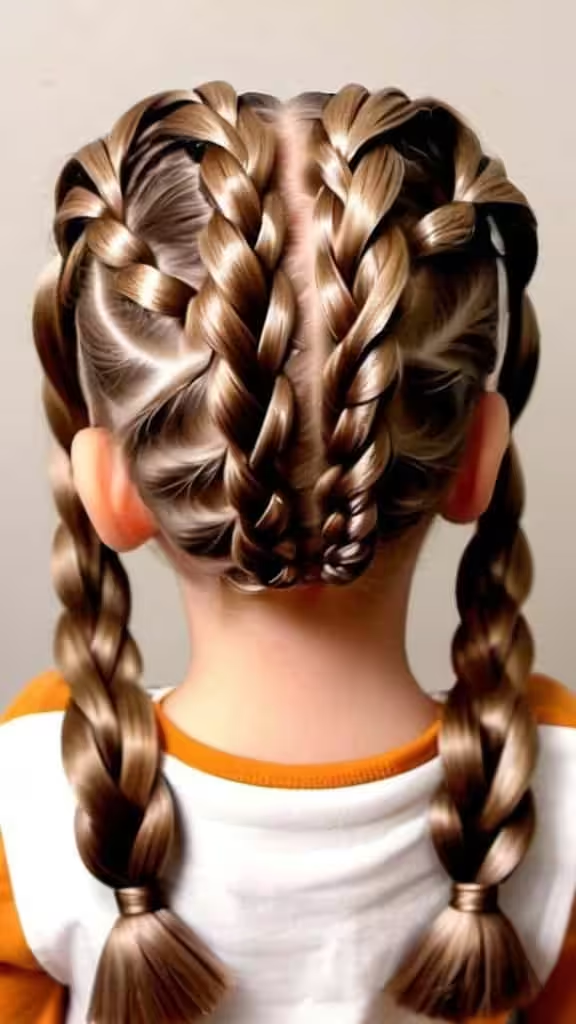
About this look — The Looped Braids divides the hair into rows or sections and interlaces them into the chosen braid pattern.
- Best face shape
- Any face; braids sit against the scalp regardless of shape.
- What to tell your barber
- Braids are specialist work — ask for the pattern by name (box, knotless, feed-in) and the end finish (sealed or tucked).
- Maintenance
- Refresh every 4–8 weeks depending on braid type; nightly satin scarf.
- Style at home
- Moisturize the scalp with a lightweight oil.
- Section carefully with a rat-tail comb.
- Braid with even tension and secure the ends.
Classic Braids
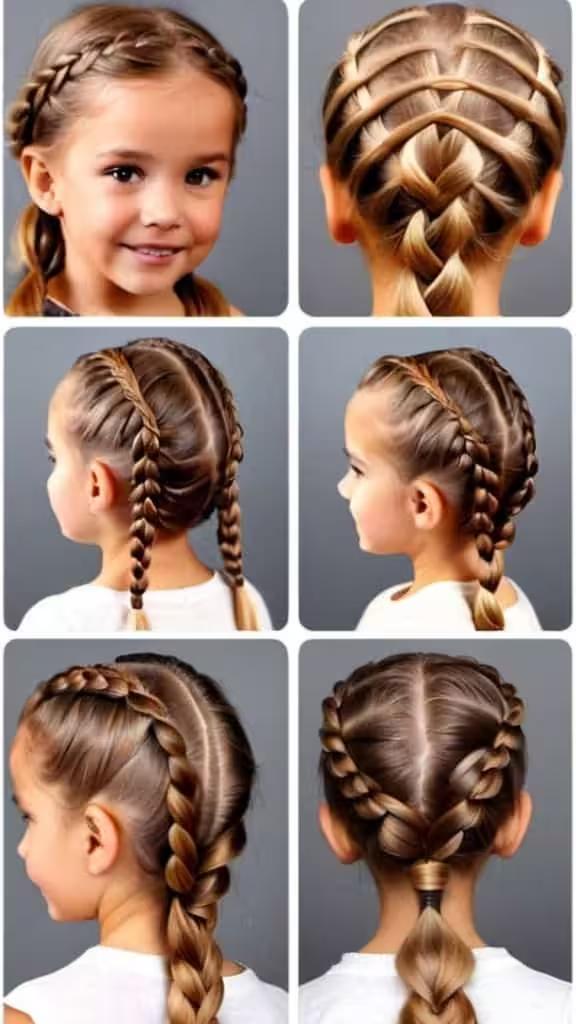
About this look — The Classic Braids sections the hair into plaits — the pattern depends on the braid style (three-strand, French, Dutch, cornrow).
- Best face shape
- Universally flattering — braids follow the head, not the face.
- What to tell your barber
- For protective work, ask for the specific braid technique and how you want the ends finished — rubber-banded, sealed, or tucked.
- Maintenance
- Every 4–8 weeks between installs. Nightly satin scarf preserves the pattern.
- Style at home
- Detangle wet hair with a wide-tooth comb.
- Section using a rat-tail comb, keeping the parts clean.
- Braid to the ends and secure.
Sleek Braid
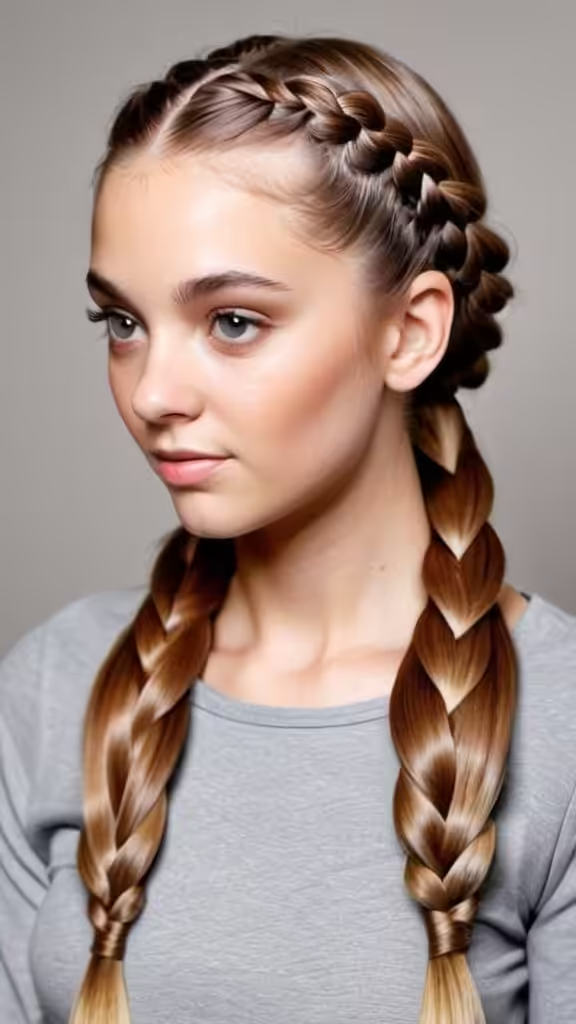
About this look — The Sleek Braid sections the hair into plaits — the pattern depends on the braid style (three-strand, French, Dutch, cornrow).
- Best face shape
- Any — braids are a style choice, not a face-shape decision.
- What to tell your barber
- Book a braid specialist and specify the pattern (box, knotless, feed-in, or cornrow) and end method (sealed with hot water or hair-tucked).
- Maintenance
- Refresh every 4–8 weeks depending on braid type; nightly satin scarf.
- Style at home
- Apply a leave-in conditioner to damp hair.
- Section evenly and braid.
- Seal ends with a small hair tie or clip.
Braided Crown
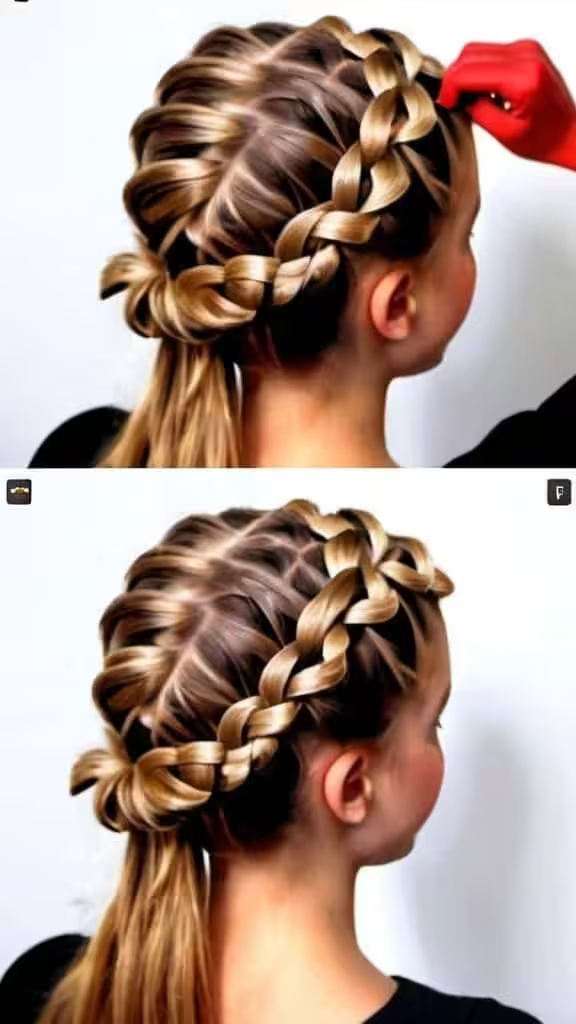
About this look — The Braided Crown divides the hair into rows or sections and interlaces them into the chosen braid pattern.
- Best face shape
- Universally flattering — braids follow the head, not the face.
- What to tell your barber
- For protective styles, book a braid specialist; ask for the specific pattern and end technique (rubber-band or tuck).
- Maintenance
- Refresh every 4–8 weeks depending on braid type; nightly satin scarf.
- Style at home
- Apply a leave-in conditioner to damp hair.
- Section evenly and braid.
- Seal ends with a small hair tie or clip.
Shaved Braid
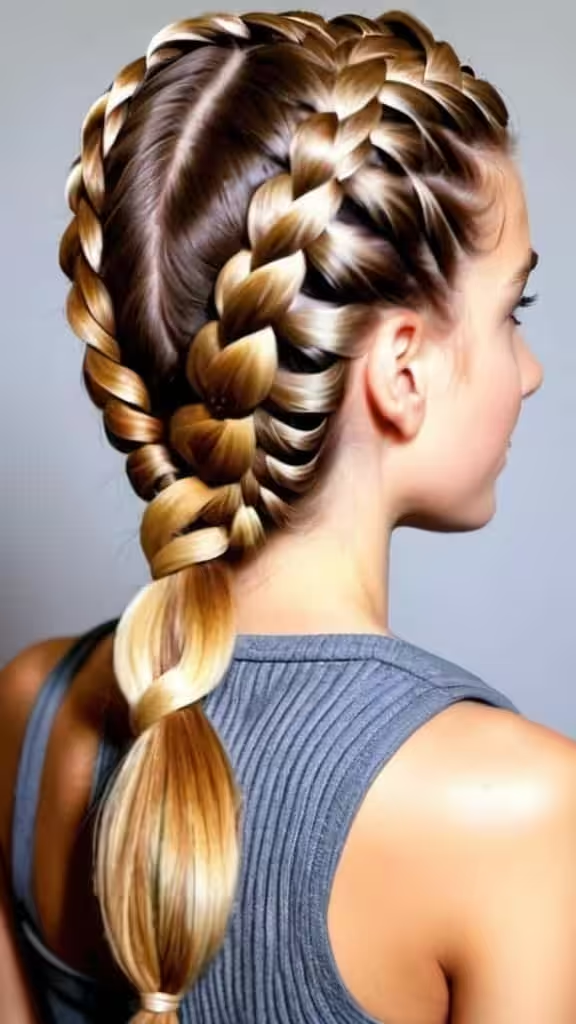
About this look — The Shaved Braid plaits the hair according to the chosen pattern (three-strand, French, Dutch, cornrow) with consistent tension.
- Best face shape
- Universally flattering — braids follow the head, not the face.
- What to tell your barber
- Braids are specialist work — ask for the pattern by name (box, knotless, feed-in) and the end finish (sealed or tucked).
- Maintenance
- Every 4–8 weeks between installs. Nightly satin scarf preserves the pattern.
- Style at home
- Apply a leave-in conditioner to damp hair.
- Section evenly and braid.
- Seal ends with a small hair tie or clip.
Extra Wide Fishtail Braid
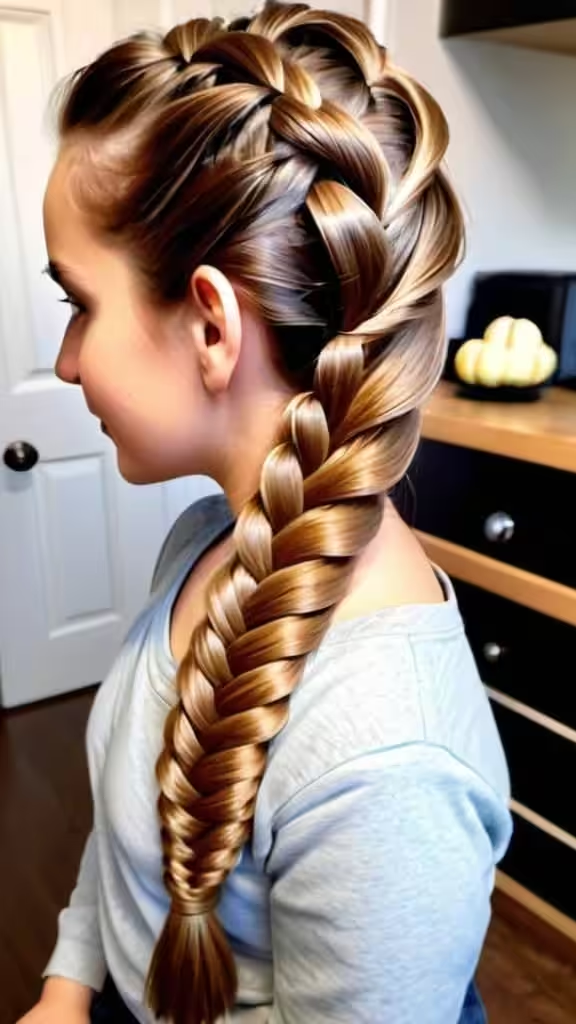
About this look — The Extra Wide Fishtail Braid sections the hair into plaits — the pattern depends on the braid style (three-strand, French, Dutch, cornrow).
- Best face shape
- Universally flattering — braids follow the head, not the face.
- What to tell your barber
- Book a braid specialist and specify the pattern (box, knotless, feed-in, or cornrow) and end method (sealed with hot water or hair-tucked).
- Maintenance
- Every 4–8 weeks between installs. Nightly satin scarf preserves the pattern.
- Style at home
- Apply a leave-in conditioner to damp hair.
- Section evenly and braid.
- Seal ends with a small hair tie or clip.
Floral French Braid
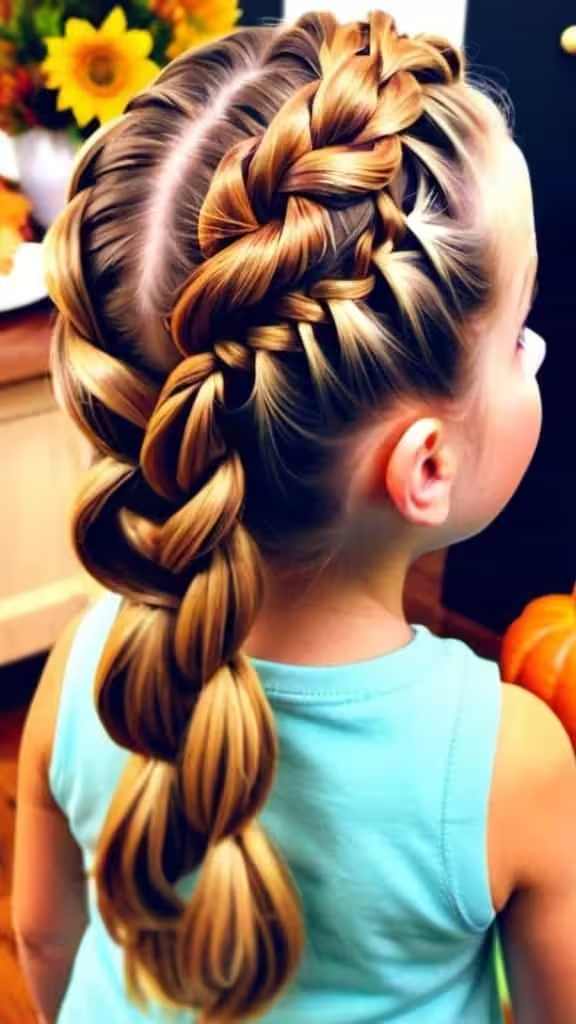
About this look — The Floral French Braid plaits the hair according to the chosen pattern (three-strand, French, Dutch, cornrow) with consistent tension.
- Best face shape
- Any face; braids sit against the scalp regardless of shape.
- What to tell your barber
- Book a braid specialist and specify the pattern (box, knotless, feed-in, or cornrow) and end method (sealed with hot water or hair-tucked).
- Maintenance
- Refresh every 4–8 weeks depending on braid type; nightly satin scarf.
- Style at home
- Apply a leave-in conditioner to damp hair.
- Section evenly and braid.
- Seal ends with a small hair tie or clip.
Braided Chignon
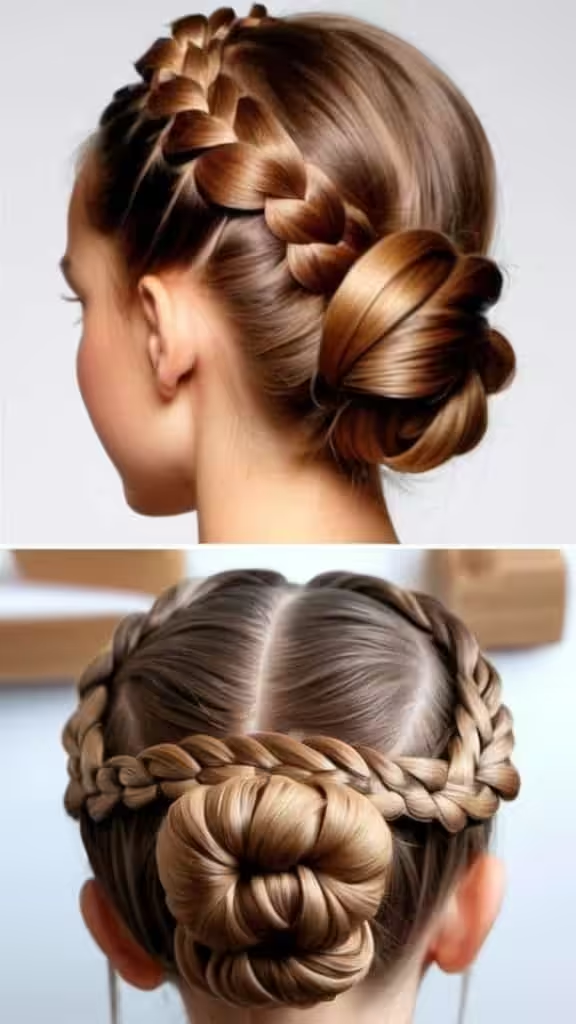
About this look — The Braided Chignon collects the hair off the neck and secures with pins or a hair tie, keeping the perimeter clean.
- Best face shape
- Any face; the finish is defined by loose pieces around the face rather than the bulk of the style.
- What to tell your barber
- Not a cut — but ask your stylist to teach you the pin-and-tuck method for the specific updo shape you want.
- Maintenance
- Style-only. The underlying cut still needs a trim every 8–10 weeks.
- Style at home
- Skip washing for 24 hours before styling.
- Twist the length back into a low bun.
- Anchor with 3–4 bobby pins and mist with flexible hairspray.
Halo Braid
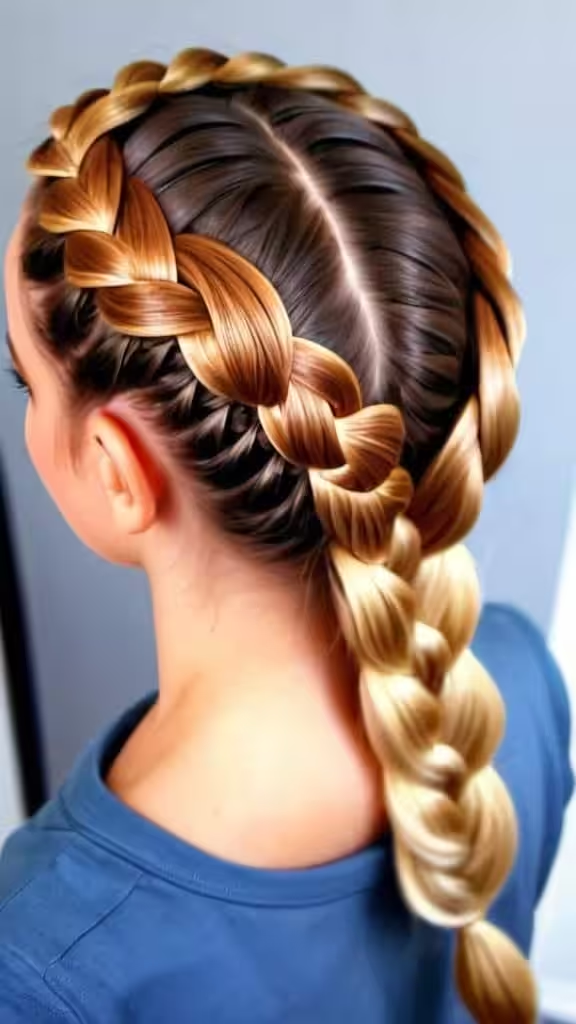
About this look — The Halo Braid weaves the length into plaits — the tension of each pass determines how long the braid holds.
- Best face shape
- Any — braids are a style choice, not a face-shape decision.
- What to tell your barber
- Braids are specialist work — ask for the pattern by name (box, knotless, feed-in) and the end finish (sealed or tucked).
- Maintenance
- 4–8 week install cycle; a satin bonnet or pillowcase overnight extends the life.
- Style at home
- Moisturize the scalp with a lightweight oil.
- Section carefully with a rat-tail comb.
- Braid with even tension and secure the ends.
Mermaid Braid
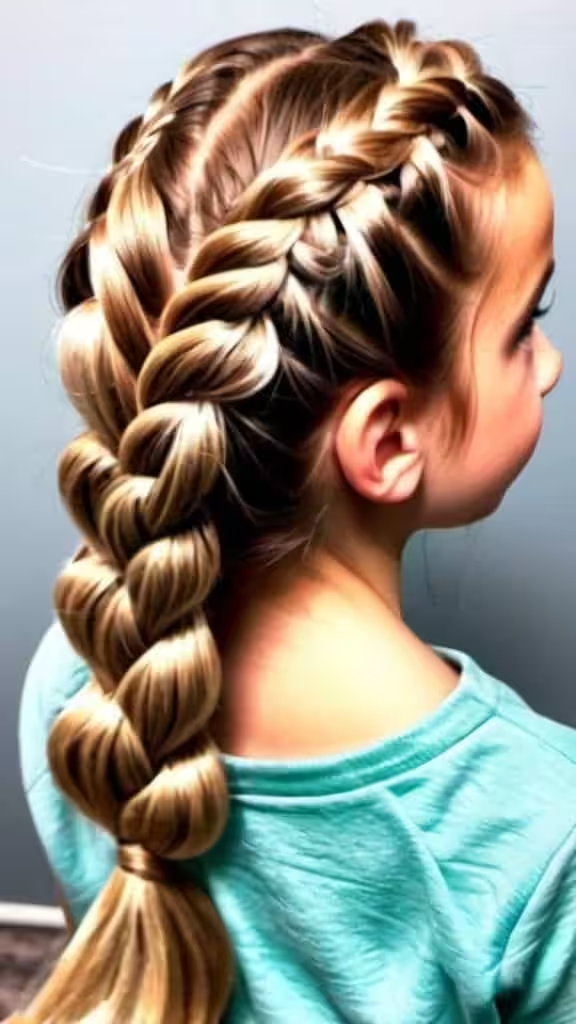
About this look — The Mermaid Braid sections the hair into plaits — the pattern depends on the braid style (three-strand, French, Dutch, cornrow).
- Best face shape
- Universally flattering — braids follow the head, not the face.
- What to tell your barber
- For protective styles, book a braid specialist; ask for the specific pattern and end technique (rubber-band or tuck).
- Maintenance
- Every 4–8 weeks between installs. Nightly satin scarf preserves the pattern.
- Style at home
- Moisturize the scalp with a lightweight oil.
- Section carefully with a rat-tail comb.
- Braid with even tension and secure the ends.
Braid with Hair Vine
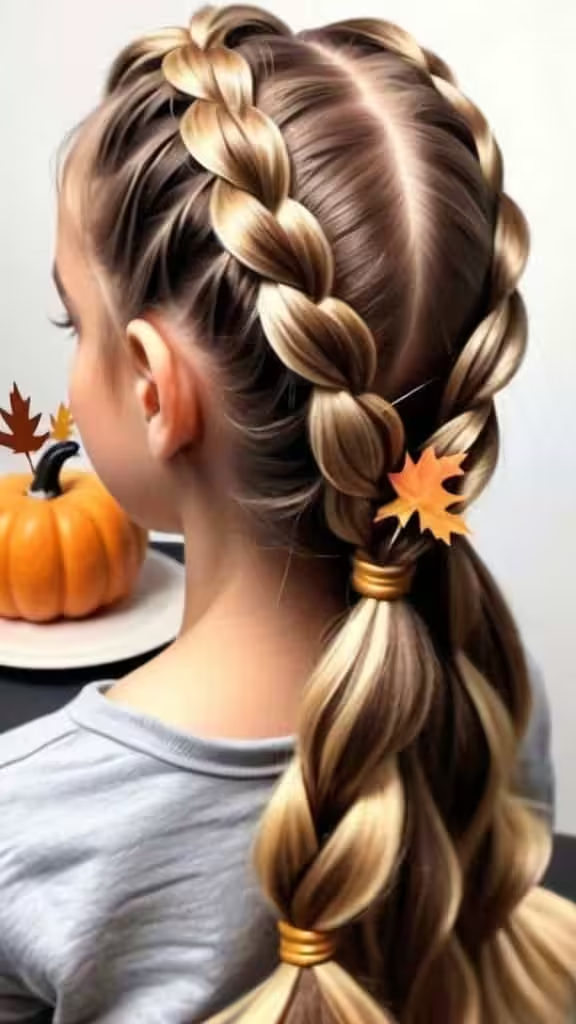
About this look — The Braid with Hair Vine sections the hair into plaits — the pattern depends on the braid style (three-strand, French, Dutch, cornrow).
- Best face shape
- Any — braids are a style choice, not a face-shape decision.
- What to tell your barber
- For protective work, ask for the specific braid technique and how you want the ends finished — rubber-banded, sealed, or tucked.
- Maintenance
- Refresh every 4–8 weeks depending on braid type; nightly satin scarf.
- Style at home
- Apply a leave-in conditioner to damp hair.
- Section evenly and braid.
- Seal ends with a small hair tie or clip.
Down-the-Back Braid
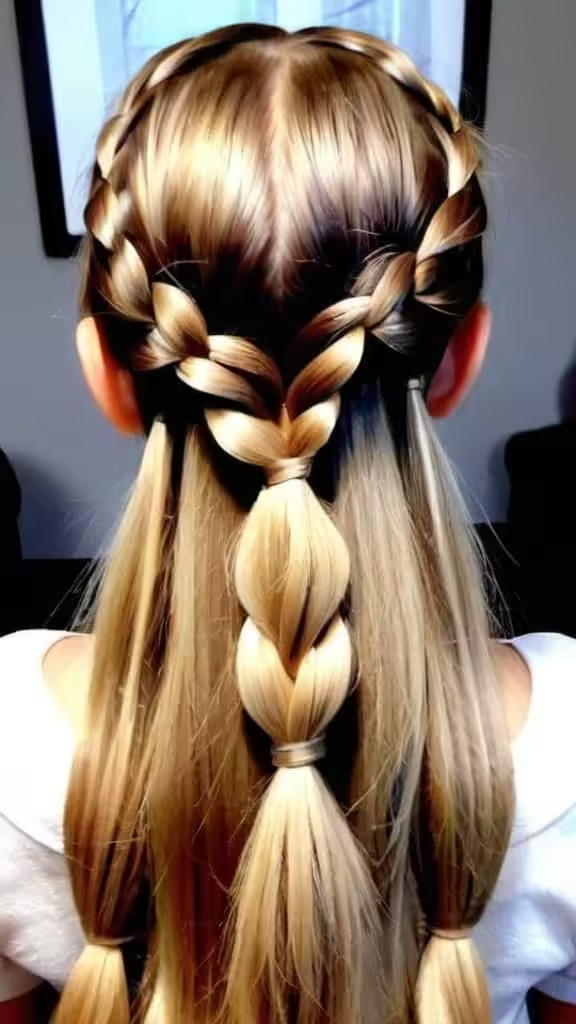
About this look — The Down-the-Back Braid divides the hair into rows or sections and interlaces them into the chosen braid pattern.
- Best face shape
- Universally flattering — braids follow the head, not the face.
- What to tell your barber
- Braids are specialist work — ask for the pattern by name (box, knotless, feed-in) and the end finish (sealed or tucked).
- Maintenance
- Refresh every 4–8 weeks depending on braid type; nightly satin scarf.
- Style at home
- Moisturize the scalp with a lightweight oil.
- Section carefully with a rat-tail comb.
- Braid with even tension and secure the ends.
Diagonal Bow Braid
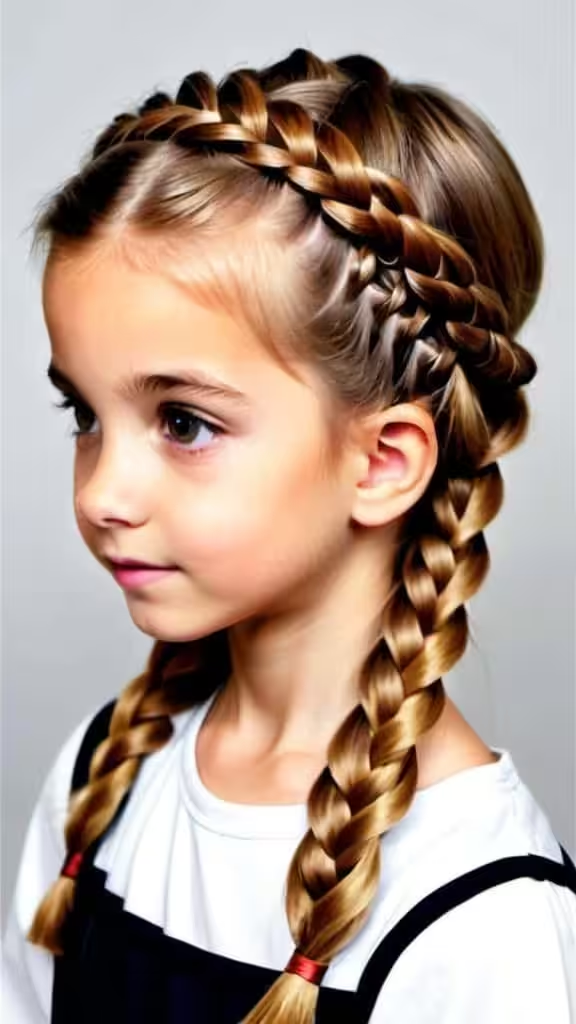
About this look — The Diagonal Bow Braid divides the hair into rows or sections and interlaces them into the chosen braid pattern.
- Best face shape
- Any face; braids sit against the scalp regardless of shape.
- What to tell your barber
- Book a braid specialist and specify the pattern (box, knotless, feed-in, or cornrow) and end method (sealed with hot water or hair-tucked).
- Maintenance
- 4–8 week install cycle; a satin bonnet or pillowcase overnight extends the life.
- Style at home
- Detangle wet hair with a wide-tooth comb.
- Section using a rat-tail comb, keeping the parts clean.
- Braid to the ends and secure.
Side-Swept Braid
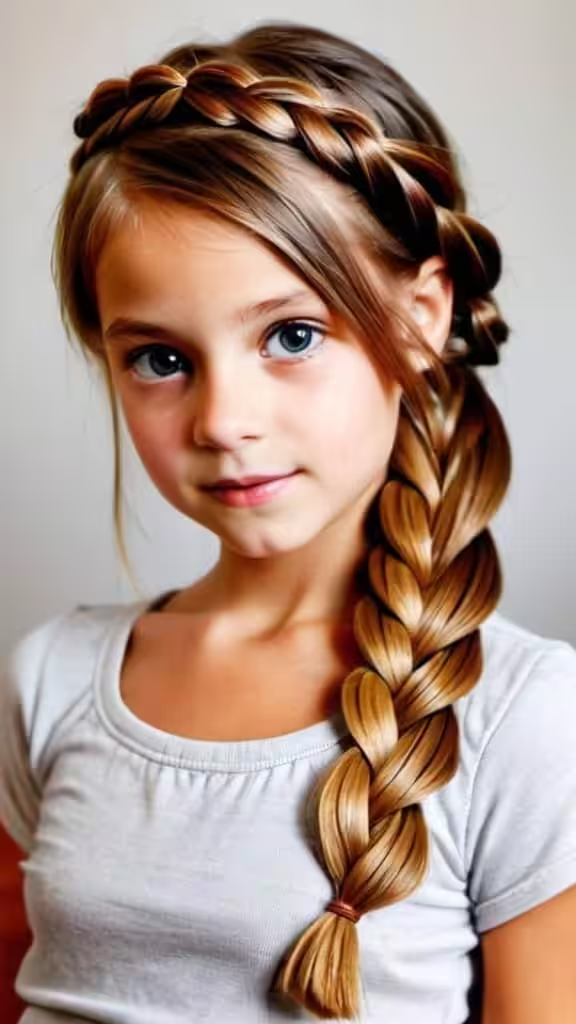
About this look — The Side-Swept Braid plaits the hair according to the chosen pattern (three-strand, French, Dutch, cornrow) with consistent tension.
- Best face shape
- Any — braids are a style choice, not a face-shape decision.
- What to tell your barber
- For protective styles, book a braid specialist; ask for the specific pattern and end technique (rubber-band or tuck).
- Maintenance
- Refresh every 4–8 weeks depending on braid type; nightly satin scarf.
- Style at home
- Detangle wet hair with a wide-tooth comb.
- Section using a rat-tail comb, keeping the parts clean.
- Braid to the ends and secure.
Messy Bun with Braid
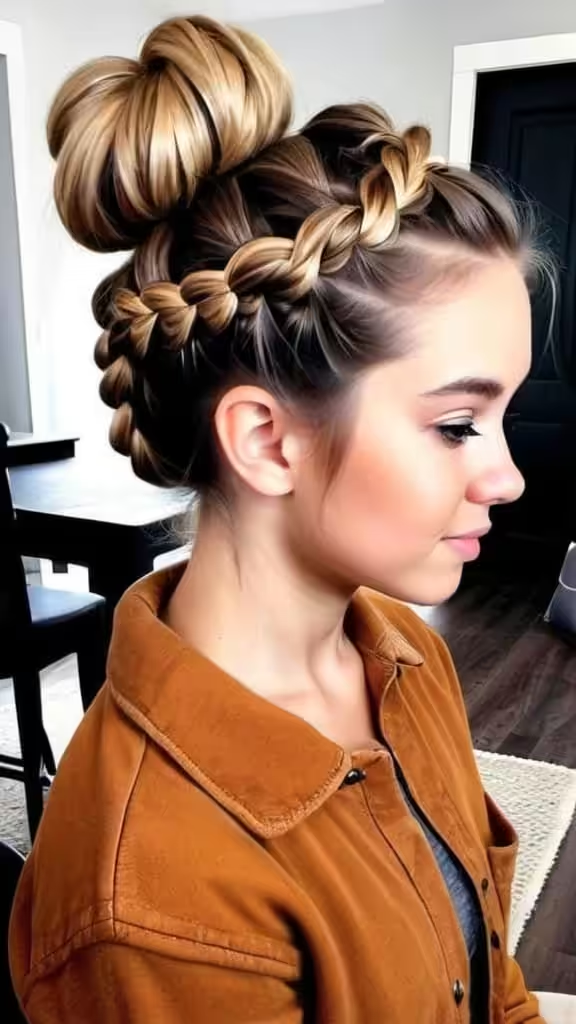
About this look — The Messy Bun with Braid pulls the length up and anchors it with pins — the placement of the pins is what makes it hold.
- Best face shape
- Any — updos frame the face rather than fight it.
- What to tell your barber
- Not a cut — but ask your stylist to teach you the pin-and-tuck method for the specific updo shape you want.
- Maintenance
- N/A. This is a style, not a cut — refresh cut every 8–10 weeks.
- Style at home
- Skip washing for 24 hours before styling.
- Twist the length back into a low bun.
- Anchor with 3–4 bobby pins and mist with flexible hairspray.
Braided Faux Hawk
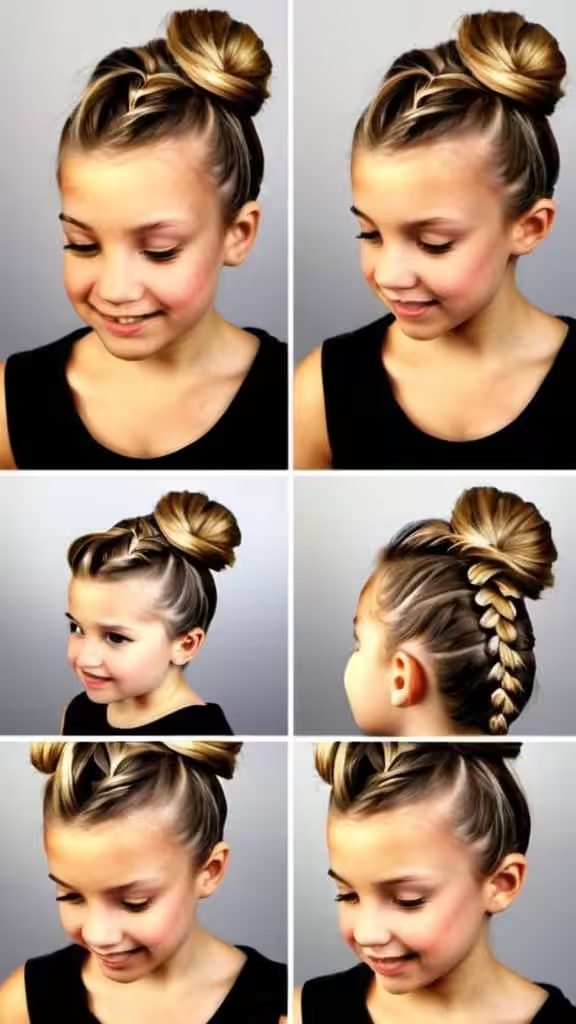
About this look — The Braided Faux Hawk sections the hair into plaits — the pattern depends on the braid style (three-strand, French, Dutch, cornrow).
- Best face shape
- Universally flattering — braids follow the head, not the face.
- What to tell your barber
- Book a braid specialist and specify the pattern (box, knotless, feed-in, or cornrow) and end method (sealed with hot water or hair-tucked).
- Maintenance
- Refresh every 4–8 weeks depending on braid type; nightly satin scarf.
- Style at home
- Detangle wet hair with a wide-tooth comb.
- Section using a rat-tail comb, keeping the parts clean.
- Braid to the ends and secure.
Half-Up Microbraids
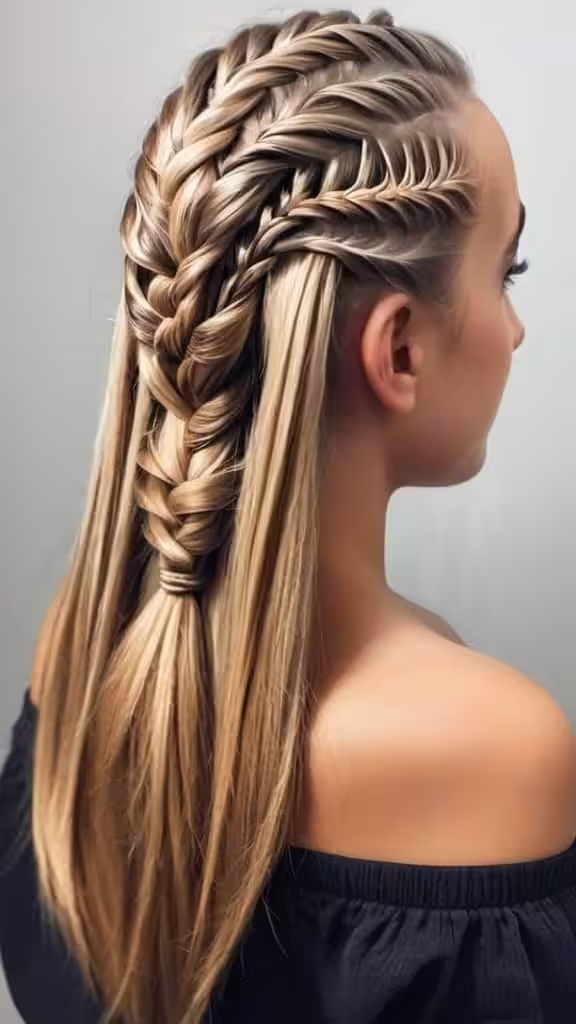
About this look — The Half-Up Microbraids divides the hair into rows or sections and interlaces them into the chosen braid pattern.
- Best face shape
- Any face; braids sit against the scalp regardless of shape.
- What to tell your barber
- For protective styles, book a braid specialist; ask for the specific pattern and end technique (rubber-band or tuck).
- Maintenance
- Refresh every 4–8 weeks depending on braid type; nightly satin scarf.
- Style at home
- Apply a leave-in conditioner to damp hair.
- Section evenly and braid.
- Seal ends with a small hair tie or clip.
Pull-Through Braided Ponytail
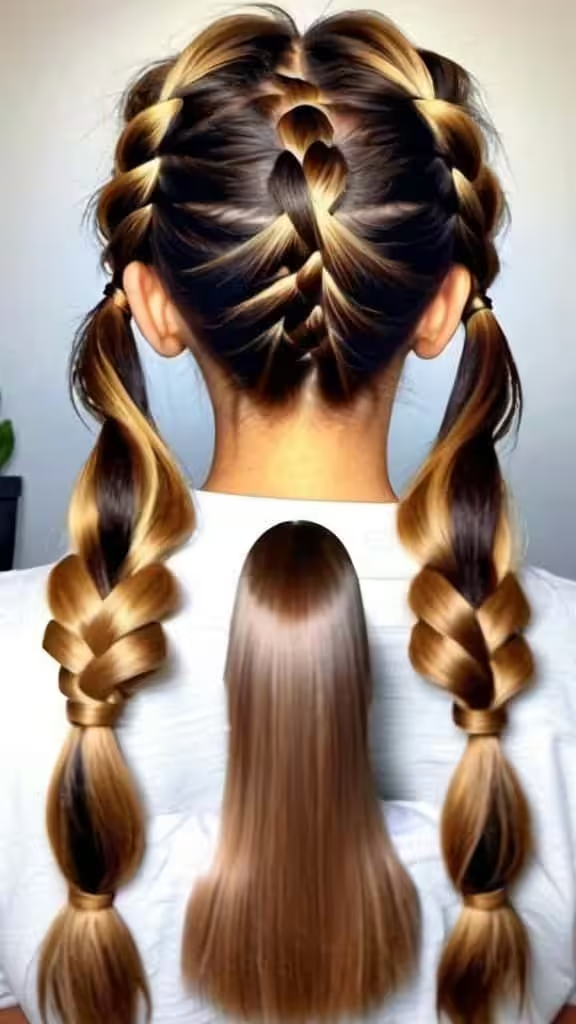
About this look — The Pull-Through Braided Ponytail gathers all the length up and secures it — done well, it holds through a workday or event without touch-ups.
- Best face shape
- Any — updos frame the face rather than fight it.
- What to tell your barber
- Not a cut — but ask your stylist to teach you the pin-and-tuck method for the specific updo shape you want.
- Maintenance
- The cut underneath still needs a refresh every 8–10 weeks — updos hide bad ends only so long.
- Style at home
- Start on second-day hair for grip.
- Tie into a low pony or twist.
- Pin the ends into the shape you want with 3–4 bobby pins.