How to Choose the Right Baby Hairstyle for You
A baby hairstyle suits almost anyone, but the variation makes the difference. Here is how I pick the right one in the chair.
By face shape
- Round face: Vertical movement matters — keep the top a little taller or layered to elongate the face.
- Oval face: Almost any variation works on you. Pick by hair type and the time you can spend styling.
- Square face: Soften the jaw with face-framing layers or a wispy fringe; avoid hard one-length edges.
- Heart face: Add width at the chin — chin-length lobs and side-swept fringes balance a wider forehead.
- Long face: Keep the silhouette wider than it is tall — fuller sides, less height, ear-to-chin layering.
By hair type
- Fine or thin hair: Texture is your friend. Ask for point-cut layering and air-dry with a volumizing mousse.
- Thick or coarse: Get internal layering to remove weight, otherwise the baby hairstyle reads heavy by day three.
- Curly or coily (3A–4C): Cut dry on a defined curl — wet hair stretches and you will lose 20% of the silhouette when it dries.
- Straight or wavy: Most variations work cleanly. Pick by face shape and lifestyle, not behavior.
- Fine + oily scalp: Wash with a clarifying shampoo every third wash; use cool-water rinses to keep the cuticle flat.
By lifestyle
- Low maintenance: Pick the longest version of the baby hairstyle you can — it forgives 6–8 weeks between visits.
- Office / corporate: Smooth blow-dry, light styling product, neutralized volume.
- Gym + everyday: Air-dry friendly variations; use a leave-in and a satin pillowcase to protect the shape.
- Event / photo day: Pin out the baby hairstyle into a half-up or fastened look — keeps it photogenic for hours.
Pixie Haircut
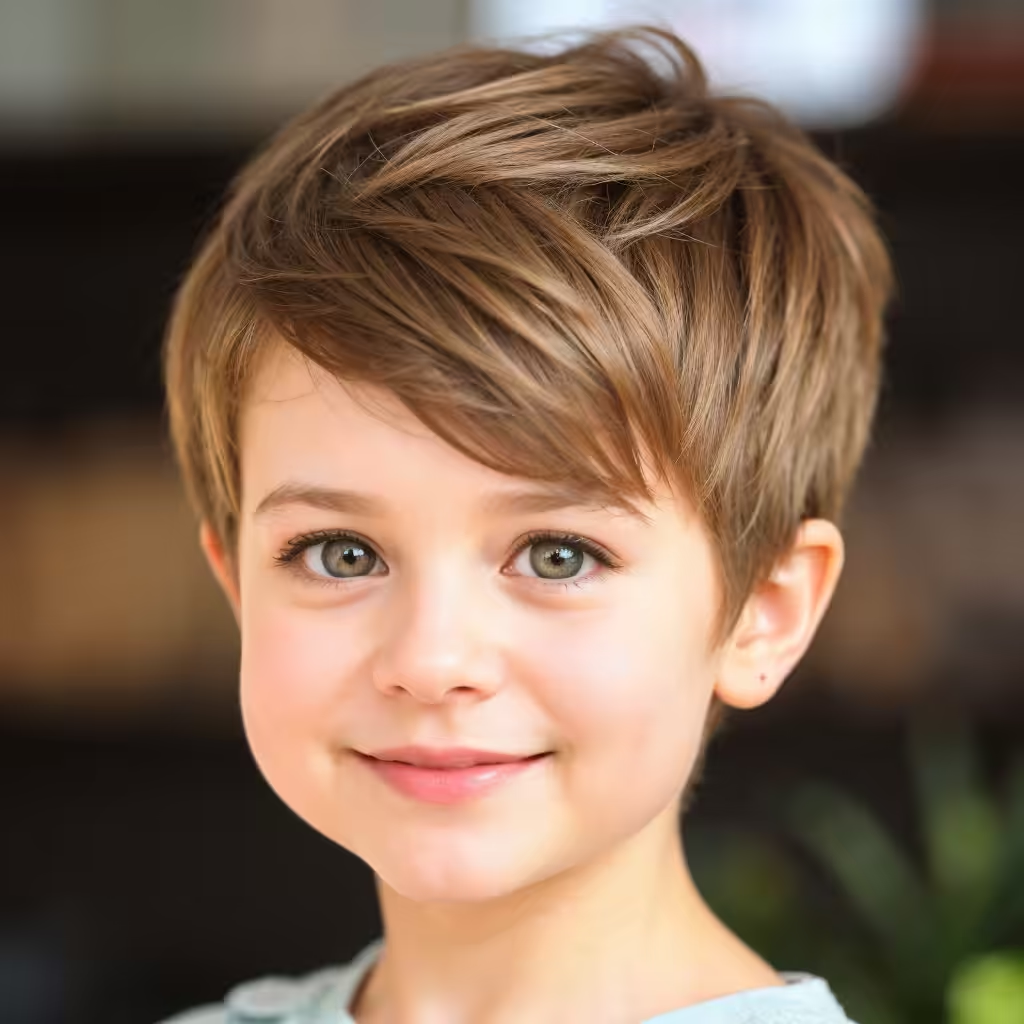
If a baby girl has straight hair that hangs down a lot, a pixie cut is perfect for her. Kids with short hair like this have shorter hair on the sides and back and slightly longer hair on top. This facilitates easy combing and hair management.
How to style it
- Apply a heat protectant to damp hair.
- Blow-dry with a round brush, lifting at the roots.
- Set the shape with a light texture or hold spray.
Side Single Ponytail
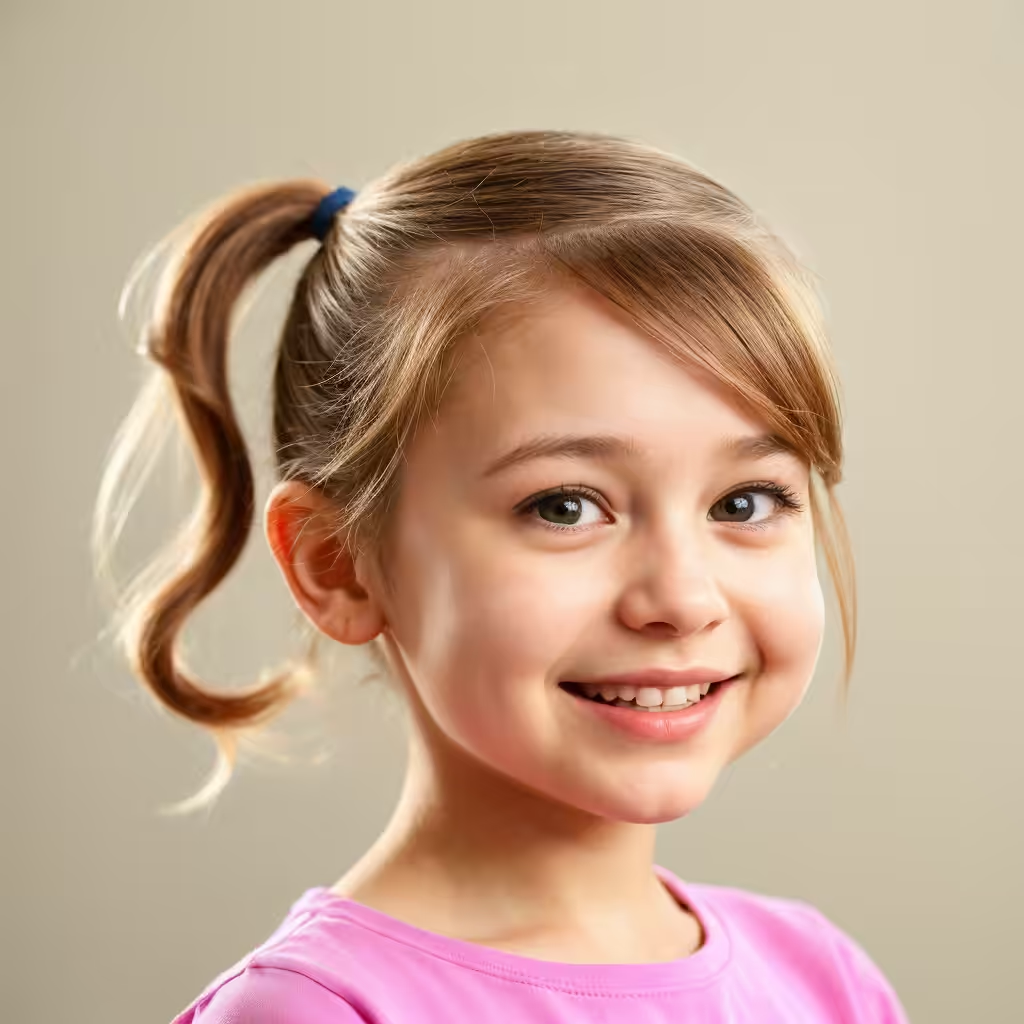
This style is ideal if your toddler girl has thin, drooping hair. This allows the little girl’s hair to remain contained on one side of her head, which makes it easier to handle, especially outside.
How to style it
- Prep with a texture spray for grip.
- Gather and pin the shape, leaving a few face-framing pieces.
- Lock it with a flexible-hold hairspray.
Long Tapering
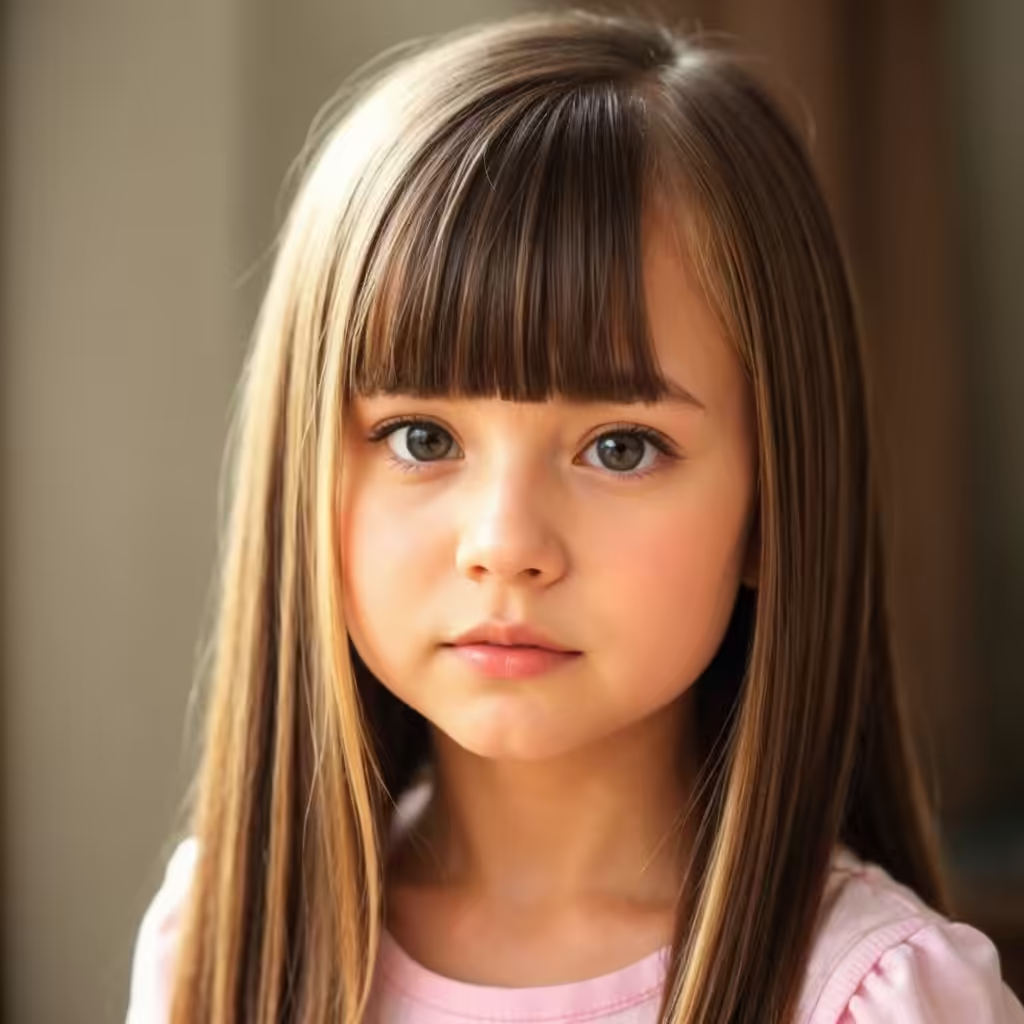
Straight or wavy hair types can sport this baby girl haircut style. With just a few basic tools, this toddler girl haircut is a really simple toddler hairstyles to make at home.
How to style it
- Apply a heat protectant to damp hair.
- Blow-dry with a round brush, lifting at the roots.
- Set the shape with a light texture or hold spray.
Fringe Hairstyle
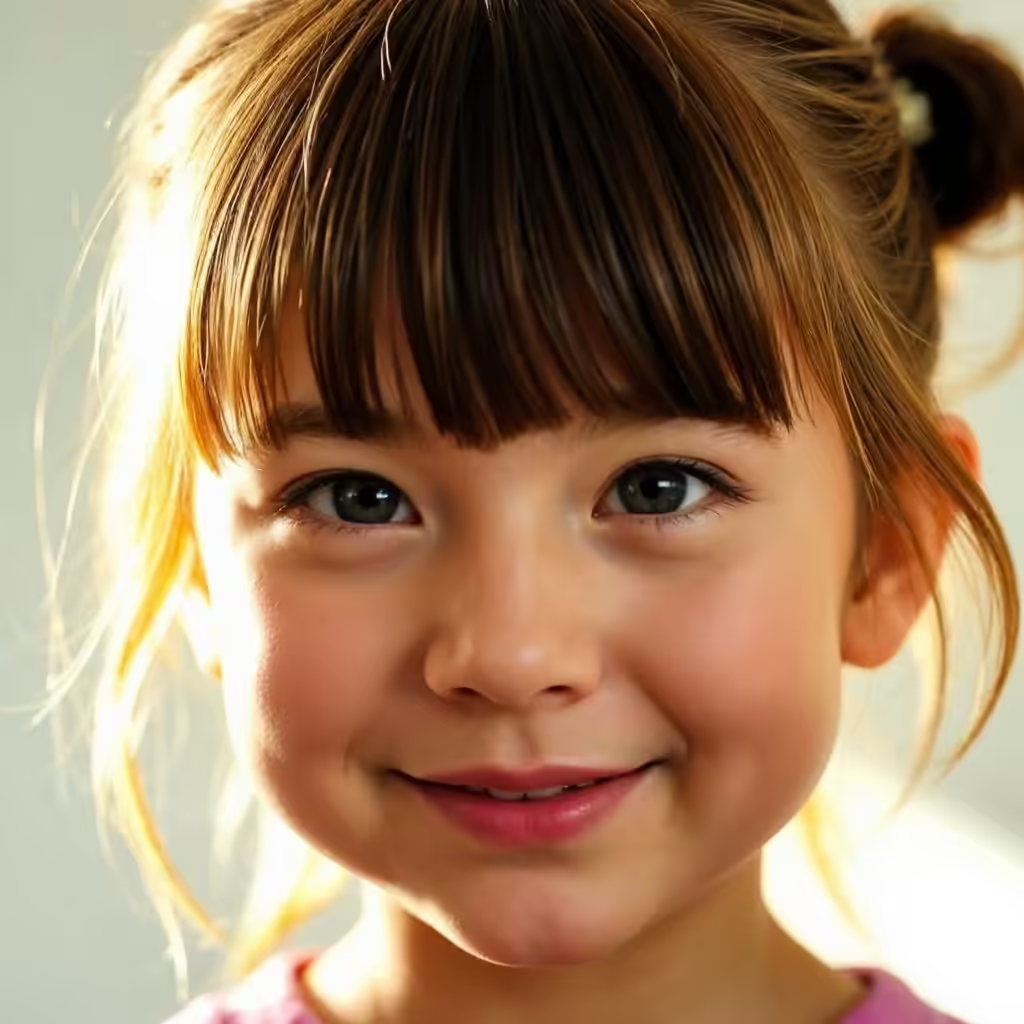
Ideal for straight hair that droops and falls both front and sideways. Fringes are fashionable and adorable. They are easier to make when the little girl already has some bangs on her forehead.
How to style it
- Dry the fringe first, straight down, before it sets.
- Smooth the bangs across with a flat brush and cool air.
- Add a little texture spray through the lengths.
Forehead Bangs
Toddler girls with thin hair look wonderful with forehead bangs. You can wear long hair or a bob cut with forehead bangs. This is a popular short hairstyle for both adults and infant girls. It is attractive and fits well. Maintain a sophisticated yet understated look with a well-cut bob haircut.
How to style it
- Dry the fringe first, straight down, before it sets.
- Smooth the bangs across with a flat brush and cool air.
- Add a little texture spray through the lengths.
Half Fringed Half Clipped Hairstyle
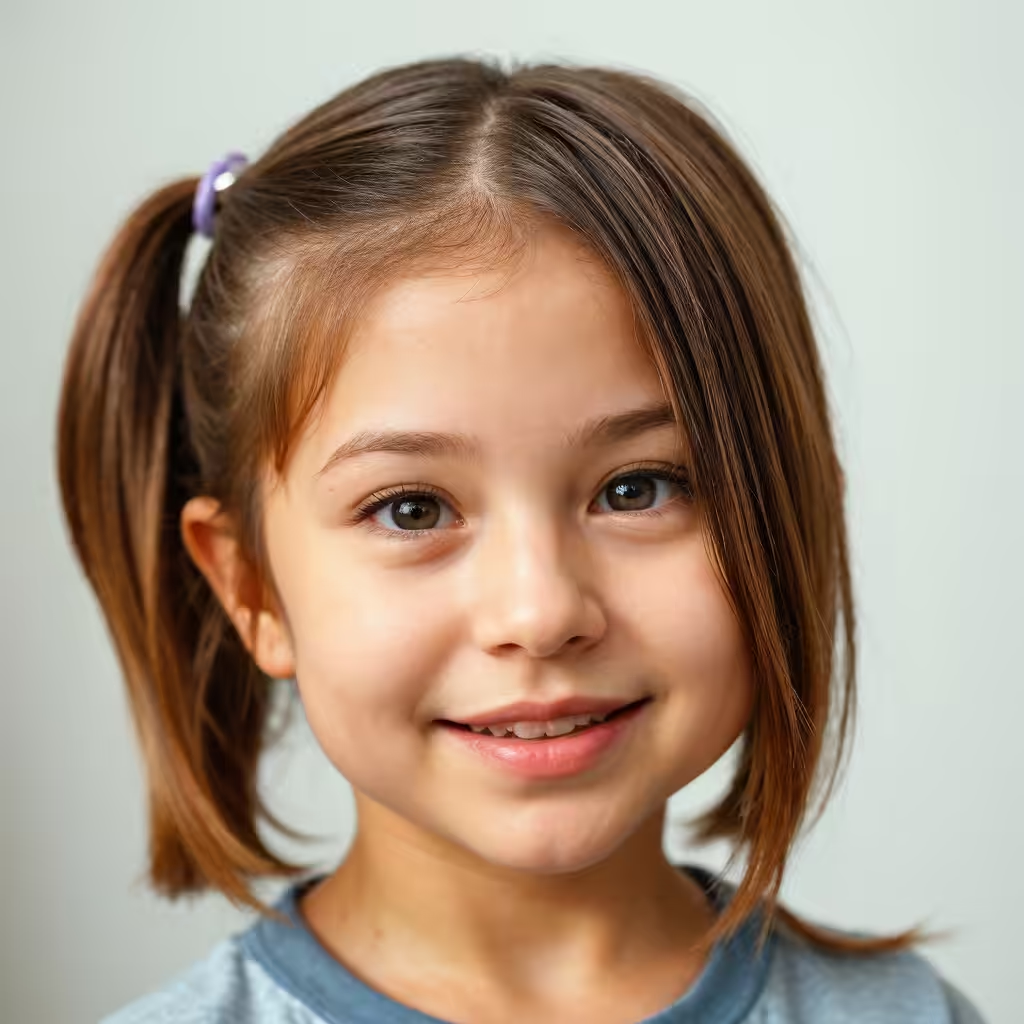
If the kid has extremely thin hair, you might go for a fringed style and use clips to secure a portion of the hair. If you are seeking a haircut for a three-year-old baby girl, this might be the best option.
How to style it
- Dry the fringe first, straight down, before it sets.
- Smooth the bangs across with a flat brush and cool air.
- Add a little texture spray through the lengths.
Parted Side Bangs
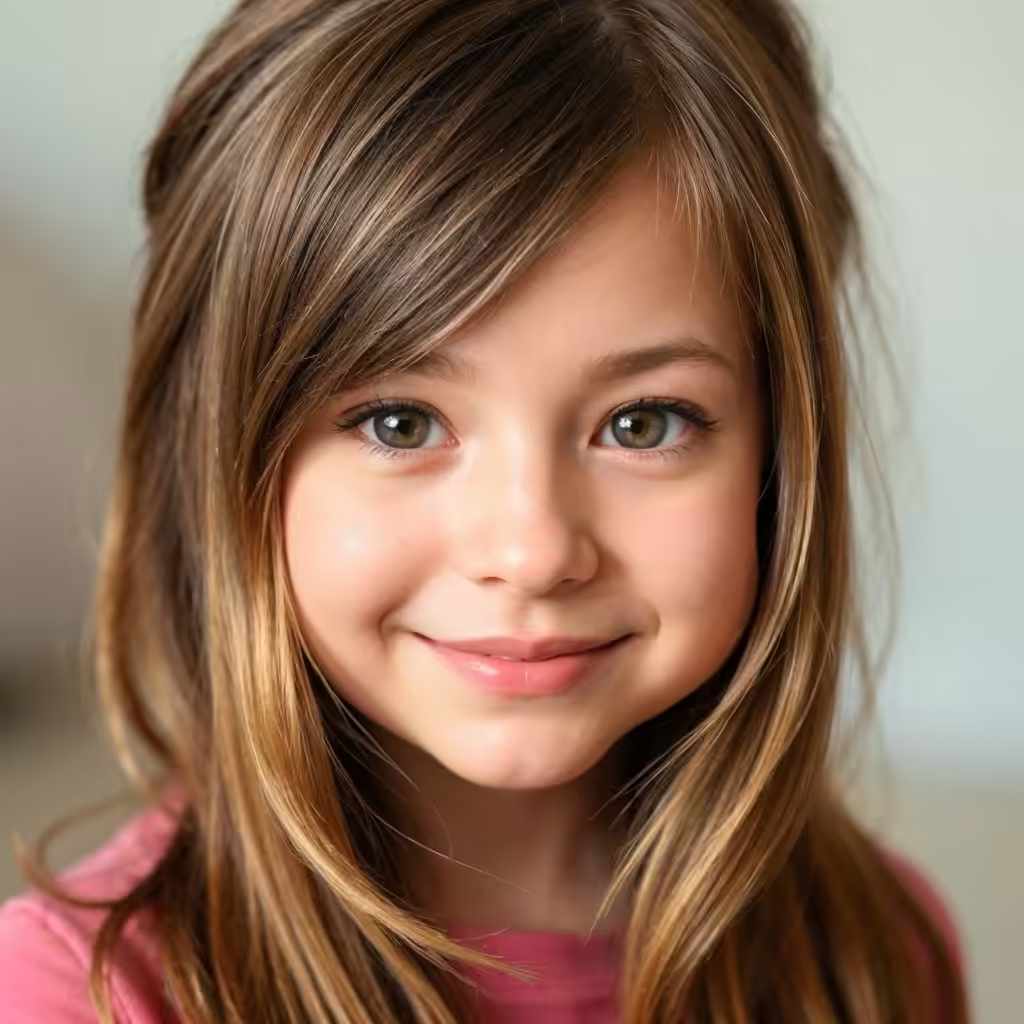
Though they resemble forehead bangs somewhat, these look best on girls with straight, thin hair that you want to separate from the side. For a 2-year-old girl, this is a great hairstyle.
How to style it
- Dry the fringe first, straight down, before it sets.
- Smooth the bangs across with a flat brush and cool air.
- Add a little texture spray through the lengths.
Horizontal Braid
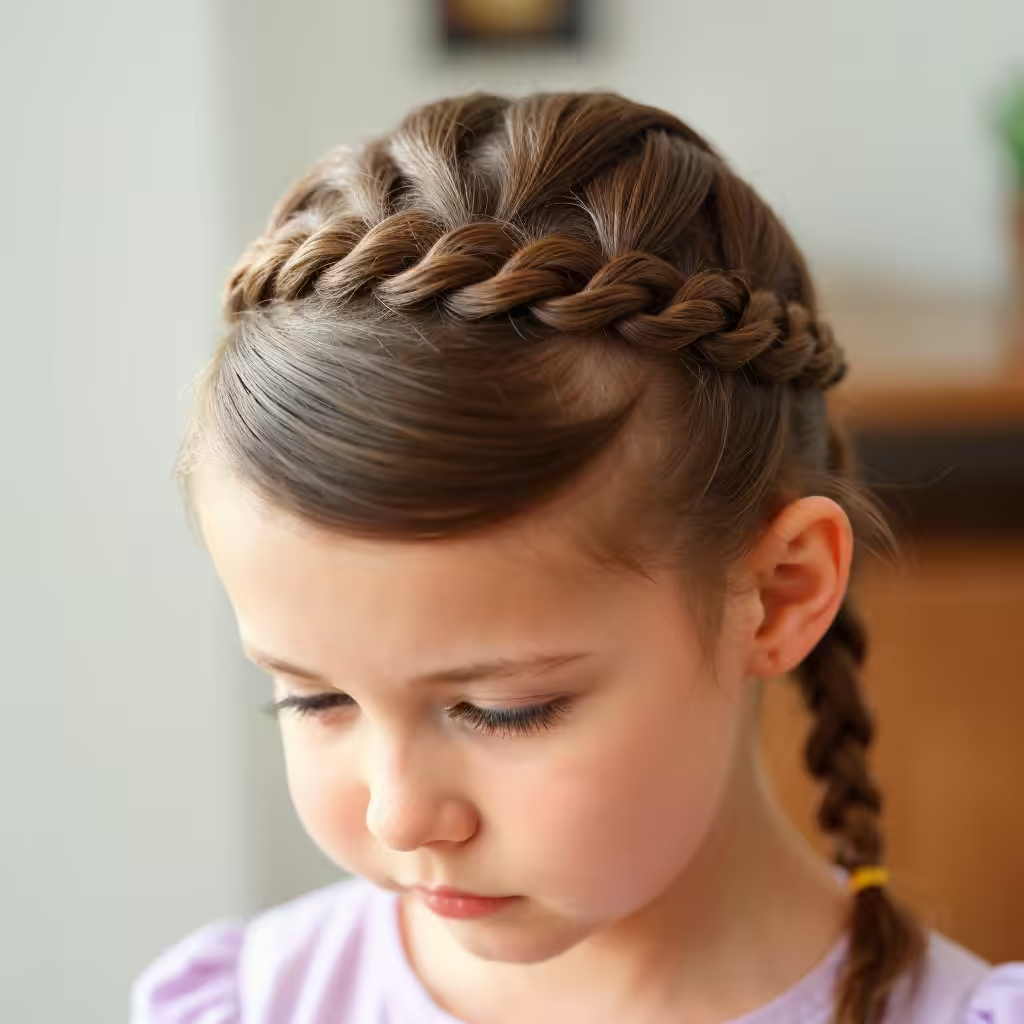
The technique is the same as for creating a standard braid, except instead of tying the braid vertically, you knot it horizontally. You can attempt this braid if your child has curls or waves when a vertical braid could be too bouncy.
How to style it
- Prep with a texture spray for grip.
- Gather and pin the shape, leaving a few face-framing pieces.
- Lock it with a flexible-hold hairspray.
Short Blunt
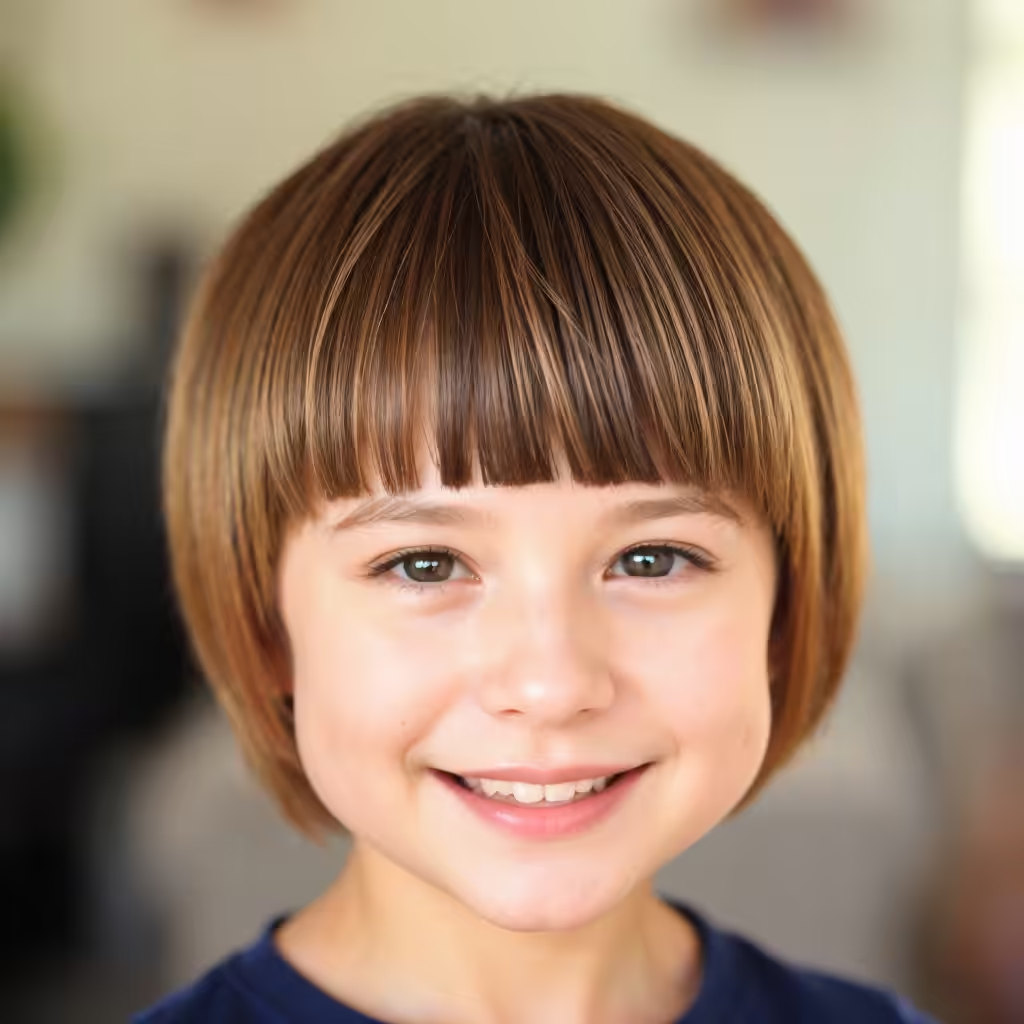
Do you want a short, fashionable, and manageable hairstyle? The style that will meet all of your needs is the short blunt. With short, blunt hairstyles, your girl’s thick, heavy hair especially will become much more manageable.
How to style it
- Work a heat protectant through damp hair.
- Blow-dry flat with a round brush, section by section.
- Finish with a drop of serum on the ends.
Single Fountain Pigtail
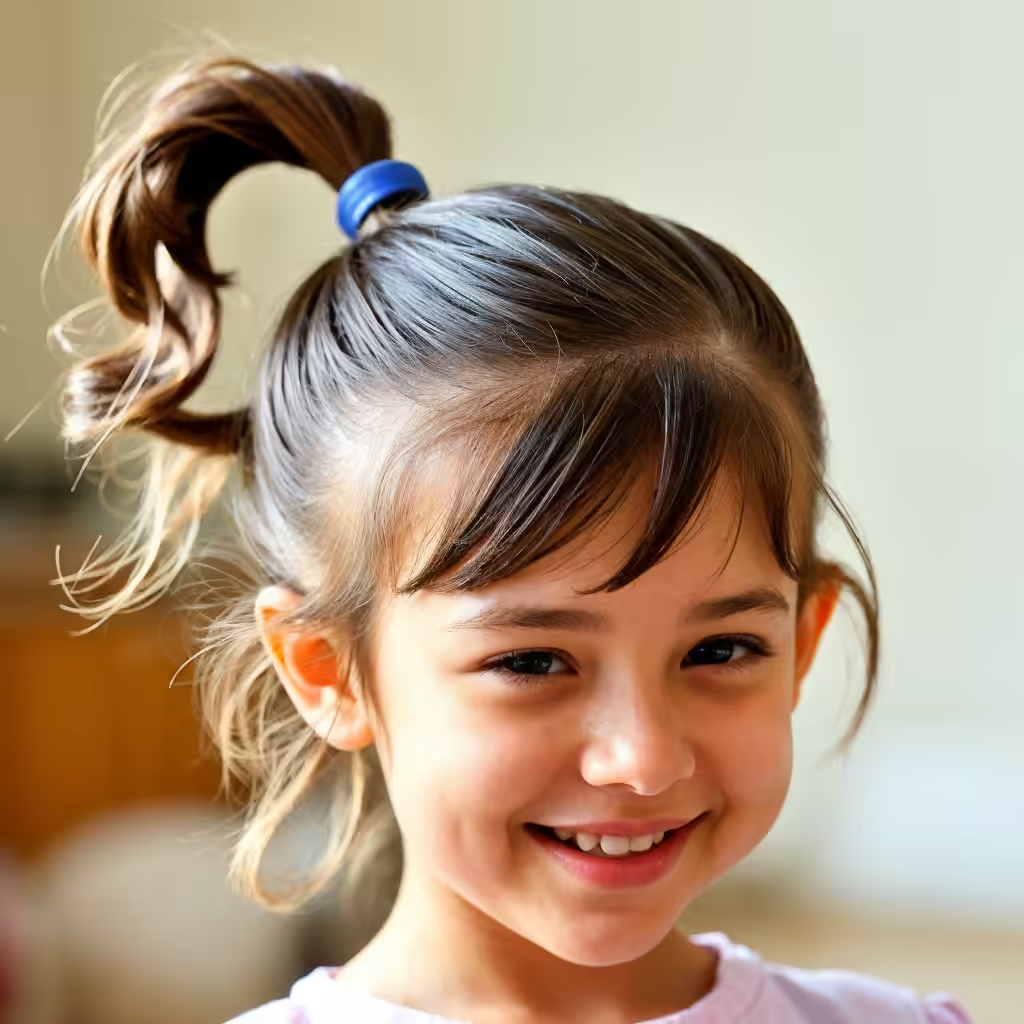
Works nicely for African-American toddlers and other toddler girls with short or curly hair. It’s simple and quick to create this look.
How to style it
- Apply a heat protectant to damp hair.
- Blow-dry with a round brush, lifting at the roots.
- Set the shape with a light texture or hold spray.
Curly Layers Hairstyle
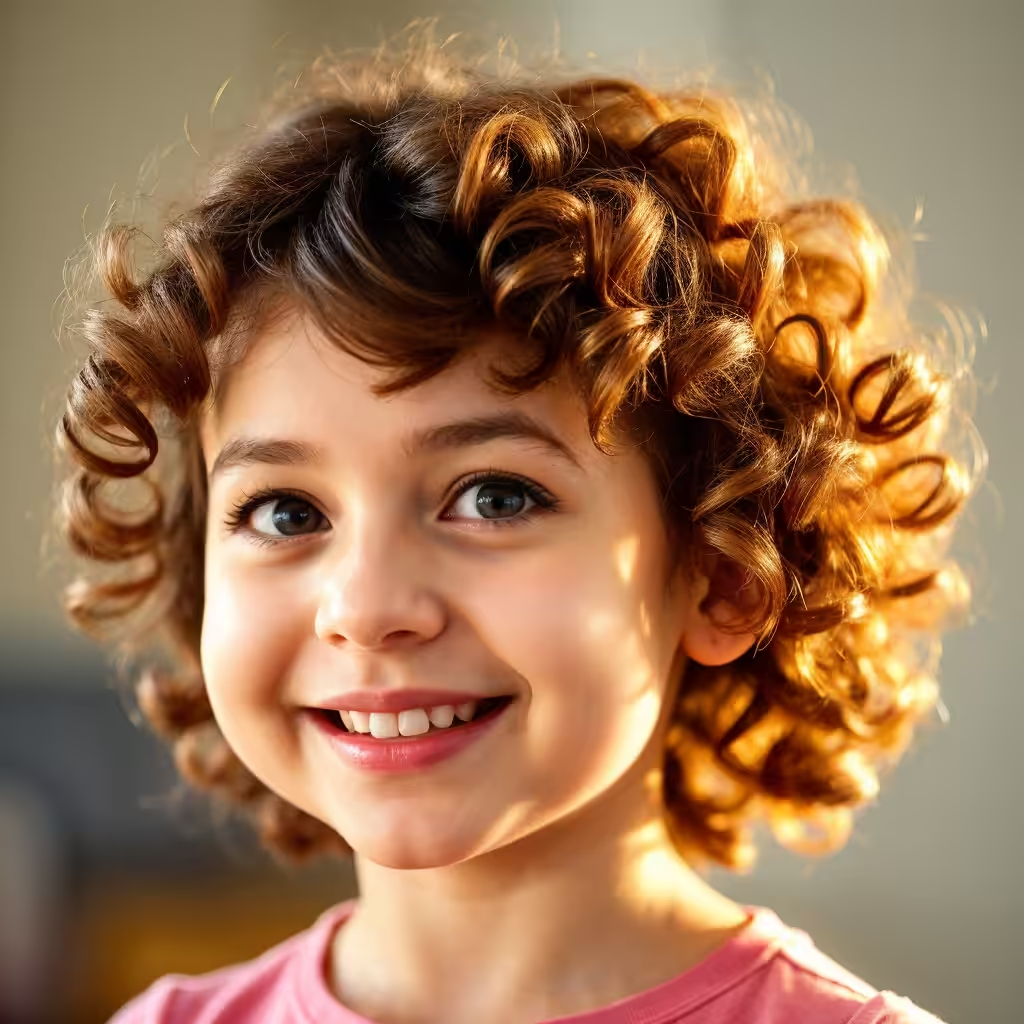
Layers are a great choice for all the females with curly hair. It offers effortless maintenance and, by splitting the curls into layers, lowers their volume. Your princess will look quite cute in this distinctive design.
How to style it
- Apply a curl cream to soaking-wet hair and scrunch upward.
- Diffuse on low or air-dry without touching it.
- Break the cast with your fingers once fully dry.
Braided Updo
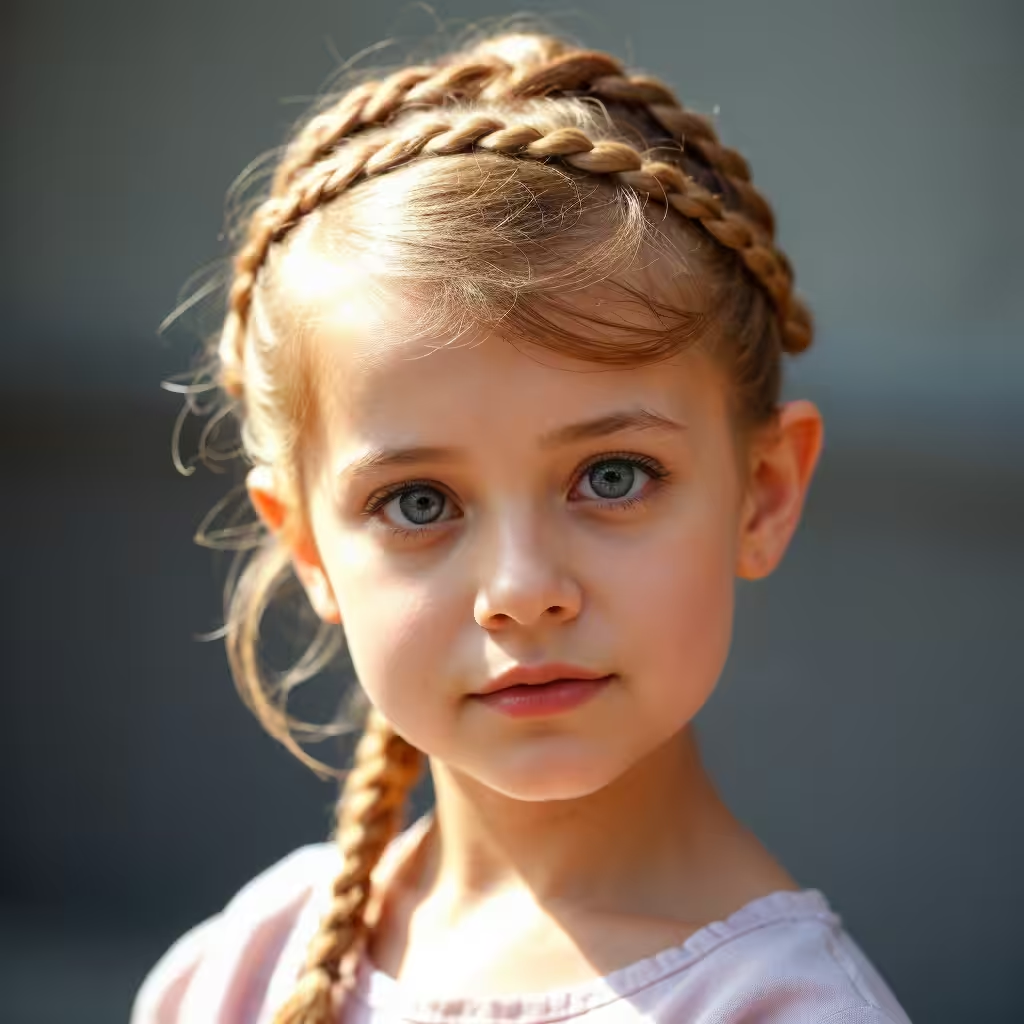
Baby girl braids and updos can’t possibly be worn on very young babies, can they? False. You can surely work your tiny tot’s medium-length hair into a small twisted braid. With a lovely ribbon, pin it low, just above the nape, and get ready for compliments on your parenting prowess!
How to style it
- Prep with a texture spray for grip.
- Gather and pin the shape, leaving a few face-framing pieces.
- Lock it with a flexible-hold hairspray.
Baby Girl Ponytails
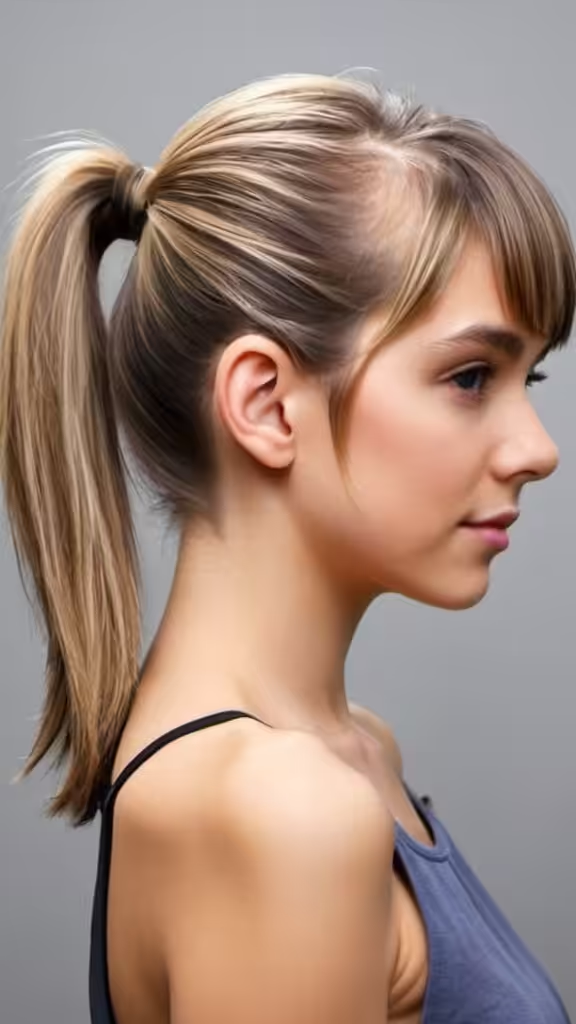
If all else fails to manage your child’s curly hair, you might want to consider tying her hair securely to keep it neatly coiled.
How to style it
- Prep with a texture spray for grip.
- Gather and pin the shape, leaving a few face-framing pieces.
- Lock it with a flexible-hold hairspray.
Center Parting with Bows
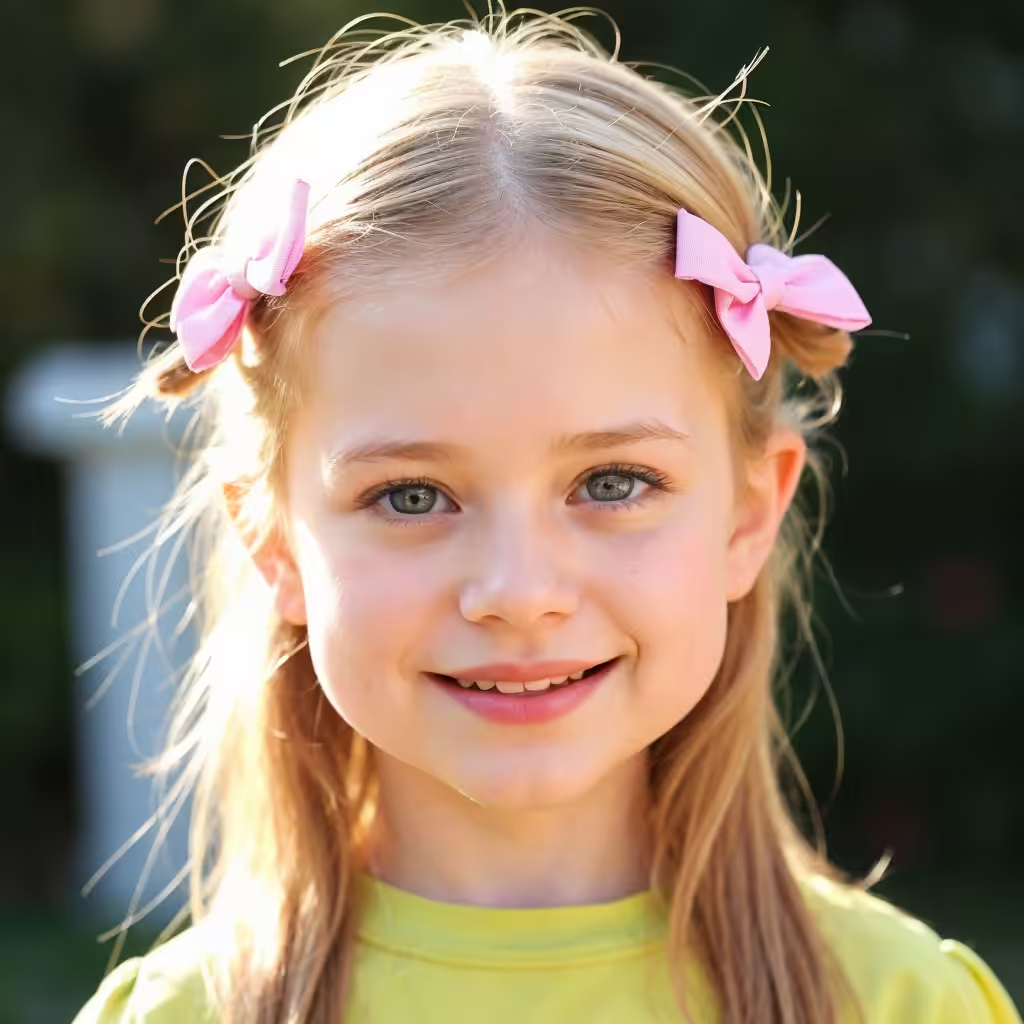
The majority of African American infant girls have gorgeous natural curls. How should they be styled? Here is a proposal: Make a central divide in the bangs, then use a clip to secure each side. Keep the remaining hair in its natural waves and kinks for an incredibly elegant and understated style!
How to style it
- Apply a heat protectant to damp hair.
- Blow-dry with a round brush, lifting at the roots.
- Set the shape with a light texture or hold spray.
Quick & Perfect Bow Ponytails
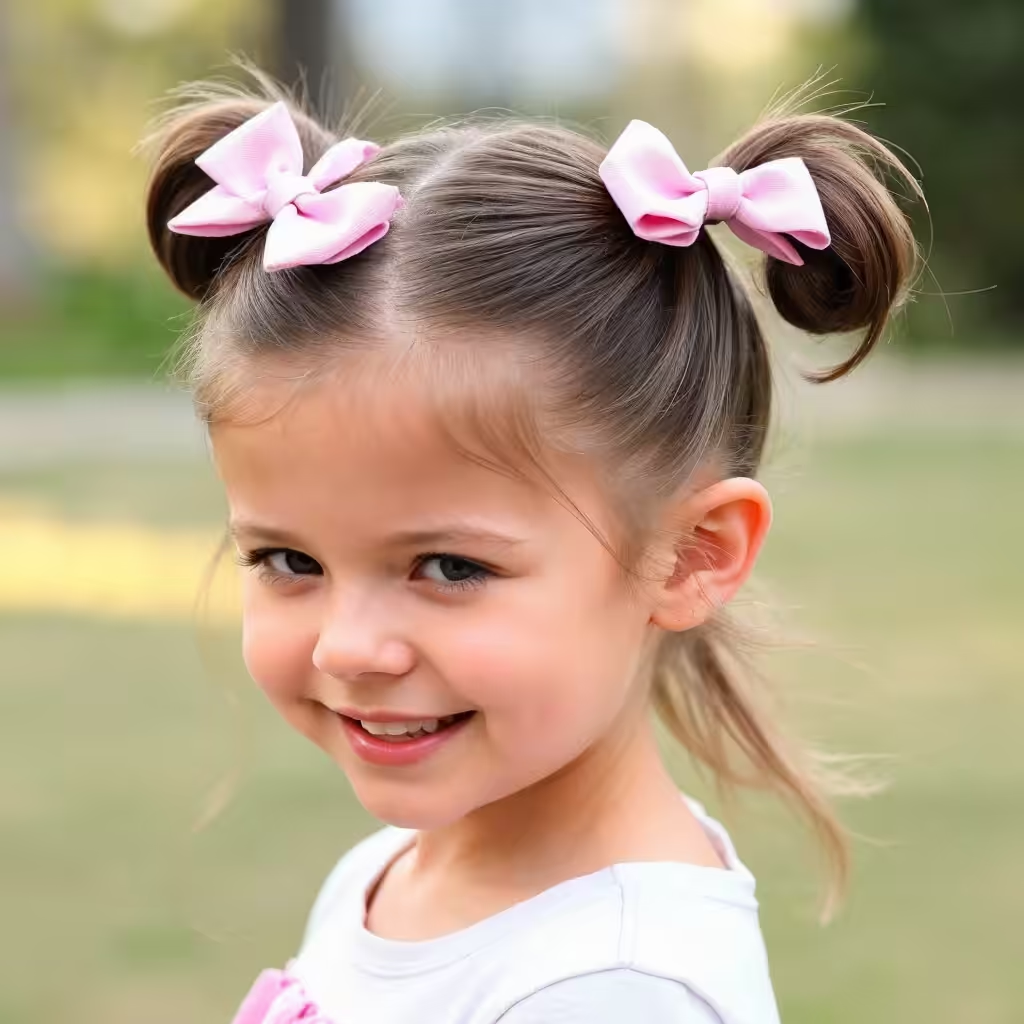
There are days when braiding and buns are not feasible. All you need for a playdate or daycare is a simple style fix. The way this one functions is by splitting the hair into four halves. The top ones can be braided or tied into ponytails. Then, divide the hair into two larger ponytails and secure them with enormous, fluffy bows.
How to style it
- Prep with a texture spray for grip.
- Gather and pin the shape, leaving a few face-framing pieces.
- Lock it with a flexible-hold hairspray.
Bow Headband for Short Hair
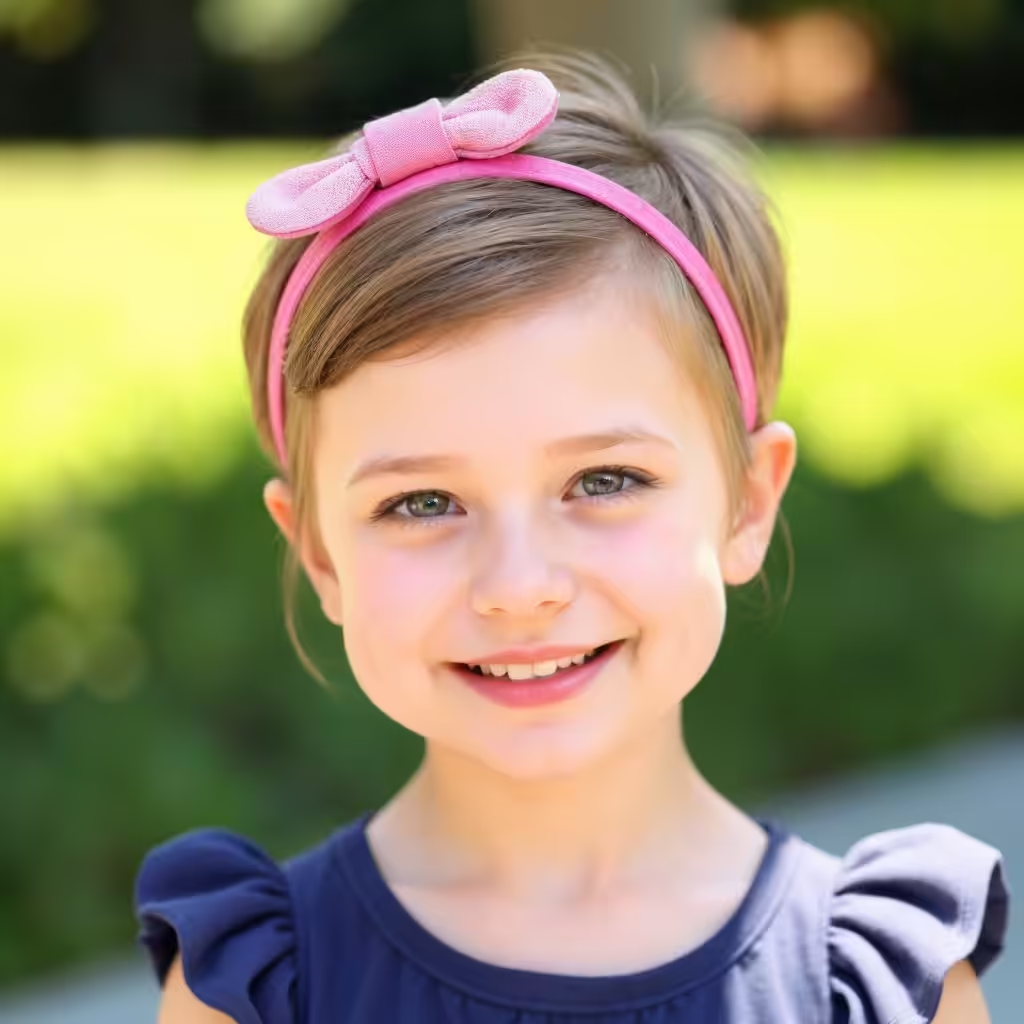
Mom on the go? The more intricate looks can wait till your child turns one year old. For the time being, use a decent, brief, practical baby bath product to keep her hair silky. In the interim, you can play around with large, ridiculous headbands knotted into floppy bows, like this one!
How to style it
- Apply a heat protectant to damp hair.
- Blow-dry with a round brush, lifting at the roots.
- Set the shape with a light texture or hold spray.
Asymmetrical Bob Hair Cut
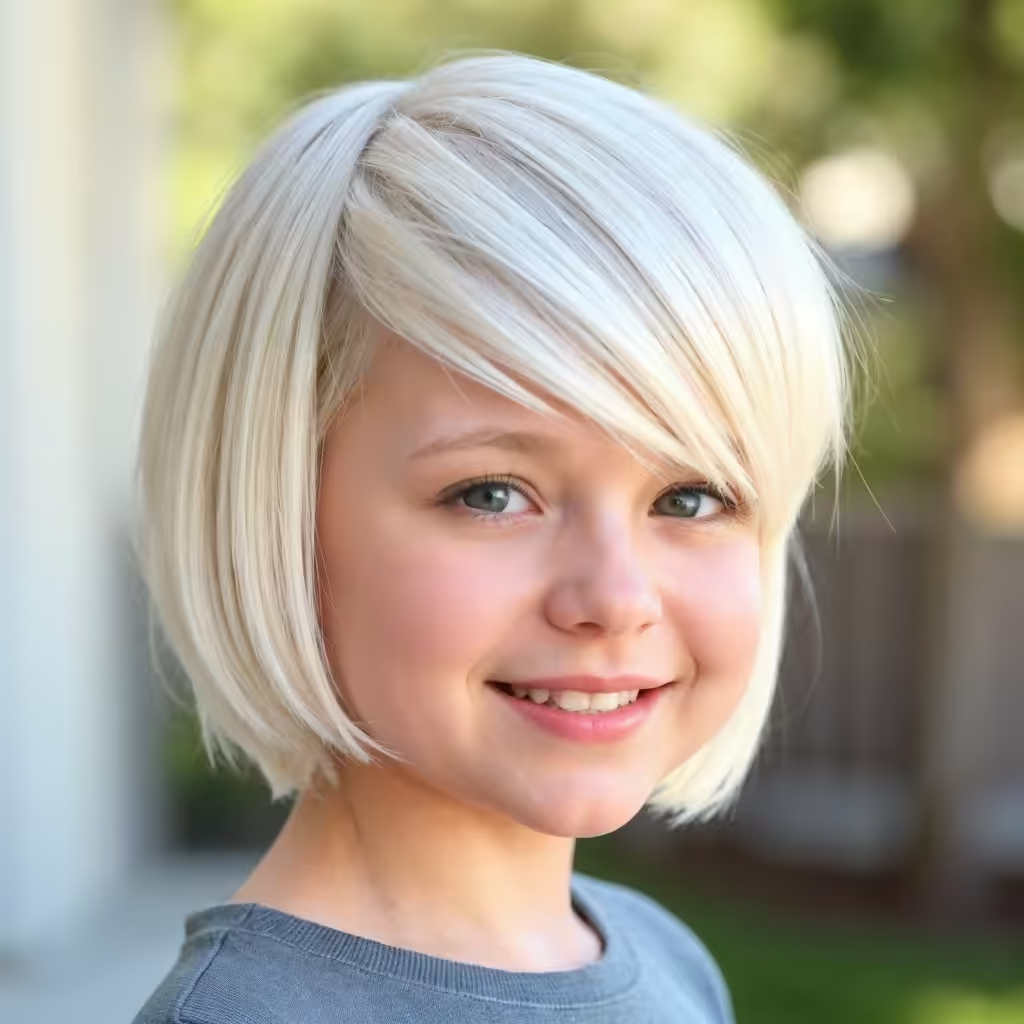
The stylish haircut that guarantees your baby girl will seem incredibly beautiful. With the longer hair on the sides of the bob cut, the vintage, nostalgic look is given a modern twist. The front is longer and the back is shorter.
How to style it
- Apply a heat protectant to damp hair.
- Blow-dry with a round brush, lifting at the roots.
- Set the shape with a light texture or hold spray.
Ribbon Headband
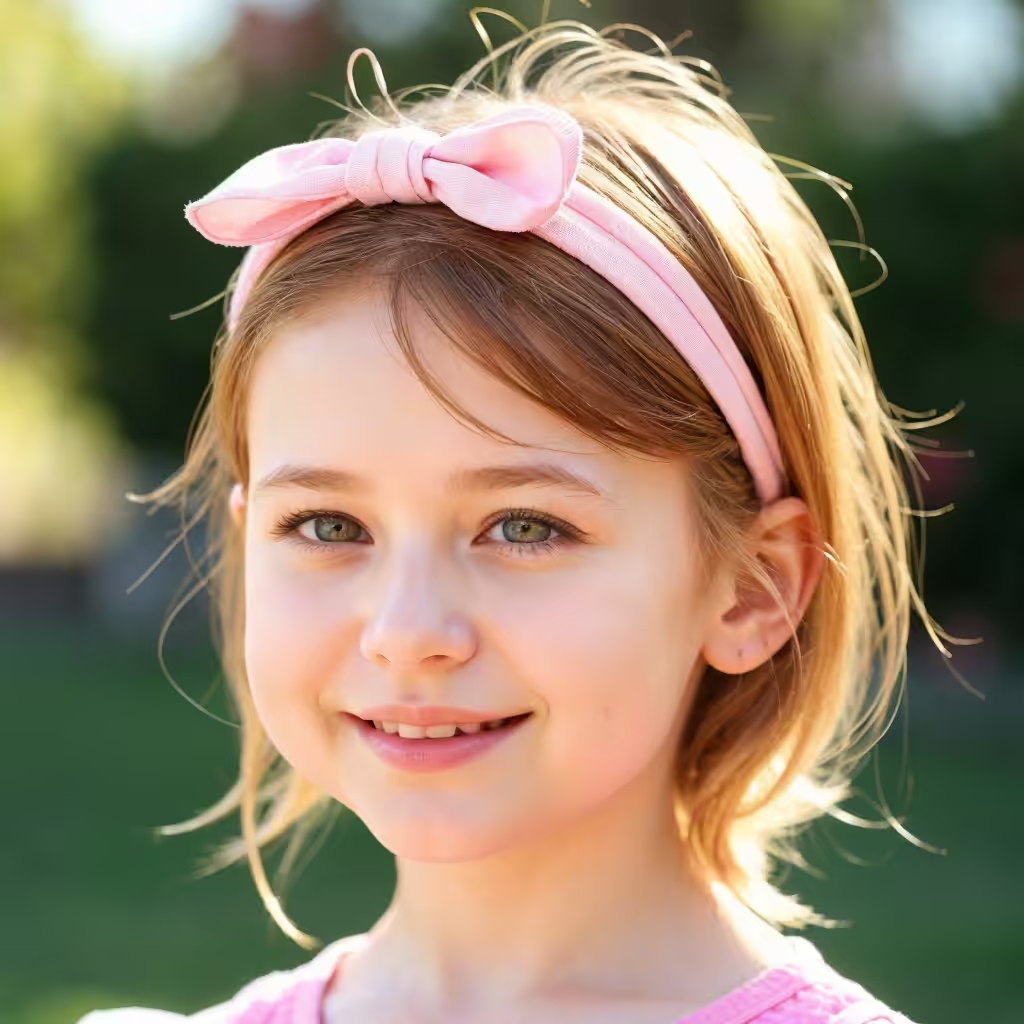
Have a fancy event planned? Not many baby haircuts would pass muster, especially for little children who haven’t even turned one year old! If your child has short, naturally curly hair, try this blended style using a headband and kid-friendly pomade.
How to style it
- Apply a heat protectant to damp hair.
- Blow-dry with a round brush, lifting at the roots.
- Set the shape with a light texture or hold spray.
Top Knot Easy Hairstyles For Baby Girls
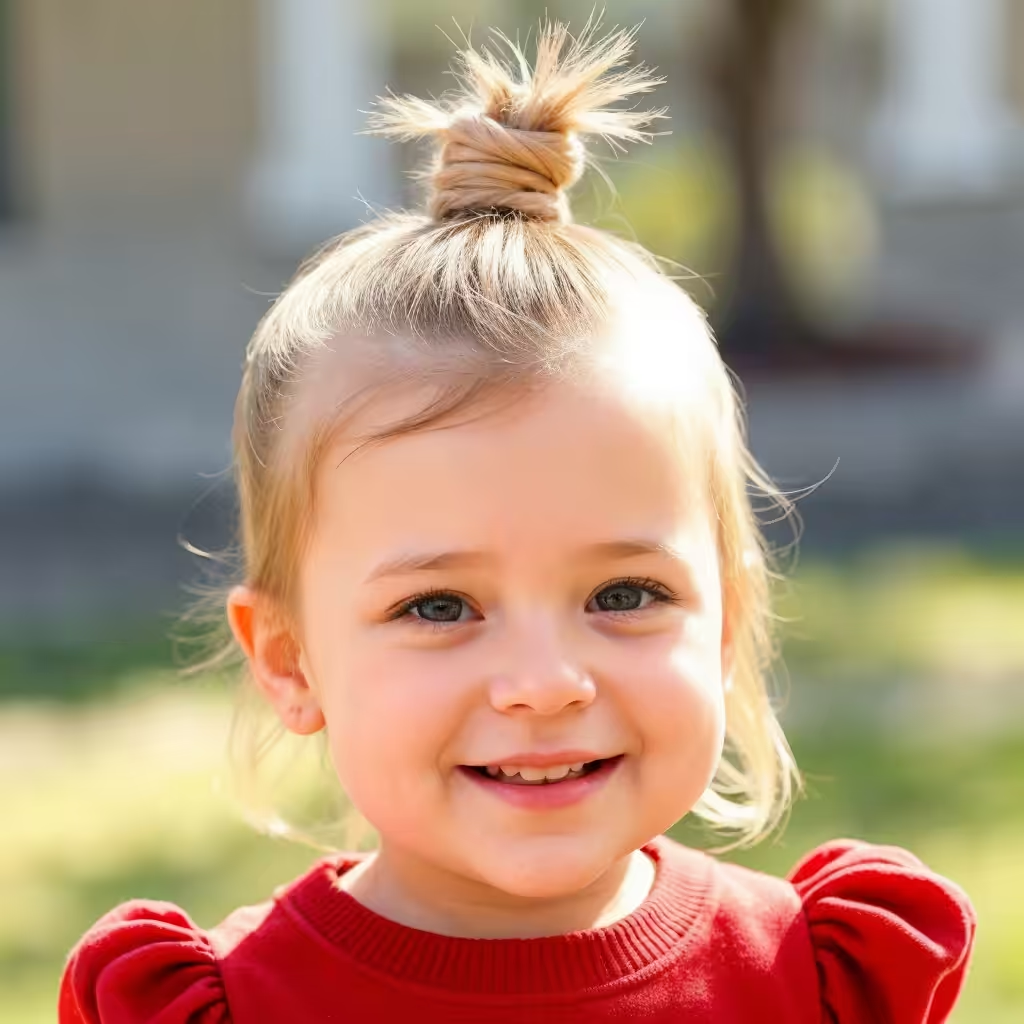
Hair should be pulled back into a bun after being pulled up high on the head in a ponytail. Use bobby pins or an additional hair elastic at the base to secure if necessary.
How to style it
- Apply a heat protectant to damp hair.
- Blow-dry with a round brush, lifting at the roots.
- Set the shape with a light texture or hold spray.
Half Bun Easy Hairstyle
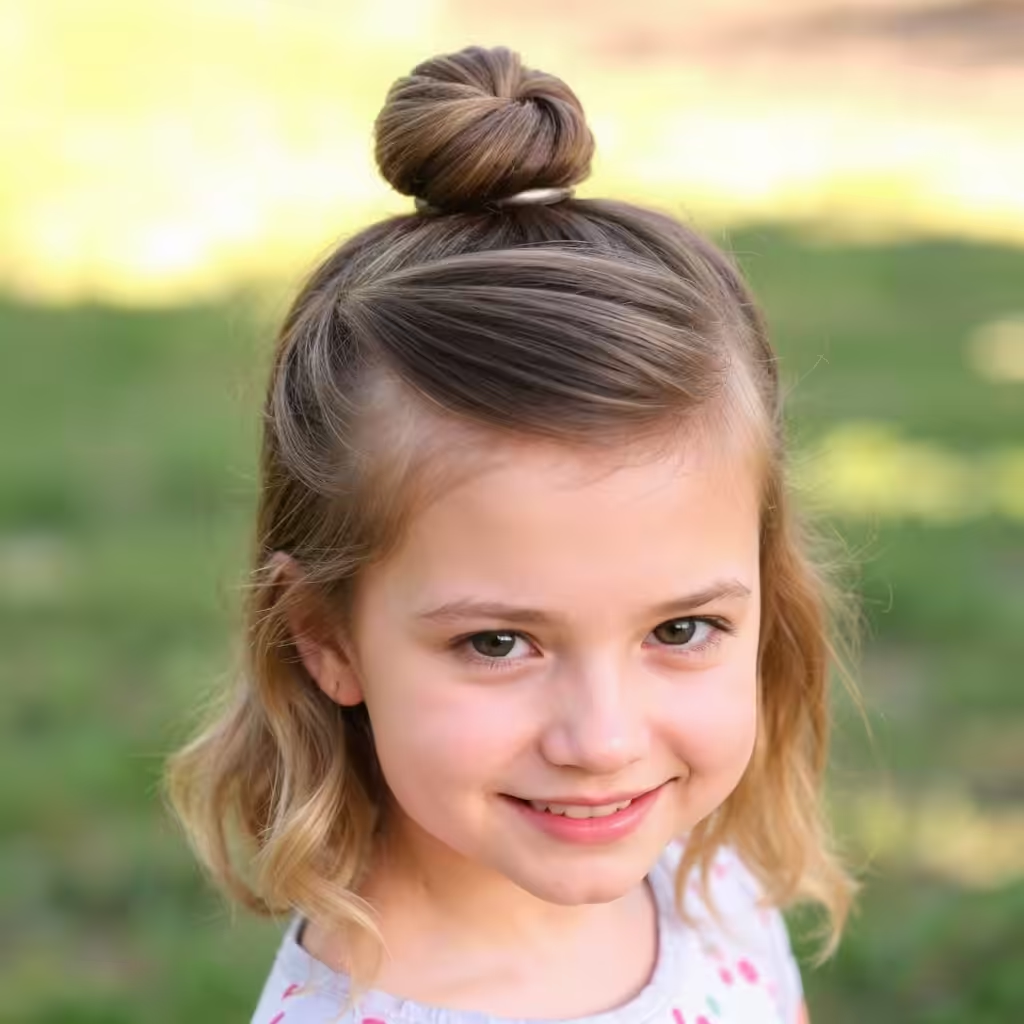
This quick and simple updo takes only a few seconds to put up, keeps hair out of their faces, and results in an adorable, voluminous top knot that your little girl will love seeing in the mirror.
How to style it
- Prep with a texture spray for grip.
- Gather and pin the shape, leaving a few face-framing pieces.
- Lock it with a flexible-hold hairspray.
French Braid
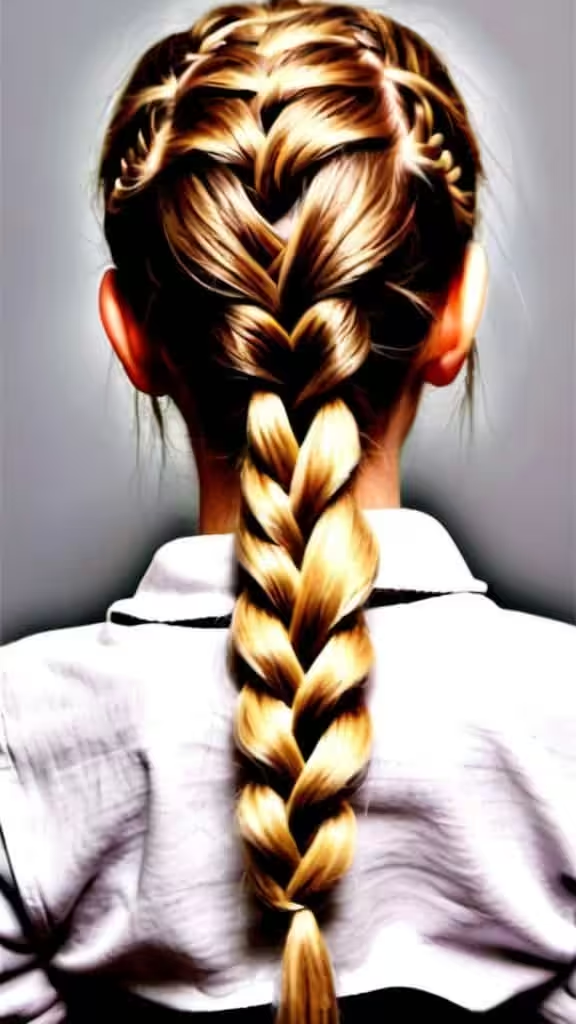
With a few exceptions, ordinary braid and French braid are comparable. This hairstyle works well on girls with long, thick hair and is perfect for practically any occasion.
How to style it
- Prep with a texture spray for grip.
- Gather and pin the shape, leaving a few face-framing pieces.
- Lock it with a flexible-hold hairspray.
Sources & Further Reading
Technique notes, salon-cost ranges and care recommendations in this guide draw on these hair-industry authorities:
- Byrdie — Hair-focused editorial reviewed by licensed cosmetologists.
- Allure — Hair — Award-winning beauty journalism on cut and color trends.
- Refinery29 — Hair — Editorial coverage of cut, color and texture trends.
- Behind The Chair — Largest US stylist community for cut, color and styling technique.
- Modern Salon — Industry trade publication for working salon professionals.
Salon pricing and refresh-cadence figures draw on 15+ years of behind-the-chair experience with US clients. Reviewed by Jessica Hamilton, licensed cosmetologist.
What Makes a Soft Braided Styles Look Its Best
- ✓Loose, minimal-tension braiding technique — critical for protecting baby's delicate scalp and preventing tension alopecia on developing hair
- ✓Hair length minimum of 6-8 inches for functional braiding — shorter lengths require alternative styles like twisted knots or gentle clips
- ✓Lightweight, slip-on hair accessories (silk ribbons, soft bands) — heavy clips and metal fasteners create tension points that damage fine baby hair
- ✓Moisturizing leave-in conditioner applied before styling — baby hair lacks natural oils and requires hydration to prevent breakage during braiding
- ✓Loose three-strand or four-strand technique with 1-2 inch spacing between braids — tighter braids restrict blood flow to the scalp
- ✓Styling duration under 15 minutes per session — extended manipulation time causes fatigue and breakage in underdeveloped hair strands
What Diminishes a Soft Braided Styles
- AVOIDTight box braids or cornrows — excessive tension causes traction alopecia and permanent hair loss in babies under age 3
- AVOIDRubber bands and elastic hair ties without protective wrapping — direct contact causes breakage and splits in delicate ends
- AVOIDStyling products with alcohol or harsh chemicals — baby scalp cannot tolerate fragrances and sulfates that cause irritation and dryness
- AVOIDBack-to-back styling days without rest periods — baby hair needs 48+ hours between styling sessions to recover and maintain moisture balance
What Makes This Style Special in 2026?
What separates a good version of a child's style from a forgettable one is the cut, not the trend. I leave a child's hair a little longer than the photo — it grows fast and the in-between stage should still look tidy. With kids the cut has to survive a ponytail and a pillow, so I keep it simple and low-fuss.Why Women Love This Style
I won't oversell it — a child's style asks something of you in return, and it's worth knowing that before you commit. It gives you options a stiffer cut can't — up for an event, back when you're busy, soft and undone on a slow morning. Skip heat on children's hair almost entirely; air-dry and a leave-in detangler does the job.Finding Your Perfect Variation
For children, pick what survives recess — a shape that still looks tidy half-grown-out beats a fussy one that doesn't. Tell your stylist how you actually wake up and get ready — that, more than any photo, decides which version is right. Table of Contents ToggleHow to Ask Your Stylist
- 1
Specify Hair Length & Current Condition
Tell your stylist your baby girl's exact hair length and whether her hair is fine, curly, straight, or mixed-texture. Mention any previous styling and current scalp sensitivity to help them recommend the best cute hairstyles for baby girls with her specific hair type.
- 2
Request Gentle, Tension-Free Braiding Technique
Explicitly ask for loose braids with minimal scalp tension — use the term 'protective styling for delicate hair' so your stylist understands you prioritize scalp health. Ask them to demonstrate the exact tension level on a small section first.
- 3
Choose Silk or Satin Accessories Over Traditional Elastics
Request that your stylist use silk ribbons, satin hair clips, or soft fabric-wrapped bands instead of rubber elastics. These protect delicate strands from breakage and reduce frizz — key for maintaining cute baby girl hairstyles throughout the day.
- 4
Confirm Product Compatibility With Baby Scalp
Ask your hairstylist to use only sulfate-free, alcohol-free, fragrance-light products specifically formulated for baby or fine hair. Request they apply a lightweight leave-in conditioner before styling to hydrate hair and reduce breakage during manipulation.
- 5
Discuss Styling Frequency & Maintenance Schedule
Establish a realistic styling schedule (typically 2-3 times weekly maximum for babies under 3) that prevents over-manipulation. Ask your stylist for specific at-home maintenance tips between salon visits to extend the style lifespan.
- 6
Request a Live Styling Demo Before You Leave
Ask your hairstylist to teach you the exact technique, hand positioning, and product application while you watch and take photos or video. Have them show you how to redo the style at home and troubleshoot common issues like frizz and loose sections.
Pro 2026 Tip: In 2026, the best cute baby girl hairstyles prioritize a 'scalp-first' consultation approach — arrive at your stylist appointment with photos of 3-4 styles you love, but lead with your baby's hair type, scalp sensitivity, and how many hours per week you can dedicate to styling maintenance. This ensures your stylist recommends hairstyles that look adorable AND remain healthy for your daughter's developing hair, avoiding the common mistake of choosing styles that require daily manipulation or products unsuitable for her age.
Best Products to Use
→Volumising Shampoo:
Nioxin System Kit or Pureology Pure Volume — lifts fine and thinning hair
→Light Conditioner:
Pureology Hydrate Sheer — adds moisture without weighing down volume
→Root Lift:
Kenra Platinum Volumizing Mousse or Bumble and Bumble Thickening Spray
→Styling:
TIGI Bed Head After Party Smoothing Cream or Moroccanoil Curl Control for frizz and finish
→Weekly Treatment:
Olaplex No. 3 Hair Perfector — strengthens aging, fragile strands from within
Final Takeaway
After all of it, what matters most for parents is honest fit — texture, face shape, and the time you'll really give it. Book a proper consultation, be upfront about how much effort you'll spend, and you'll walk out with something you can keep up.