How to Choose the Right Temple Fade for You
A temple fade suits almost any guy, but the variation matters. Here is how I match the cut to the head sitting in my chair.
By face shape
- Round face: Go higher — a mid or high temple fade pulls the eye up and slims the face. I steer round-faced clients away from a low taper here.
- Oval face: Lucky — any temple fade variation works. I pick by hair type and how often you'll come in.
- Square face: Soften the angles with a textured top over a mid temple fade. A skin fade with hard lines doubles the squareness.
- Heart face: Keep volume balanced — a low temple fade with mid-length texture on top reads cleanest.
- Long face: Stay low. A low temple fade adds visual width and stops the head from looking longer.
By hair type
- Fine or thin hair: A temple fade reads cleanest when the top has point-cut layering — it fakes density. I avoid a skin fade here; the contrast makes thin patches obvious.
- Thick or coarse: This is where a temple fade earns its keep. Removing weight at the sides keeps the head shape balanced.
- Curly or coily (3A–4C): Cut the curls dry, not wet — wet stretches them and you'll lose 20% of the silhouette when they dry up. A taper-style temple fade keeps your curl pattern intact at the top.
- Straight or wavy: Standard playbook. Pick the temple fade by face shape, not by hair behavior.
- Receding hairline: A soft, blended temple fade hides the corners better than a hard line-up.
By lifestyle
- Low maintenance: A low temple fade stretches 5–6 weeks before the line-up loses its edge.
- Corporate office: Pick the lowest, softest version. A skin variant reads too aggressive in a suit.
- Gym + every day: Sweat-friendly — wash daily, no product hold-up at the temples.
- Statement look: Go high or skin. The contrast is the message.
34 Best Temple Fade Haircuts for Men in 2026 the Ultimate Guide

About this look — The 34 Best Temple Fade Haircuts for Men in 2026 the Ultimate Guide sits low around the temples with the sides left longer — a precision detail without the commitment of a full fade.
- Best face shape
- Universally flattering; the temple detail works with every face type.
- What to tell your barber
- Book a 34 Best Temple Fade Haircuts for Men in 2026 the Ultimate Guide: specify the fade height (low, mid, or high), the shortest guard number at the bottom, and the exact top length in inches — decisions made before the chair moves.
- Maintenance
- Every 3–4 weeks — the temple detail is easy to lose if the line softens.
- Style at home
- Start on damp hair; work a small amount of matte clay through the top with your fingers.
- Blow-dry with a round brush, lifting from the roots.
- Set the shape with a light-hold spray.
Low Temple Fade
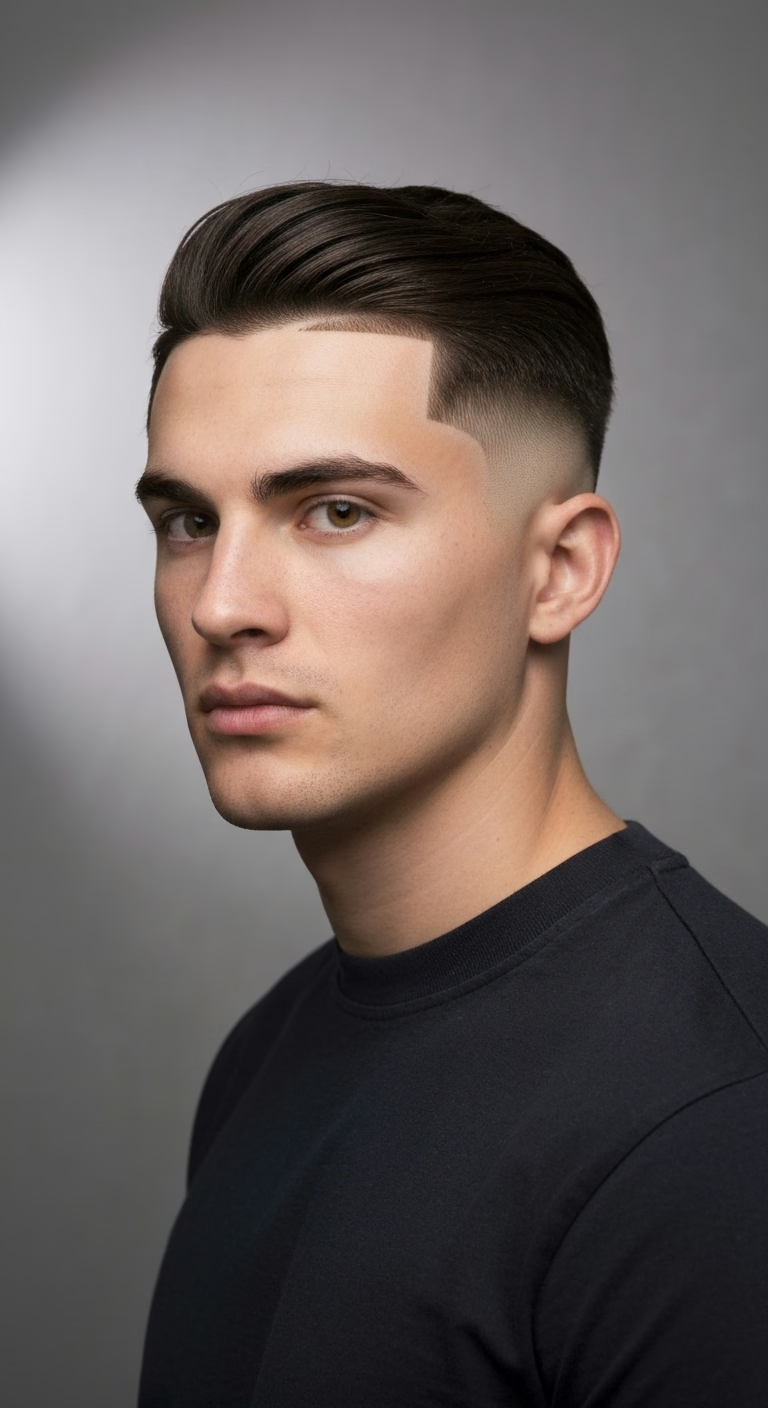
About this look — The Low Temple Fade sits low around the temples with the sides left longer — a precision detail without the commitment of a full fade.
- Best face shape
- Universally flattering; the temple detail works with every face type.
- What to tell your barber
- For a Low Temple Fade, tell the barber the three settings: where the fade line starts, how short it ends, and the top length you want kept. Agree on all three before the first pass.
- Maintenance
- 3–4 week cadence to keep the temple taper reading intentional.
- Style at home
- Rough-dry the hair with your fingers, no product yet.
- Once about 80% dry, work a matte clay through the top.
- Comb into shape and lock with a light hairspray.
Mid Temple Fade

About this look — The Mid Temple Fade wraps a tight taper around the temples while preserving the length elsewhere, reading as intentional restraint.
- Best face shape
- Any face shape — it's a detail, not the whole cut.
- What to tell your barber
- For a Mid Temple Fade, tell the barber the three settings: where the fade line starts, how short it ends, and the top length you want kept. Agree on all three before the first pass.
- Maintenance
- Medium. Every 3–4 weeks keeps the temple line crisp.
- Style at home
- Rough-dry the hair with your fingers, no product yet.
- Once about 80% dry, work a matte clay through the top.
- Comb into shape and lock with a light hairspray.
High Temple Fade

About this look — The High Temple Fade sits low around the temples with the sides left longer — a precision detail without the commitment of a full fade.
- Best face shape
- Any face shape — it's a detail, not the whole cut.
- What to tell your barber
- Book a High Temple Fade: specify the fade height (low, mid, or high), the shortest guard number at the bottom, and the exact top length in inches — decisions made before the chair moves.
- Maintenance
- 3–4 week cadence to keep the temple taper reading intentional.
- Style at home
- Towel-dry, then apply a pea of styling paste through the mid-lengths.
- Round-brush the top in the direction it should fall.
- Finish with a light mist of texture spray.
Skin Temple Fade

About this look — The Skin Temple Fade sits low around the temples with the sides left longer — a precision detail without the commitment of a full fade.
- Best face shape
- Any face — read it as a finishing touch rather than a shape decision.
- What to tell your barber
- Book a Skin Temple Fade: specify the fade height (low, mid, or high), the shortest guard number at the bottom, and the exact top length in inches — decisions made before the chair moves.
- Maintenance
- Every 3–4 weeks — the temple detail is easy to lose if the line softens.
- Style at home
- Rough-dry the hair with your fingers, no product yet.
- Once about 80% dry, work a matte clay through the top.
- Comb into shape and lock with a light hairspray.
Tapered Temple Fade

About this look — The Tapered Temple Fade keeps the fade narrow and focused at the temple line so the rest of the shape carries the visual weight.
- Best face shape
- Any face — read it as a finishing touch rather than a shape decision.
- What to tell your barber
- Ordering a Tapered Temple Fade: name the fade start (low/mid/high), the finish guard (skin, #0, or #1), and the top length in inches. Show one photo of the exact height you mean.
- Maintenance
- Medium. Every 3–4 weeks keeps the temple line crisp.
- Style at home
- Rough-dry the hair with your fingers, no product yet.
- Once about 80% dry, work a matte clay through the top.
- Comb into shape and lock with a light hairspray.
Temple Fade Modern Mullet

About this look — The Temple Fade Modern Mullet keeps the fade narrow and focused at the temple line so the rest of the shape carries the visual weight.
- Best face shape
- Any face shape — it's a detail, not the whole cut.
- What to tell your barber
- For a Temple Fade Modern Mullet, tell the barber the three settings: where the fade line starts, how short it ends, and the top length you want kept. Agree on all three before the first pass.
- Maintenance
- Medium. Every 3–4 weeks keeps the temple line crisp.
- Style at home
- Apply matte clay or paste to towel-dry hair.
- Blow-dry with a vent brush, directing the top the way it's meant to sit.
- Finish with a light mist of flexible-hold hairspray to hold the shape without a helmet look.
Textured Crop Temple Fade

About this look — The Textured Crop Temple Fade concentrates the fade at the temples only, leaving the sides and back longer for a sharp editorial detail.
- Best face shape
- Any face — read it as a finishing touch rather than a shape decision.
- What to tell your barber
- Ordering a Textured Crop Temple Fade: name the fade start (low/mid/high), the finish guard (skin, #0, or #1), and the top length in inches. Show one photo of the exact height you mean.
- Maintenance
- 3–4 week cadence to keep the temple taper reading intentional.
- Style at home
- Rough-dry the hair with your fingers, no product yet.
- Once about 80% dry, work a matte clay through the top.
- Comb into shape and lock with a light hairspray.
Temple Fade V-Cut

About this look — The Temple Fade V-Cut keeps the fade narrow and focused at the temple line so the rest of the shape carries the visual weight.
- Best face shape
- Any face shape — it's a detail, not the whole cut.
- What to tell your barber
- Ordering a Temple Fade V-Cut: name the fade start (low/mid/high), the finish guard (skin, #0, or #1), and the top length in inches. Show one photo of the exact height you mean.
- Maintenance
- Every 3–4 weeks — the temple detail is easy to lose if the line softens.
- Style at home
- Start on damp hair; work a small amount of matte clay through the top with your fingers.
- Blow-dry with a round brush, lifting from the roots.
- Set the shape with a light-hold spray.
Temple Fade Edgar

About this look — The Temple Fade Edgar sits low around the temples with the sides left longer — a precision detail without the commitment of a full fade.
- Best face shape
- Universally flattering; the temple detail works with every face type.
- What to tell your barber
- Book a Temple Fade Edgar: specify the fade height (low, mid, or high), the shortest guard number at the bottom, and the exact top length in inches — decisions made before the chair moves.
- Maintenance
- Medium. Every 3–4 weeks keeps the temple line crisp.
- Style at home
- Towel-dry, then apply a pea of styling paste through the mid-lengths.
- Round-brush the top in the direction it should fall.
- Finish with a light mist of texture spray.
Temple Fade Burst Hybrid

About this look — The Temple Fade Burst Hybrid wraps a tight taper around the temples while preserving the length elsewhere, reading as intentional restraint.
- Best face shape
- Any face shape — it's a detail, not the whole cut.
- What to tell your barber
- For a Temple Fade Burst Hybrid, tell the barber the three settings: where the fade line starts, how short it ends, and the top length you want kept. Agree on all three before the first pass.
- Maintenance
- Every 3–4 weeks — the temple detail is easy to lose if the line softens.
- Style at home
- Rough-dry the hair with your fingers, no product yet.
- Once about 80% dry, work a matte clay through the top.
- Comb into shape and lock with a light hairspray.
Temple Fade French Crop
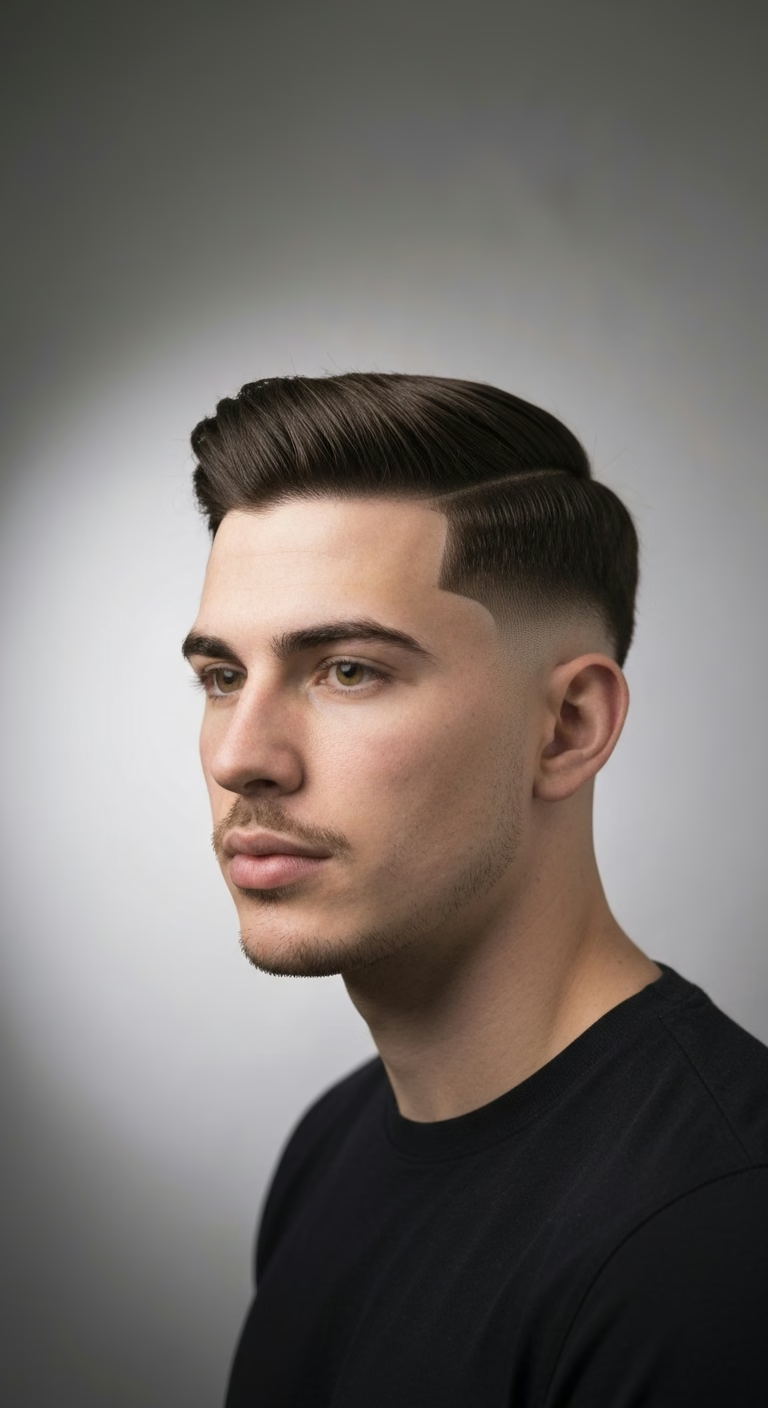
About this look — The Temple Fade French Crop concentrates the fade at the temples only, leaving the sides and back longer for a sharp editorial detail.
- Best face shape
- Universally flattering; the temple detail works with every face type.
- What to tell your barber
- For a Temple Fade French Crop, tell the barber the three settings: where the fade line starts, how short it ends, and the top length you want kept. Agree on all three before the first pass.
- Maintenance
- Every 3–4 weeks — the temple detail is easy to lose if the line softens.
- Style at home
- Apply a heat protectant to damp hair.
- Blow-dry the top up and slightly back with a round brush.
- Set the shape with a light-hold spray.
Curly Top Temple Fade

About this look — The Curly Top Temple Fade sits low around the temples with the sides left longer — a precision detail without the commitment of a full fade.
- Best face shape
- Any face shape — it's a detail, not the whole cut.
- What to tell your barber
- Ordering a Curly Top Temple Fade: name the fade start (low/mid/high), the finish guard (skin, #0, or #1), and the top length in inches. Show one photo of the exact height you mean.
- Maintenance
- 3–4 week cadence to keep the temple taper reading intentional.
- Style at home
- Rough-dry the hair with your fingers, no product yet.
- Once about 80% dry, work a matte clay through the top.
- Comb into shape and lock with a light hairspray.
Coily/4C Temple Fade
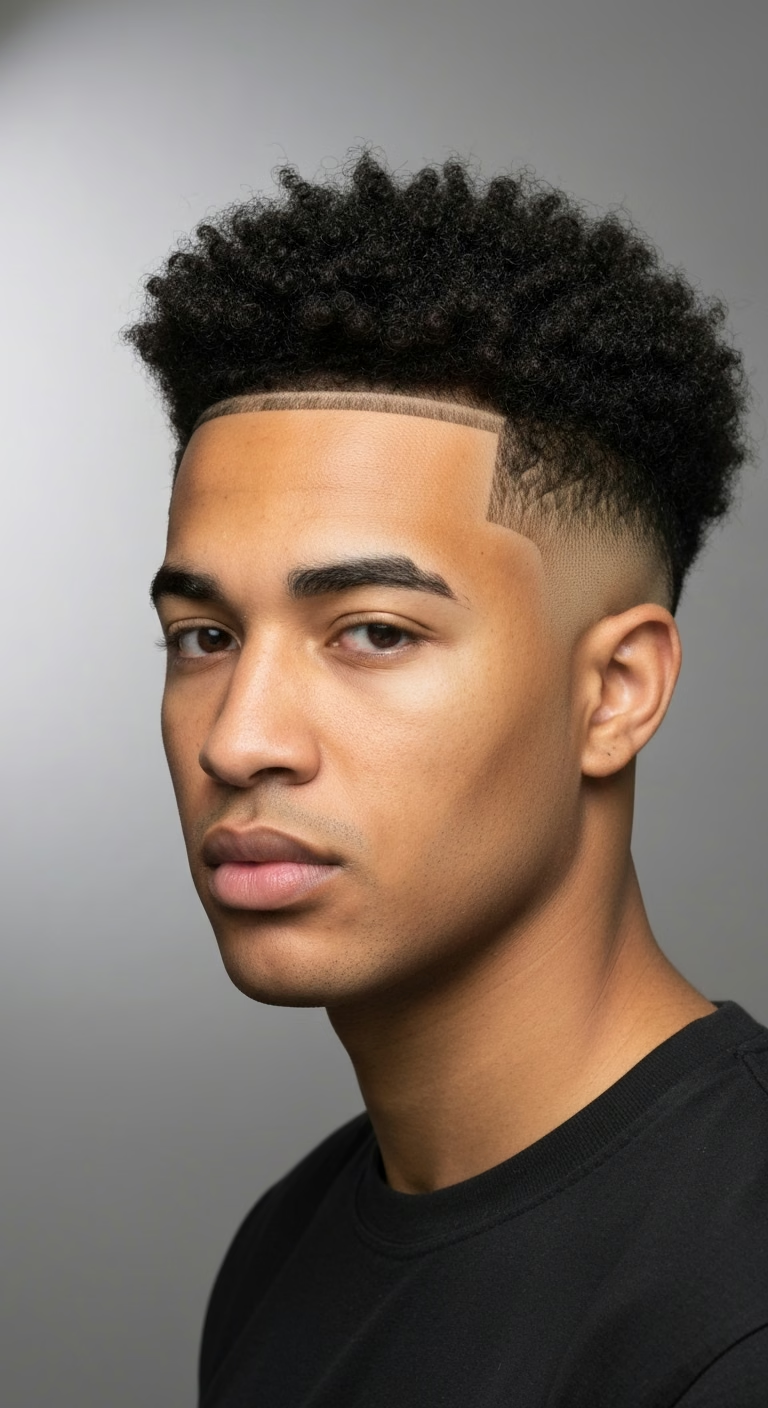
About this look — The Coily/4C Temple Fade wraps a tight taper around the temples while preserving the length elsewhere, reading as intentional restraint.
- Best face shape
- Any face shape — it's a detail, not the whole cut.
- What to tell your barber
- Book a Coily/4C Temple Fade: specify the fade height (low, mid, or high), the shortest guard number at the bottom, and the exact top length in inches — decisions made before the chair moves.
- Maintenance
- Medium. Every 3–4 weeks keeps the temple line crisp.
- Style at home
- Start on damp hair; work a small amount of matte clay through the top with your fingers.
- Blow-dry with a round brush, lifting from the roots.
- Set the shape with a light-hold spray.
Wavy Hair Temple Fade

About this look — The Wavy Hair Temple Fade wraps a tight taper around the temples while preserving the length elsewhere, reading as intentional restraint.
- Best face shape
- Any face shape — it's a detail, not the whole cut.
- What to tell your barber
- Ask for a Wavy Hair Temple Fade: point to where you want the fade line to sit (low / mid / high), specify how short the lowest point should go (shortest guard or skin), and confirm the top length before the clippers touch the sides.
- Maintenance
- Every 3–4 weeks — the temple detail is easy to lose if the line softens.
- Style at home
- Rough-dry the hair with your fingers, no product yet.
- Once about 80% dry, work a matte clay through the top.
- Comb into shape and lock with a light hairspray.
Straight Hair Temple Fade
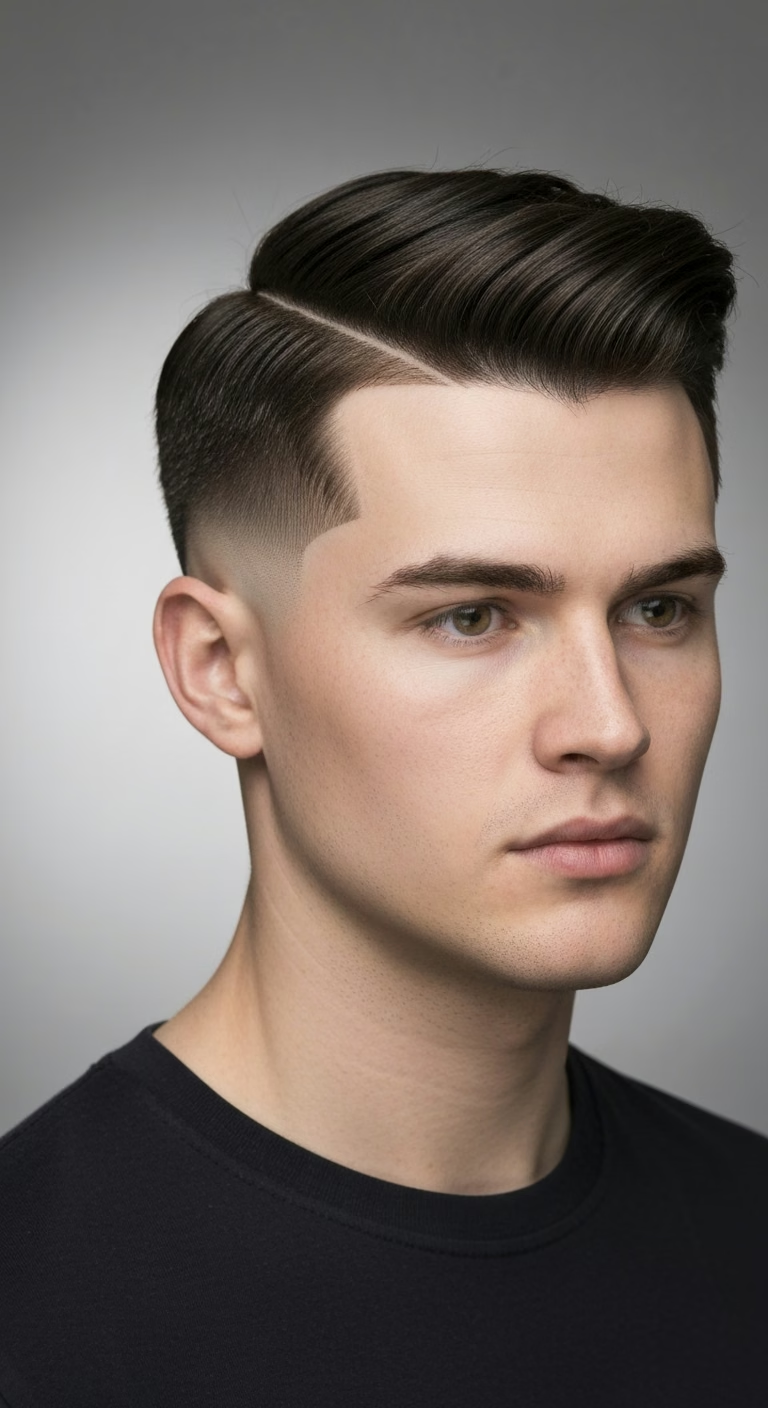
About this look — The Straight Hair Temple Fade sits low around the temples with the sides left longer — a precision detail without the commitment of a full fade.
- Best face shape
- Any face shape — it's a detail, not the whole cut.
- What to tell your barber
- Ask for a Straight Hair Temple Fade with clear specs: fade start height (measured against the ear), lowest guard size, and top length preserved in inches.
- Maintenance
- Medium. Every 3–4 weeks keeps the temple line crisp.
- Style at home
- Start on damp hair; work a small amount of matte clay through the top with your fingers.
- Blow-dry with a round brush, lifting from the roots.
- Set the shape with a light-hold spray.
Temple Fade with Thick Hair

About this look — The Temple Fade with Thick Hair wraps a tight taper around the temples while preserving the length elsewhere, reading as intentional restraint.
- Best face shape
- Any face shape — it's a detail, not the whole cut.
- What to tell your barber
- Ordering a Temple Fade with Thick Hair: name the fade start (low/mid/high), the finish guard (skin, #0, or #1), and the top length in inches. Show one photo of the exact height you mean.
- Maintenance
- Medium. Every 3–4 weeks keeps the temple line crisp.
- Style at home
- Apply matte clay or paste to towel-dry hair.
- Blow-dry with a vent brush, directing the top the way it's meant to sit.
- Finish with a light mist of flexible-hold hairspray to hold the shape without a helmet look.
Temple Fade Afro
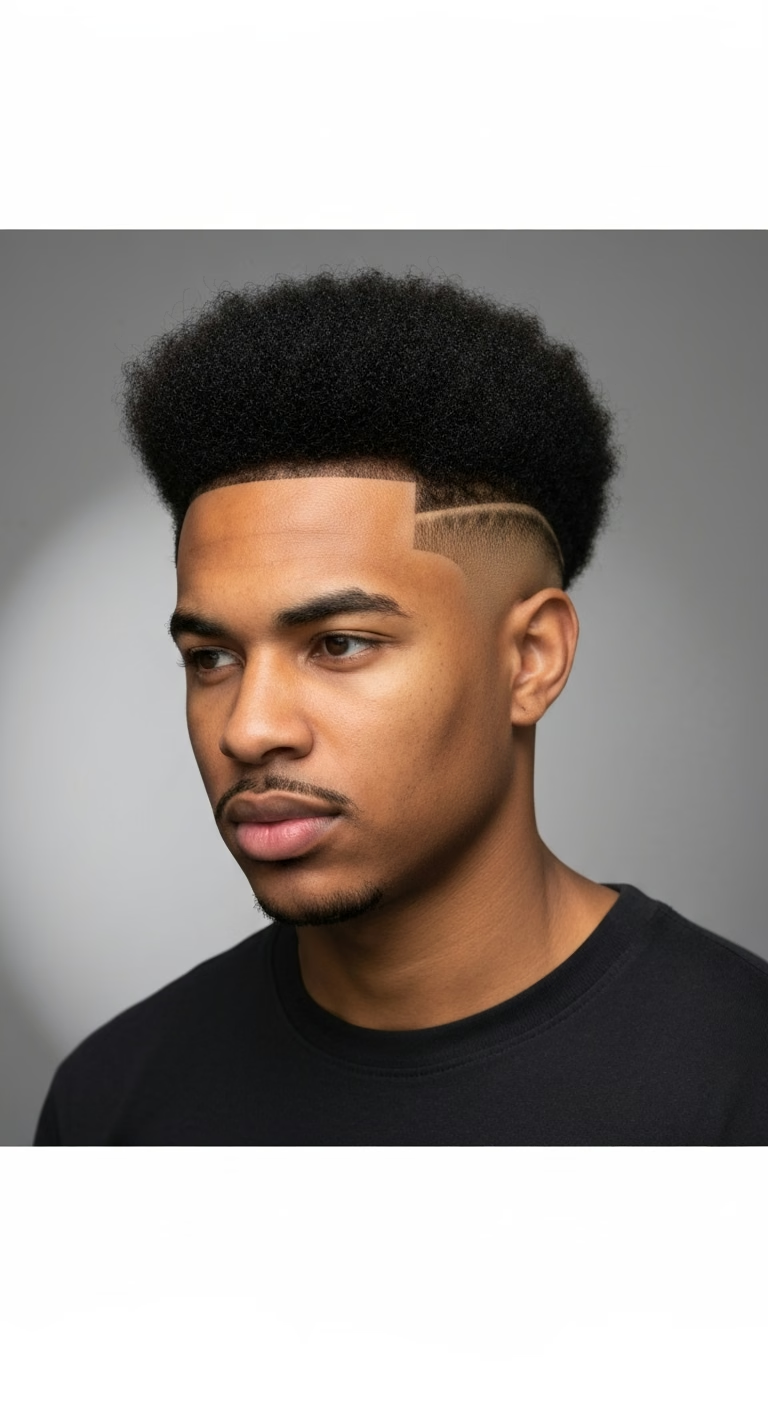
About this look — The Temple Fade Afro keeps the fade narrow and focused at the temple line so the rest of the shape carries the visual weight.
- Best face shape
- Any face — read it as a finishing touch rather than a shape decision.
- What to tell your barber
- Ask for a Temple Fade Afro with clear specs: fade start height (measured against the ear), lowest guard size, and top length preserved in inches.
- Maintenance
- Every 3–4 weeks — the temple detail is easy to lose if the line softens.
- Style at home
- Apply a heat protectant to damp hair.
- Blow-dry the top up and slightly back with a round brush.
- Set the shape with a light-hold spray.
Temple Fade Quiff

About this look — The Temple Fade Quiff isolates the fade to the temple area — a modern, editorial finish rather than a full-perimeter cut.
- Best face shape
- Universally flattering; the temple detail works with every face type.
- What to tell your barber
- Ask for a Temple Fade Quiff: point to where you want the fade line to sit (low / mid / high), specify how short the lowest point should go (shortest guard or skin), and confirm the top length before the clippers touch the sides.
- Maintenance
- 3–4 week cadence to keep the temple taper reading intentional.
- Style at home
- Towel-dry, then apply a pea of styling paste through the mid-lengths.
- Round-brush the top in the direction it should fall.
- Finish with a light mist of texture spray.
Temple Fade Side Part

About this look — The Temple Fade Side Part keeps the fade narrow and focused at the temple line so the rest of the shape carries the visual weight.
- Best face shape
- Universally flattering; the temple detail works with every face type.
- What to tell your barber
- Ask for a Temple Fade Side Part with clear specs: fade start height (measured against the ear), lowest guard size, and top length preserved in inches.
- Maintenance
- Medium. Every 3–4 weeks keeps the temple line crisp.
- Style at home
- Rough-dry the hair with your fingers, no product yet.
- Once about 80% dry, work a matte clay through the top.
- Comb into shape and lock with a light hairspray.
Temple Fade Slick Back

About this look — The Temple Fade Slick Back concentrates the fade at the temples only, leaving the sides and back longer for a sharp editorial detail.
- Best face shape
- Universally flattering; the temple detail works with every face type.
- What to tell your barber
- Ask for a Temple Fade Slick Back with clear specs: fade start height (measured against the ear), lowest guard size, and top length preserved in inches.
- Maintenance
- 3–4 week cadence to keep the temple taper reading intentional.
- Style at home
- Start on damp hair; work a small amount of matte clay through the top with your fingers.
- Blow-dry with a round brush, lifting from the roots.
- Set the shape with a light-hold spray.
Temple Fade Middle Part (Curtains)
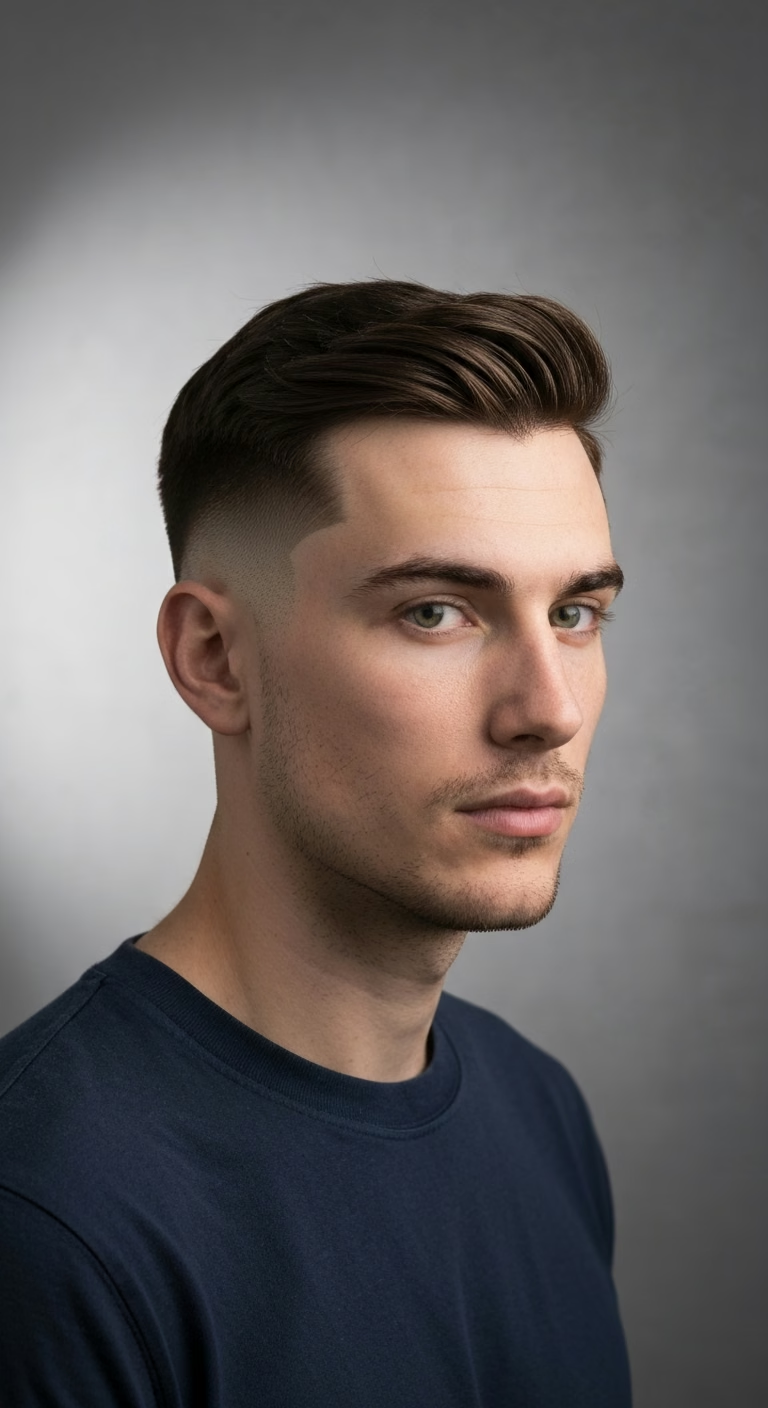
About this look — The Temple Fade Middle Part (Curtains) wraps a tight taper around the temples while preserving the length elsewhere, reading as intentional restraint.
- Best face shape
- Universally flattering; the temple detail works with every face type.
- What to tell your barber
- For a Temple Fade Middle Part (Curtains), tell the barber the three settings: where the fade line starts, how short it ends, and the top length you want kept. Agree on all three before the first pass.
- Maintenance
- Medium. Every 3–4 weeks keeps the temple line crisp.
- Style at home
- Apply matte clay or paste to towel-dry hair.
- Blow-dry with a vent brush, directing the top the way it's meant to sit.
- Finish with a light mist of flexible-hold hairspray to hold the shape without a helmet look.
Temple Fade Buzz Cut
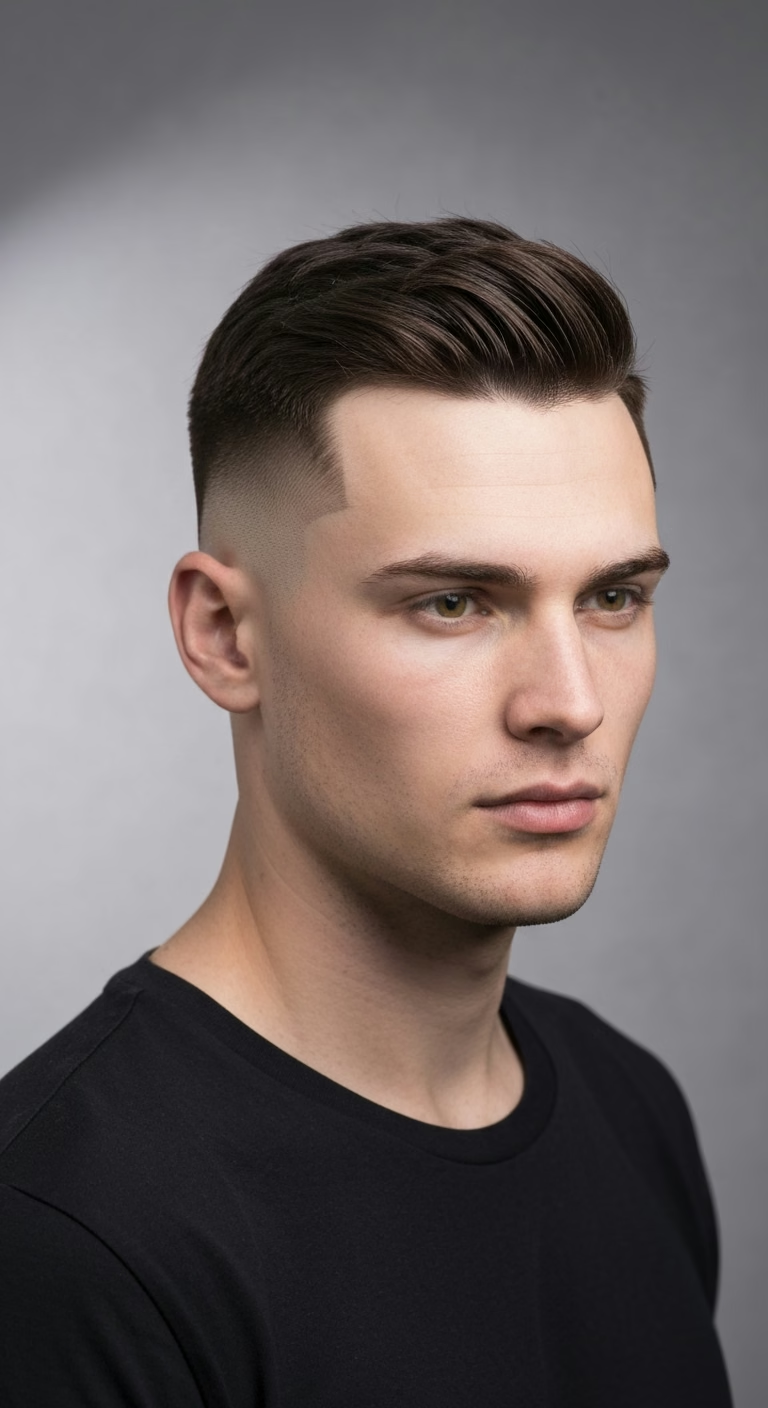
About this look — The Temple Fade Buzz Cut keeps the fade narrow and focused at the temple line so the rest of the shape carries the visual weight.
- Best face shape
- Any face shape — it's a detail, not the whole cut.
- What to tell your barber
- Ordering a Temple Fade Buzz Cut: name the fade start (low/mid/high), the finish guard (skin, #0, or #1), and the top length in inches. Show one photo of the exact height you mean.
- Maintenance
- 3–4 week cadence to keep the temple taper reading intentional.
- Style at home
- Apply a heat protectant to damp hair.
- Blow-dry the top up and slightly back with a round brush.
- Set the shape with a light-hold spray.
Temple Fade Crew Cut

About this look — The Temple Fade Crew Cut concentrates the fade at the temples only, leaving the sides and back longer for a sharp editorial detail.
- Best face shape
- Any face — read it as a finishing touch rather than a shape decision.
- What to tell your barber
- Ask for a Temple Fade Crew Cut: point to where you want the fade line to sit (low / mid / high), specify how short the lowest point should go (shortest guard or skin), and confirm the top length before the clippers touch the sides.
- Maintenance
- 3–4 week cadence to keep the temple taper reading intentional.
- Style at home
- Rough-dry the hair with your fingers, no product yet.
- Once about 80% dry, work a matte clay through the top.
- Comb into shape and lock with a light hairspray.
Short Fringe Temple Fade
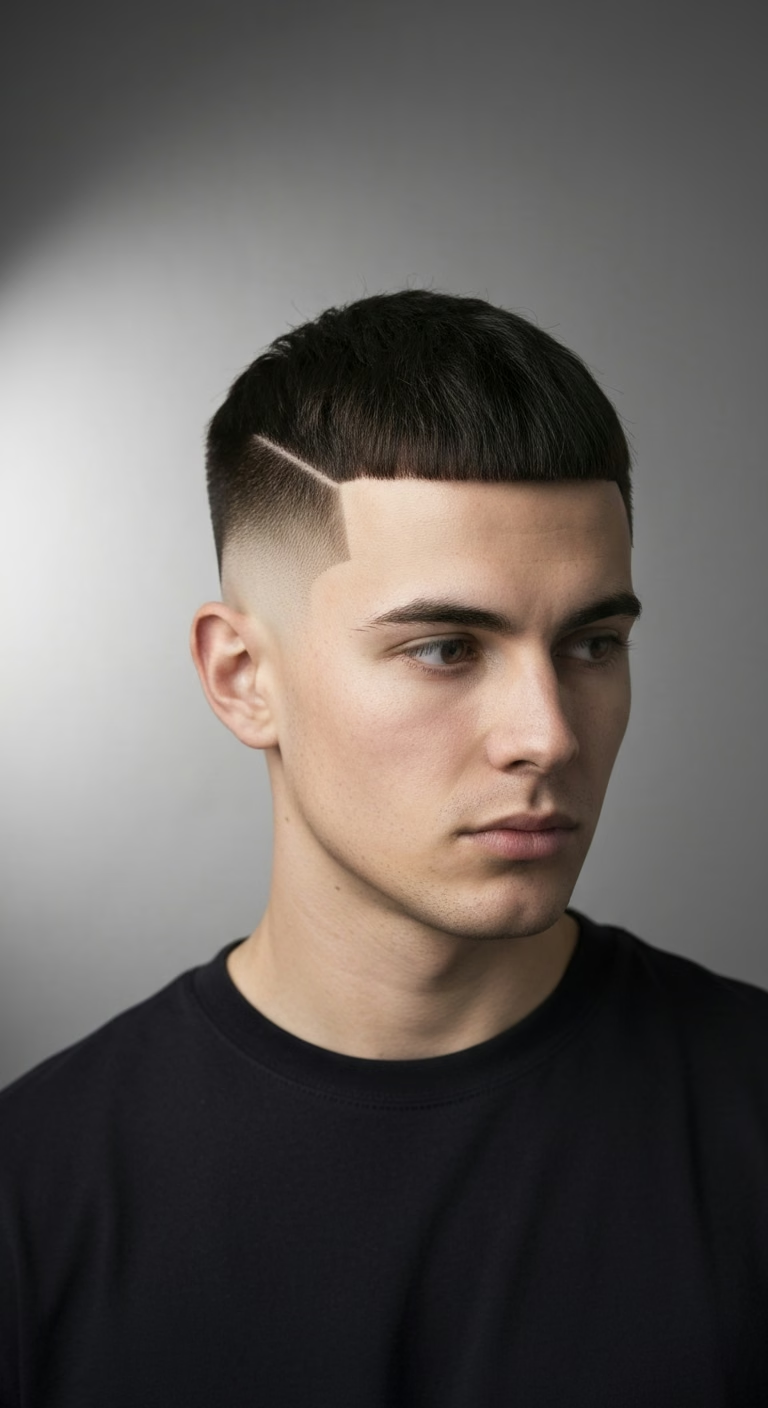
About this look — The Short Fringe Temple Fade isolates the fade to the temple area — a modern, editorial finish rather than a full-perimeter cut.
- Best face shape
- Universally flattering; the temple detail works with every face type.
- What to tell your barber
- Ask for a Short Fringe Temple Fade with clear specs: fade start height (measured against the ear), lowest guard size, and top length preserved in inches.
- Maintenance
- 3–4 week cadence to keep the temple taper reading intentional.
- Style at home
- Towel-dry, then apply a pea of styling paste through the mid-lengths.
- Round-brush the top in the direction it should fall.
- Finish with a light mist of texture spray.
Flat Top Temple Fade

About this look — The Flat Top Temple Fade concentrates the fade at the temples only, leaving the sides and back longer for a sharp editorial detail.
- Best face shape
- Any face — read it as a finishing touch rather than a shape decision.
- What to tell your barber
- For a Flat Top Temple Fade, tell the barber the three settings: where the fade line starts, how short it ends, and the top length you want kept. Agree on all three before the first pass.
- Maintenance
- Medium. Every 3–4 weeks keeps the temple line crisp.
- Style at home
- Apply matte clay or paste to towel-dry hair.
- Blow-dry with a vent brush, directing the top the way it's meant to sit.
- Finish with a light mist of flexible-hold hairspray to hold the shape without a helmet look.
Temple Fade with Hard Part

About this look — The Temple Fade with Hard Part keeps the fade narrow and focused at the temple line so the rest of the shape carries the visual weight.
- Best face shape
- Universally flattering; the temple detail works with every face type.
- What to tell your barber
- Ask for a Temple Fade with Hard Part: point to where you want the fade line to sit (low / mid / high), specify how short the lowest point should go (shortest guard or skin), and confirm the top length before the clippers touch the sides.
- Maintenance
- Every 3–4 weeks — the temple detail is easy to lose if the line softens.
- Style at home
- Rough-dry the hair with your fingers, no product yet.
- Once about 80% dry, work a matte clay through the top.
- Comb into shape and lock with a light hairspray.
Temple Fade with Line-Up

About this look — The Temple Fade with Line-Up sits low around the temples with the sides left longer — a precision detail without the commitment of a full fade.
- Best face shape
- Any face — read it as a finishing touch rather than a shape decision.
- What to tell your barber
- Ask for a Temple Fade with Line-Up with clear specs: fade start height (measured against the ear), lowest guard size, and top length preserved in inches.
- Maintenance
- 3–4 week cadence to keep the temple taper reading intentional.
- Style at home
- Rough-dry the hair with your fingers, no product yet.
- Once about 80% dry, work a matte clay through the top.
- Comb into shape and lock with a light hairspray.
Temple Fade with Bleached Tips

About this look — The Temple Fade with Bleached Tips sits low around the temples with the sides left longer — a precision detail without the commitment of a full fade.
- Best face shape
- Any face — read it as a finishing touch rather than a shape decision.
- What to tell your barber
- For a Temple Fade with Bleached Tips, tell the barber the three settings: where the fade line starts, how short it ends, and the top length you want kept. Agree on all three before the first pass.
- Maintenance
- 3–4 week cadence to keep the temple taper reading intentional.
- Style at home
- Rough-dry the hair with your fingers, no product yet.
- Once about 80% dry, work a matte clay through the top.
- Comb into shape and lock with a light hairspray.
Temple Fade with Hair Design

About this look — The Temple Fade with Hair Design sits low around the temples with the sides left longer — a precision detail without the commitment of a full fade.
- Best face shape
- Any face — read it as a finishing touch rather than a shape decision.
- What to tell your barber
- For a Temple Fade with Hair Design, tell the barber the three settings: where the fade line starts, how short it ends, and the top length you want kept. Agree on all three before the first pass.
- Maintenance
- 3–4 week cadence to keep the temple taper reading intentional.
- Style at home
- Apply matte clay or paste to towel-dry hair.
- Blow-dry with a vent brush, directing the top the way it's meant to sit.
- Finish with a light mist of flexible-hold hairspray to hold the shape without a helmet look.
Temple Fade with Beard Link
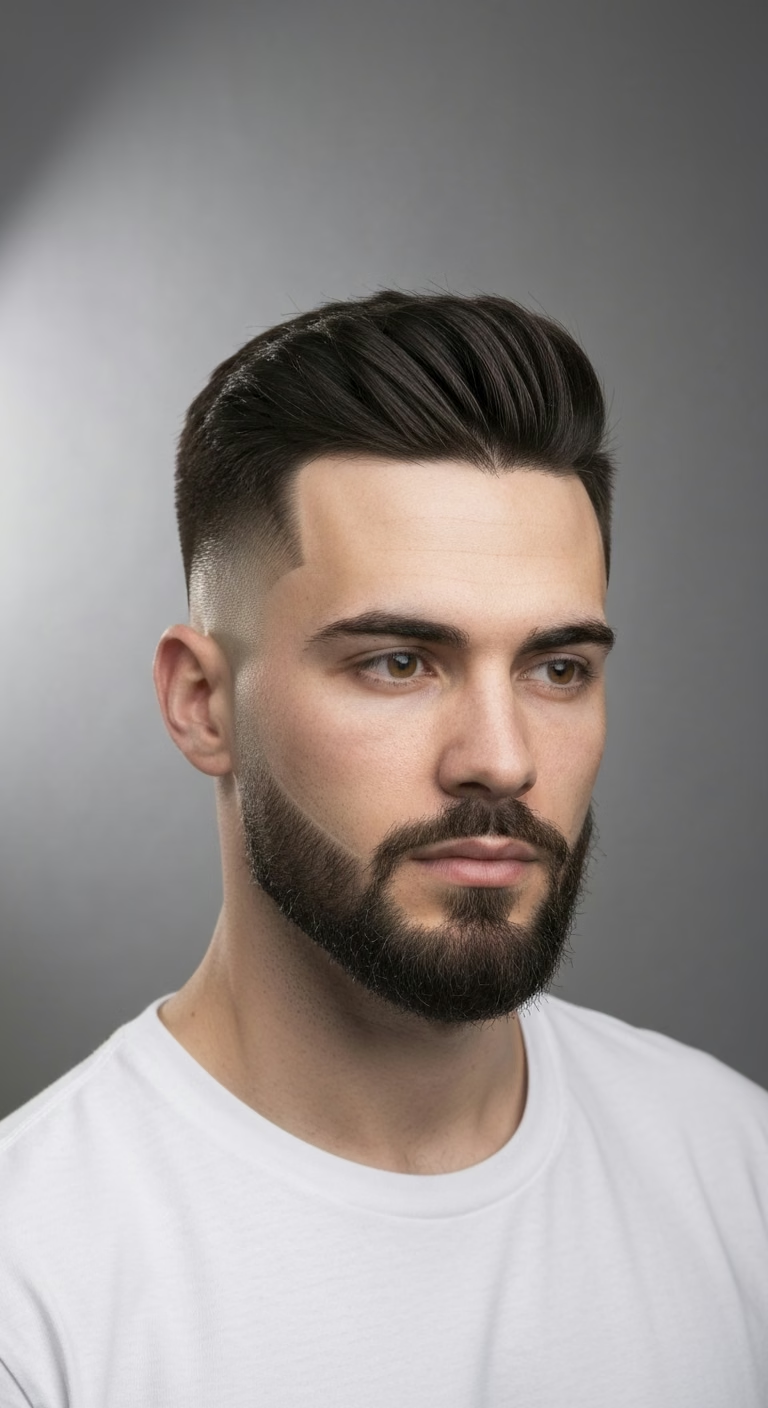
About this look — The Temple Fade with Beard Link sits low around the temples with the sides left longer — a precision detail without the commitment of a full fade.
- Best face shape
- Any face shape — it's a detail, not the whole cut.
- What to tell your barber
- For a Temple Fade with Beard Link, tell the barber the three settings: where the fade line starts, how short it ends, and the top length you want kept. Agree on all three before the first pass.
- Maintenance
- 3–4 week cadence to keep the temple taper reading intentional.
- Style at home
- Rough-dry the hair with your fingers, no product yet.
- Once about 80% dry, work a matte clay through the top.
- Comb into shape and lock with a light hairspray.
Disconnected Temple Fade
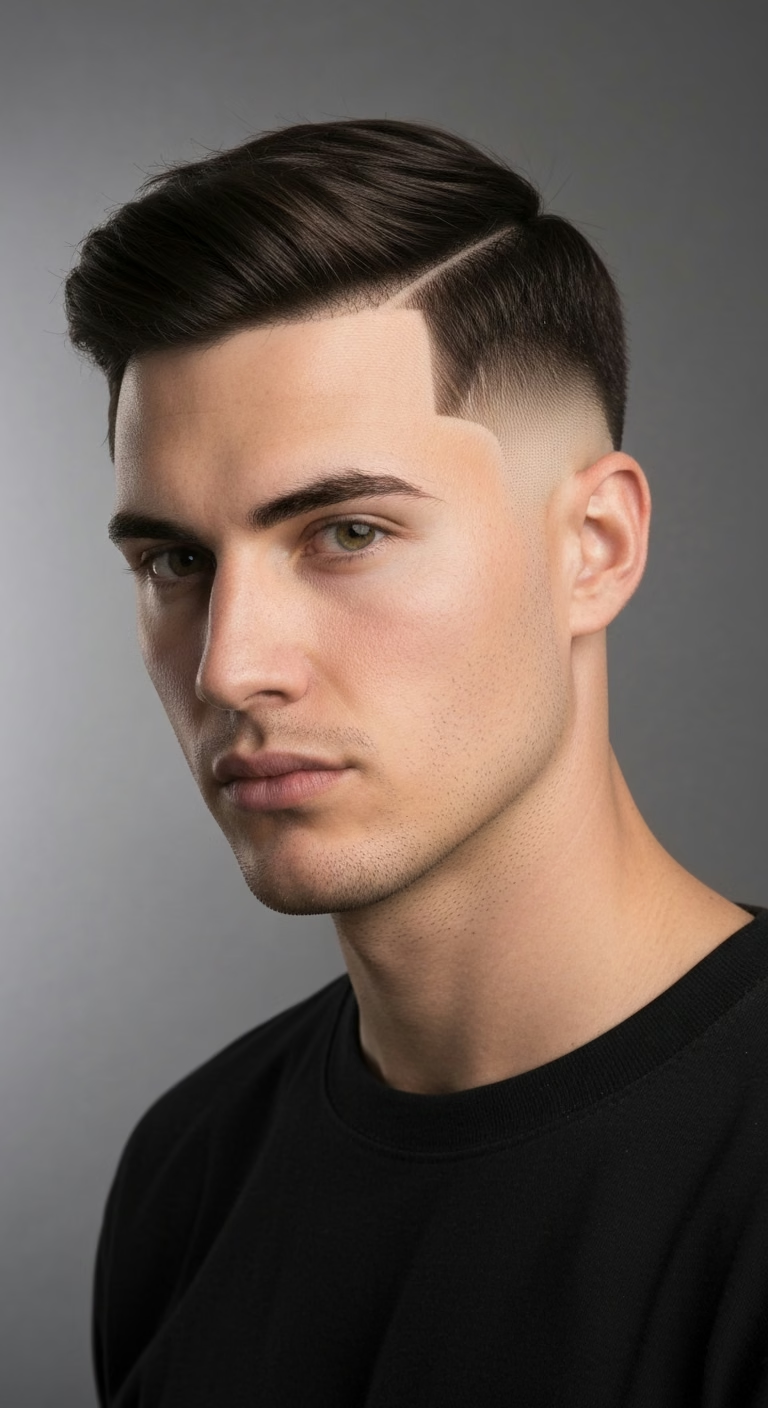
About this look — The Disconnected Temple Fade keeps the fade narrow and focused at the temple line so the rest of the shape carries the visual weight.
- Best face shape
- Any face — read it as a finishing touch rather than a shape decision.
- What to tell your barber
- Ask for a Disconnected Temple Fade: point to where you want the fade line to sit (low / mid / high), specify how short the lowest point should go (shortest guard or skin), and confirm the top length before the clippers touch the sides.
- Maintenance
- Every 3–4 weeks — the temple detail is easy to lose if the line softens.
- Style at home
- Rough-dry the hair with your fingers, no product yet.
- Once about 80% dry, work a matte clay through the top.
- Comb into shape and lock with a light hairspray.
Low Temple Fade + Full Beard
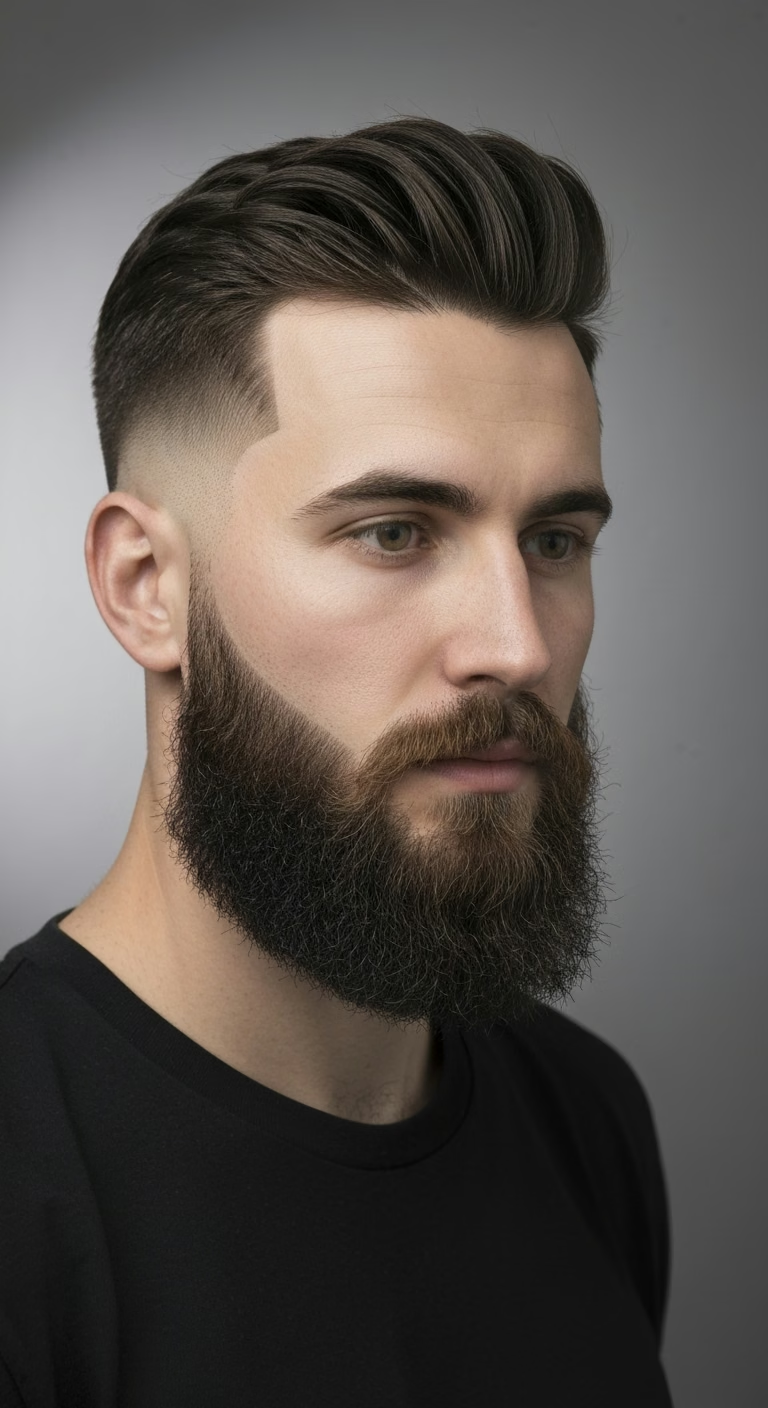
About this look — The Low Temple Fade + Full Beard sits low around the temples with the sides left longer — a precision detail without the commitment of a full fade.
- Best face shape
- Any face shape — it's a detail, not the whole cut.
- What to tell your barber
- Ask for a Low Temple Fade + Full Beard: point to where you want the fade line to sit (low / mid / high), specify how short the lowest point should go (shortest guard or skin), and confirm the top length before the clippers touch the sides.
- Maintenance
- Every 3–4 weeks — the temple detail is easy to lose if the line softens.
- Style at home
- Start on damp hair; work a small amount of matte clay through the top with your fingers.
- Blow-dry with a round brush, lifting from the roots.
- Set the shape with a light-hold spray.
Temple Fade with Goatee
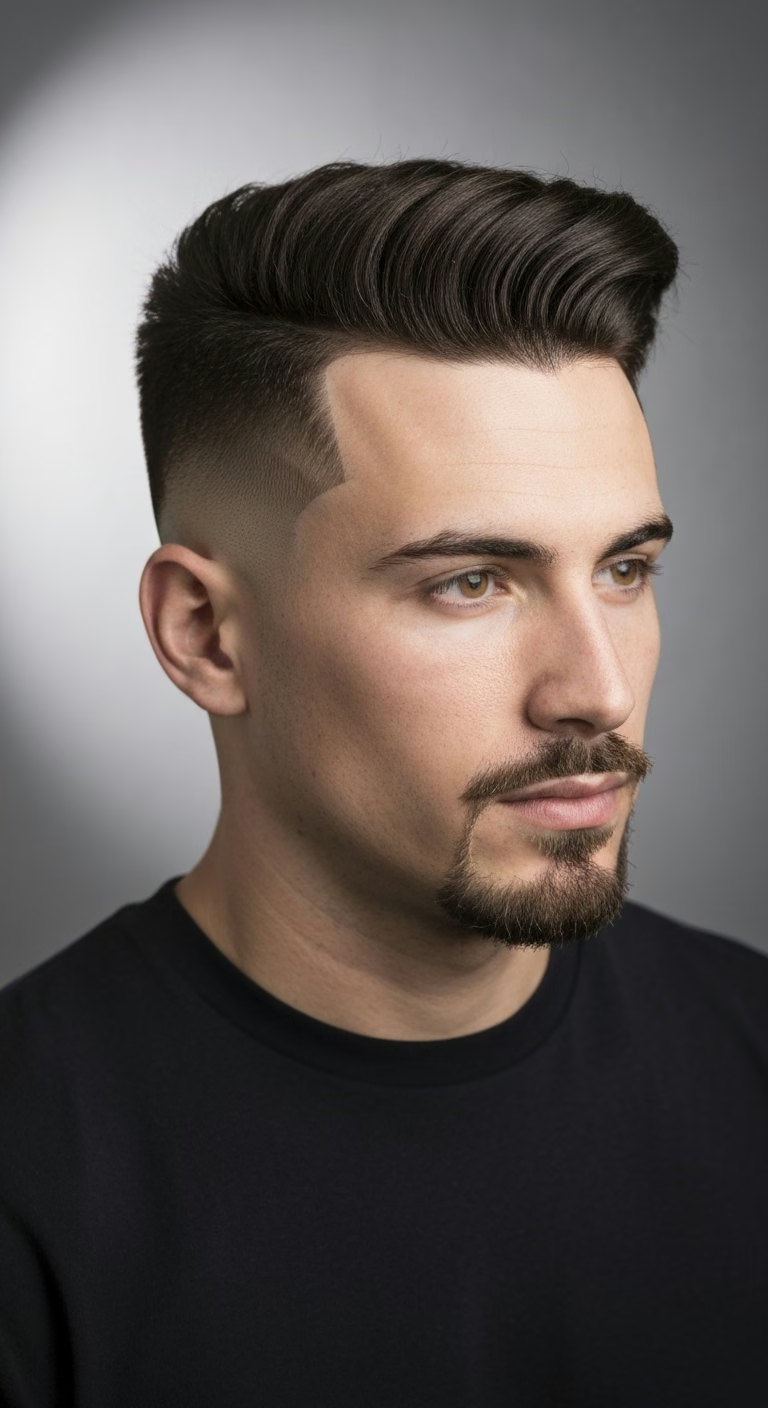
About this look — The Temple Fade with Goatee keeps the fade narrow and focused at the temple line so the rest of the shape carries the visual weight.
- Best face shape
- Universally flattering; the temple detail works with every face type.
- What to tell your barber
- For a Temple Fade with Goatee, tell the barber the three settings: where the fade line starts, how short it ends, and the top length you want kept. Agree on all three before the first pass.
- Maintenance
- Medium. Every 3–4 weeks keeps the temple line crisp.
- Style at home
- Start on damp hair; work a small amount of matte clay through the top with your fingers.
- Blow-dry with a round brush, lifting from the roots.
- Set the shape with a light-hold spray.
Burst Fade Haircuts for Men 2026
More Expert Guides
Browse All Hairstyle Categories
All by Jessica Haircuts by Length