How to Choose the Right Braids for You
A braids suits almost anyone, but the variation makes the difference. Here is how I pick the right one in the chair.
By face shape
- Round face: Vertical movement matters — keep the top a little taller or layered to elongate the face.
- Oval face: Almost any variation works on you. Pick by hair type and the time you can spend styling.
- Square face: Soften the jaw with face-framing layers or a wispy fringe; avoid hard one-length edges.
- Heart face: Add width at the chin — chin-length lobs and side-swept fringes balance a wider forehead.
- Long face: Keep the silhouette wider than it is tall — fuller sides, less height, ear-to-chin layering.
By hair type
- Fine or thin hair: Texture is your friend. Ask for point-cut layering and air-dry with a volumizing mousse.
- Thick or coarse: Get internal layering to remove weight, otherwise the braids reads heavy by day three.
- Curly or coily (3A–4C): Cut dry on a defined curl — wet hair stretches and you will lose 20% of the silhouette when it dries.
- Straight or wavy: Most variations work cleanly. Pick by face shape and lifestyle, not behavior.
- Fine + oily scalp: Wash with a clarifying shampoo every third wash; use cool-water rinses to keep the cuticle flat.
By lifestyle
- Low maintenance: Pick the longest version of the braids you can — it forgives 6–8 weeks between visits.
- Office / corporate: Smooth blow-dry, light styling product, neutralized volume.
- Gym + everyday: Air-dry friendly variations; use a leave-in and a satin pillowcase to protect the shape.
- Event / photo day: Pin out the braids into a half-up or fastened look — keeps it photogenic for hours.
Mixed Halo Braids
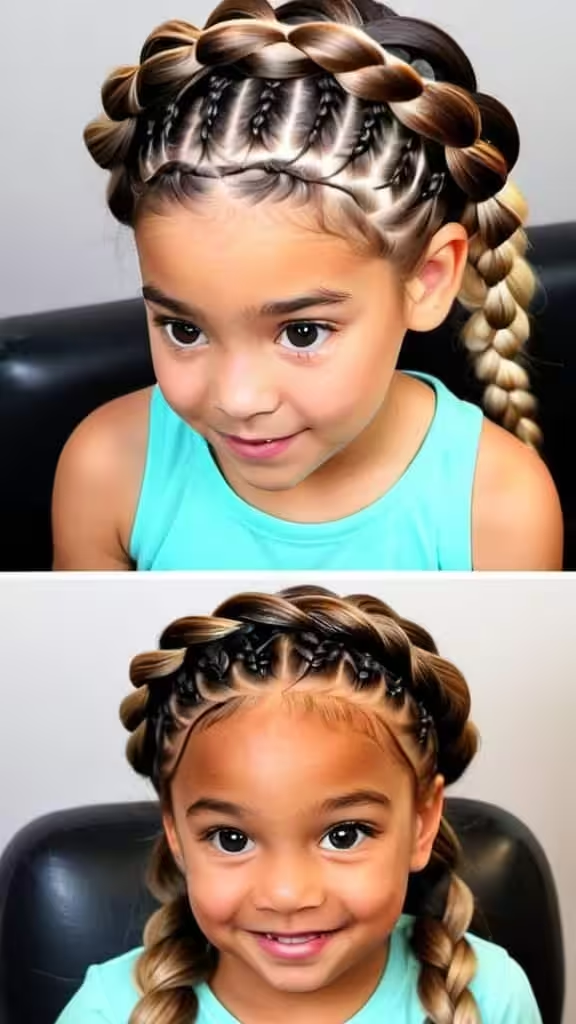
About this look — The Mixed Halo Braids sections the hair into plaits — the pattern depends on the braid style (three-strand, French, Dutch, cornrow).
- Best face shape
- Universally flattering — braids follow the head, not the face.
- What to tell your barber
- Book a braid specialist and specify the pattern (box, knotless, feed-in, or cornrow) and end method (sealed with hot water or hair-tucked).
- Maintenance
- 4–8 week install cycle; a satin bonnet or pillowcase overnight extends the life.
- Style at home
- Apply a leave-in conditioner to damp hair.
- Section evenly and braid.
- Seal ends with a small hair tie or clip.
Knotted Braid
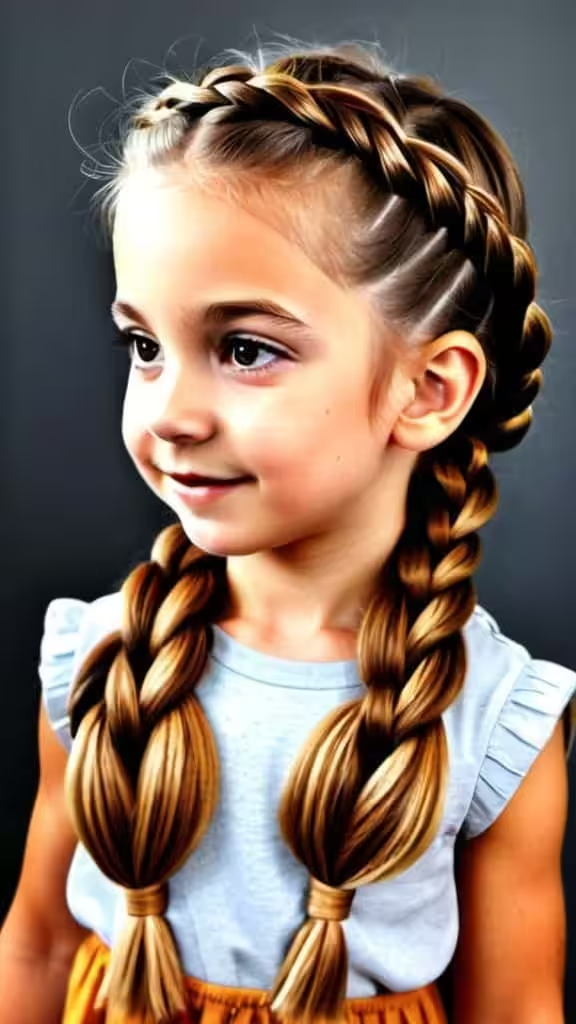
About this look — The Knotted Braid weaves the length into plaits — the tension of each pass determines how long the braid holds.
- Best face shape
- Universally flattering — braids follow the head, not the face.
- What to tell your barber
- For protective work, ask for the specific braid technique and how you want the ends finished — rubber-banded, sealed, or tucked.
- Maintenance
- Refresh every 4–8 weeks depending on braid type; nightly satin scarf.
- Style at home
- Apply a leave-in conditioner to damp hair.
- Section evenly and braid.
- Seal ends with a small hair tie or clip.
Ribbon Braid
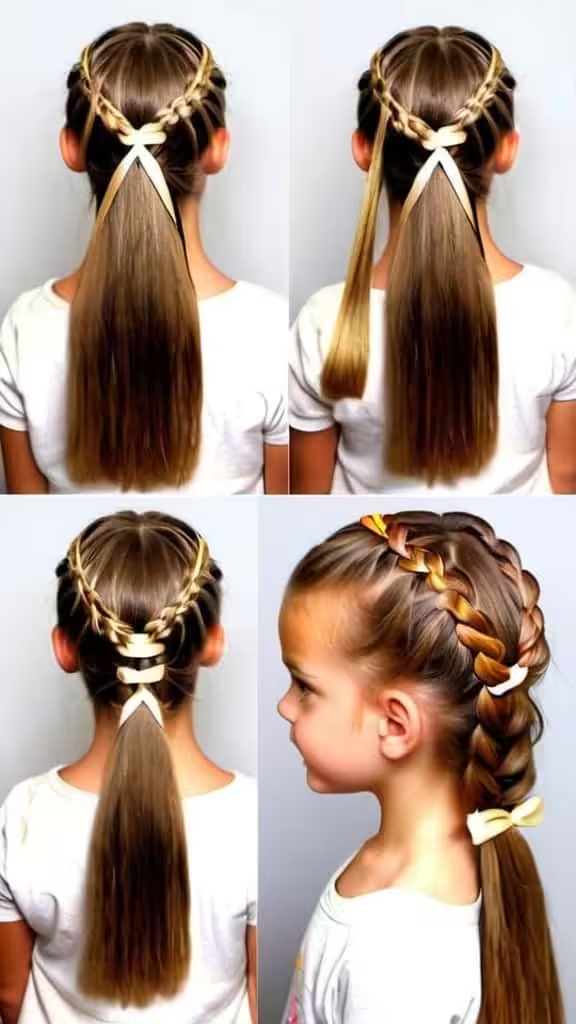
About this look — The Ribbon Braid plaits the hair according to the chosen pattern (three-strand, French, Dutch, cornrow) with consistent tension.
- Best face shape
- Universally flattering — braids follow the head, not the face.
- What to tell your barber
- Book a braid specialist and specify the pattern (box, knotless, feed-in, or cornrow) and end method (sealed with hot water or hair-tucked).
- Maintenance
- Every 4–8 weeks between installs. Nightly satin scarf preserves the pattern.
- Style at home
- Apply a leave-in conditioner to damp hair.
- Section evenly and braid.
- Seal ends with a small hair tie or clip.
Romantic Waterfall Braid
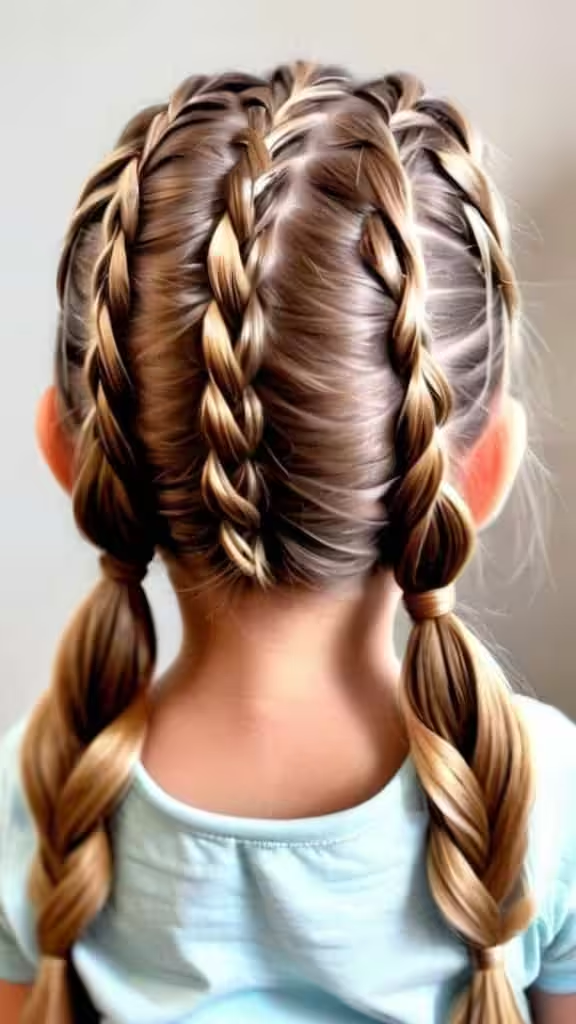
About this look — The Romantic Waterfall Braid divides the hair into rows or sections and interlaces them into the chosen braid pattern.
- Best face shape
- Any — braids are a style choice, not a face-shape decision.
- What to tell your barber
- Book a braid specialist and specify the pattern (box, knotless, feed-in, or cornrow) and end method (sealed with hot water or hair-tucked).
- Maintenance
- Every 4–8 weeks between installs. Nightly satin scarf preserves the pattern.
- Style at home
- Apply a leave-in conditioner to damp hair.
- Section evenly and braid.
- Seal ends with a small hair tie or clip.
Short Box Braids for Natural Hair
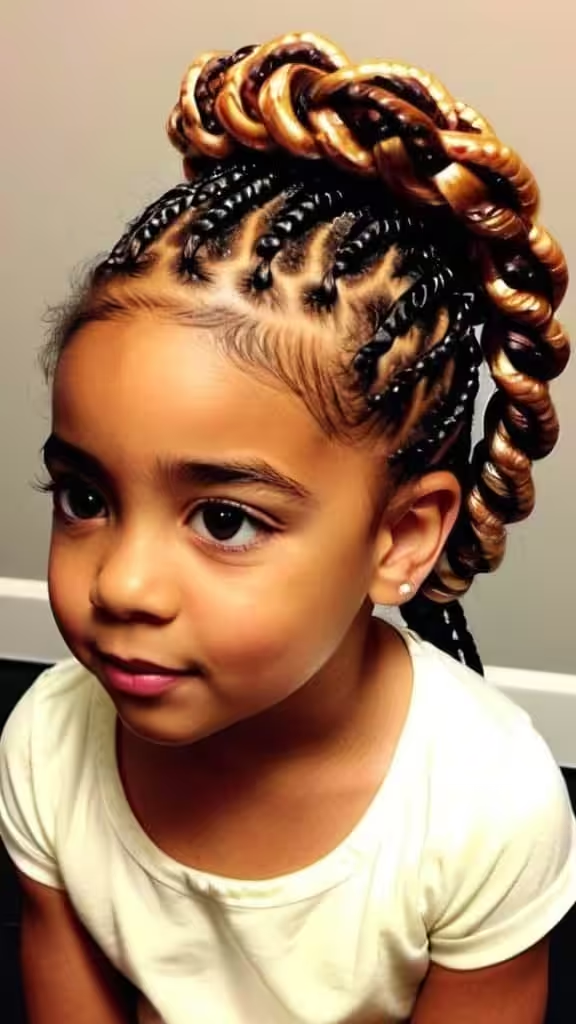
About this look — The Short Box Braids for Natural Hair weaves the length into plaits — the tension of each pass determines how long the braid holds.
- Best face shape
- Any face; braids sit against the scalp regardless of shape.
- What to tell your barber
- For protective work, ask for the specific braid technique and how you want the ends finished — rubber-banded, sealed, or tucked.
- Maintenance
- Refresh every 4–8 weeks depending on braid type; nightly satin scarf.
- Style at home
- Detangle wet hair with a wide-tooth comb.
- Section using a rat-tail comb, keeping the parts clean.
- Braid to the ends and secure.
Cool and Crazy Braid
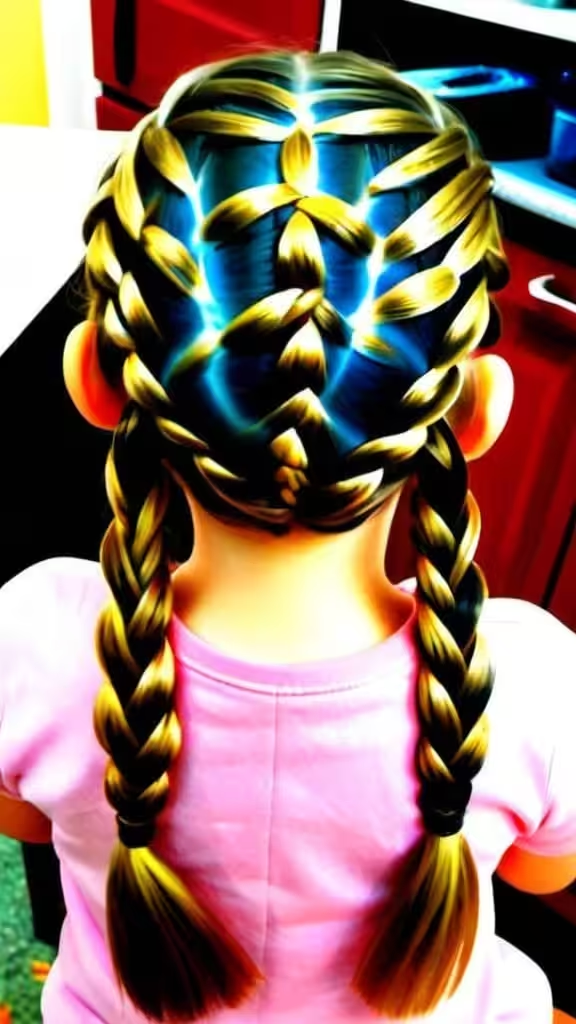
About this look — The Cool and Crazy Braid divides the hair into rows or sections and interlaces them into the chosen braid pattern.
- Best face shape
- Universally flattering — braids follow the head, not the face.
- What to tell your barber
- For protective work, ask for the specific braid technique and how you want the ends finished — rubber-banded, sealed, or tucked.
- Maintenance
- Every 4–8 weeks between installs. Nightly satin scarf preserves the pattern.
- Style at home
- Apply a leave-in conditioner to damp hair.
- Section evenly and braid.
- Seal ends with a small hair tie or clip.
Two Braids Around the Head
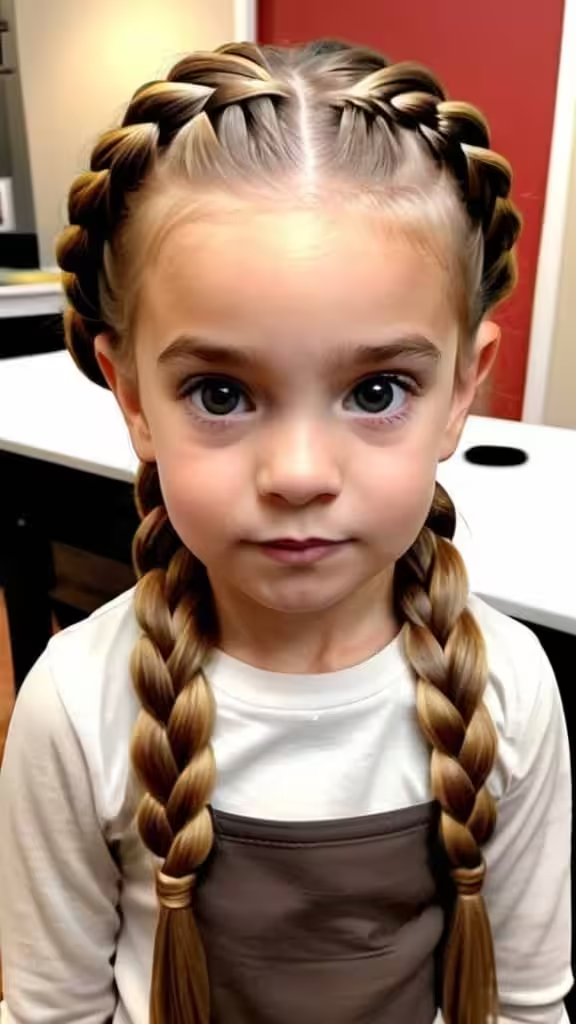
About this look — The Two Braids Around the Head divides the hair into rows or sections and interlaces them into the chosen braid pattern.
- Best face shape
- Any face; braids sit against the scalp regardless of shape.
- What to tell your barber
- For protective work, ask for the specific braid technique and how you want the ends finished — rubber-banded, sealed, or tucked.
- Maintenance
- Refresh every 4–8 weeks depending on braid type; nightly satin scarf.
- Style at home
- Moisturize the scalp with a lightweight oil.
- Section carefully with a rat-tail comb.
- Braid with even tension and secure the ends.
Unusual Braids
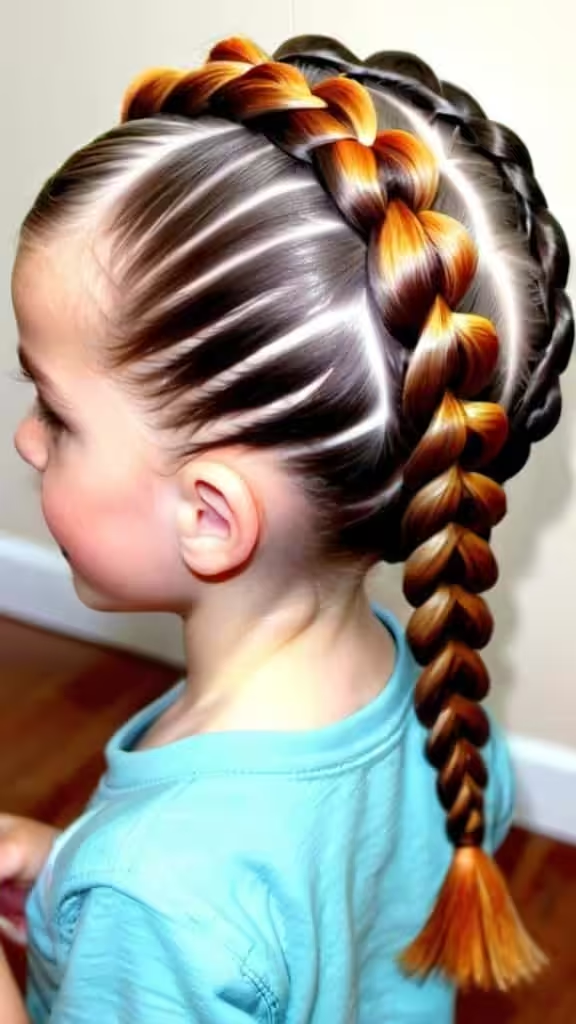
About this look — The Unusual Braids divides the hair into rows or sections and interlaces them into the chosen braid pattern.
- Best face shape
- Universally flattering — braids follow the head, not the face.
- What to tell your barber
- Braids are specialist work — ask for the pattern by name (box, knotless, feed-in) and the end finish (sealed or tucked).
- Maintenance
- Refresh every 4–8 weeks depending on braid type; nightly satin scarf.
- Style at home
- Moisturize the scalp with a lightweight oil.
- Section carefully with a rat-tail comb.
- Braid with even tension and secure the ends.
Zigzag Braid
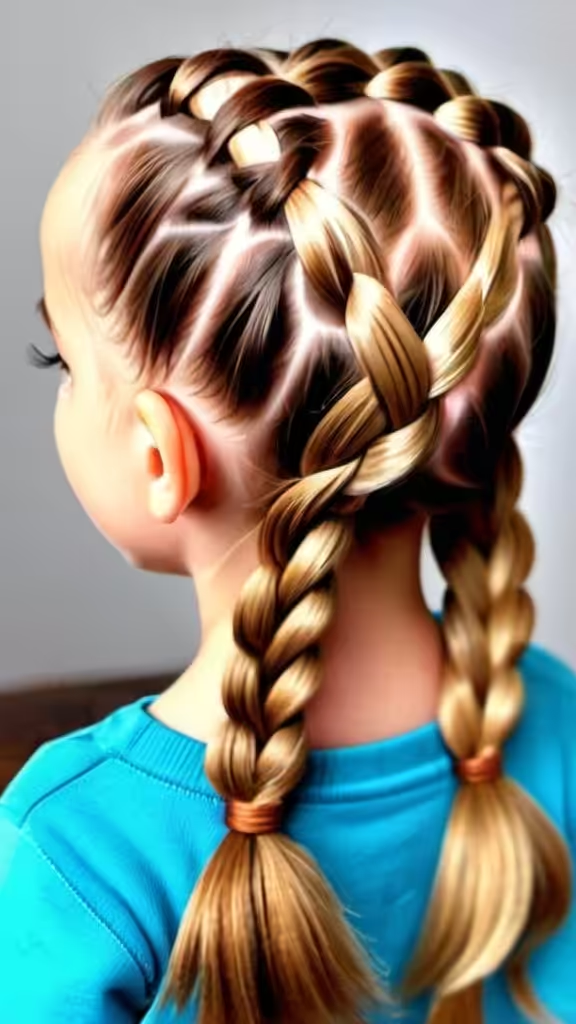
About this look — The Zigzag Braid weaves the length into plaits — the tension of each pass determines how long the braid holds.
- Best face shape
- Any face; braids sit against the scalp regardless of shape.
- What to tell your barber
- For protective work, ask for the specific braid technique and how you want the ends finished — rubber-banded, sealed, or tucked.
- Maintenance
- Every 4–8 weeks between installs. Nightly satin scarf preserves the pattern.
- Style at home
- Moisturize the scalp with a lightweight oil.
- Section carefully with a rat-tail comb.
- Braid with even tension and secure the ends.
Side Braid
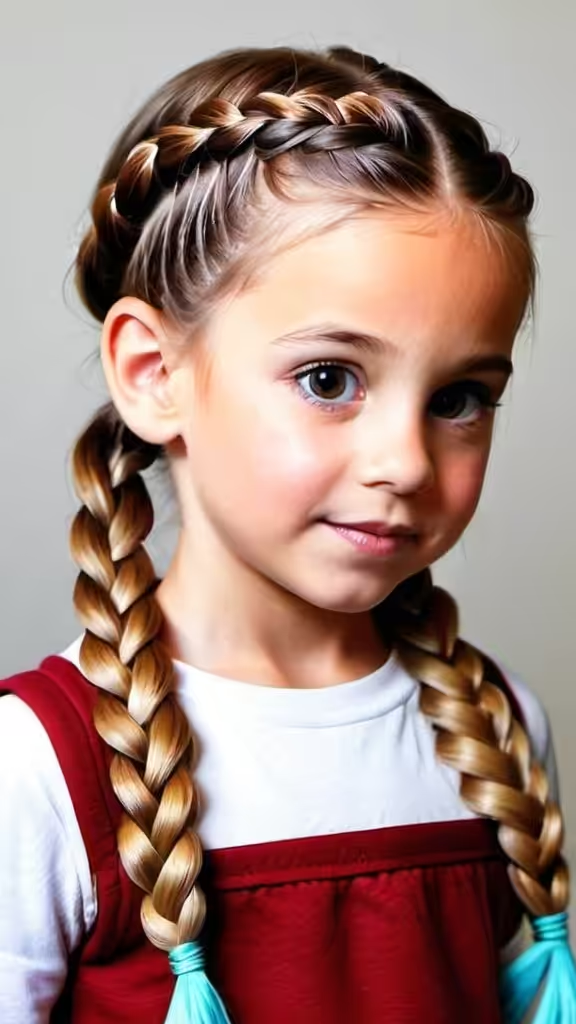
About this look — The Side Braid weaves the length into plaits — the tension of each pass determines how long the braid holds.
- Best face shape
- Any face; braids sit against the scalp regardless of shape.
- What to tell your barber
- For protective work, ask for the specific braid technique and how you want the ends finished — rubber-banded, sealed, or tucked.
- Maintenance
- Refresh every 4–8 weeks depending on braid type; nightly satin scarf.
- Style at home
- Moisturize the scalp with a lightweight oil.
- Section carefully with a rat-tail comb.
- Braid with even tension and secure the ends.
Braids with Ribbons
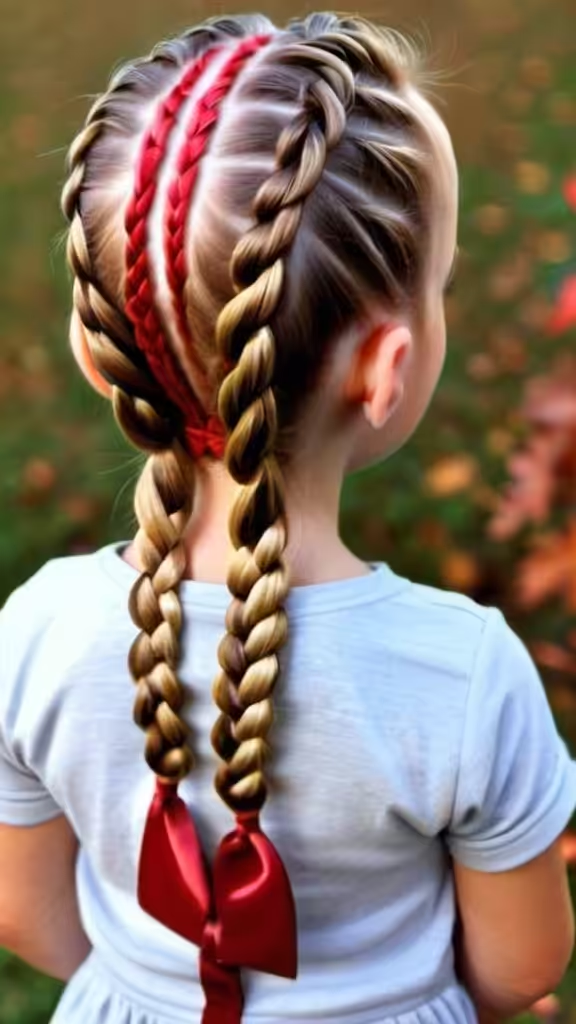
About this look — The Braids with Ribbons plaits the hair according to the chosen pattern (three-strand, French, Dutch, cornrow) with consistent tension.
- Best face shape
- Any — braids are a style choice, not a face-shape decision.
- What to tell your barber
- Book a braid specialist and specify the pattern (box, knotless, feed-in, or cornrow) and end method (sealed with hot water or hair-tucked).
- Maintenance
- 4–8 week install cycle; a satin bonnet or pillowcase overnight extends the life.
- Style at home
- Apply a leave-in conditioner to damp hair.
- Section evenly and braid.
- Seal ends with a small hair tie or clip.
Woven Pull-Through Updo Braid
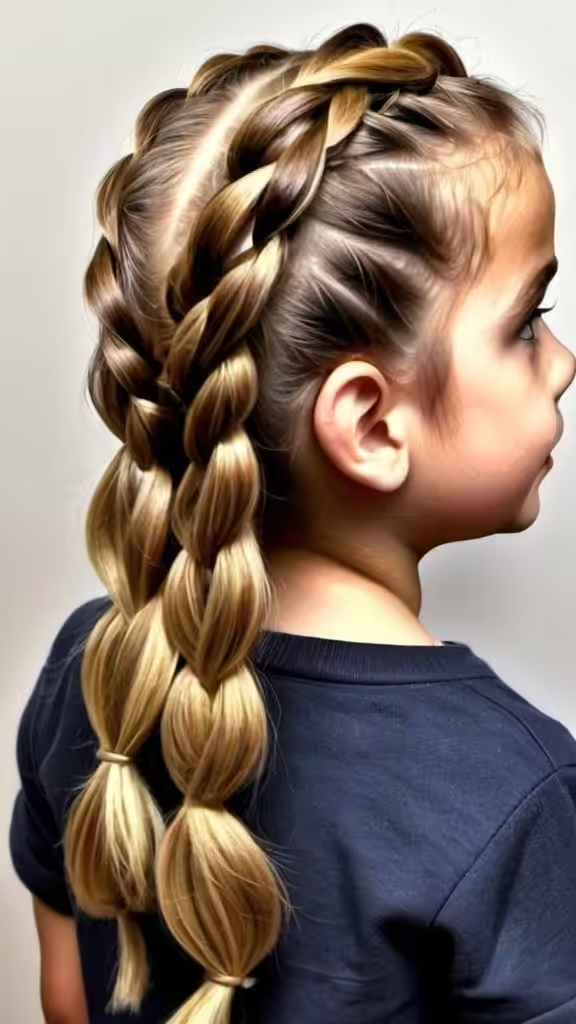
About this look — The Woven Pull-Through Updo Braid gathers all the length up and secures it — done well, it holds through a workday or event without touch-ups.
- Best face shape
- Any — updos frame the face rather than fight it.
- What to tell your barber
- Not a cut; a 30-minute styling session teaches you the anchor points you'll use every time.
- Maintenance
- N/A. This is a style, not a cut — refresh cut every 8–10 weeks.
- Style at home
- Skip washing for 24 hours before styling.
- Twist the length back into a low bun.
- Anchor with 3–4 bobby pins and mist with flexible hairspray.
Multi-Strand Braid
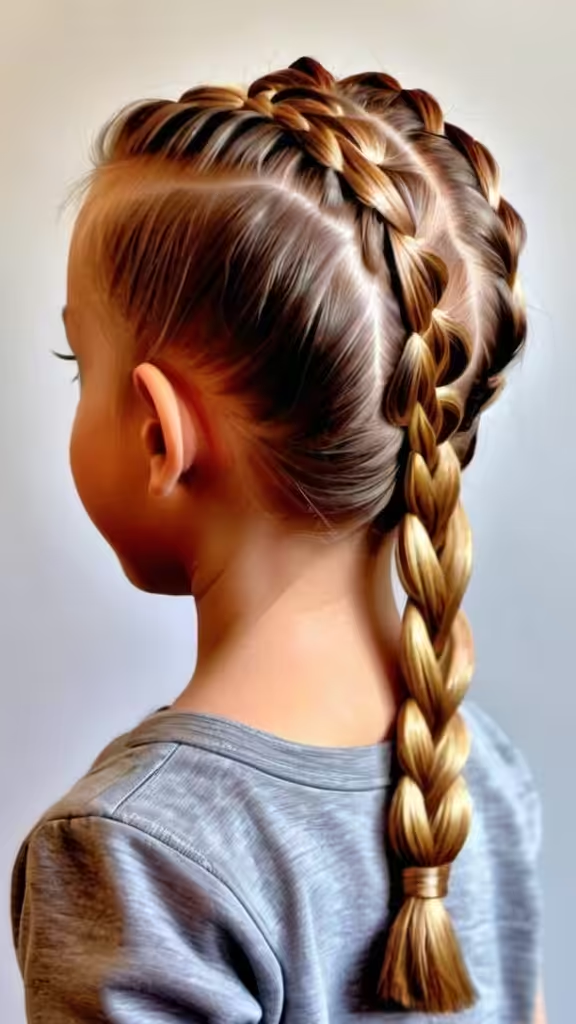
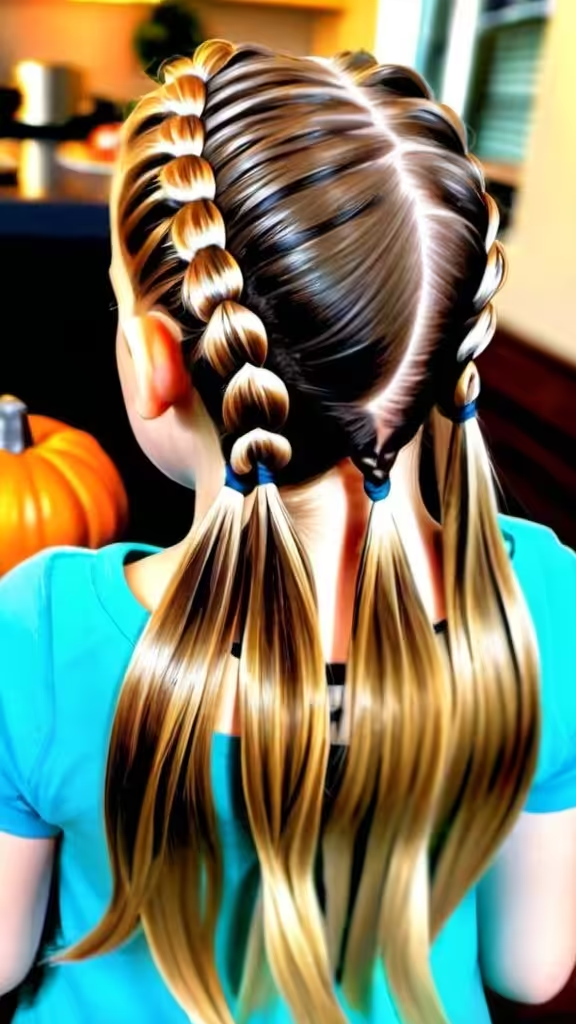
About this look — The Multi-Strand Braid sections the hair into plaits — the pattern depends on the braid style (three-strand, French, Dutch, cornrow).
- Best face shape
- Any — braids are a style choice, not a face-shape decision.
- What to tell your barber
- For protective styles, book a braid specialist; ask for the specific pattern and end technique (rubber-band or tuck).
- Maintenance
- Refresh every 4–8 weeks depending on braid type; nightly satin scarf.
- Style at home
- Apply a leave-in conditioner to damp hair.
- Section evenly and braid.
- Seal ends with a small hair tie or clip.
Ombre Crochet Braids
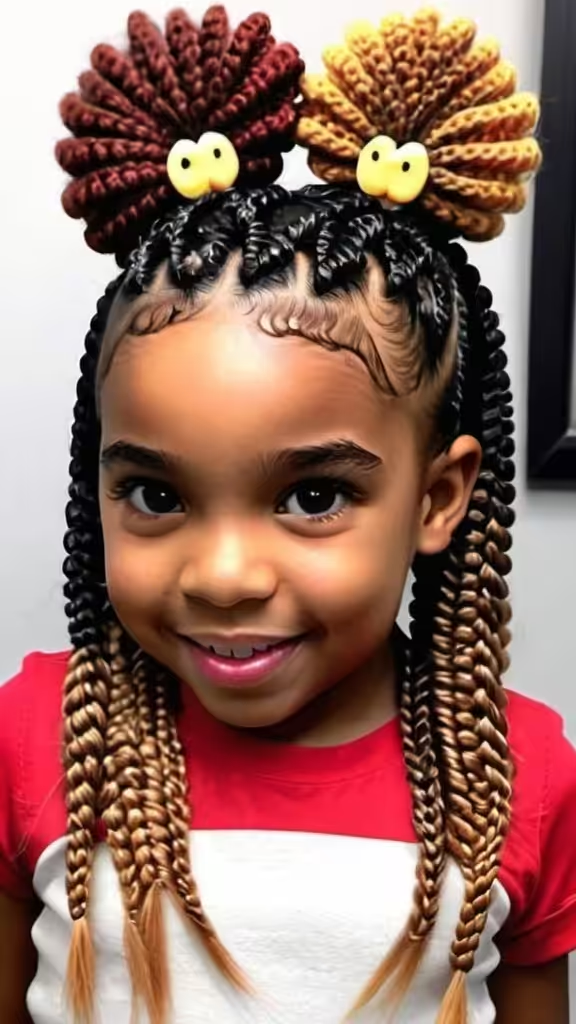
About this look — The Ombre Crochet Braids divides the hair into rows or sections and interlaces them into the chosen braid pattern.
- Best face shape
- Any — braids are a style choice, not a face-shape decision.
- What to tell your barber
- Braids are specialist work — ask for the pattern by name (box, knotless, feed-in) and the end finish (sealed or tucked).
- Maintenance
- 4–8 week install cycle; a satin bonnet or pillowcase overnight extends the life.
- Style at home
- Apply a leave-in conditioner to damp hair.
- Section evenly and braid.
- Seal ends with a small hair tie or clip.
Dual Dutch Braids
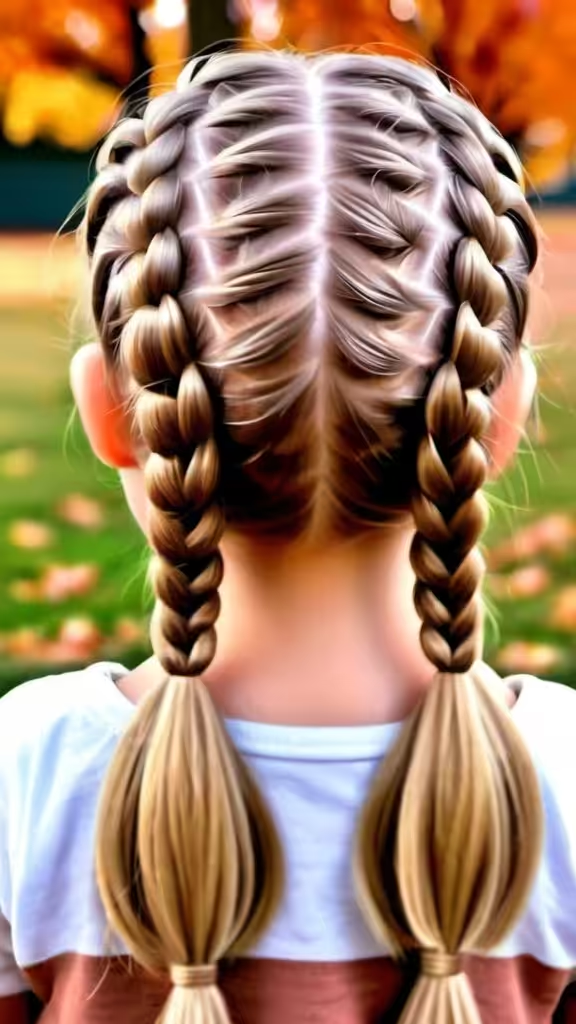
About this look — The Dual Dutch Braids sections the hair into plaits — the pattern depends on the braid style (three-strand, French, Dutch, cornrow).
- Best face shape
- Any — braids are a style choice, not a face-shape decision.
- What to tell your barber
- For protective work, ask for the specific braid technique and how you want the ends finished — rubber-banded, sealed, or tucked.
- Maintenance
- Refresh every 4–8 weeks depending on braid type; nightly satin scarf.
- Style at home
- Apply a leave-in conditioner to damp hair.
- Section evenly and braid.
- Seal ends with a small hair tie or clip.
Half-Up Fishtail
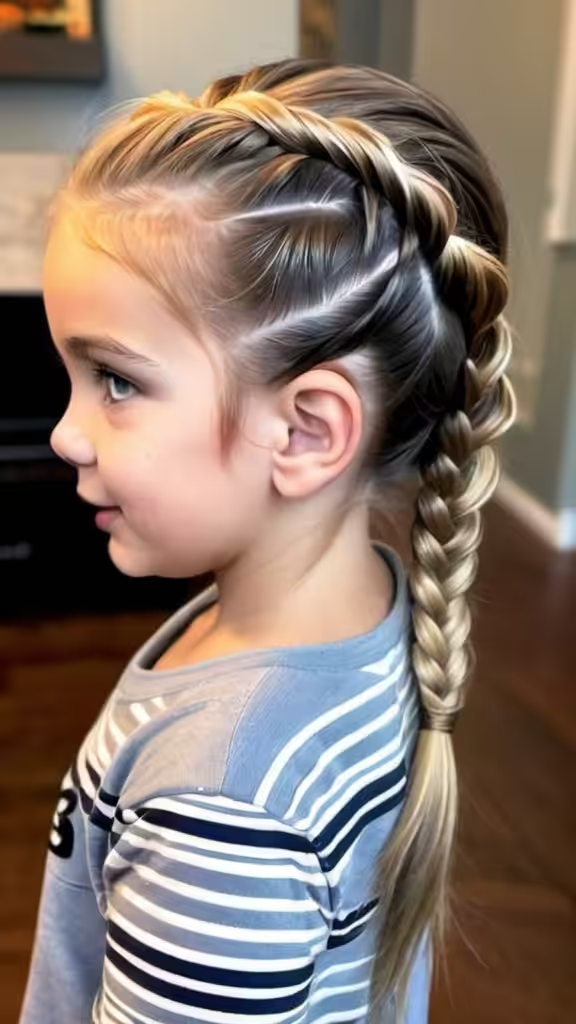
About this look — The Half-Up Fishtail chosen for what a kid can actually wear all day — no styling required, grows out cleanly.
- Best face shape
- Any — every kid's face still growing; go for what suits the routine.
- What to tell your barber
- Ask for age-appropriate length, low upkeep, and a shape that survives playgrounds and pool days.
- Maintenance
- Every 6–8 weeks; sooner if there's a fringe.
- Style at home
- Wash with a tear-free shampoo.
- Detangle with a wide-tooth comb.
- Optional: a spritz of leave-in for detangling.
Cornrow Braids
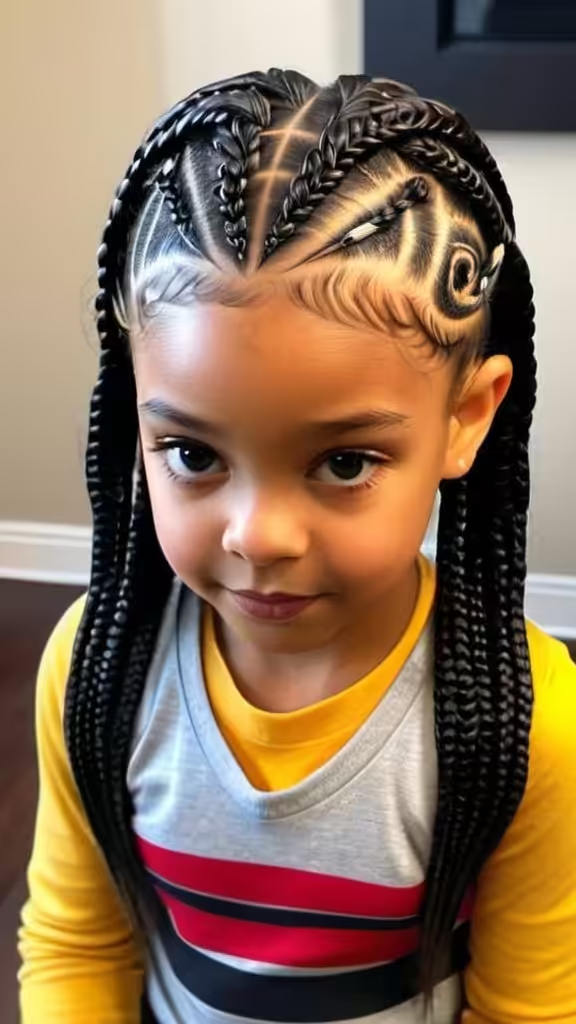
About this look — The Cornrow Braids weaves the length into plaits — the tension of each pass determines how long the braid holds.
- Best face shape
- Any face; braids sit against the scalp regardless of shape.
- What to tell your barber
- For protective work, ask for the specific braid technique and how you want the ends finished — rubber-banded, sealed, or tucked.
- Maintenance
- Every 4–8 weeks between installs. Nightly satin scarf preserves the pattern.
- Style at home
- Moisturize the scalp with a lightweight oil.
- Section carefully with a rat-tail comb.
- Braid with even tension and secure the ends.
Long Braids with Center Part
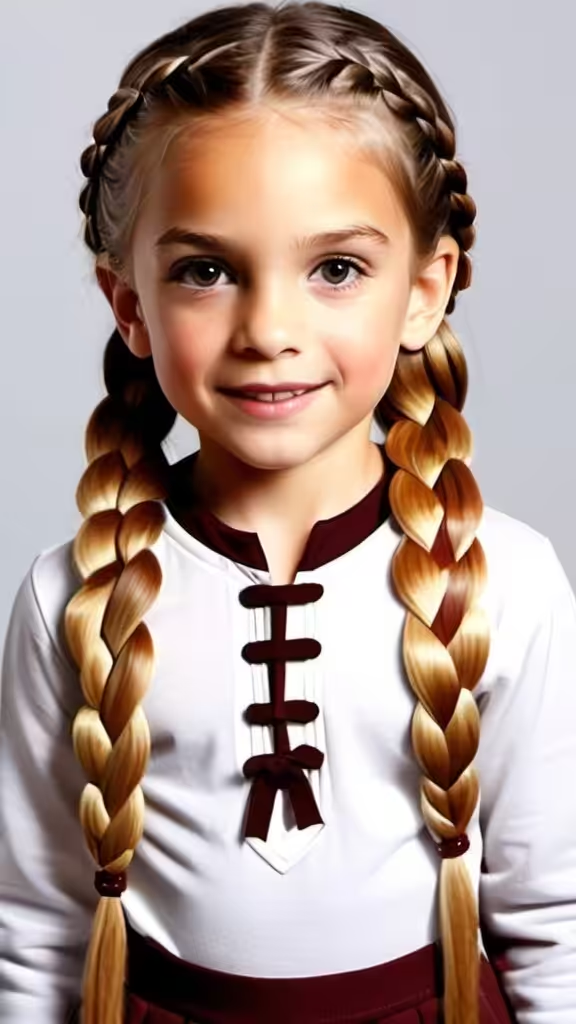
About this look — The Long Braids with Center Part weaves the length into plaits — the tension of each pass determines how long the braid holds.
- Best face shape
- Universally flattering — braids follow the head, not the face.
- What to tell your barber
- Braids are specialist work — ask for the pattern by name (box, knotless, feed-in) and the end finish (sealed or tucked).
- Maintenance
- Refresh every 4–8 weeks depending on braid type; nightly satin scarf.
- Style at home
- Moisturize the scalp with a lightweight oil.
- Section carefully with a rat-tail comb.
- Braid with even tension and secure the ends.
Milkmaid Braids
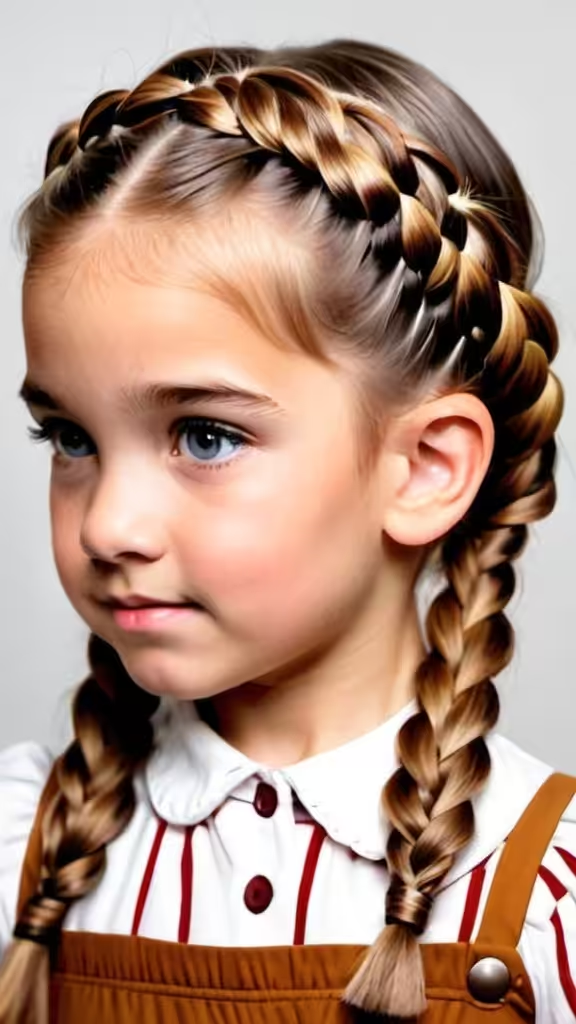
About this look — The Milkmaid Braids sections the hair into plaits — the pattern depends on the braid style (three-strand, French, Dutch, cornrow).
- Best face shape
- Any — braids are a style choice, not a face-shape decision.
- What to tell your barber
- For protective work, ask for the specific braid technique and how you want the ends finished — rubber-banded, sealed, or tucked.
- Maintenance
- Every 4–8 weeks between installs. Nightly satin scarf preserves the pattern.
- Style at home
- Detangle wet hair with a wide-tooth comb.
- Section using a rat-tail comb, keeping the parts clean.
- Braid to the ends and secure.
Braided Bun
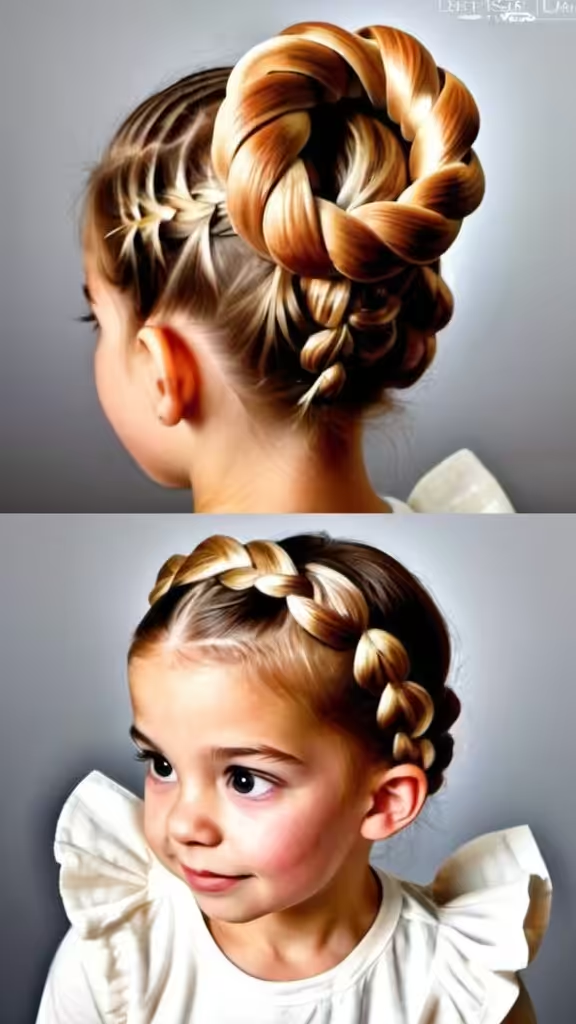
About this look — The Braided Bun sweeps the length up and tucks it in place — the technique is about anchor points, not product.
- Best face shape
- Any face; the finish is defined by loose pieces around the face rather than the bulk of the style.
- What to tell your barber
- Not a cutting appointment; book a styling lesson so you learn the exact pin placement for this shape.
- Maintenance
- Style-only. The underlying cut still needs a trim every 8–10 weeks.
- Style at home
- Start on second-day hair for grip.
- Tie into a low pony or twist.
- Pin the ends into the shape you want with 3–4 bobby pins.
What Makes This Style Special in 2026?
I judge a child's style by how it looks on day three, unstyled — that's where the cut either holds up or doesn't. Tension is everything with braids; too tight at the hairline is how you get traction damage, not longevity. I'd rather build the shape into the cut than rely on twenty bobby pins that drop by the first dance.Why Women Love This Style
I won't oversell it — a child's style asks something of you in return, and it's worth knowing that before you commit. It grows out gracefully instead of falling apart between appointments, which is worth more than any single good-hair day. Skip heat on children's hair almost entirely; air-dry and a leave-in detangler does the job.Finding Your Perfect Variation
For children, pick what survives recess — a shape that still looks tidy half-grown-out beats a fussy one that doesn't. Bring two or three photos to your consultation — not as a demand, but so your stylist can tell you honestly what your hair will and won't do. Table of Contents Toggle14. Combination Braid:
Combination Braid Braided Hairstyles for Thanksgiving for kids
Why limit yourself to only one elegant braid style? This style combines a few different braid styles, such as a fashionable puffed ponytail and a modest small braid down the side embellished with gemstones. Tight tendrils keep it at ease. Maintenance: Low to Medium — Protective style lasts 1–2 weeks; scalp care and moisturizing essential. Best For: Most face shapes and hair textures; adaptable for everyday wear or special occasions. About This Style: The Combination Braid is one of the standout looks of 2026 — effortlessly stylish, adaptable across hair types, and chosen by clients who want a look that's both current and long-lasting. How to Style at Home:- Mist clean hair with a light detangling spray or leave-in conditioner to reduce friction and frizz during braiding.
- Section hair precisely and braid from root to tip with even, consistent tension throughout for a neat, lasting result.
- Secure ends with a small, clear elastic band and mist the finished style lightly with a flexible-hold spray to lock it in place.