How to Choose the Right Thick Men'S Hair for You
A thick men's hair suits almost any guy, but the variation matters. Here is how I match the cut to the head sitting in my chair.
By face shape
- Round face: Pick cuts that add vertical height — slight pompadour or quiff variants.
- Oval face: You can wear nearly anything. Choose by lifestyle and hair texture.
- Square face: Soften the jaw with textured tops and avoid hard skin fades.
- Heart face: Add fullness mid-length, not on top — and watch the temple-to-jaw ratio.
- Long face: Avoid extreme height. Wider, fuller cuts read more flattering.
By hair type
- Fine or thin hair: Layered texture beats blunt weight every time. Ask for point-cutting on the top.
- Thick or coarse: A thick men's hair with internal layering removes weight without losing the silhouette.
- Curly or coily (3A–4C): Cut dry on a defined curl. A thick men's hair that looks right wet will shrink when it dries.
- Straight or wavy: Easy fit. The thick men's hair reads as the photo on you.
- Receding or thinning crown: A blended fade and a forward fringe handle this look better than a stiff side part.
By lifestyle
- Low maintenance: Keep it shorter and use a refreshing texture spray between washes.
- Corporate office: Slick the finish, neutralize the volume.
- Gym + every day: Wash-and-go finishes work — air-dry or rough-dry with the fingers.
- Statement look: Push the volume or color further; pick a finishing product with shine.
Heavy Textured Taper Fade
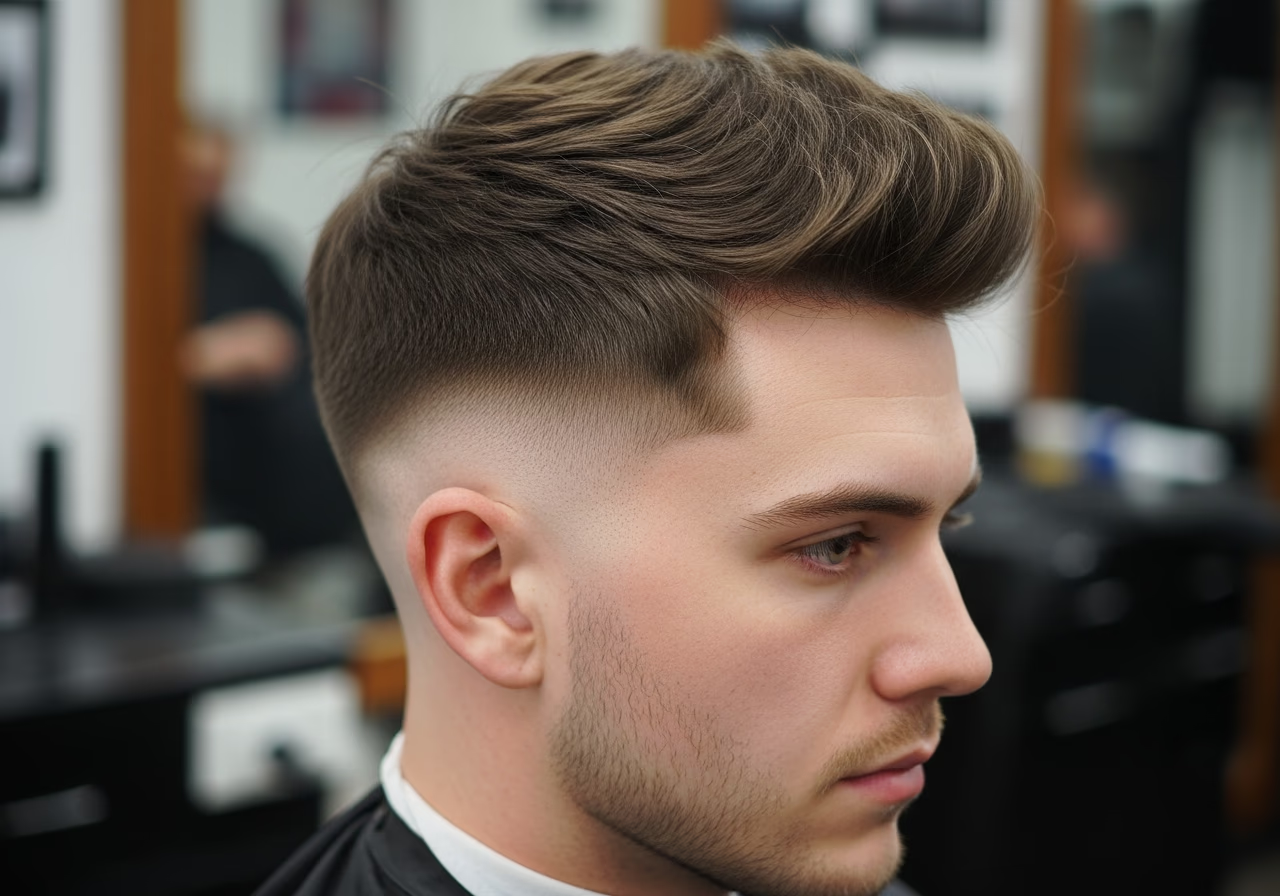
About this look — The Heavy Textured Taper Fade keeps the sides longer with just a soft taper at the perimeter — clean but not aggressive.
- Best face shape
- Universally flattering — the taper is the safest, most office-friendly fade.
- What to tell your barber
- Ordering a Heavy Textured Taper Fade: name the fade start (low/mid/high), the finish guard (skin, #0, or #1), and the top length in inches. Show one photo of the exact height you mean.
- Maintenance
- Low. Every 4–5 weeks — the most forgiving fade in the growth phase.
- Style at home
- Start on damp hair; work a small amount of matte clay through the top with your fingers.
- Blow-dry with a round brush, lifting from the roots.
- Set the shape with a light-hold spray.
Layered Quiff Thick Hair
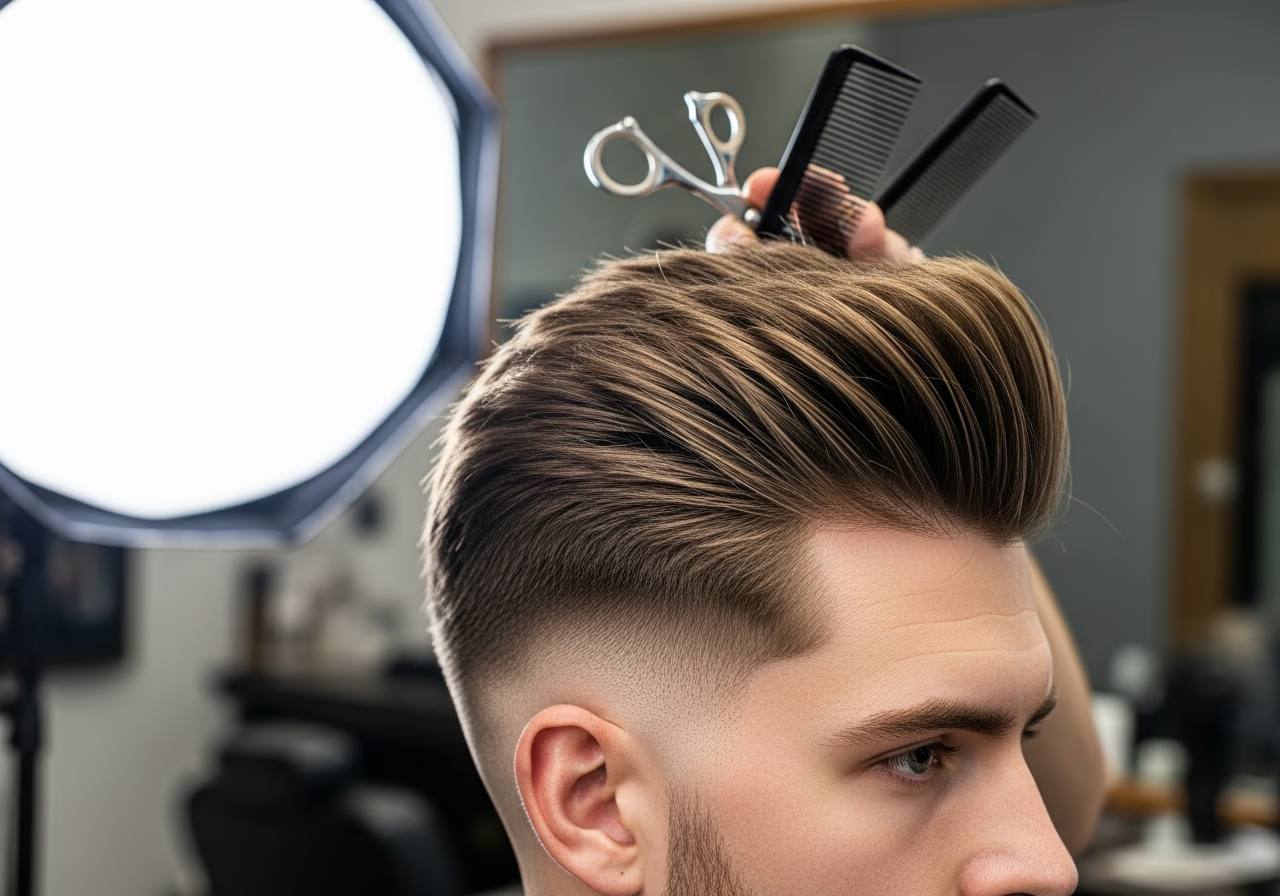
About this look — The Layered Quiff Thick Hair brings the front length up and slightly back with texture — less structured than a pompadour, more editorial than a comb-back.
- Best face shape
- Oval, heart, round — the height elongates the face.
- What to tell your barber
- Ask for a Quiff: 3–4 inches on top, tapered or faded sides, front lifted up and slightly back.
- Maintenance
- Medium. Every 4 weeks for the sides.
- Style at home
- Blow-dry the front up and back with your fingers.
- Apply a matte clay for hold.
- Finish with texture spray for movement.
Undercut Heavy Texturing
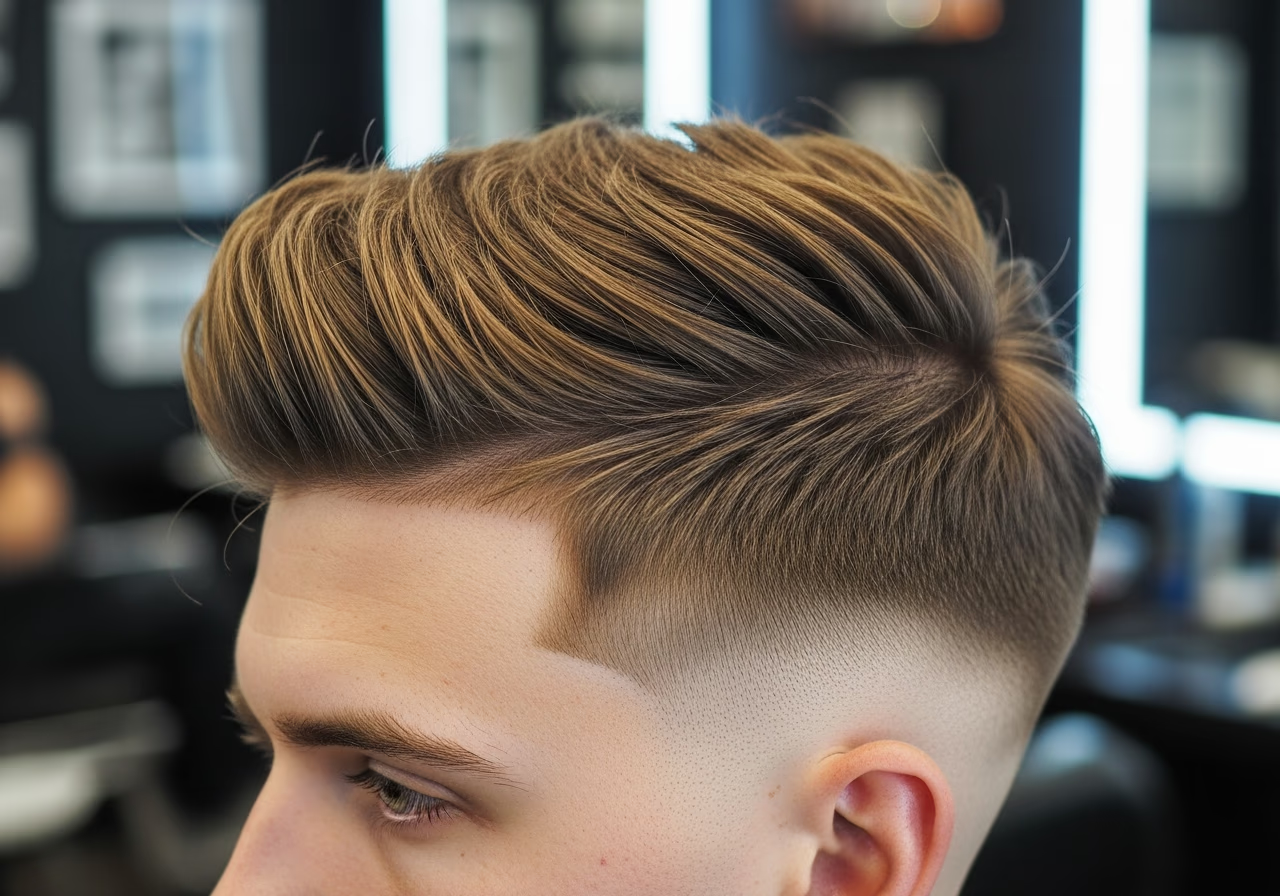
About this look — The Undercut Heavy Texturing keeps the top long while cutting the sides and back very short — the contrast is the whole point.
- Best face shape
- Oval, square, diamond — works best when the top has visual weight.
- What to tell your barber
- Ask for a disconnected undercut: hard line between top and sides, #1 or #2 guard on the sides.
- Maintenance
- Medium-high. Every 3–4 weeks to keep the disconnection crisp.
- Style at home
- Blow-dry the top in whichever direction it's meant to sit (back, forward, or side).
- Apply matte clay to hold the shape.
- Slick the sides down with a drop of oil.
Textured Crop Thick Hair
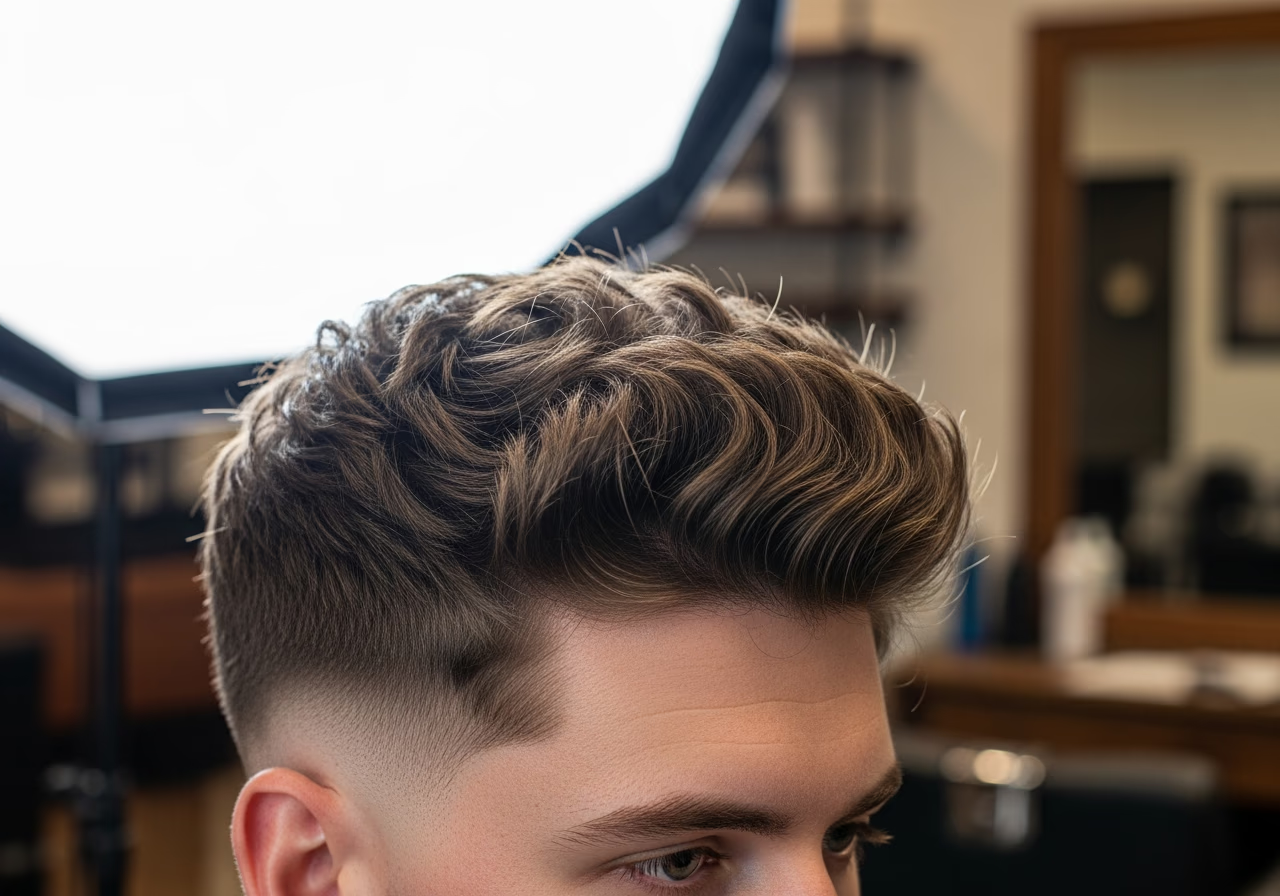
About this look — The Textured Crop Thick Hair keeps the top forward-brushed and short, with the sides tapered clean for a modern, low-effort read.
- Best face shape
- Oval, round and heart — the fringe balances a wider forehead.
- What to tell your barber
- Ask for a Textured Crop Thick Hair: 2–3 inches on top, brushed forward with texture, sides tapered or short-faded.
- Maintenance
- Medium. Every 4–5 weeks to keep the fringe from creeping over the eyes.
- Style at home
- Rough-dry the hair forward with your fingers.
- Rub a pea of matte paste between your palms and press through the top.
- Neaten the fringe with a comb — no other product needed.
Modern Pompadour Thick Hair
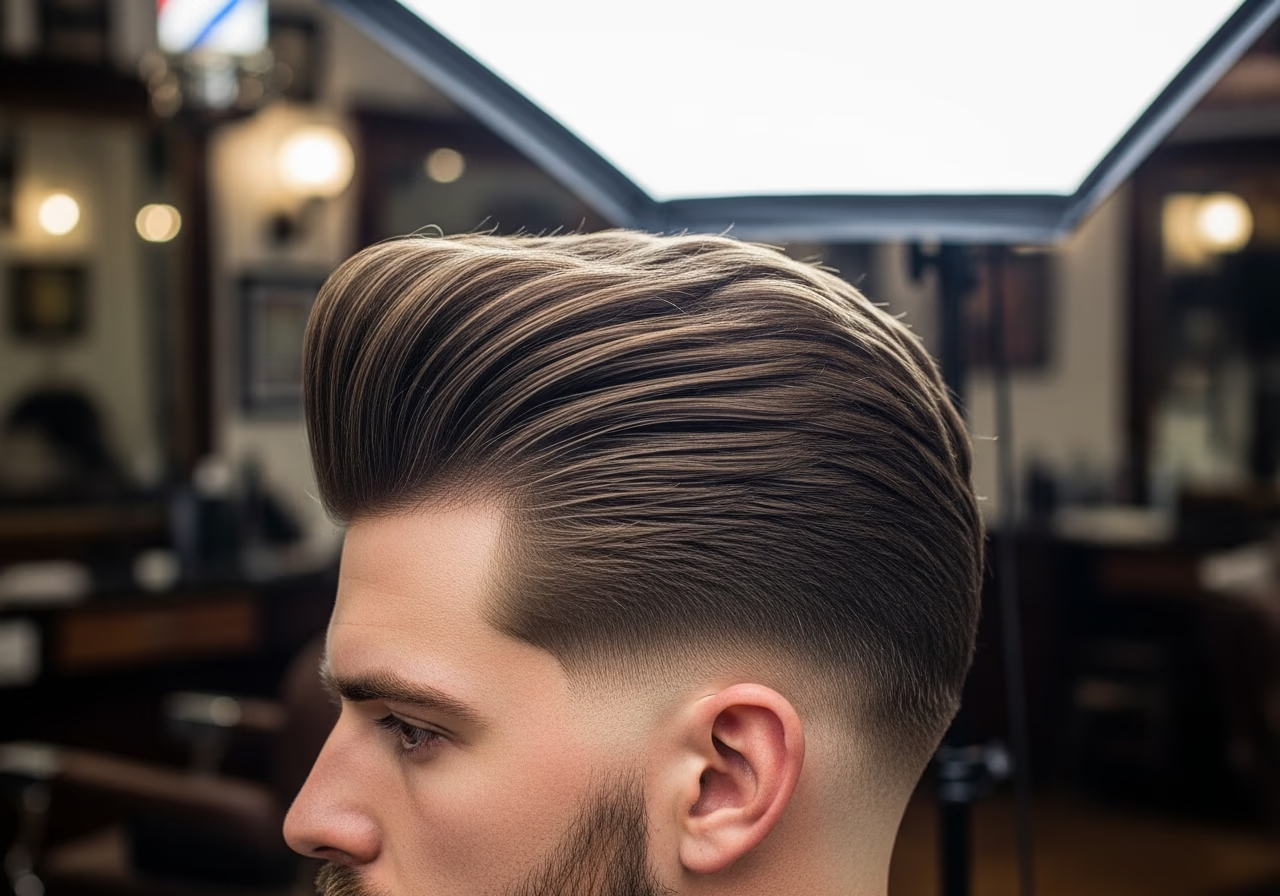
About this look — The Modern Pompadour Thick Hair sweeps the length on top up and back into a rounded volume above the forehead — high-shine or matte depending on product.
- Best face shape
- Oval, heart, square — adds height that flatters most faces.
- What to tell your barber
- Ask for a Pompadour: 3–4 inches on top, tapered sides, top brushed up and back.
- Maintenance
- Medium. Every 4 weeks for the sides; the top can grow longer.
- Style at home
- Blow-dry the top up and back with a round brush.
- Apply pomade (shine or matte, your call) to hold the volume.
- Comb the shape and finish with a mist of hairspray.
Wolf Cut Thick Hair
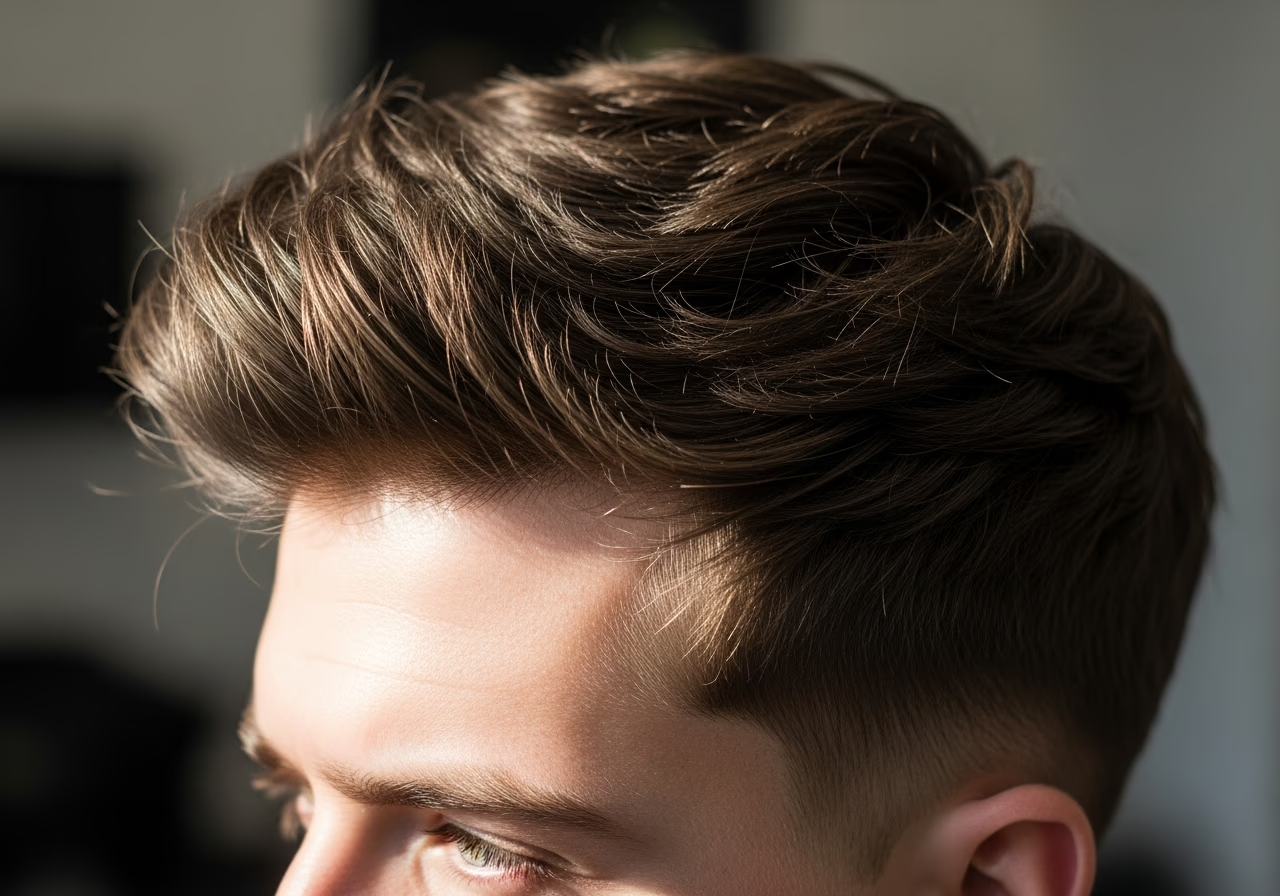
About this look — The Wolf Cut Thick Hair combines the layers of a shag with the length of a mullet — heavy layering top, longer length at the back.
- Best face shape
- Oval, heart — the volume up top adds height.
- What to tell your barber
- Ask for a Wolf Cut: heavy layers on top and around the face, longer at the back and nape.
- Maintenance
- Medium. Every 8–10 weeks.
- Style at home
- Apply salt spray to damp hair.
- Diffuse or rough-dry for texture.
- Finger-shape the ends.
Bro Flow Heavy Layers
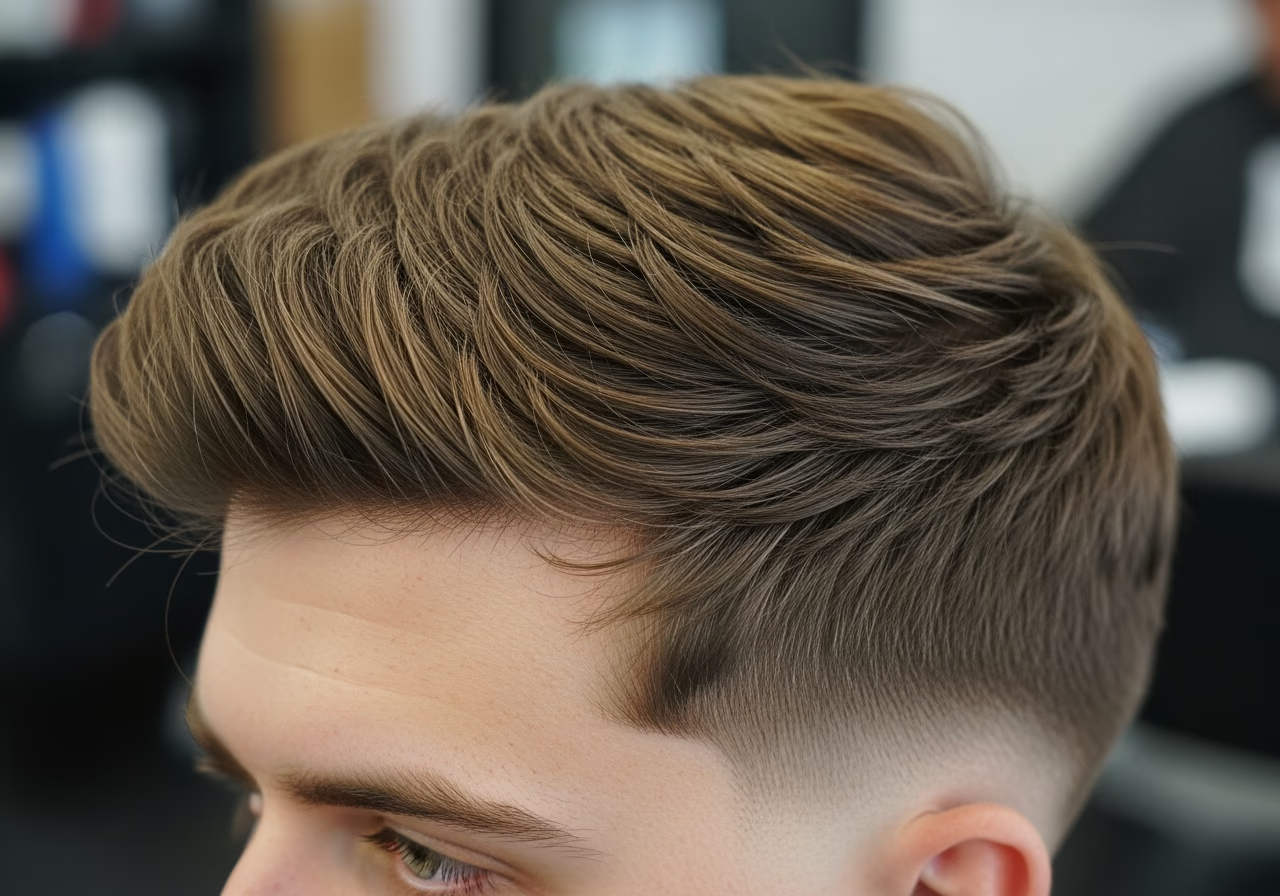
About this look — The Bro Flow Heavy Layers builds internal layers so the hair moves — the outer length stays where it is, the interior does the work.
- Best face shape
- Any face shape; the specific layer placement is what tunes the cut to your features.
- What to tell your barber
- Specify: preserve the perimeter length, add internal layers starting at cheekbone or chin — never above.
- Maintenance
- 8–10 weeks between cuts. Layers soften slowly so you can stretch this.
- Style at home
- Blow-dry with a round brush to lift the layers.
- Mist with texture spray.
- Finger-style to soften.
Curtain Bangs Texturing Thick
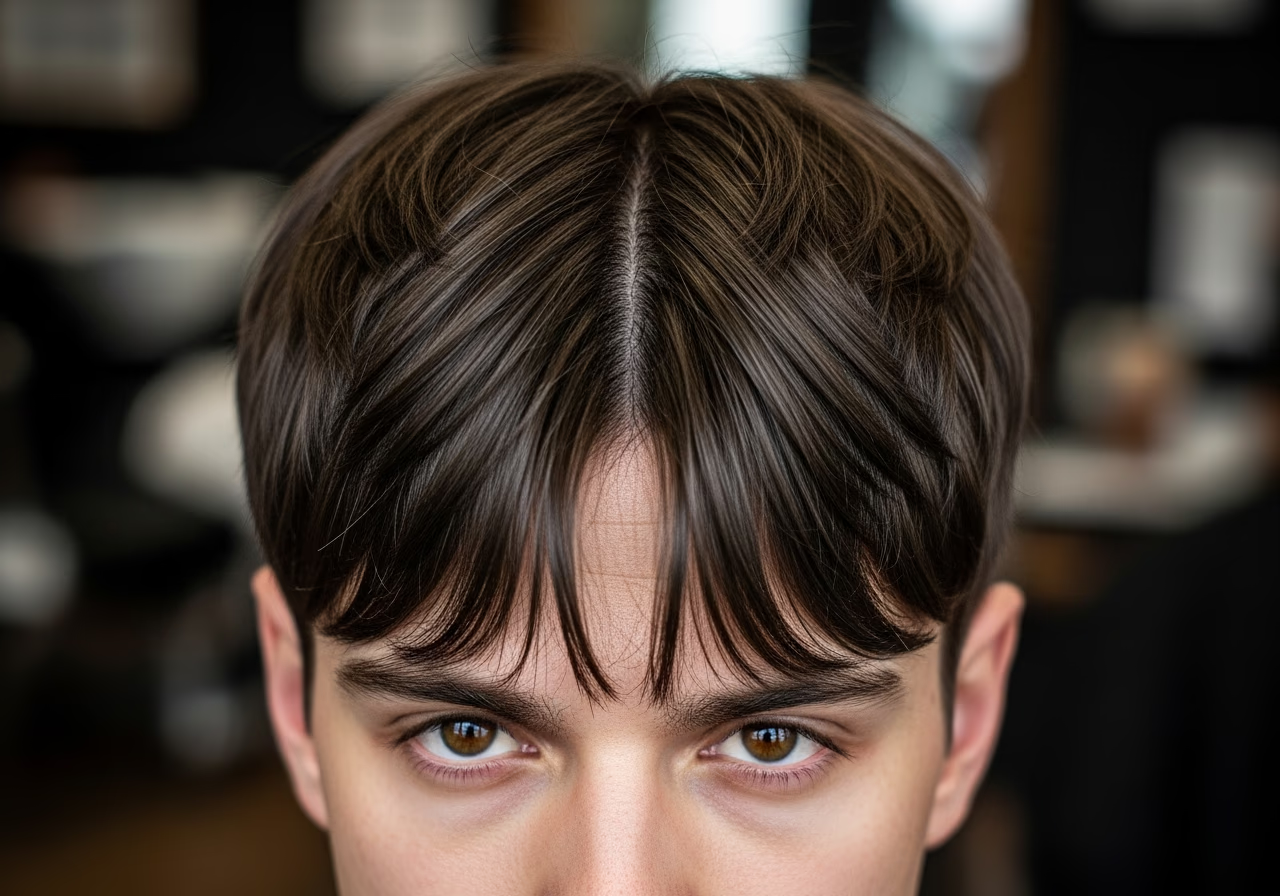
About this look — The Curtain Bangs Texturing Thick brings a fringe forward across the forehead — the exact shape is a face-shape and brow-height decision.
- Best face shape
- Best on oval, long, and heart faces; bangs visually shorten the face and soften the forehead.
- What to tell your barber
- Specify the fringe shape by name (blunt, wispy, curtain, micro) and the exact height on your brow — bring a photo.
- Maintenance
- High. Every 3–4 weeks for the fringe trim; the rest of the cut can wait.
- Style at home
- Blow-dry the fringe straight down with a round brush.
- Optional: use dry shampoo at the roots for lift.
- Finger-shape the fringe.
Fluffy Volume Control Cut
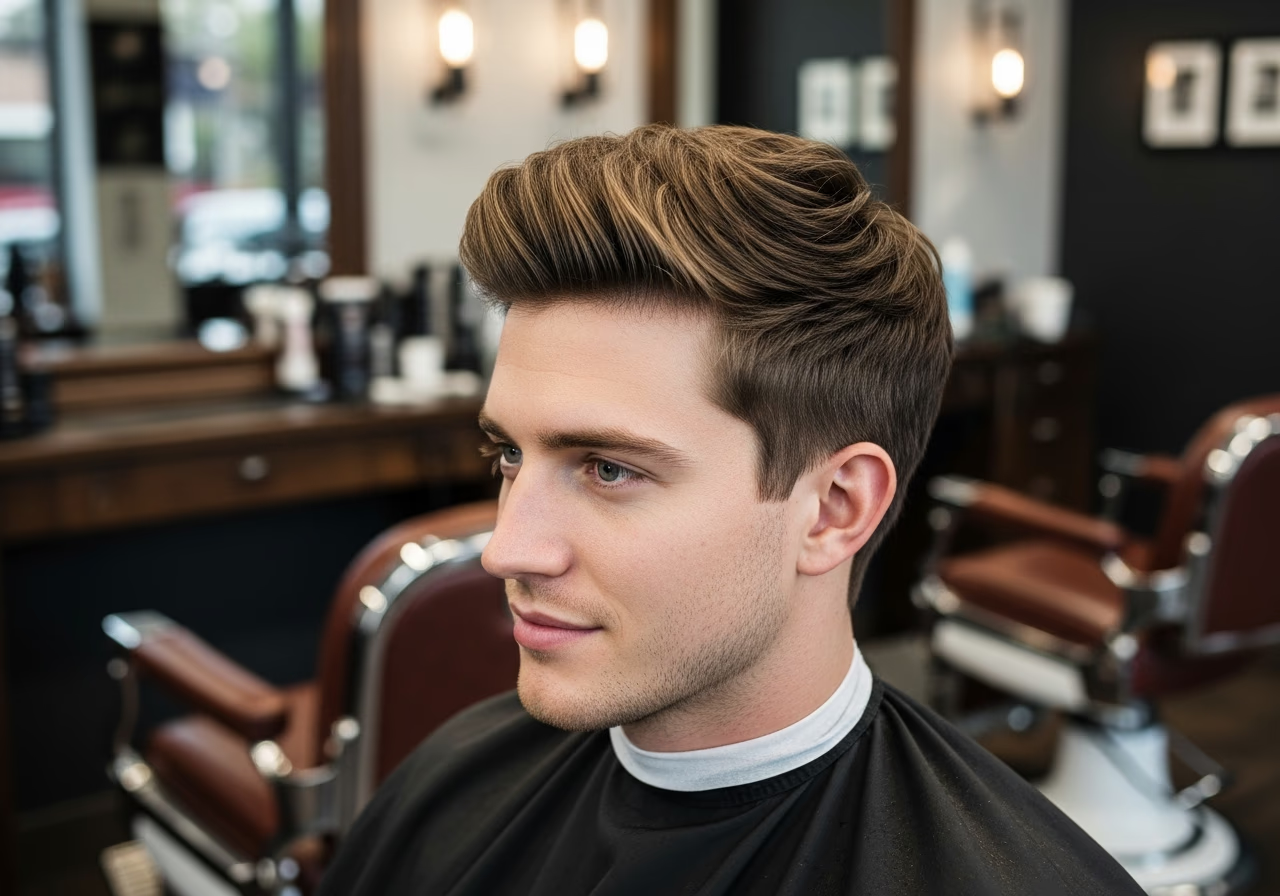
About this look — The Fluffy Volume Control Cut a versatile style that suits a wide range of face shapes and hair types when tailored in the chair.
- Best face shape
- Any — the stylist tunes length and layers to your specific face.
- What to tell your barber
- Ask for the exact style by name and bring one photo of the version you want.
- Maintenance
- Medium. Every 6–8 weeks to hold the shape.
- Style at home
- Apply a heat protectant to damp hair.
- Blow-dry with a round brush.
- Set with a light hairspray.
Disconnected Undercut Thick
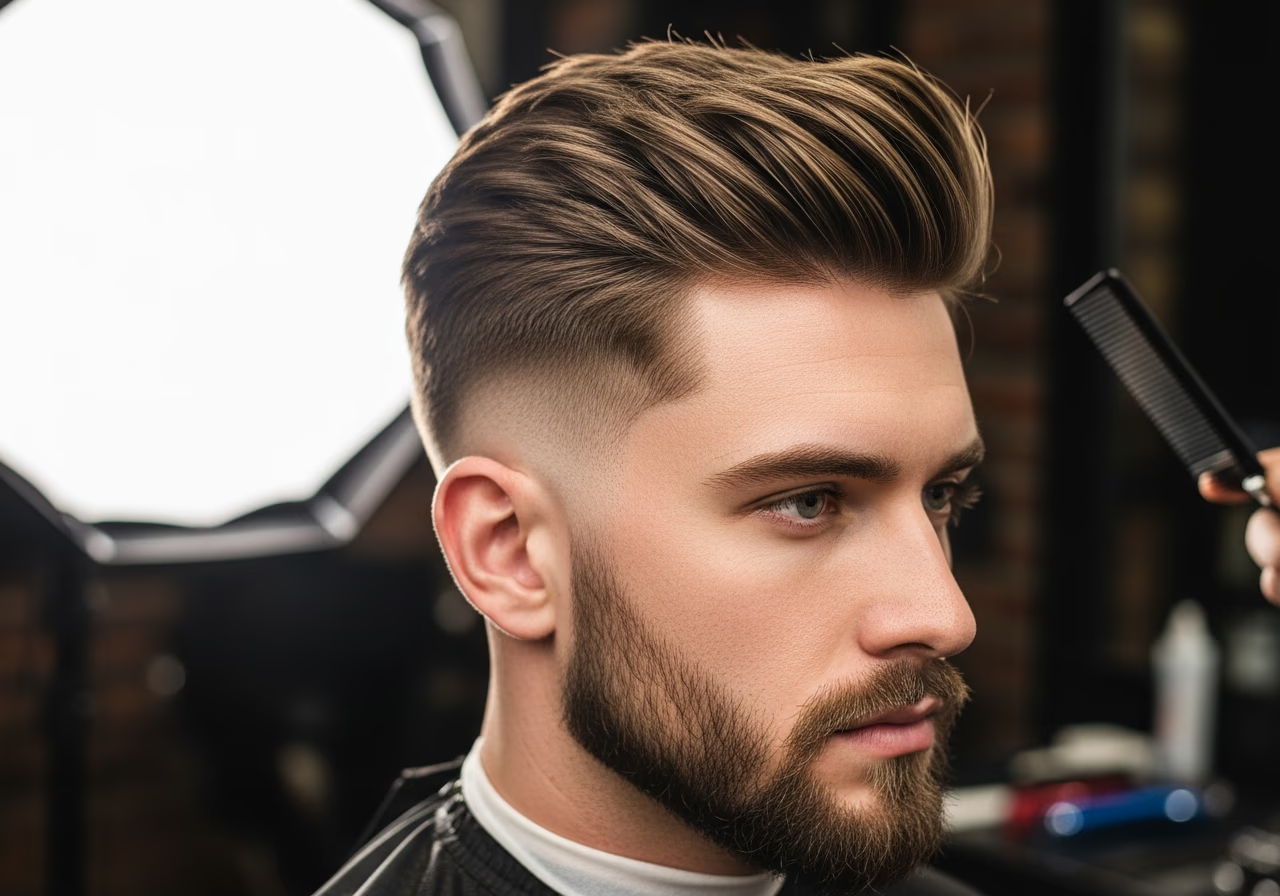
About this look — The Disconnected Undercut Thick keeps the top long while cutting the sides and back very short — the contrast is the whole point.
- Best face shape
- Oval, square, diamond — works best when the top has visual weight.
- What to tell your barber
- Ask for a disconnected undercut: hard line between top and sides, #1 or #2 guard on the sides.
- Maintenance
- Medium-high. Every 3–4 weeks to keep the disconnection crisp.
- Style at home
- Blow-dry the top in whichever direction it's meant to sit (back, forward, or side).
- Apply matte clay to hold the shape.
- Slick the sides down with a drop of oil.
Layered Shaggy Crop Thick
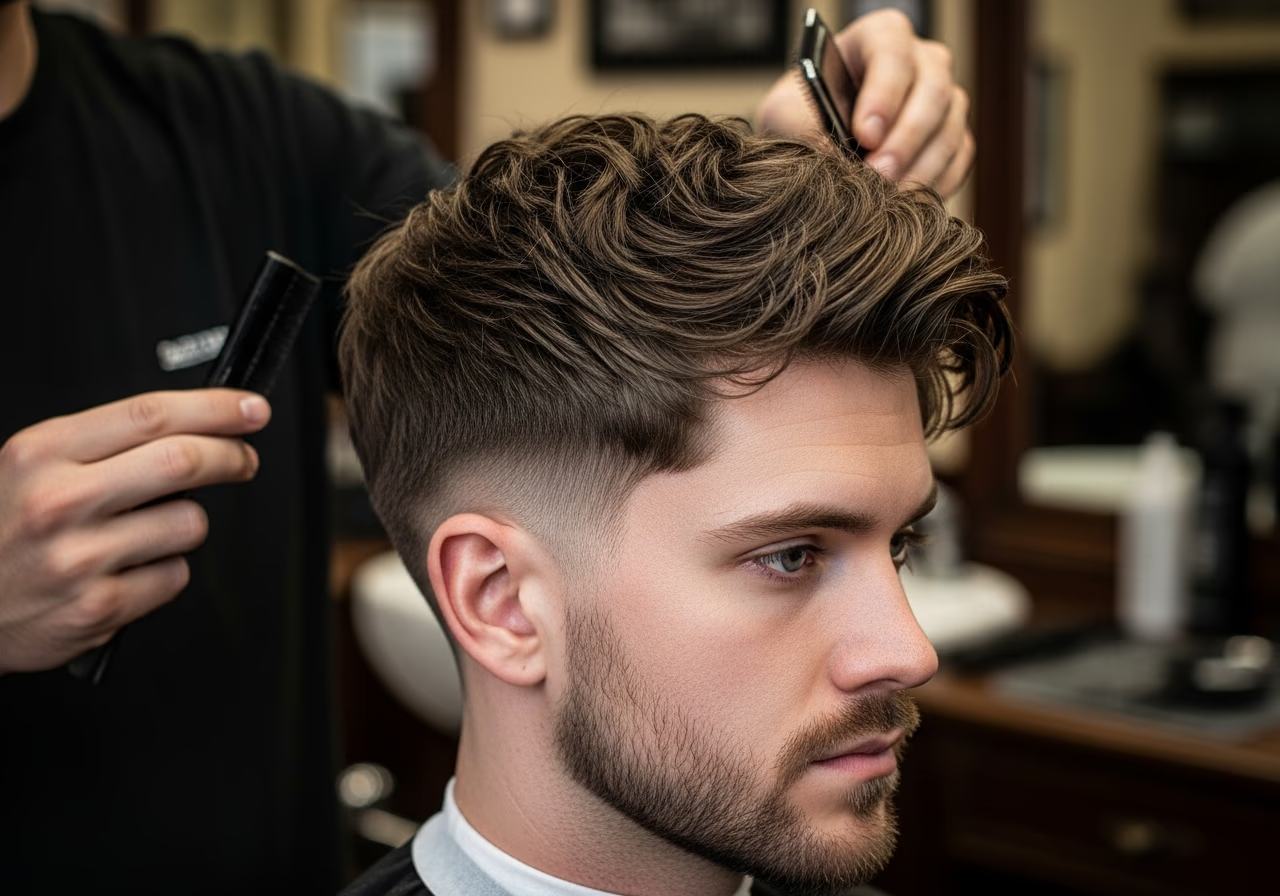
About this look — The Layered Shaggy Crop Thick layers the hair heavily throughout with a curtained or wispy fringe — built for movement rather than a set shape.
- Best face shape
- Broadly flattering — the layering breaks up the outline of any face.
- What to tell your barber
- For a Layered Shaggy Crop Thick: heavy layers throughout, face-framing at cheekbone or collarbone, and a fringe finish of your choice.
- Maintenance
- 6–8 weeks between cuts; the layers soften faster than a blunt cut.
- Style at home
- Mist damp hair with sea-salt spray.
- Diffuse or air-dry.
- Break up sections with your fingers once dry.
Heavy Textured Pompadour
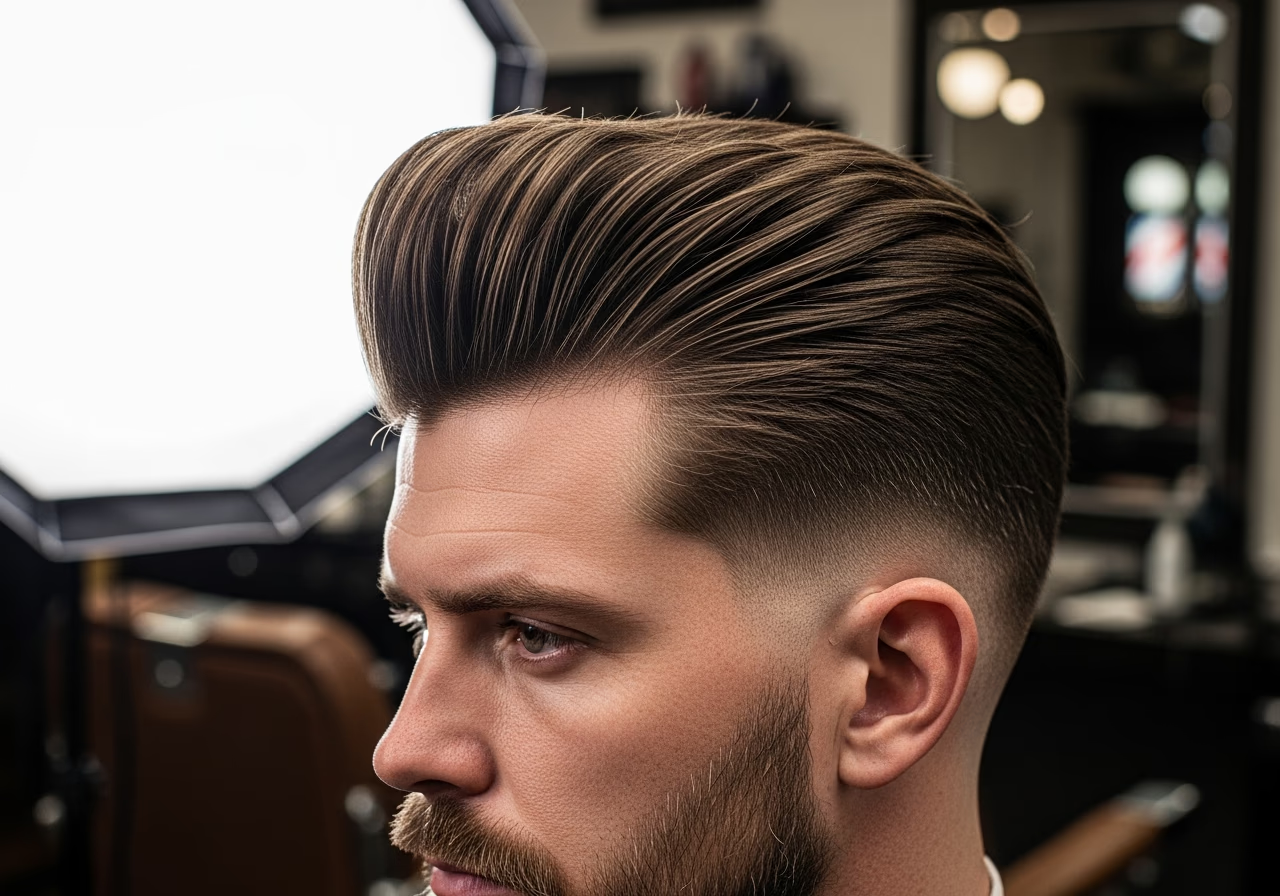
About this look — The Heavy Textured Pompadour sweeps the length on top up and back into a rounded volume above the forehead — high-shine or matte depending on product.
- Best face shape
- Oval, heart, square — adds height that flatters most faces.
- What to tell your barber
- Ask for a Pompadour: 3–4 inches on top, tapered sides, top brushed up and back.
- Maintenance
- Medium. Every 4 weeks for the sides; the top can grow longer.
- Style at home
- Blow-dry the top up and back with a round brush.
- Apply pomade (shine or matte, your call) to hold the volume.
- Comb the shape and finish with a mist of hairspray.
Wide Side Part Layering
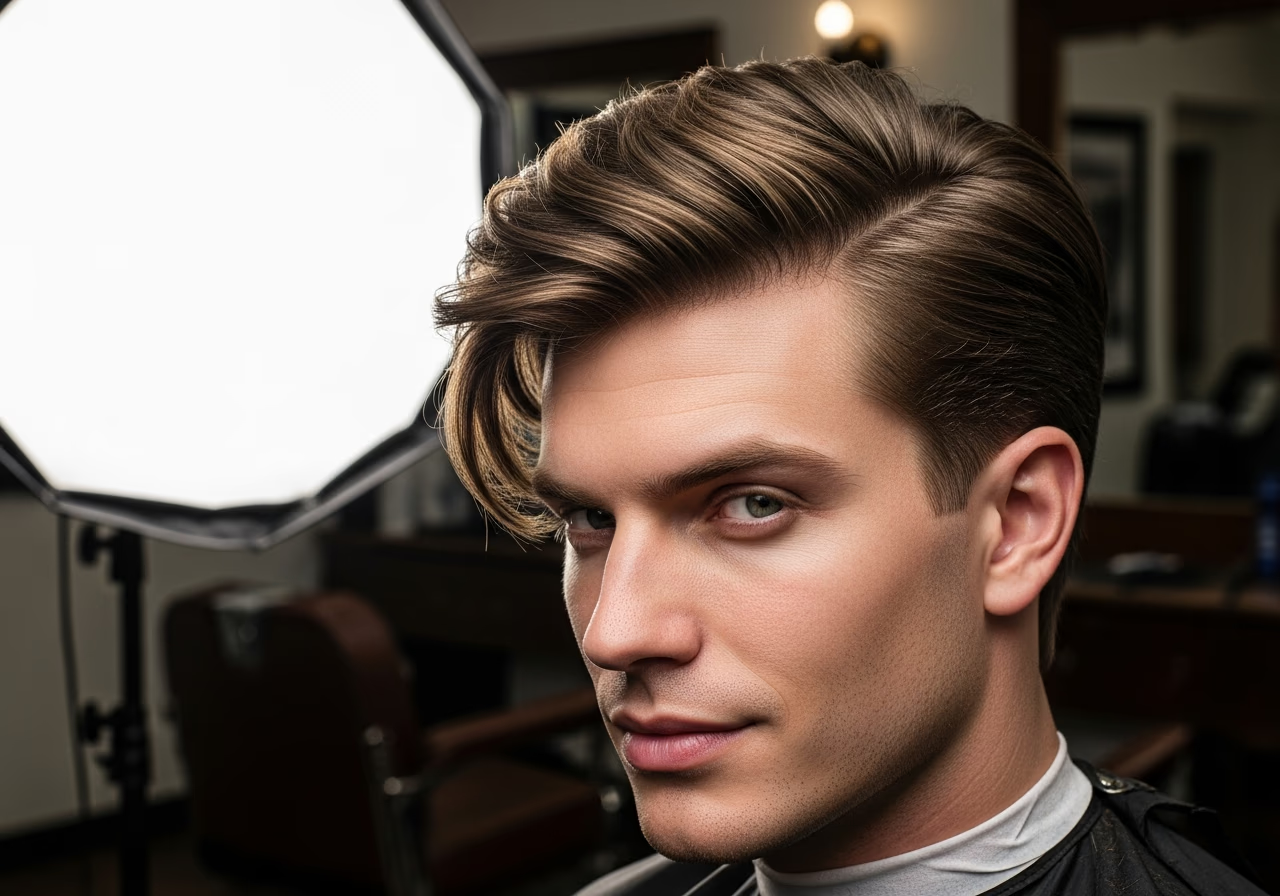
About this look — The Wide Side Part Layering creates a defined hard part on one side with the length combed across — clean, corporate-safe, classic.
- Best face shape
- Oval, round, square — a low-risk, broadly flattering shape.
- What to tell your barber
- Ask for a Side Part: hard part carved into one side, top combed across.
- Maintenance
- Medium. Every 4 weeks to keep the part line sharp.
- Style at home
- Blow-dry the top across the part with a round brush.
- Apply a shine pomade.
- Comb the part line clean.
Rounded Textured Bowl Update
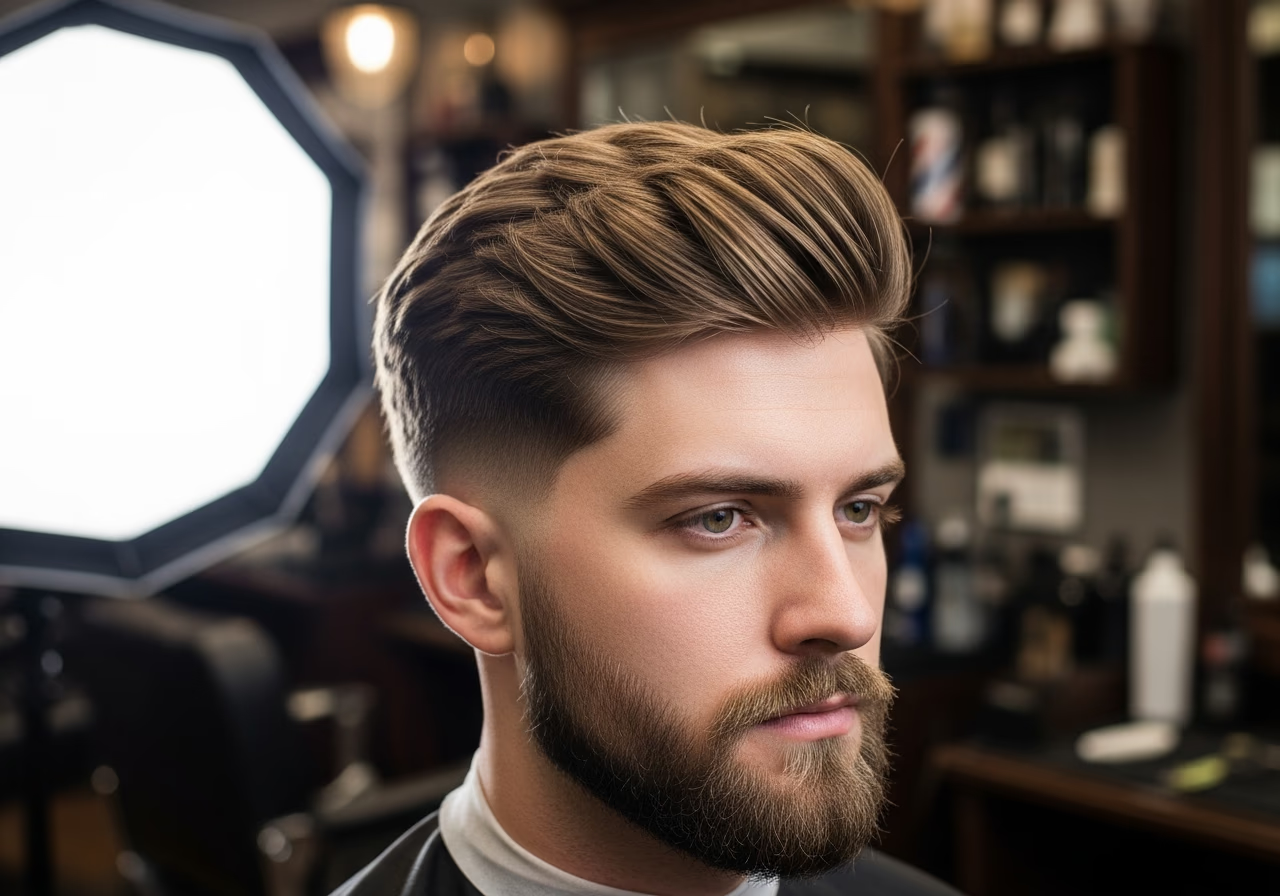
About this look — The Rounded Textured Bowl Update requires the fewest lift steps but the most tone-refresh — reds fade fastest.
- Best face shape
- Color follows skin tone, not face shape — your colorist matches undertone.
- What to tell your barber
- Ask for the specific technique by name (balayage, foil, gloss); bring 2 photos of tone you like and 1 you don't.
- Maintenance
- Every 4–6 weeks for tone refresh.
- Style at home
- Wash with a color-safe shampoo.
- Weekly bond-repair mask.
- Weekly purple (blonde) or blue (brunette) shampoo to control brass.
Voluminous Side Swept Layers
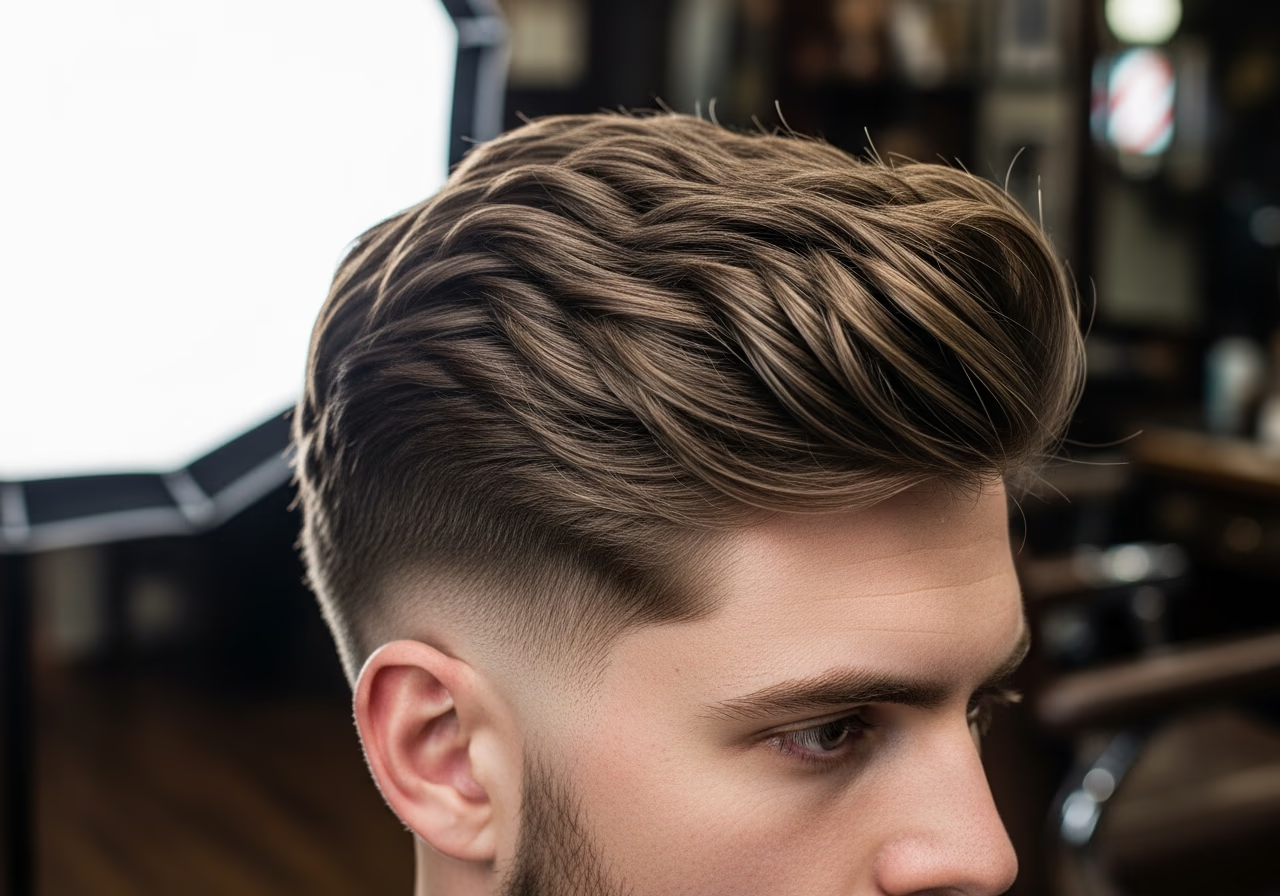
About this look — The Voluminous Side Swept Layers removes internal bulk with layers so the ends move; the outside length stays the same.
- Best face shape
- Any — layers soften whatever face shape they meet.
- What to tell your barber
- Specify: preserve the perimeter length, add internal layers starting at cheekbone or chin — never above.
- Maintenance
- 8–10 weeks between cuts. Layers soften slowly so you can stretch this.
- Style at home
- Prep with a heat protectant on damp hair.
- Round-brush from underneath for volume.
- Finish with a light hold spray.
Short Sides Wide Layered Top
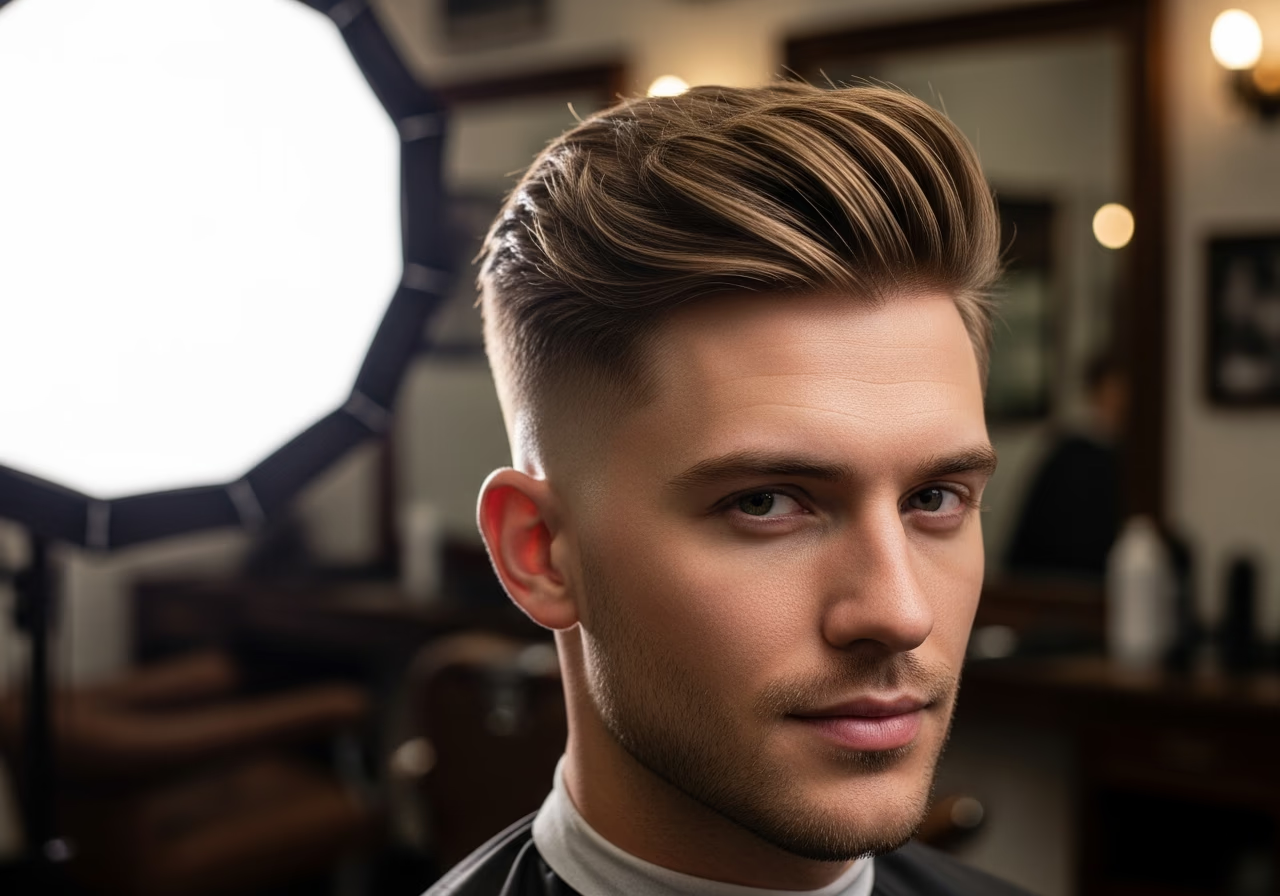
About this look — The Short Sides Wide Layered Top cuts layers inside the shape to lighten weight and add movement while keeping the perimeter.
- Best face shape
- Any — layers soften whatever face shape they meet.
- What to tell your barber
- Book layered work — protect the perimeter length in inches, add internal layering from the cheekbone down.
- Maintenance
- Every 8–10 weeks; layers are the most forgiving structure between visits.
- Style at home
- Blow-dry with a round brush to lift the layers.
- Mist with texture spray.
- Finger-style to soften.
Textured Quiff Heavy Layering
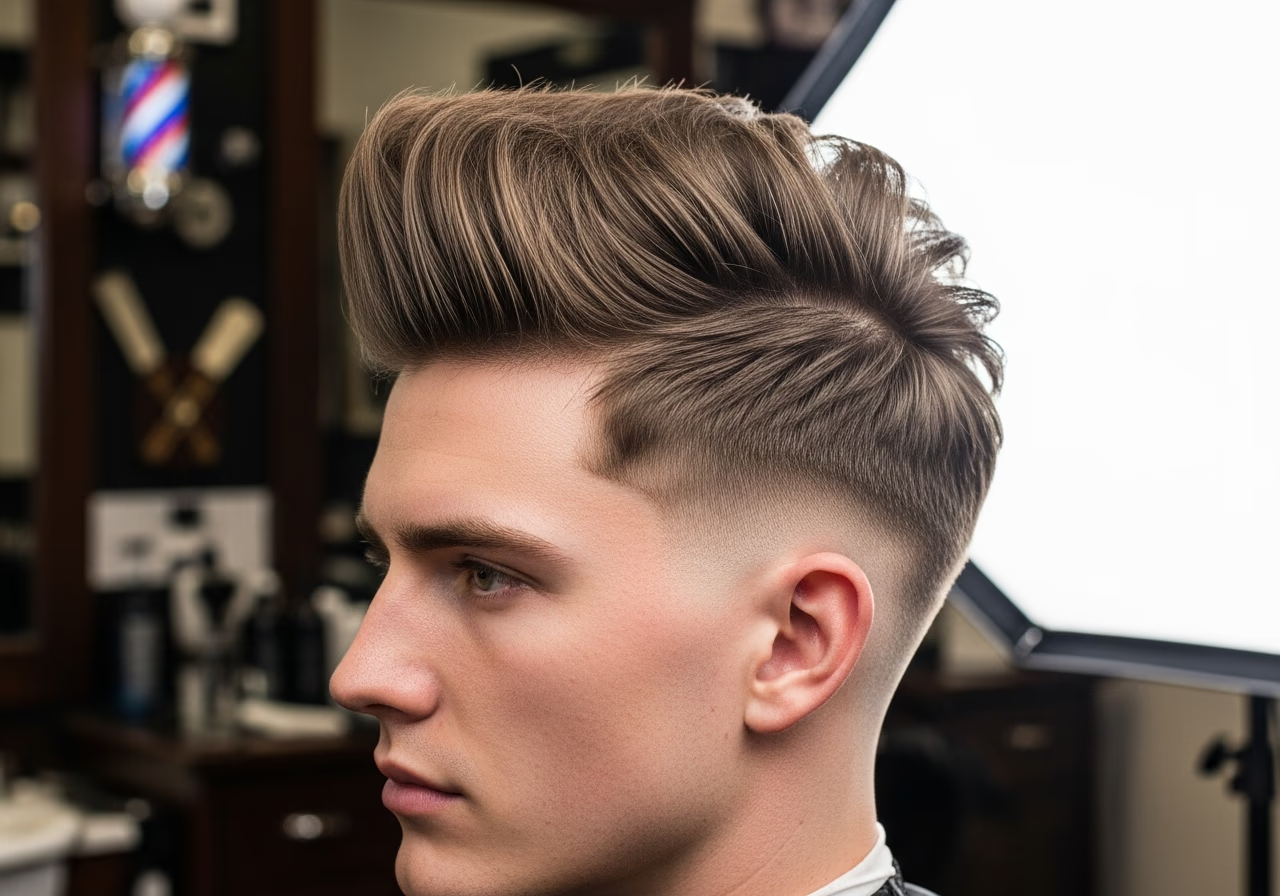
About this look — The Textured Quiff Heavy Layering brings the front length up and slightly back with texture — less structured than a pompadour, more editorial than a comb-back.
- Best face shape
- Oval, heart, round — the height elongates the face.
- What to tell your barber
- Ask for a Quiff: 3–4 inches on top, tapered or faded sides, front lifted up and slightly back.
- Maintenance
- Medium. Every 4 weeks for the sides.
- Style at home
- Blow-dry the front up and back with your fingers.
- Apply a matte clay for hold.
- Finish with texture spray for movement.
Messy Textured Fringe Thick
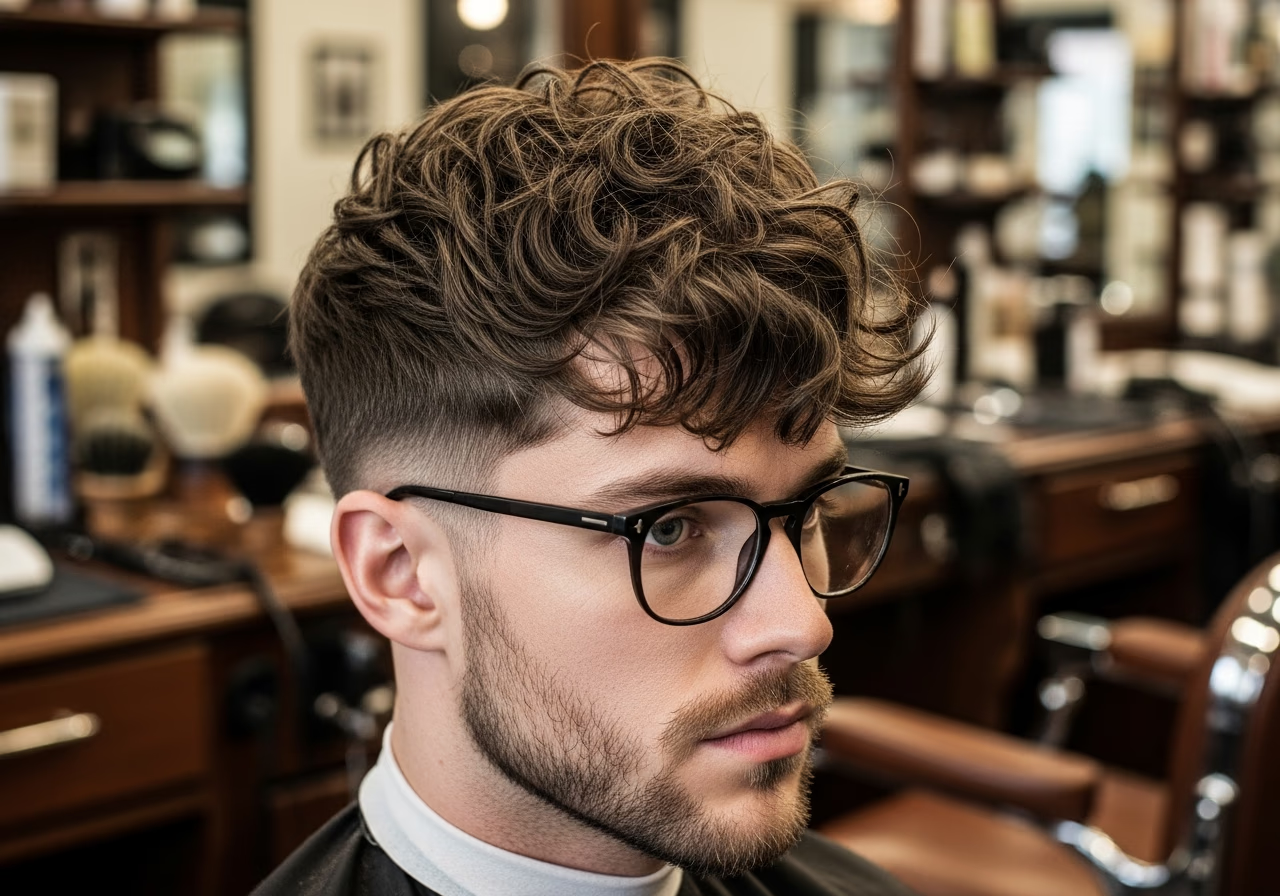
About this look — The Messy Textured Fringe Thick cuts a fringe at a specific length and shape (blunt, wispy, curtain, or micro) sitting where you want on the brow.
- Best face shape
- Oval, long, heart — bangs shorten a long face and soften a strong forehead.
- What to tell your barber
- Ask for the exact fringe style (blunt / wispy / curtain / micro) and where you want it to sit on your brow.
- Maintenance
- Fringe needs a 3–4 week trim; ask your stylist for a free fringe-only touch-up between full cuts.
- Style at home
- Blast the fringe with cool air first to set the shape.
- Round-brush across, not straight down.
- Finish with a touch of dry shampoo at the roots.
Blowout Internal Thinning
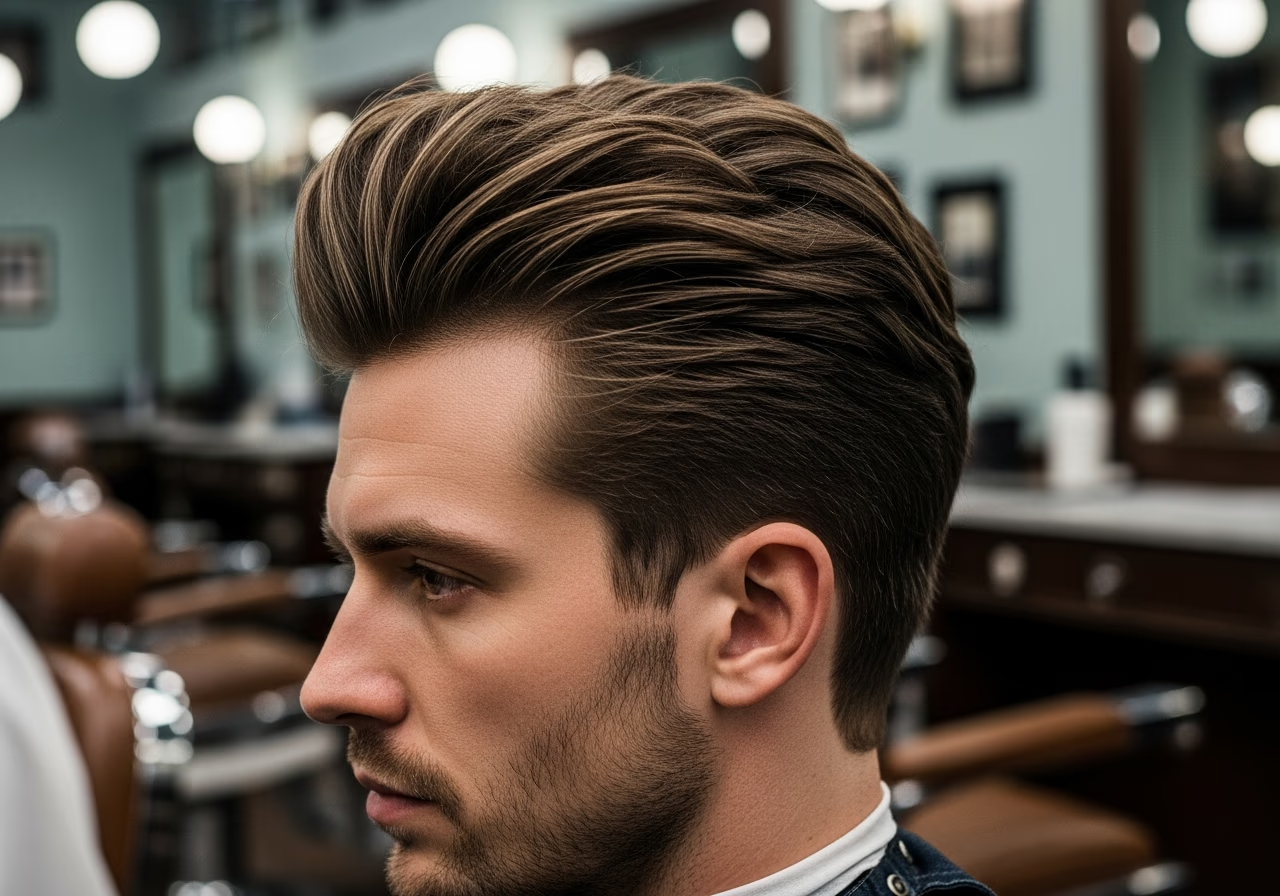
About this look — The Blowout Internal Thinning works with hair loss rather than against it — keeping the length short and even so the shape reads intentional.
- Best face shape
- Any — the goal is confidence, not concealment.
- What to tell your barber
- Ask for a short, even cut (buzz #2 or #3, or a low taper); avoid combovers that draw attention to thinning areas.
- Maintenance
- Low. Every 3–5 weeks — short cuts read cleanest.
- Style at home
- Wash with a scalp-friendly shampoo.
- Towel-dry.
- Optional: apply a lightweight scalp moisturizer.
Permed Texture Control Cut
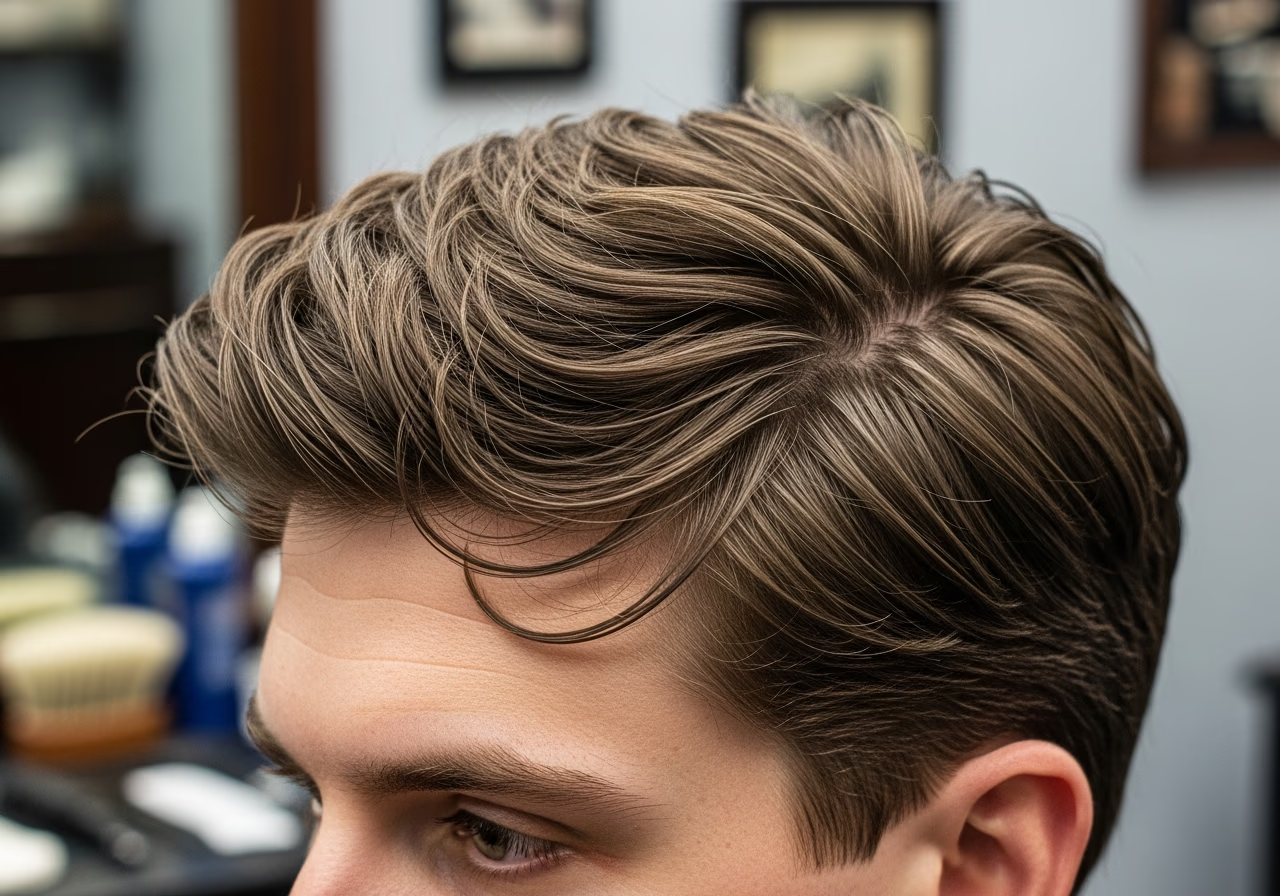
About this look — The Permed Texture Control Cut a versatile style that suits a wide range of face shapes and hair types when tailored in the chair.
- Best face shape
- Any — the stylist tunes length and layers to your specific face.
- What to tell your barber
- Ask for the exact style by name and bring one photo of the version you want.
- Maintenance
- Medium. Every 6–8 weeks to hold the shape.
- Style at home
- Apply a heat protectant to damp hair.
- Blow-dry with a round brush.
- Set with a light hairspray.
Hybrid Undercut Heavy Texturing
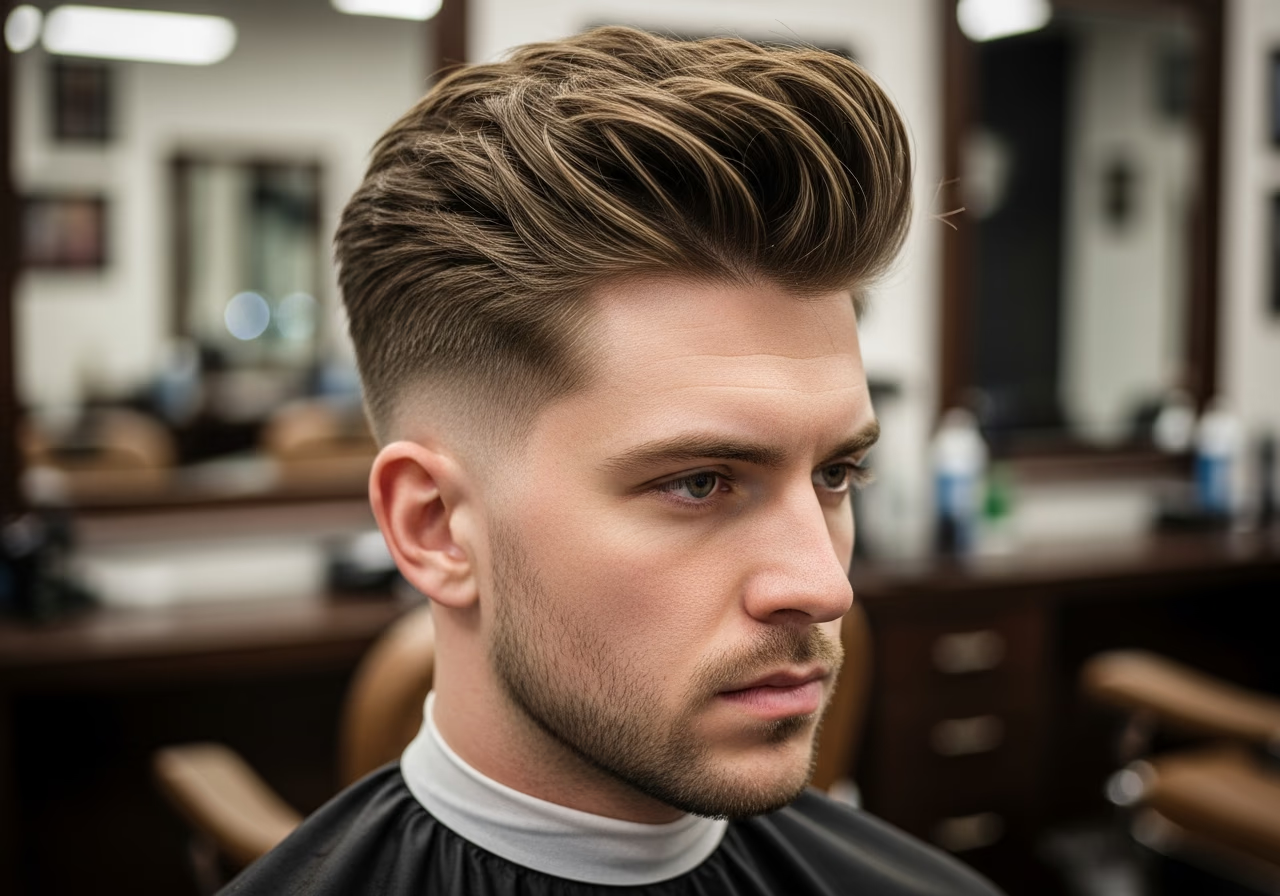
About this look — The Hybrid Undercut Heavy Texturing keeps the top long while cutting the sides and back very short — the contrast is the whole point.
- Best face shape
- Oval, square, diamond — works best when the top has visual weight.
- What to tell your barber
- Ask for a disconnected undercut: hard line between top and sides, #1 or #2 guard on the sides.
- Maintenance
- Medium-high. Every 3–4 weeks to keep the disconnection crisp.
- Style at home
- Blow-dry the top in whichever direction it's meant to sit (back, forward, or side).
- Apply matte clay to hold the shape.
- Slick the sides down with a drop of oil.
Angular Fringe Layering
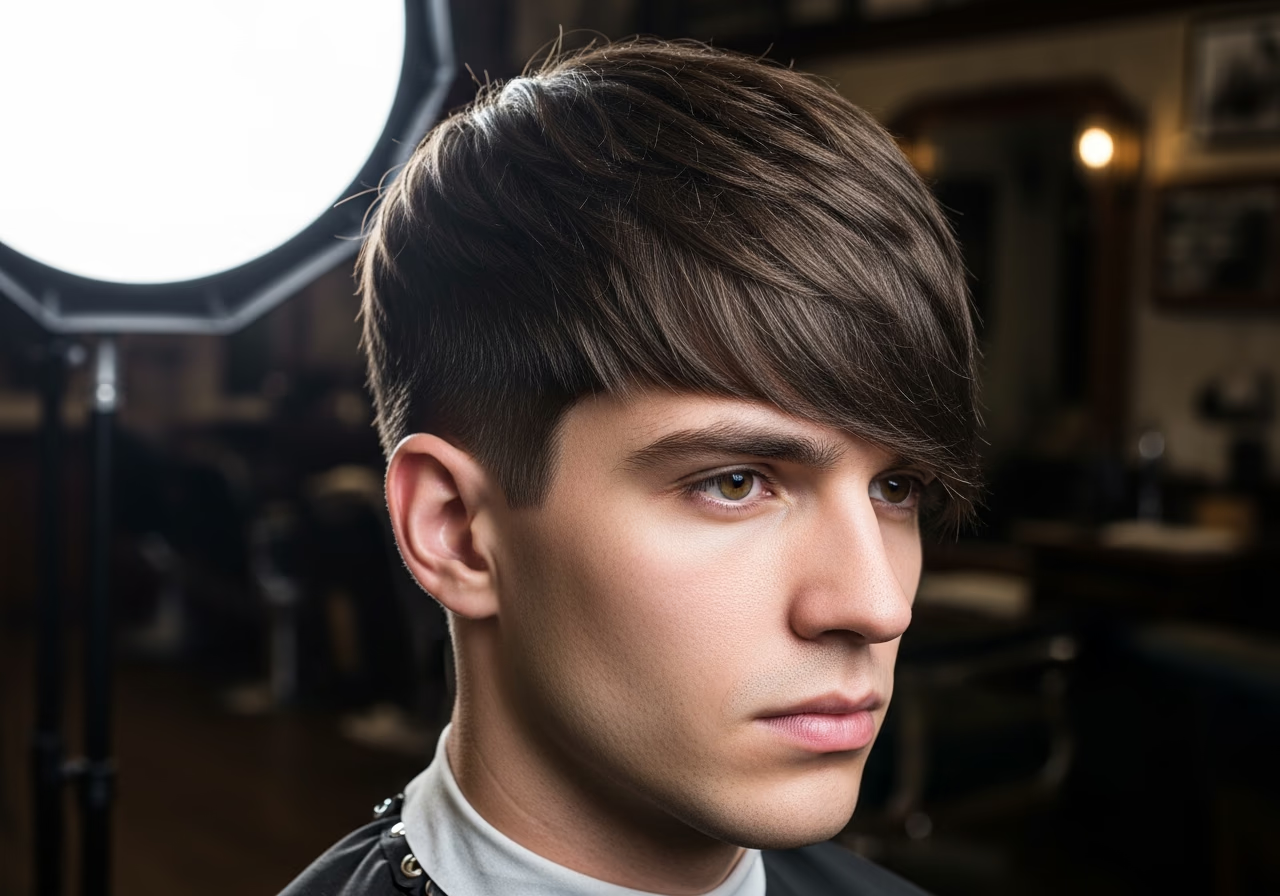
About this look — The Angular Fringe Layering cuts a fringe at a specific length and shape (blunt, wispy, curtain, or micro) sitting where you want on the brow.
- Best face shape
- Flatters oval, long, and heart shapes by breaking the vertical line of the face.
- What to tell your barber
- Tell your stylist the fringe style you want (blunt, wispy, curtain, or micro), the length line on your face, and how heavy or piecey to leave it.
- Maintenance
- 3–4 weeks for the fringe alone; the rest of the cut can go 8+ weeks.
- Style at home
- Blow-dry the fringe straight down with a round brush.
- Optional: use dry shampoo at the roots for lift.
- Finger-shape the fringe.
Fluffy Textured French Crop
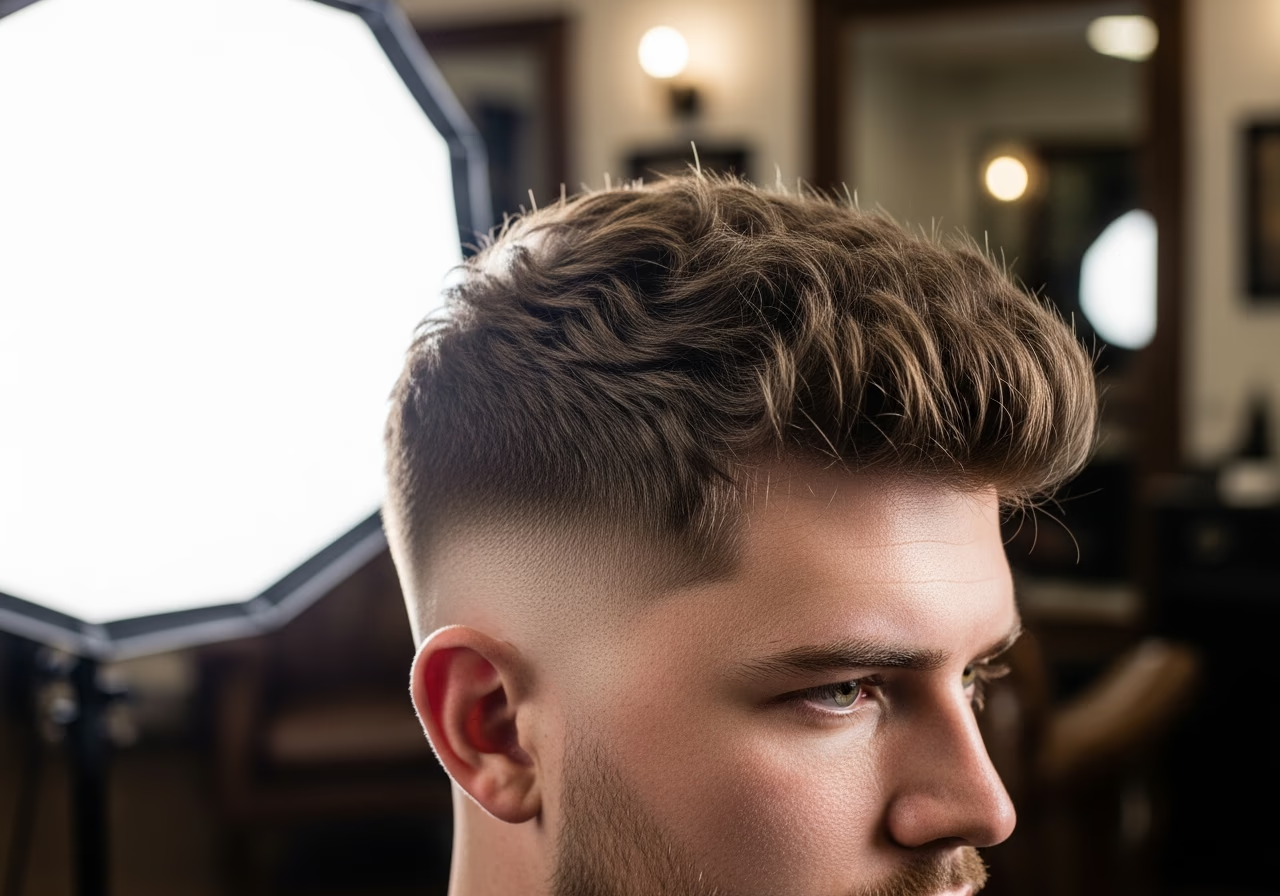
About this look — The Fluffy Textured French Crop keeps the top forward-brushed and short, with the sides tapered clean for a modern, low-effort read.
- Best face shape
- Oval, round and heart — the fringe balances a wider forehead.
- What to tell your barber
- Ask for a Fluffy Textured French Crop: 2–3 inches on top, brushed forward with texture, sides tapered or short-faded.
- Maintenance
- Medium. Every 4–5 weeks to keep the fringe from creeping over the eyes.
- Style at home
- Rough-dry the hair forward with your fingers.
- Rub a pea of matte paste between your palms and press through the top.
- Neaten the fringe with a comb — no other product needed.
Wide Mop Heavy Layers
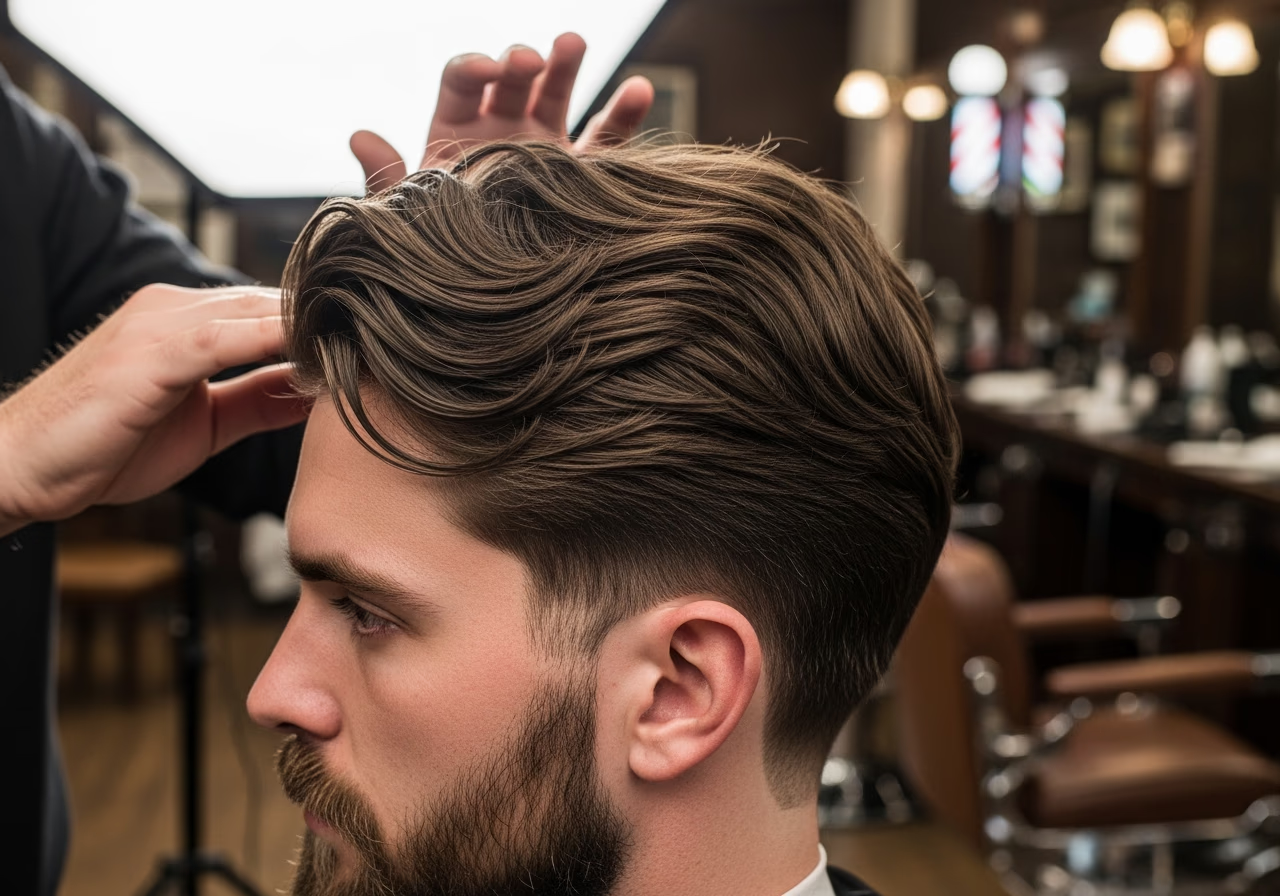
About this look — The Wide Mop Heavy Layers cuts layers inside the shape to lighten weight and add movement while keeping the perimeter.
- Best face shape
- Universally flattering — layers add softness regardless of face shape.
- What to tell your barber
- Ask for internal layering: keep the length, add layers starting at the cheekbone or lower.
- Maintenance
- Medium. Every 8–10 weeks to preserve the layer plan.
- Style at home
- Diffuse damp hair to preserve natural texture.
- Break up sections with a light styling cream.
- Set with texture spray.
Temple Volume Layered Cut
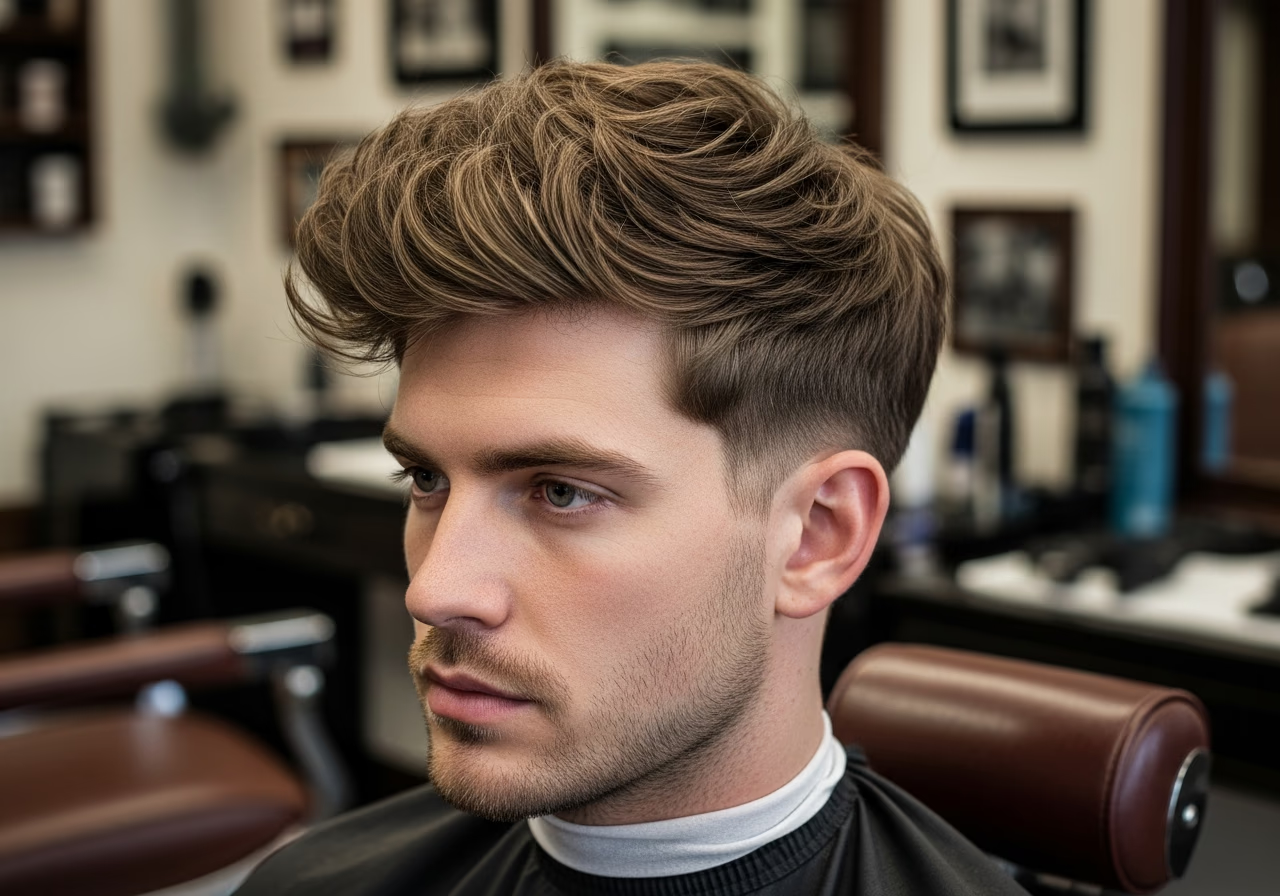
About this look — The Temple Volume Layered Cut cuts layers inside the shape to lighten weight and add movement while keeping the perimeter.
- Best face shape
- Any face shape; the specific layer placement is what tunes the cut to your features.
- What to tell your barber
- Book layered work — protect the perimeter length in inches, add internal layering from the cheekbone down.
- Maintenance
- 8–10 weeks between cuts. Layers soften slowly so you can stretch this.
- Style at home
- Prep with a heat protectant on damp hair.
- Round-brush from underneath for volume.
- Finish with a light hold spray.
Rounded Messy Crop Thick
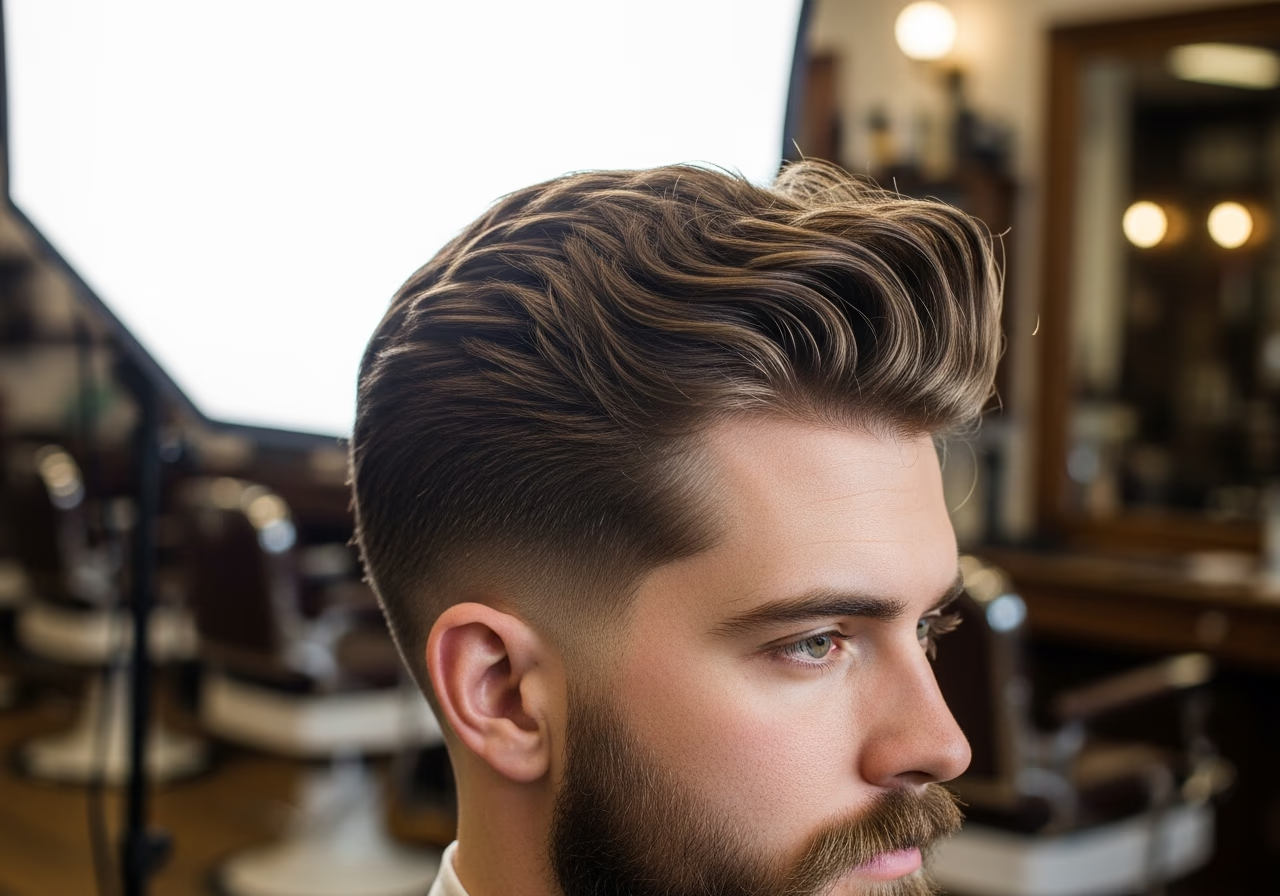
About this look — The Rounded Messy Crop Thick a versatile style that suits a wide range of face shapes and hair types when tailored in the chair.
- Best face shape
- Any — the stylist tunes length and layers to your specific face.
- What to tell your barber
- Ask for the exact style by name and bring one photo of the version you want.
- Maintenance
- Medium. Every 6–8 weeks to hold the shape.
- Style at home
- Apply a heat protectant to damp hair.
- Blow-dry with a round brush.
- Set with a light hairspray.
Side Volume Taper Texturing
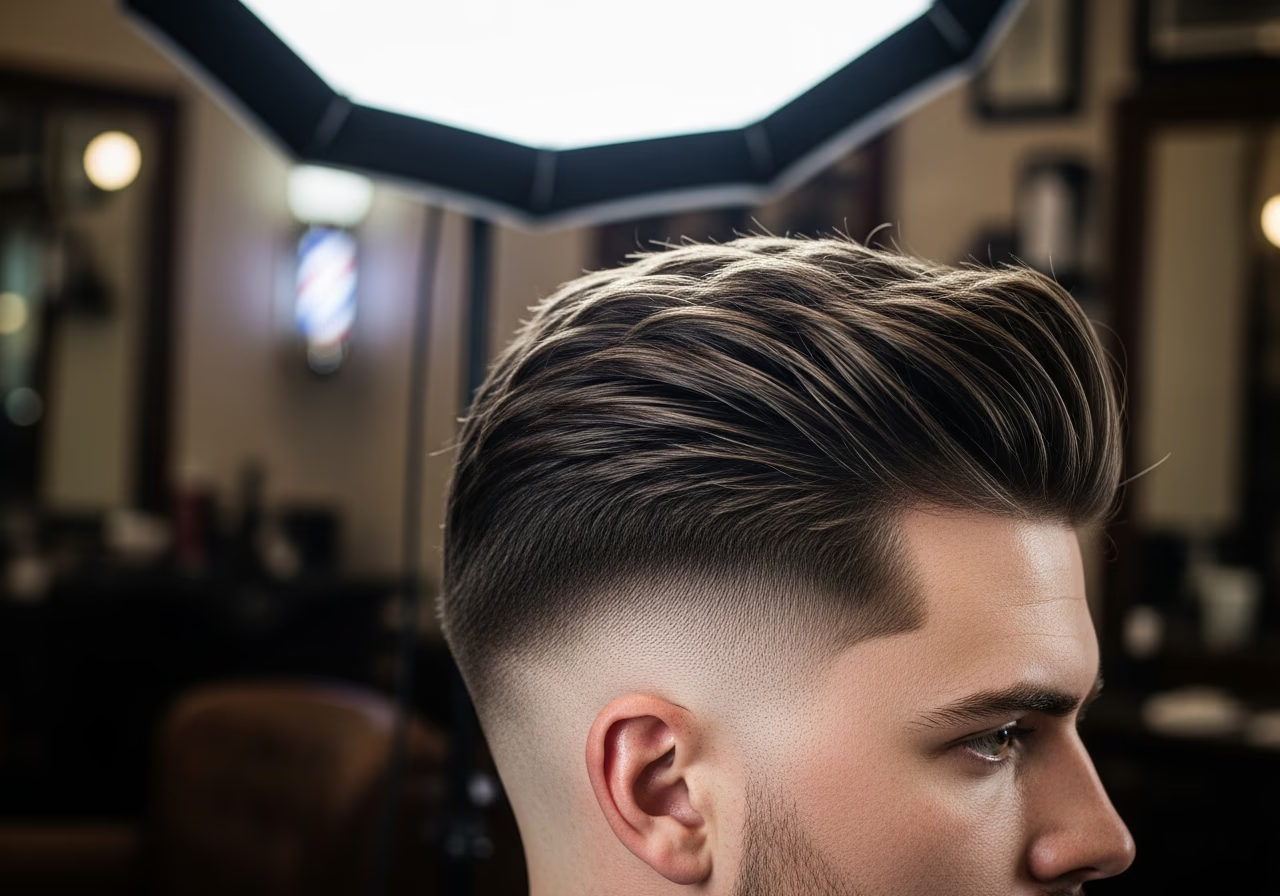
About this look — The Side Volume Taper Texturing a versatile style that suits a wide range of face shapes and hair types when tailored in the chair.
- Best face shape
- Any — the stylist tunes length and layers to your specific face.
- What to tell your barber
- Ask for the exact style by name and bring one photo of the version you want.
- Maintenance
- Medium. Every 6–8 weeks to hold the shape.
- Style at home
- Apply a heat protectant to damp hair.
- Blow-dry with a round brush.
- Set with a light hairspray.
Horizontal Layered Fringe Thick
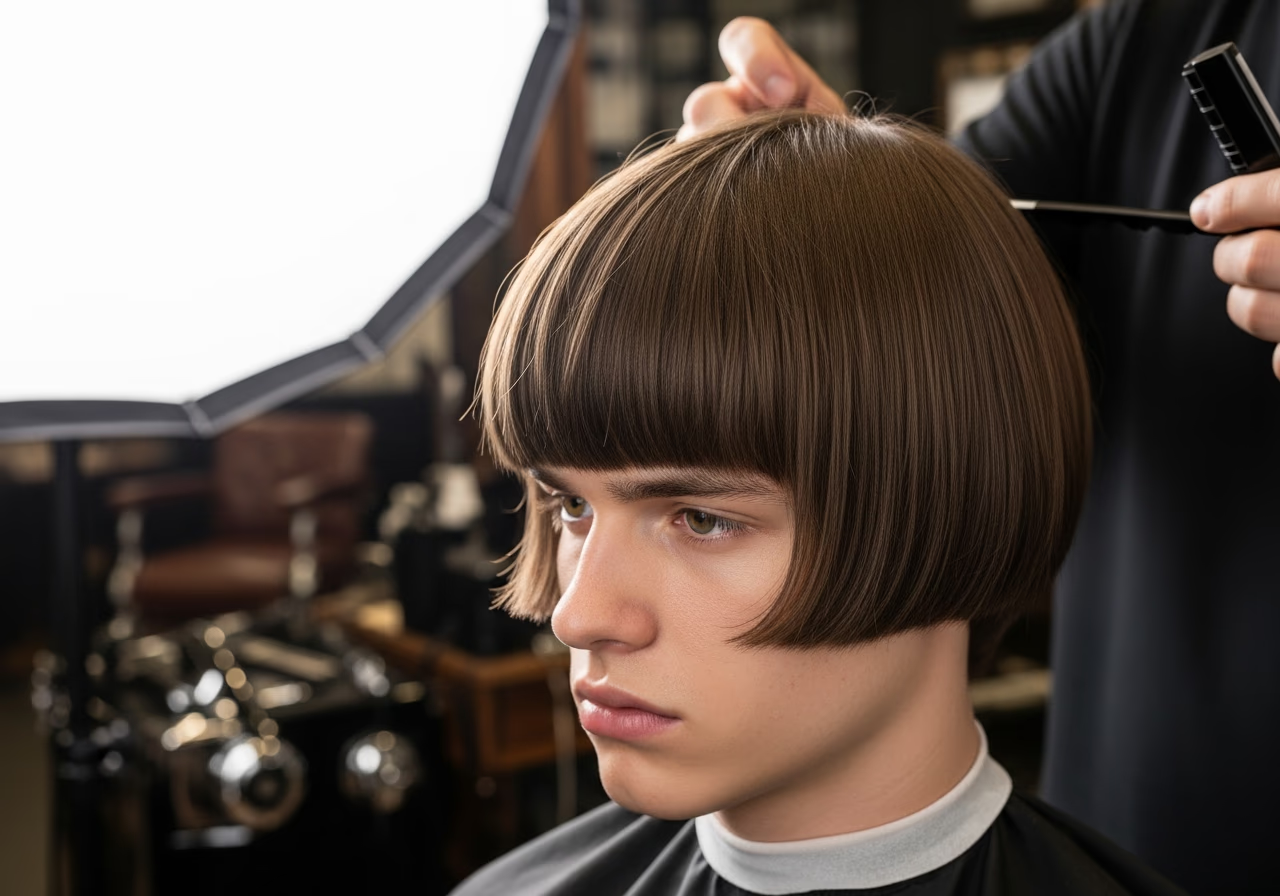
About this look — The Horizontal Layered Fringe Thick cuts layers inside the shape to lighten weight and add movement while keeping the perimeter.
- Best face shape
- Any — layers soften whatever face shape they meet.
- What to tell your barber
- Specify: preserve the perimeter length, add internal layers starting at cheekbone or chin — never above.
- Maintenance
- Medium. Every 8–10 weeks to preserve the layer plan.
- Style at home
- Diffuse damp hair to preserve natural texture.
- Break up sections with a light styling cream.
- Set with texture spray.
Versatile Heavy Layered Cut
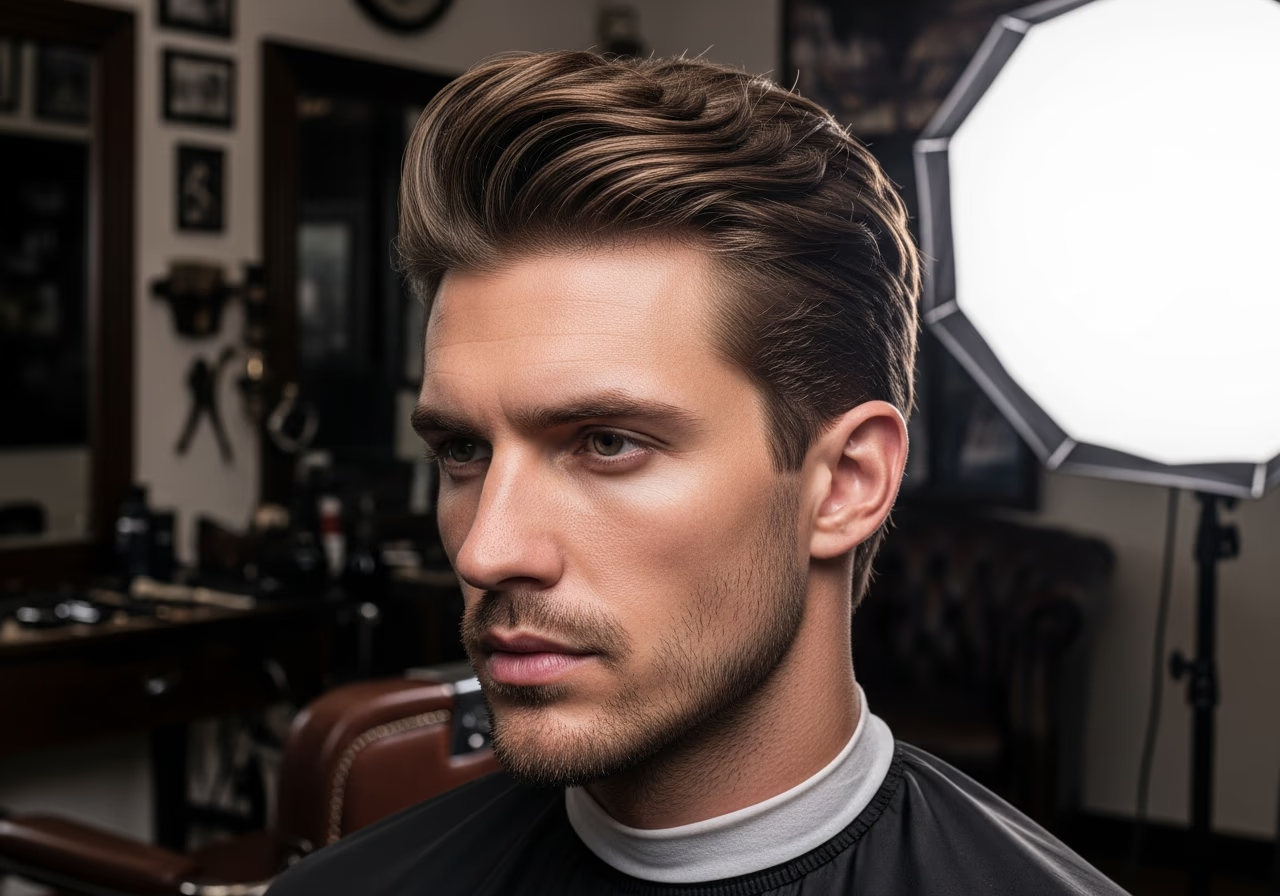
About this look — The Versatile Heavy Layered Cut builds internal layers so the hair moves — the outer length stays where it is, the interior does the work.
- Best face shape
- Any — layers soften whatever face shape they meet.
- What to tell your barber
- Ask for internal layering: keep the length, add layers starting at the cheekbone or lower.
- Maintenance
- 8–10 weeks between cuts. Layers soften slowly so you can stretch this.
- Style at home
- Diffuse damp hair to preserve natural texture.
- Break up sections with a light styling cream.
- Set with texture spray.
Textured Side Part Crop
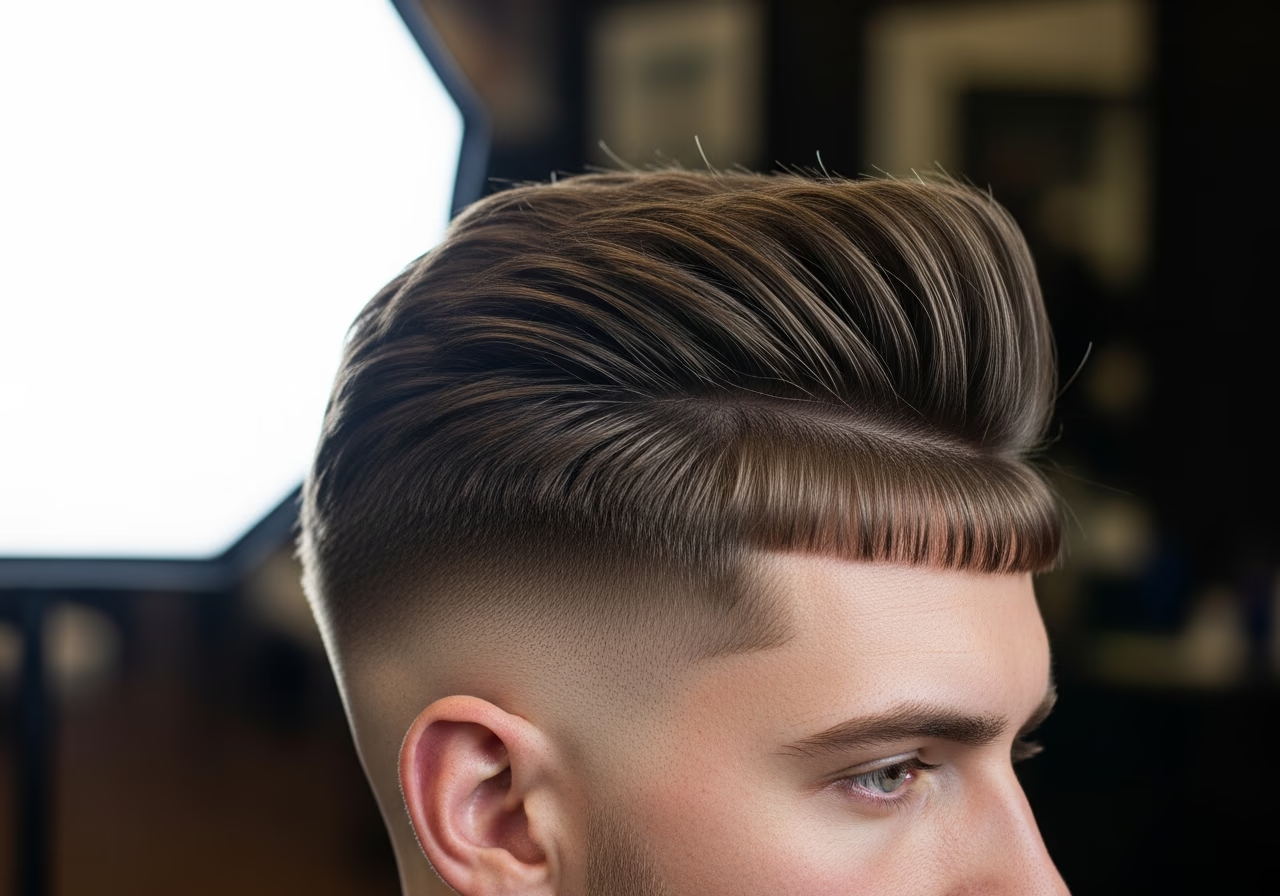
About this look — The Textured Side Part Crop creates a defined hard part on one side with the length combed across — clean, corporate-safe, classic.
- Best face shape
- Oval, round, square — a low-risk, broadly flattering shape.
- What to tell your barber
- Ask for a Side Part: hard part carved into one side, top combed across.
- Maintenance
- Medium. Every 4 weeks to keep the part line sharp.
- Style at home
- Blow-dry the top across the part with a round brush.
- Apply a shine pomade.
- Comb the part line clean.
Modern Crew Heavy Texturing
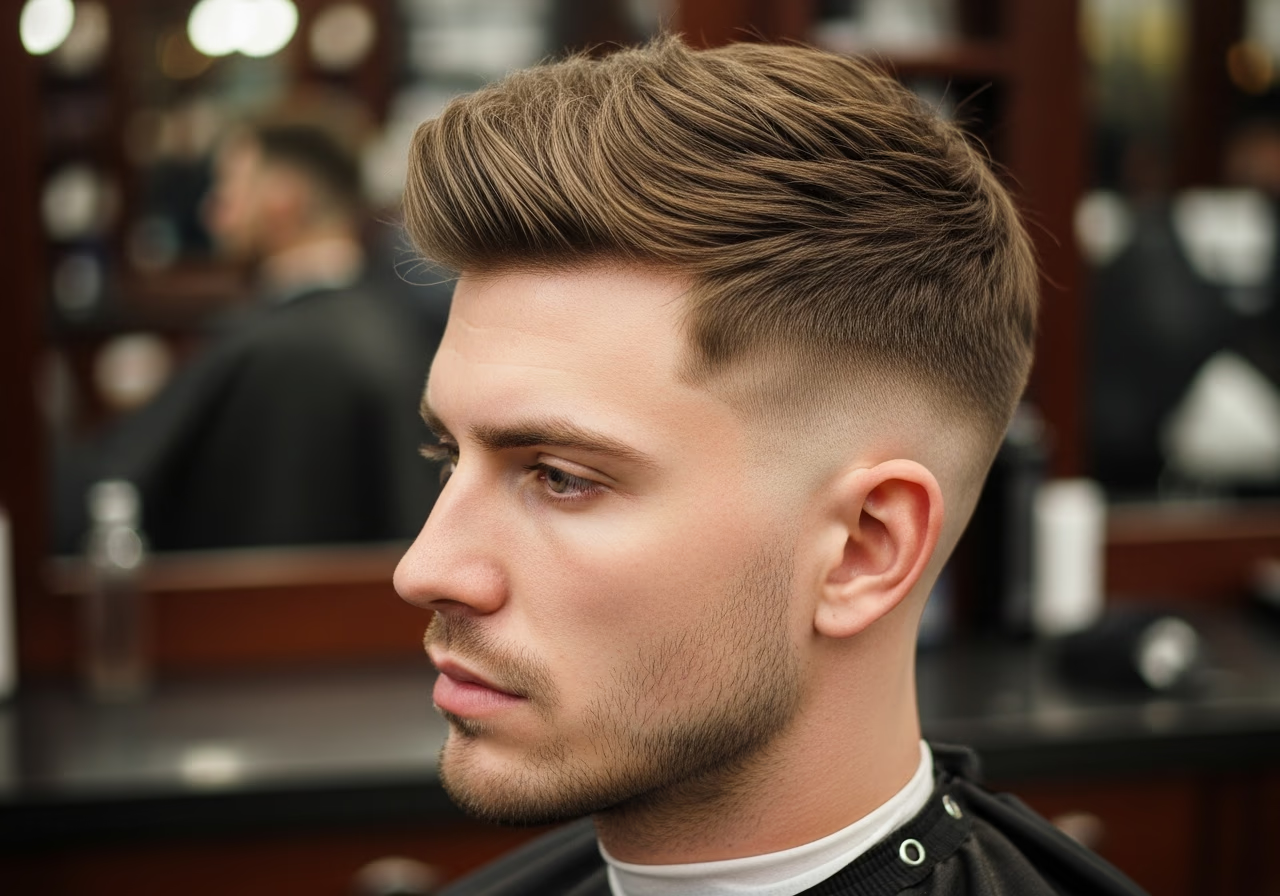
About this look — The Modern Crew Heavy Texturing keeps the top slightly longer than a buzz — a classic short cut that reads sharp in any environment.
- Best face shape
- Oval, square — a broadly flattering short shape.
- What to tell your barber
- Ask for a Crew Cut: 1 inch on top, tapered sides, clean neckline.
- Maintenance
- Medium. Every 4 weeks holds the shape.
- Style at home
- Towel-dry and comb straight back.
- Optional: a pea of matte pomade for hold.
- No spray needed — the cut carries itself.
Feathered Layers Thick Hair
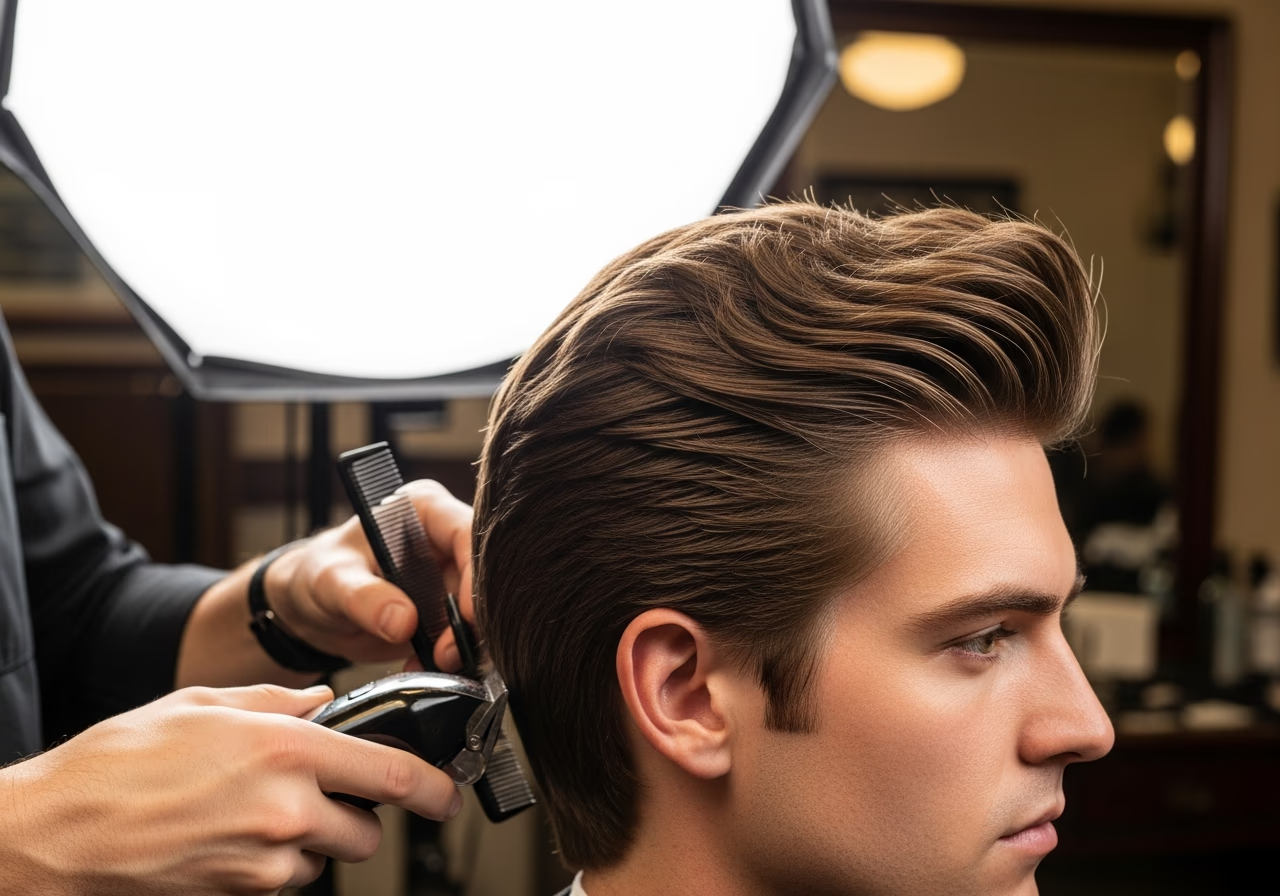
About this look — The Feathered Layers Thick Hair cuts layers inside the shape to lighten weight and add movement while keeping the perimeter.
- Best face shape
- Any face shape; the specific layer placement is what tunes the cut to your features.
- What to tell your barber
- Specify: preserve the perimeter length, add internal layers starting at cheekbone or chin — never above.
- Maintenance
- Medium. Every 8–10 weeks to preserve the layer plan.
- Style at home
- Blow-dry with a round brush to lift the layers.
- Mist with texture spray.
- Finger-style to soften.
Wide Temple Boost Layers
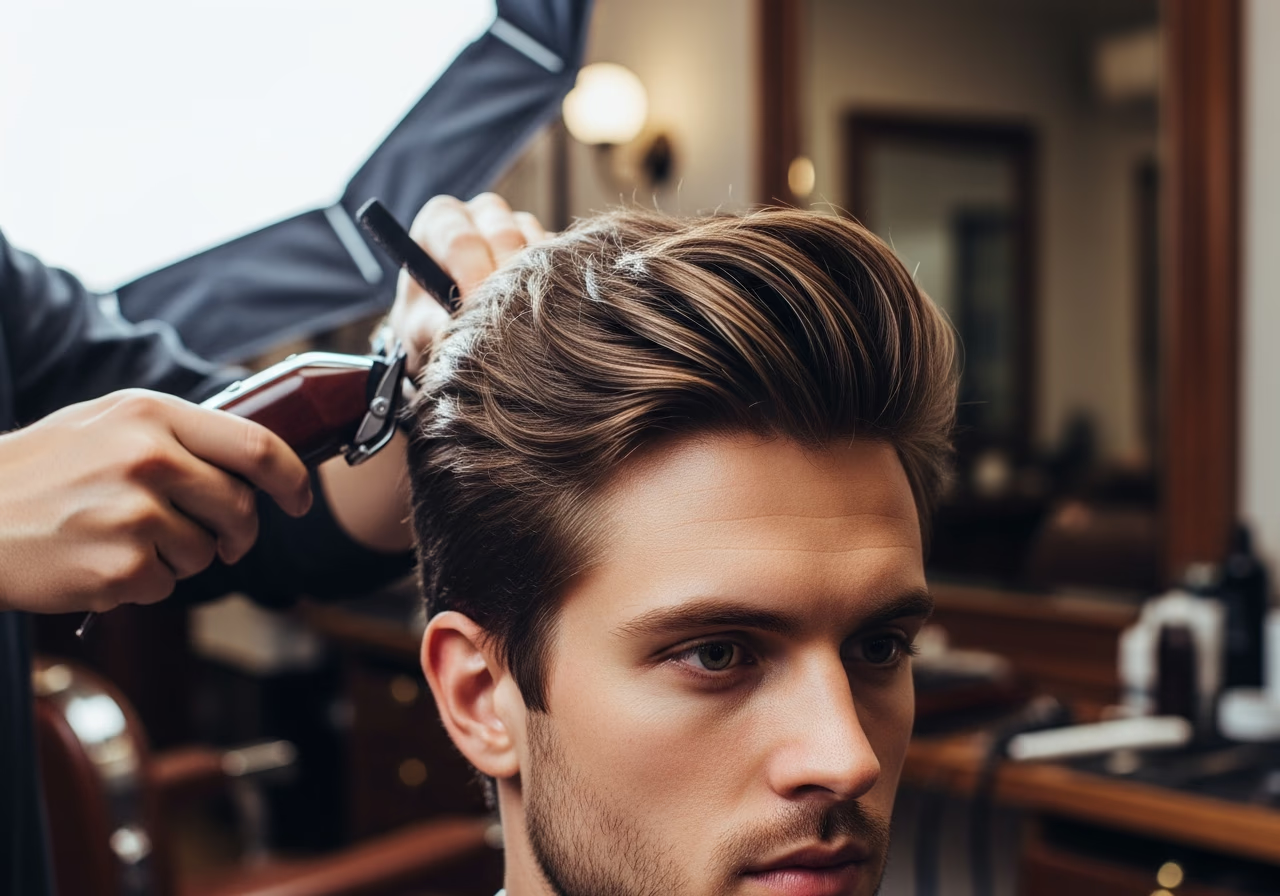
About this look — The Wide Temple Boost Layers builds internal layers so the hair moves — the outer length stays where it is, the interior does the work.
- Best face shape
- Any — layers soften whatever face shape they meet.
- What to tell your barber
- Specify: preserve the perimeter length, add internal layers starting at cheekbone or chin — never above.
- Maintenance
- 8–10 weeks between cuts. Layers soften slowly so you can stretch this.
- Style at home
- Diffuse damp hair to preserve natural texture.
- Break up sections with a light styling cream.
- Set with texture spray.
Rounded Pompadour Texturing
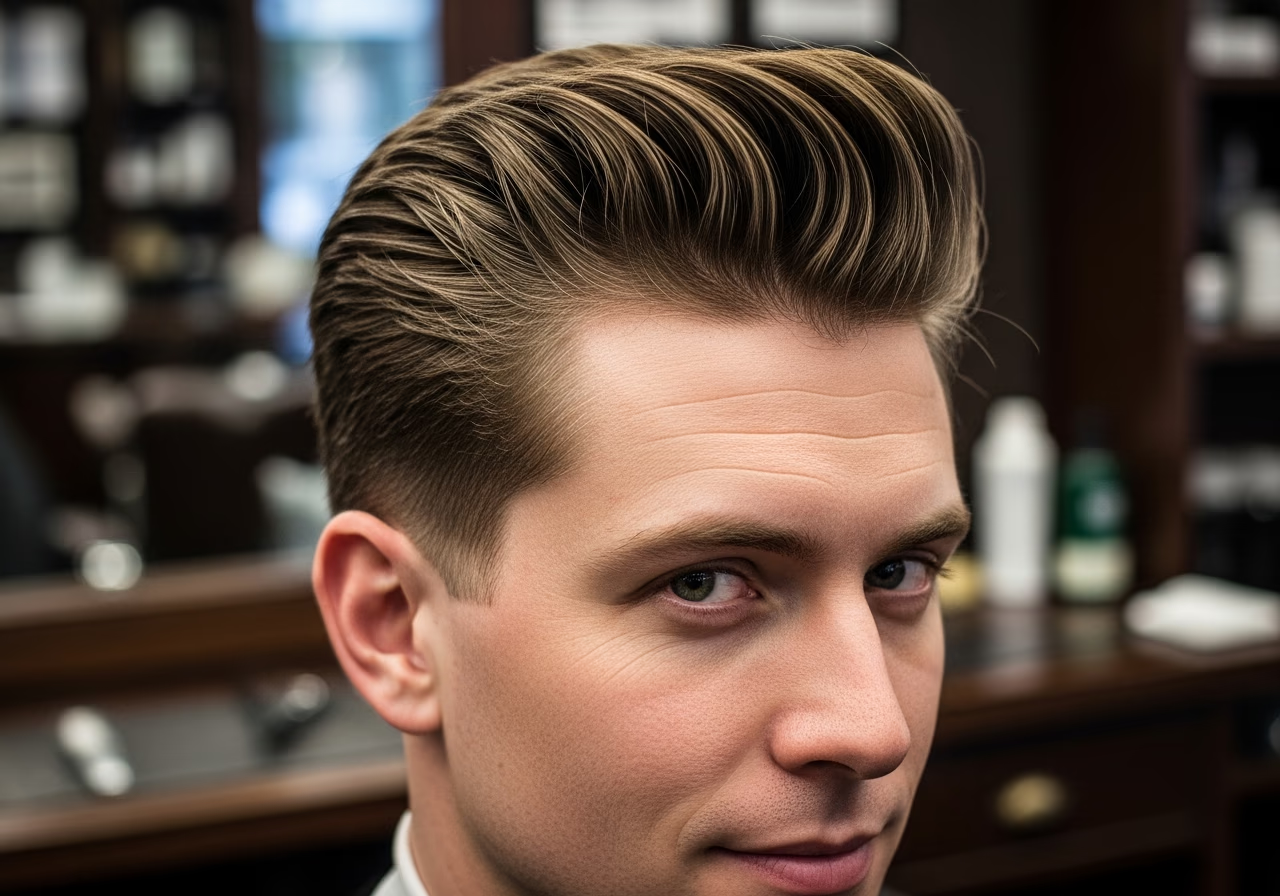
About this look — The Rounded Pompadour Texturing sweeps the length on top up and back into a rounded volume above the forehead — high-shine or matte depending on product.
- Best face shape
- Oval, heart, square — adds height that flatters most faces.
- What to tell your barber
- Ask for a Pompadour: 3–4 inches on top, tapered sides, top brushed up and back.
- Maintenance
- Medium. Every 4 weeks for the sides; the top can grow longer.
- Style at home
- Blow-dry the top up and back with a round brush.
- Apply pomade (shine or matte, your call) to hold the volume.
- Comb the shape and finish with a mist of hairspray.
Maximum Textured Layered Crop
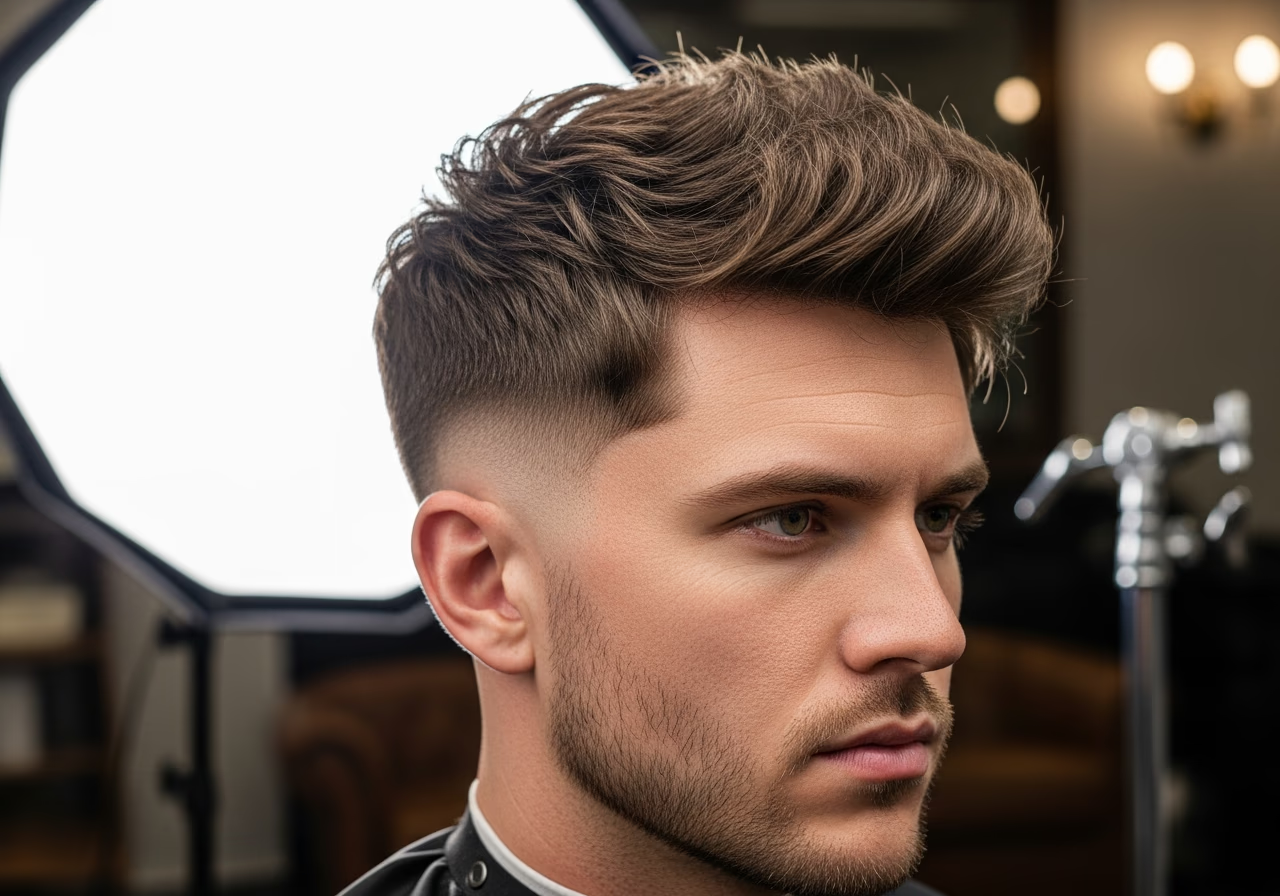
About this look — The Maximum Textured Layered Crop builds internal layers so the hair moves — the outer length stays where it is, the interior does the work.
- Best face shape
- Any face shape; the specific layer placement is what tunes the cut to your features.
- What to tell your barber
- Specify: preserve the perimeter length, add internal layers starting at cheekbone or chin — never above.
- Maintenance
- Medium. Every 8–10 weeks to preserve the layer plan.
- Style at home
- Diffuse damp hair to preserve natural texture.
- Break up sections with a light styling cream.
- Set with texture spray.
Why Haircuts for Men with Thick Hair Is Dominating 2026
Barbershops worldwide report the haircuts for men with thick hair among their most consistently requested men's cuts — for men of all ages, textures, and backgrounds. Its staying power comes from its ability to look simultaneously fresh and classic — it reads as current without being purely trendy. The technical execution is what separates a great haircuts for men with thick hair from a merely acceptable one. A barber who understands the specific proportions, blending technique, and finishing approach required can transform this from a pleasant cut into a genuinely signature style.Haircuts for Men with Thick Hair for Different Face Shapes
| Face Shape | Best Haircuts for Men with Thick Hair Approach | Why It Works |
|---|---|---|
| Oval | Any variation — most versatile face shape | Balanced proportions work with all interpretations |
| Round | Taller top, tighter sides | Height counterbalances the face's width |
| Square | Textured or softened top section | Movement softens angular jawlines |
| Oblong | Avoid excessive height | Prevents adding further visual length |
| Diamond | Volume at crown, modest sides | Adds width at the narrow forehead |
Styling Tips & Maintenance for Haircuts for Men with Thick Hair
Products that work best:- Matt clay or paste: The most versatile product for most haircuts for men with thick hair variations — adds grip and texture without shine
- Light-hold spray: Locks the finished style in place for all-day hold
- Dry shampoo: Refreshes volume and texture between wash days
- Wash or refresh hair as needed for your hair type
- Apply product while hair is damp or dry depending on desired finish
- Style to match the chosen variation's technique
- Use a finishing spray if the style needs hold throughout the day
Is the haircuts for men with thick hair right for my hair type?
The haircuts for men with thick hair works across most hair types, though the specific variation should be chosen with your texture in mind. Fine hair benefits from shorter, more precise versions; thick hair may need internal thinning; curly and wavy hair can lean into their natural texture as part of the style.How long does the haircuts for men with thick hair take to style each morning?
With the right technique and products, most haircuts for men with thick hair variations take 3–8 minutes to style. The first few weeks take longer as you learn the technique — it becomes muscle memory within 2–4 weeks of consistent practice.Can I get a haircuts for men with thick hair if I'm balding or have thin hair?
This depends on the variation. Shorter, crisper versions of the haircuts for men with thick hair generally work better for thinning hair than longer versions. Consult with your barber about which specific interpretation makes the most of your current density.What's the difference between haircuts for men with thick hair and similar…
The haircuts for men with thick hair is defined by its specific proportions, blending technique, and finishing approach. Related styles may share some visual similarities but differ in the technical execution, length ratios, or the specific areas of emphasis. Your barber can show you clear reference photos that define what's unique about this style.Advertisement
How much does a haircuts for men with thick hair cost at a barbershop?
A standard haircuts for men with thick hair typically costs $45–$90 depending on location, barber experience, and complexity of the cut. For styles with precision fade work or specialized technique, $45–$90 is common at quality barbershops in major cities.Keep Your Thick Hair Cut Looking Fresh
Choosing the right variation is just the start. See exactly how to care for it at home — the ideal trim schedule, best products, daily routine, and the most common maintenance mistakes to avoid. → Complete Maintenance Guide: How to Maintain a Thick Hair Cut in 2026Best Drop Fade Haircut for Men in 2026
More Expert Guides
Browse All Hairstyle Categories
All by Jessica Haircuts by Length