How to Choose the Right Long Hairstyle for You
A long hairstyle suits almost anyone, but the variation makes the difference. Here is how I pick the right one in the chair.
By face shape
- Round face: Vertical movement matters — keep the top a little taller or layered to elongate the face.
- Oval face: Almost any variation works on you. Pick by hair type and the time you can spend styling.
- Square face: Soften the jaw with face-framing layers or a wispy fringe; avoid hard one-length edges.
- Heart face: Add width at the chin — chin-length lobs and side-swept fringes balance a wider forehead.
- Long face: Keep the silhouette wider than it is tall — fuller sides, less height, ear-to-chin layering.
By hair type
- Fine or thin hair: Texture is your friend. Ask for point-cut layering and air-dry with a volumizing mousse.
- Thick or coarse: Get internal layering to remove weight, otherwise the long hairstyle reads heavy by day three.
- Curly or coily (3A–4C): Cut dry on a defined curl — wet hair stretches and you will lose 20% of the silhouette when it dries.
- Straight or wavy: Most variations work cleanly. Pick by face shape and lifestyle, not behavior.
- Fine + oily scalp: Wash with a clarifying shampoo every third wash; use cool-water rinses to keep the cuticle flat.
By lifestyle
- Low maintenance: Pick the longest version of the long hairstyle you can — it forgives 6–8 weeks between visits.
- Office / corporate: Smooth blow-dry, light styling product, neutralized volume.
- Gym + everyday: Air-dry friendly variations; use a leave-in and a satin pillowcase to protect the shape.
- Event / photo day: Pin out the long hairstyle into a half-up or fastened look — keeps it photogenic for hours.
Long Box Braids Natural Hair
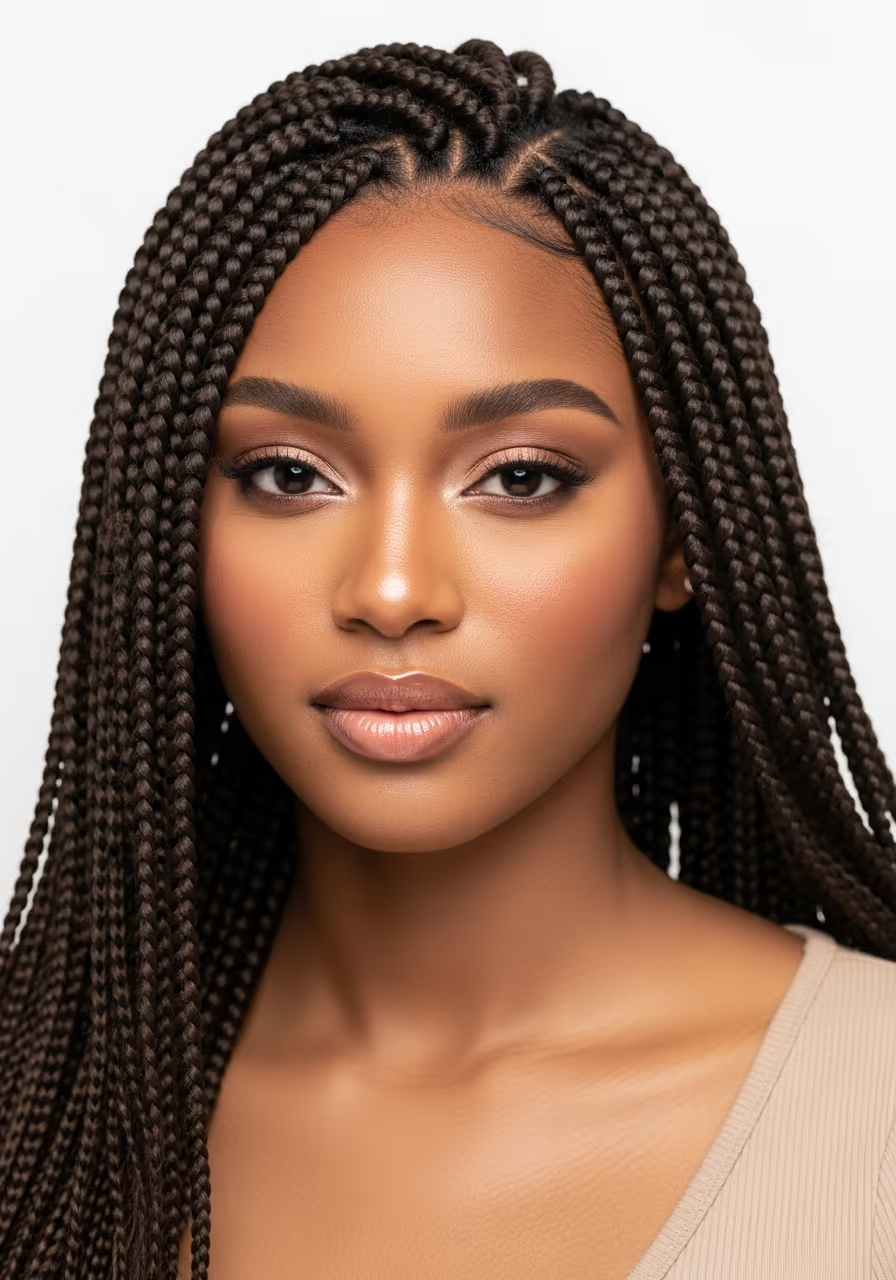
About this look — The Long Box Braids Natural Hair divides the hair into rows or sections and interlaces them into the chosen braid pattern.
- Best face shape
- Any face; braids sit against the scalp regardless of shape.
- What to tell your barber
- Book a braid specialist and specify the pattern (box, knotless, feed-in, or cornrow) and end method (sealed with hot water or hair-tucked).
- Maintenance
- Every 4–8 weeks between installs. Nightly satin scarf preserves the pattern.
- Style at home
- Detangle wet hair with a wide-tooth comb.
- Section using a rat-tail comb, keeping the parts clean.
- Braid to the ends and secure.
Long Knotless Braids Natural Hair
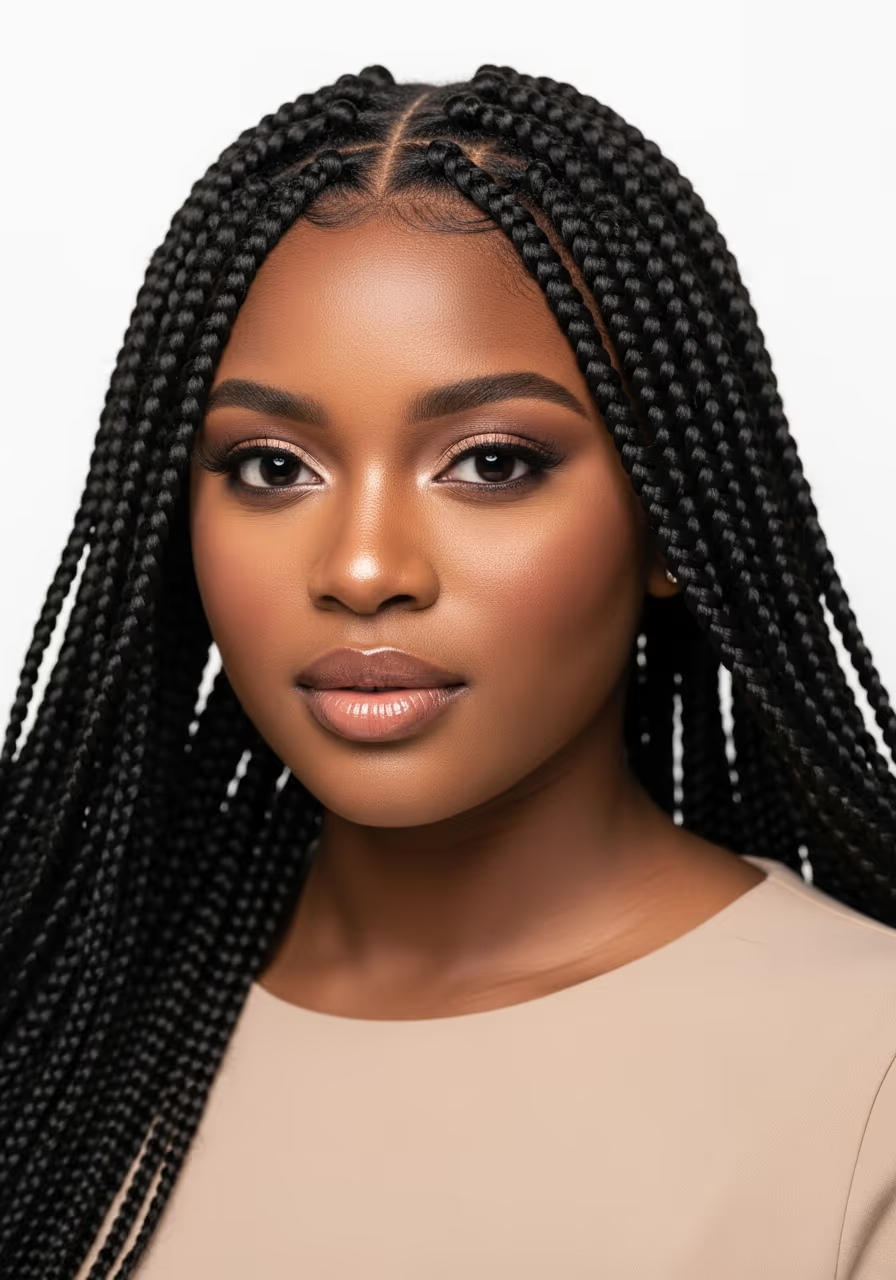
About this look — The Long Knotless Braids Natural Hair weaves the length into plaits — the tension of each pass determines how long the braid holds.
- Best face shape
- Universally flattering — braids follow the head, not the face.
- What to tell your barber
- For protective work, ask for the specific braid technique and how you want the ends finished — rubber-banded, sealed, or tucked.
- Maintenance
- Every 4–8 weeks between installs. Nightly satin scarf preserves the pattern.
- Style at home
- Apply a leave-in conditioner to damp hair.
- Section evenly and braid.
- Seal ends with a small hair tie or clip.
Long Twists Natural Hair
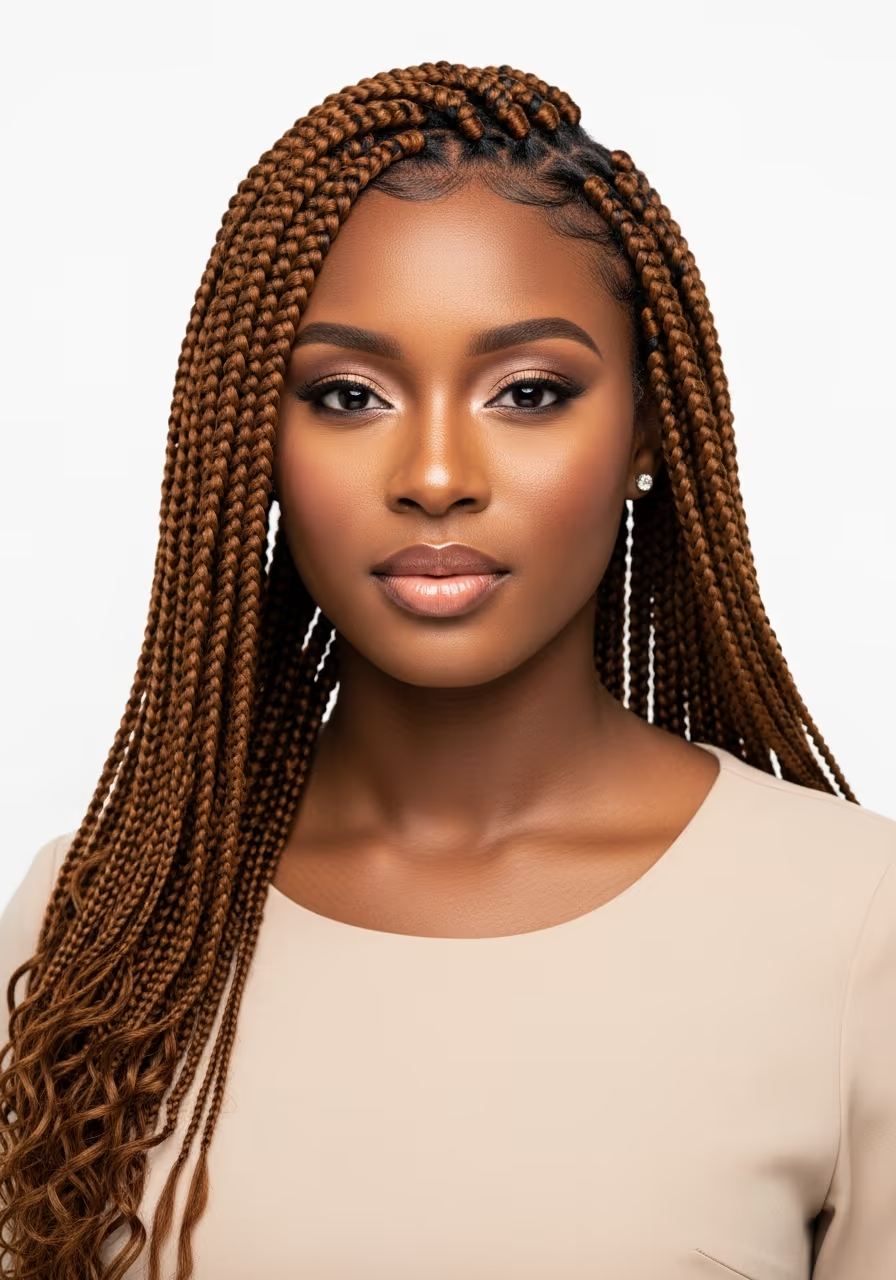
About this look — The Long Twists Natural Hair weaves the length into plaits — the tension of each pass determines how long the braid holds.
- Best face shape
- Any — braids are a style choice, not a face-shape decision.
- What to tell your barber
- Braids are specialist work — ask for the pattern by name (box, knotless, feed-in) and the end finish (sealed or tucked).
- Maintenance
- Every 4–8 weeks between installs. Nightly satin scarf preserves the pattern.
- Style at home
- Apply a leave-in conditioner to damp hair.
- Section evenly and braid.
- Seal ends with a small hair tie or clip.
Long Faux Locs Natural Hair
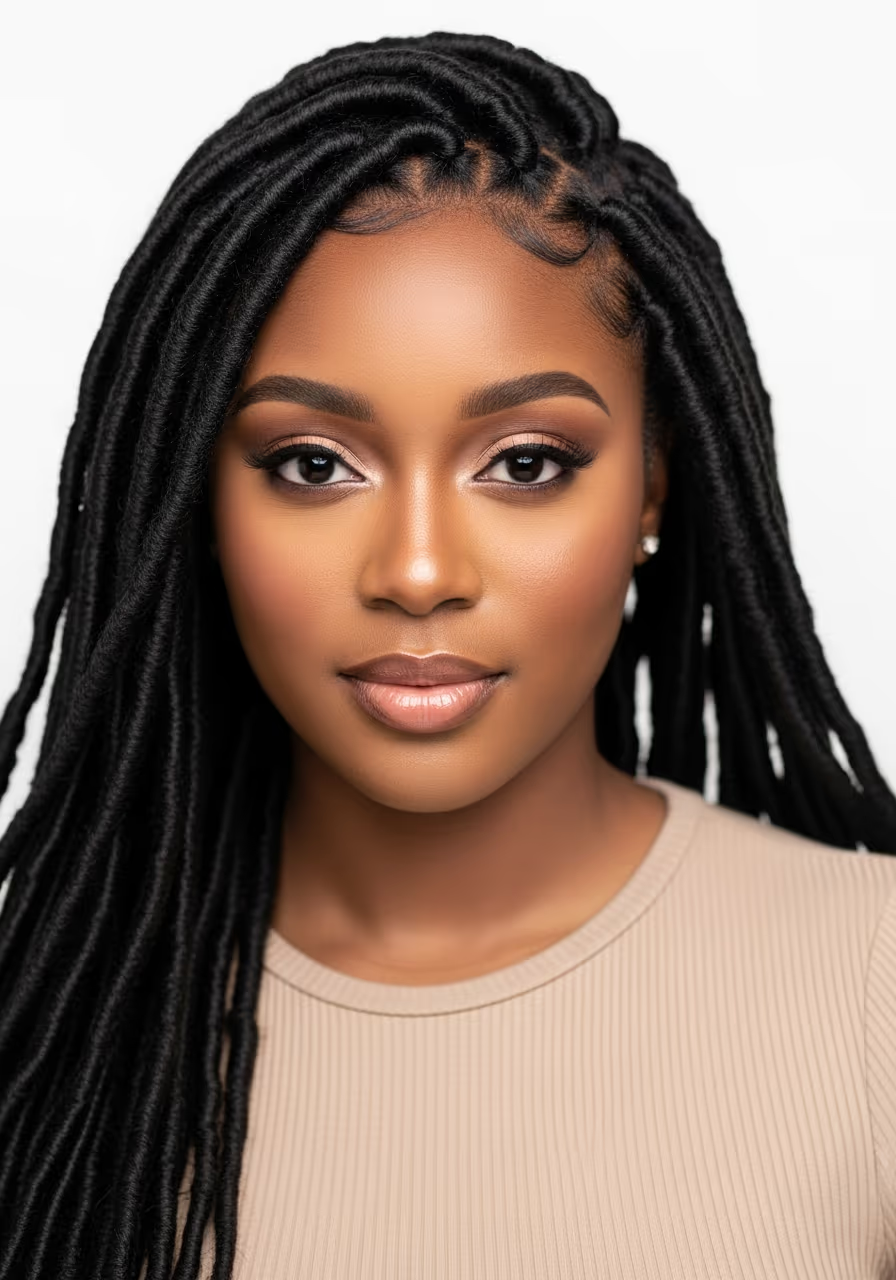
About this look — The Long Faux Locs Natural Hair weaves the length into plaits — the tension of each pass determines how long the braid holds.
- Best face shape
- Any face; braids sit against the scalp regardless of shape.
- What to tell your barber
- Braids are specialist work — ask for the pattern by name (box, knotless, feed-in) and the end finish (sealed or tucked).
- Maintenance
- Refresh every 4–8 weeks depending on braid type; nightly satin scarf.
- Style at home
- Moisturize the scalp with a lightweight oil.
- Section carefully with a rat-tail comb.
- Braid with even tension and secure the ends.
Long Passion Twists Natural Hair
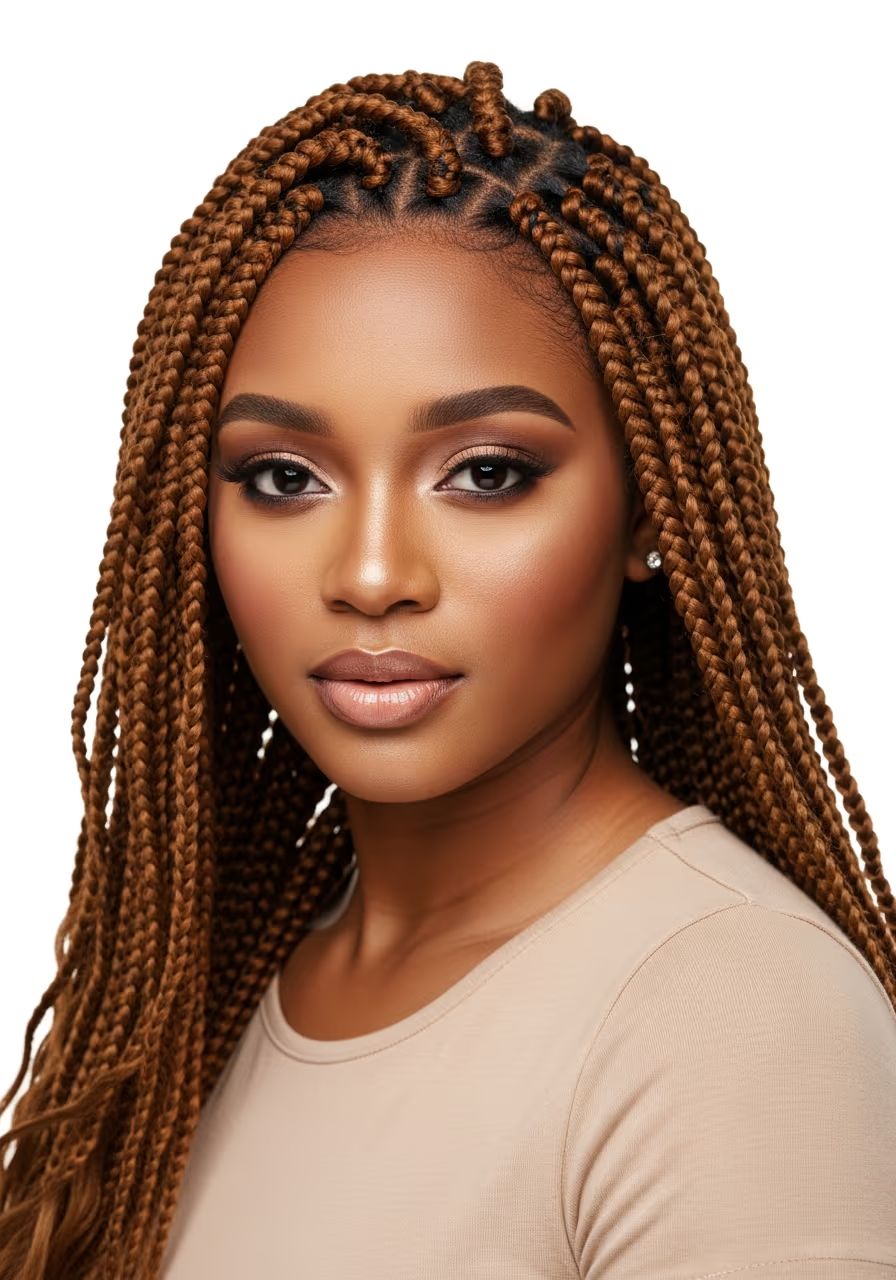
About this look — The Long Passion Twists Natural Hair weaves the length into plaits — the tension of each pass determines how long the braid holds.
- Best face shape
- Any — braids are a style choice, not a face-shape decision.
- What to tell your barber
- Braids are specialist work — ask for the pattern by name (box, knotless, feed-in) and the end finish (sealed or tucked).
- Maintenance
- 4–8 week install cycle; a satin bonnet or pillowcase overnight extends the life.
- Style at home
- Moisturize the scalp with a lightweight oil.
- Section carefully with a rat-tail comb.
- Braid with even tension and secure the ends.
Long Butterfly Locs Natural Hair
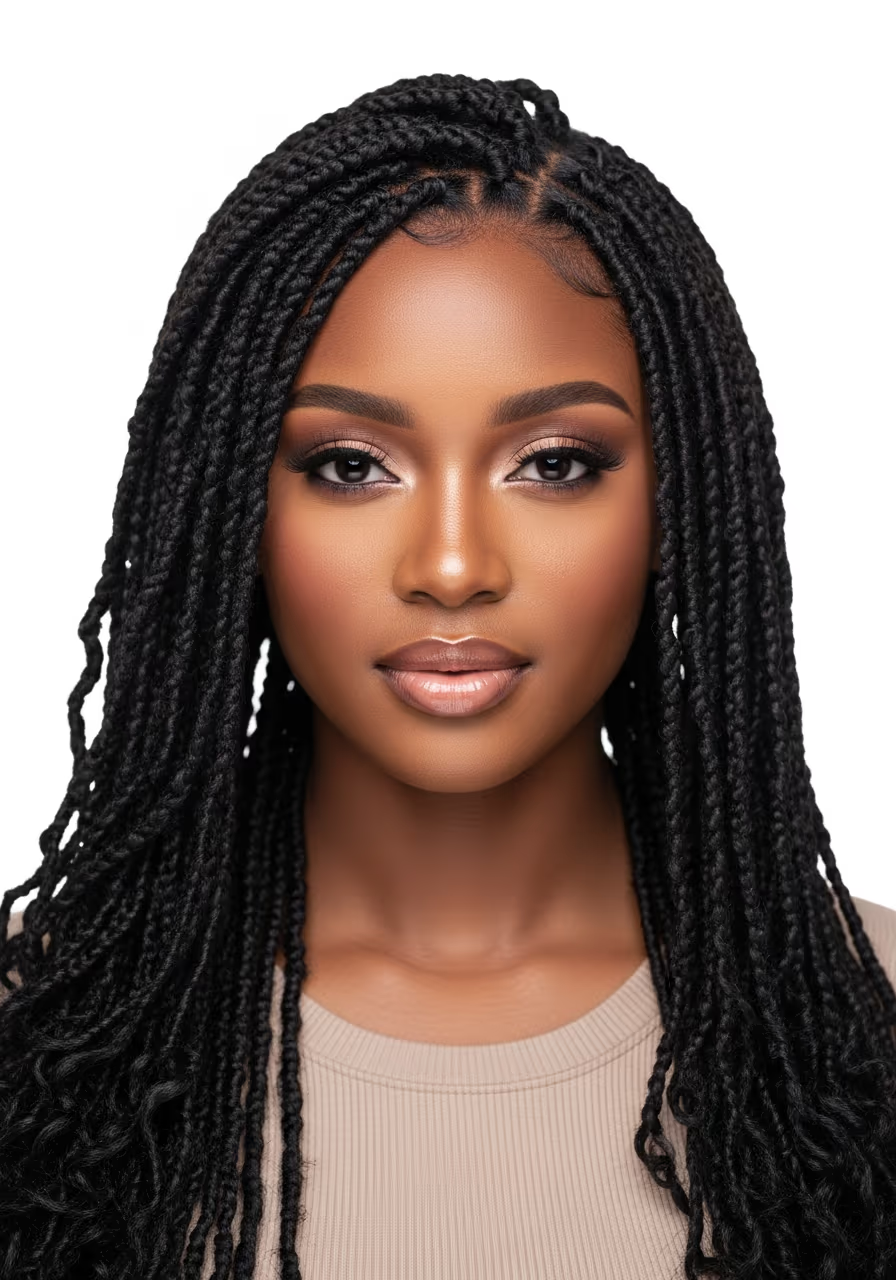
About this look — The Long Butterfly Locs Natural Hair sections the hair into plaits — the pattern depends on the braid style (three-strand, French, Dutch, cornrow).
- Best face shape
- Universally flattering — braids follow the head, not the face.
- What to tell your barber
- Book a braid specialist and specify the pattern (box, knotless, feed-in, or cornrow) and end method (sealed with hot water or hair-tucked).
- Maintenance
- 4–8 week install cycle; a satin bonnet or pillowcase overnight extends the life.
- Style at home
- Apply a leave-in conditioner to damp hair.
- Section evenly and braid.
- Seal ends with a small hair tie or clip.
Long Braided Updo Natural Hair
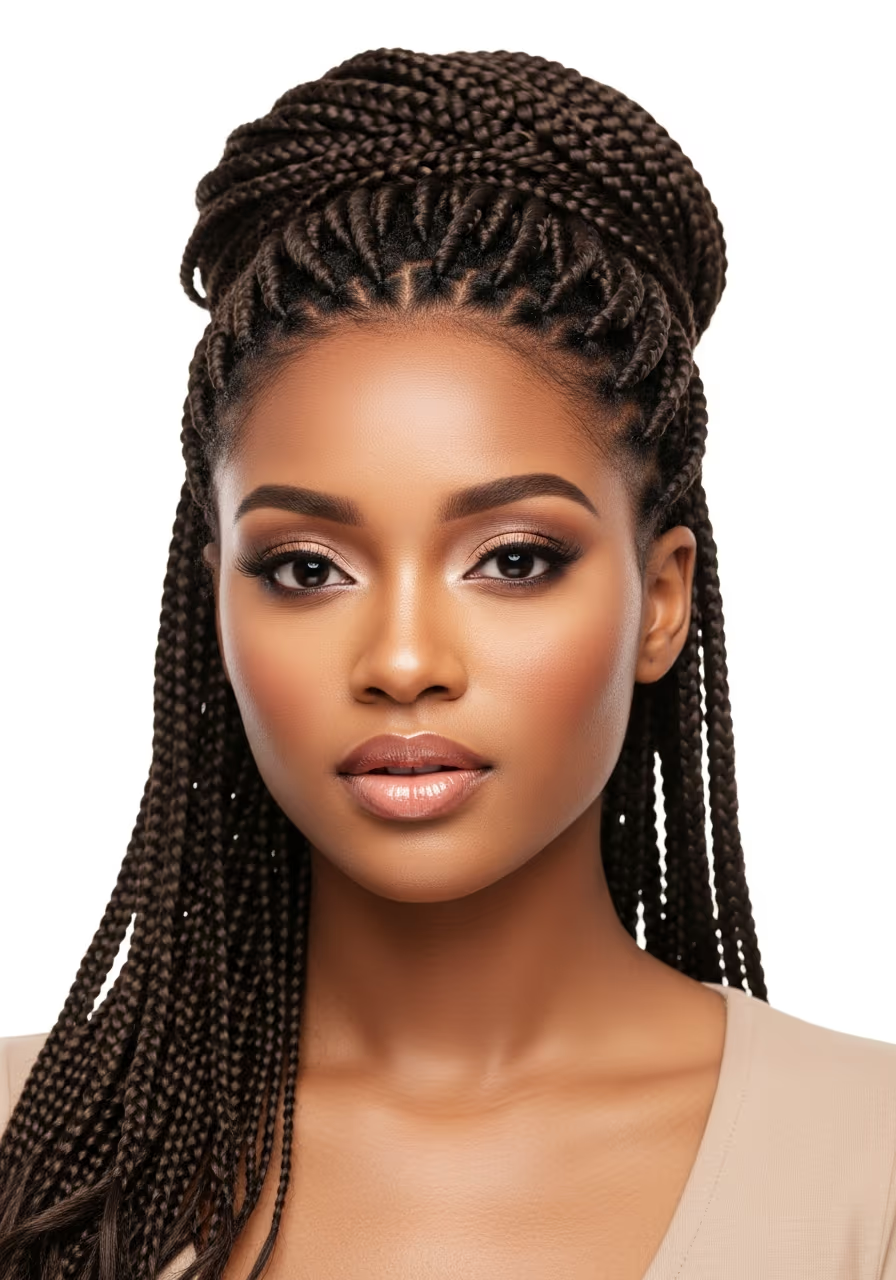
About this look — The Long Braided Updo Natural Hair twists and pins the hair away from the face — pin-count and placement drive the finish.
- Best face shape
- Universally flattering — the face-framing tendrils are what tune the look to your face shape.
- What to tell your barber
- This is a style, not a cut — ask a stylist to walk you through the pin plan on your own hair once.
- Maintenance
- The cut underneath still needs a refresh every 8–10 weeks — updos hide bad ends only so long.
- Style at home
- Prep with a texture spray on dry hair.
- Section, twist, and pin into your chosen shape.
- Finish with a flexible-hold spray.
Long Senegalese Twists Natural Hair
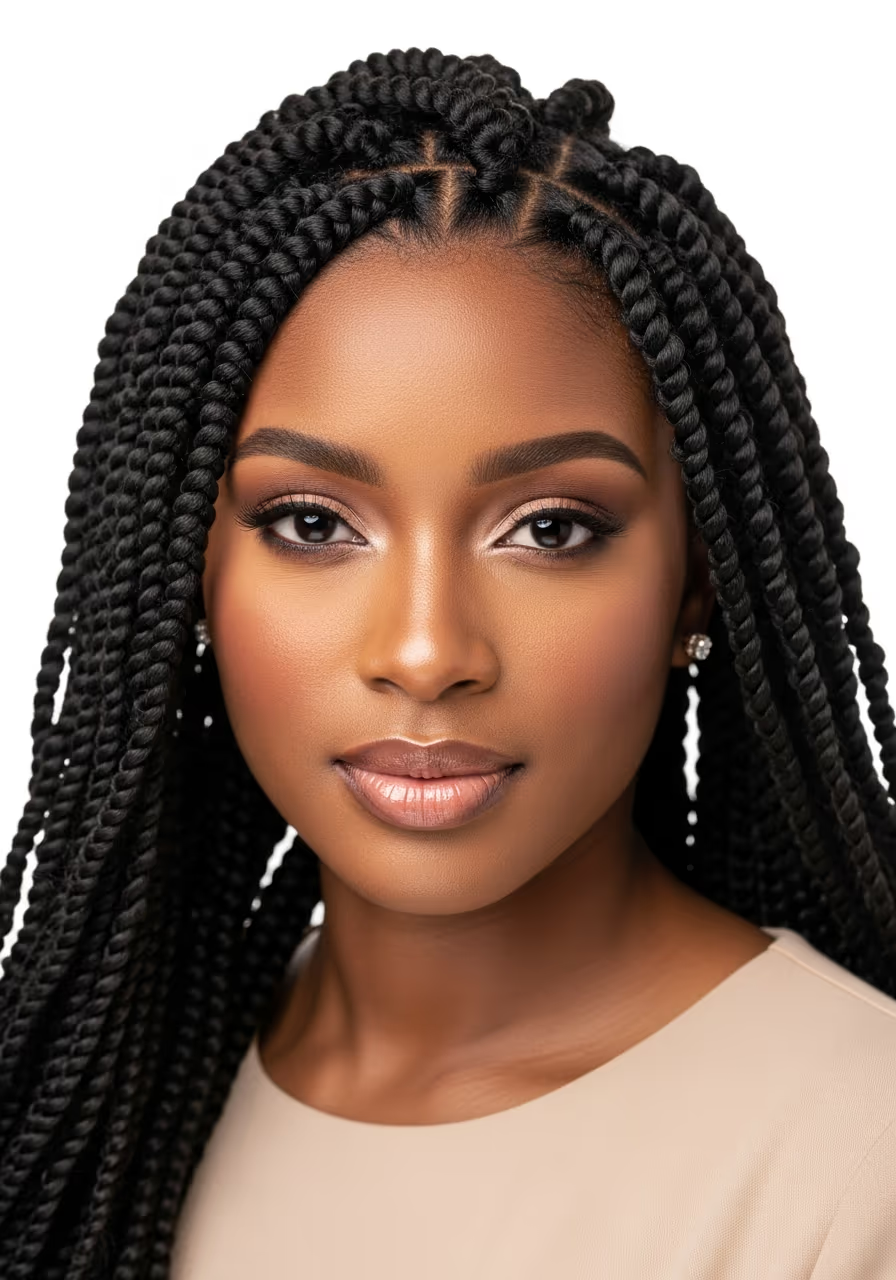
About this look — The Long Senegalese Twists Natural Hair sections the hair into plaits — the pattern depends on the braid style (three-strand, French, Dutch, cornrow).
- Best face shape
- Universally flattering — braids follow the head, not the face.
- What to tell your barber
- For protective work, ask for the specific braid technique and how you want the ends finished — rubber-banded, sealed, or tucked.
- Maintenance
- 4–8 week install cycle; a satin bonnet or pillowcase overnight extends the life.
- Style at home
- Apply a leave-in conditioner to damp hair.
- Section evenly and braid.
- Seal ends with a small hair tie or clip.
Long Goddess Braids Natural Hair
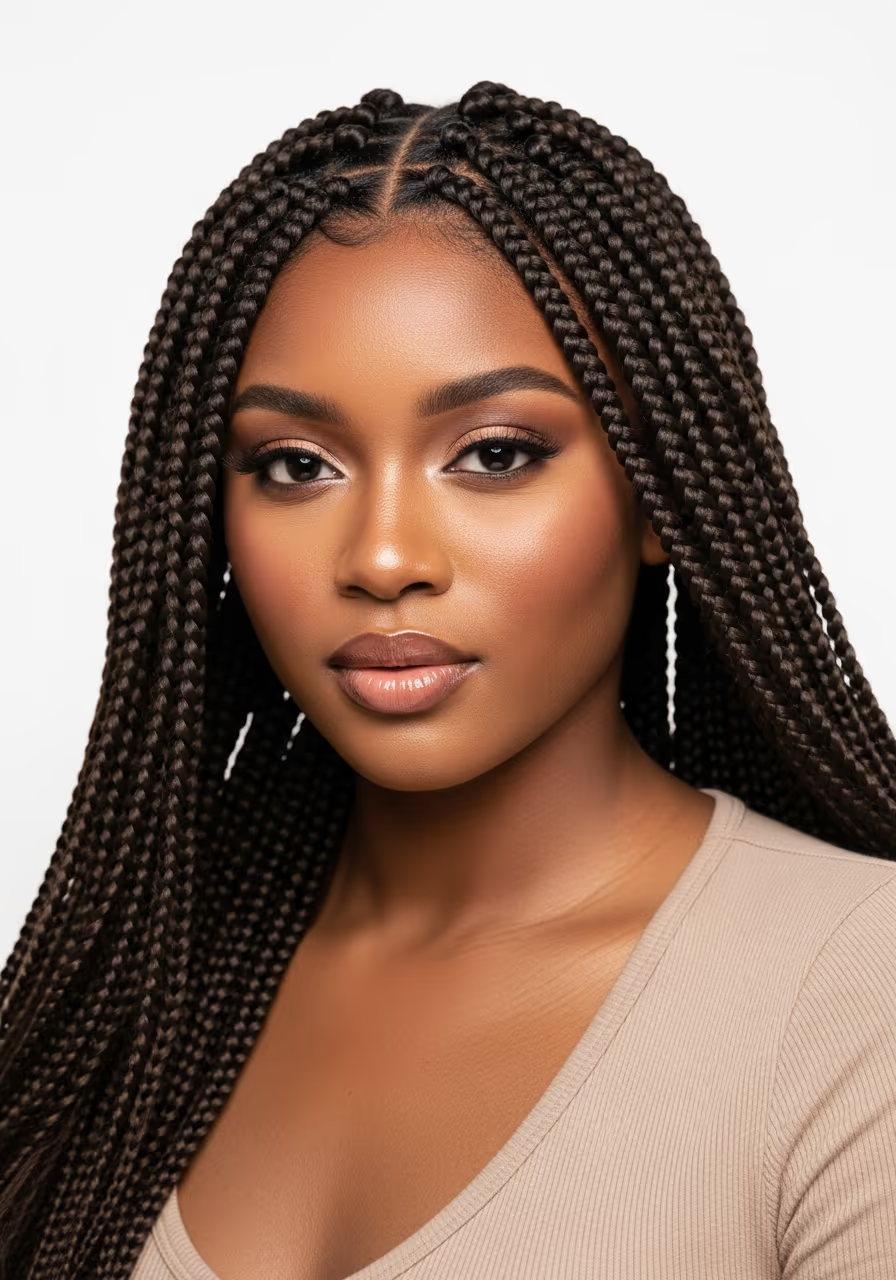
About this look — The Long Goddess Braids Natural Hair sections the hair into plaits — the pattern depends on the braid style (three-strand, French, Dutch, cornrow).
- Best face shape
- Any — braids are a style choice, not a face-shape decision.
- What to tell your barber
- For protective work, ask for the specific braid technique and how you want the ends finished — rubber-banded, sealed, or tucked.
- Maintenance
- Every 4–8 weeks between installs. Nightly satin scarf preserves the pattern.
- Style at home
- Moisturize the scalp with a lightweight oil.
- Section carefully with a rat-tail comb.
- Braid with even tension and secure the ends.
Long Spring Twists Natural Hair
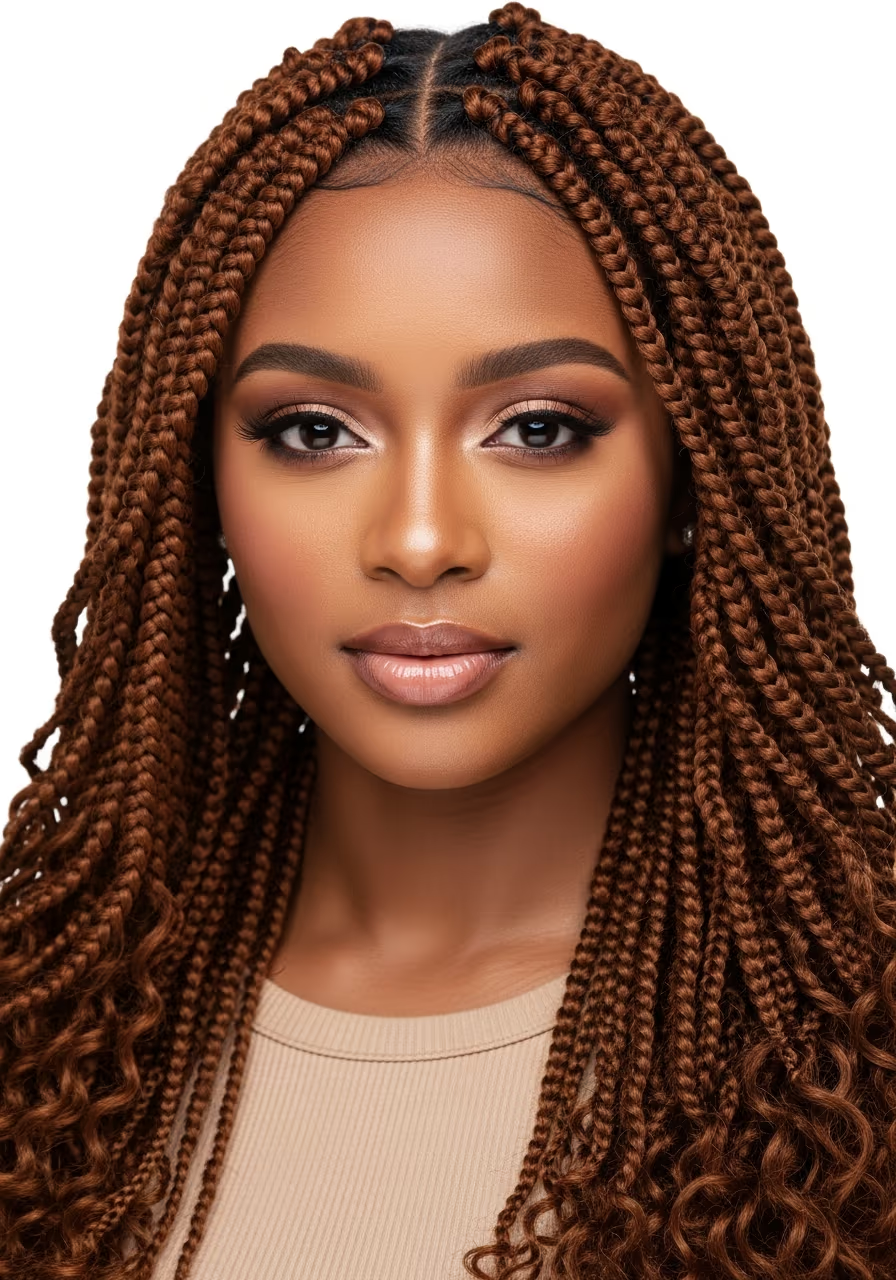
About this look — The Long Spring Twists Natural Hair plaits the hair according to the chosen pattern (three-strand, French, Dutch, cornrow) with consistent tension.
- Best face shape
- Any — braids are a style choice, not a face-shape decision.
- What to tell your barber
- For protective work, ask for the specific braid technique and how you want the ends finished — rubber-banded, sealed, or tucked.
- Maintenance
- Refresh every 4–8 weeks depending on braid type; nightly satin scarf.
- Style at home
- Moisturize the scalp with a lightweight oil.
- Section carefully with a rat-tail comb.
- Braid with even tension and secure the ends.
Poetic Justice Braids Long Natural Hair
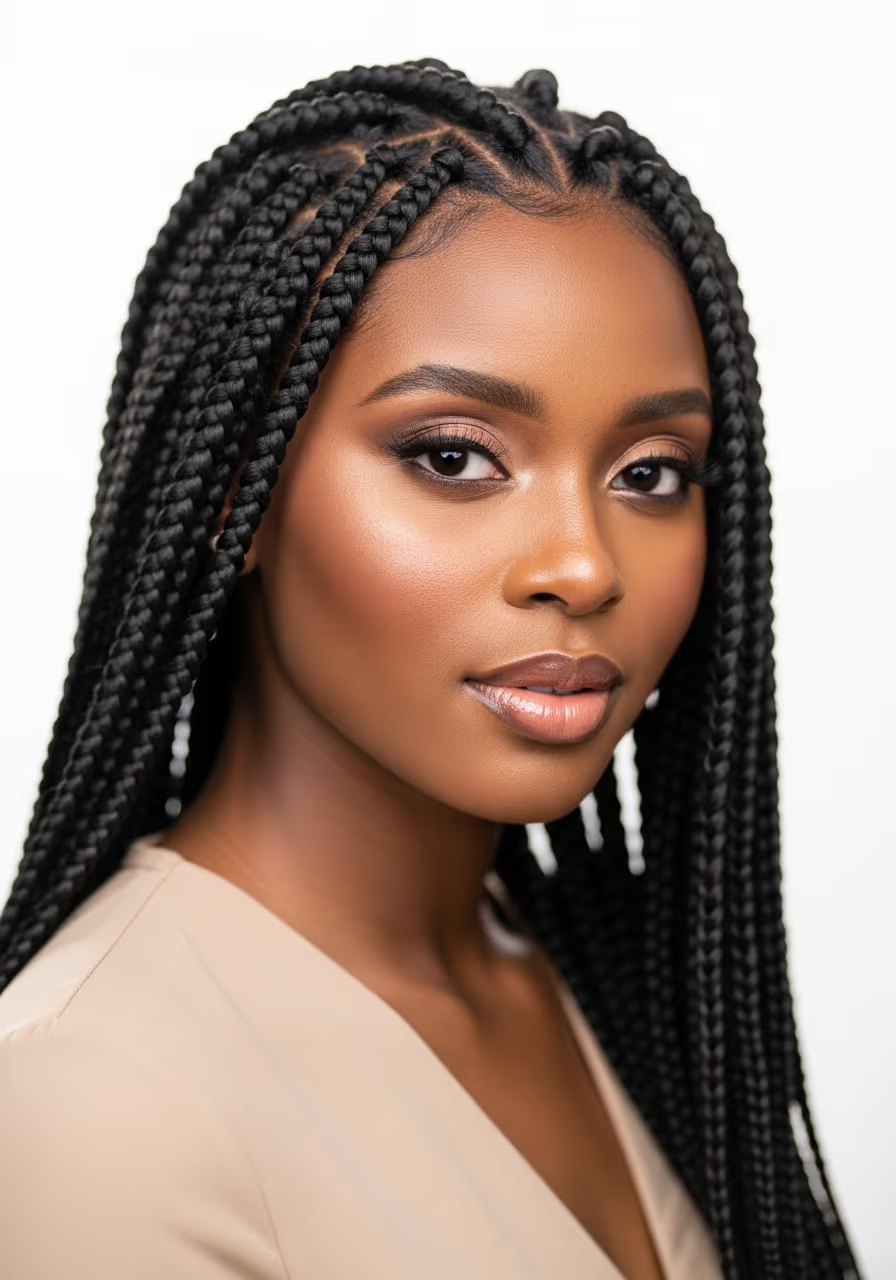
About this look — The Poetic Justice Braids Long Natural Hair plaits the hair according to the chosen pattern (three-strand, French, Dutch, cornrow) with consistent tension.
- Best face shape
- Universally flattering — braids follow the head, not the face.
- What to tell your barber
- For protective styles, book a braid specialist; ask for the specific pattern and end technique (rubber-band or tuck).
- Maintenance
- Every 4–8 weeks between installs. Nightly satin scarf preserves the pattern.
- Style at home
- Detangle wet hair with a wide-tooth comb.
- Section using a rat-tail comb, keeping the parts clean.
- Braid to the ends and secure.
Long Halo Braid Natural Hair
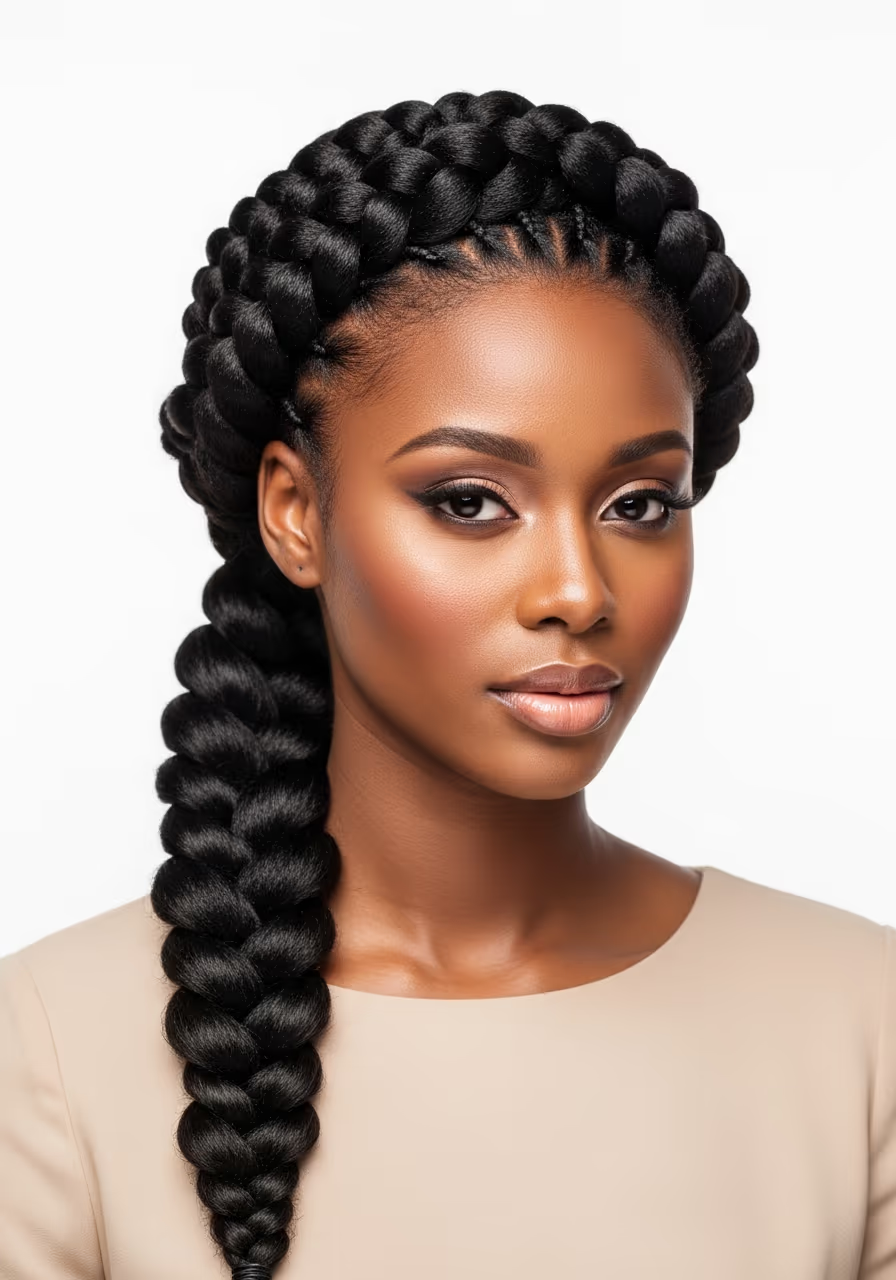
About this look — The Long Halo Braid Natural Hair divides the hair into rows or sections and interlaces them into the chosen braid pattern.
- Best face shape
- Any — braids are a style choice, not a face-shape decision.
- What to tell your barber
- For protective work, ask for the specific braid technique and how you want the ends finished — rubber-banded, sealed, or tucked.
- Maintenance
- Refresh every 4–8 weeks depending on braid type; nightly satin scarf.
- Style at home
- Apply a leave-in conditioner to damp hair.
- Section evenly and braid.
- Seal ends with a small hair tie or clip.
Long Cornrows Natural Hair
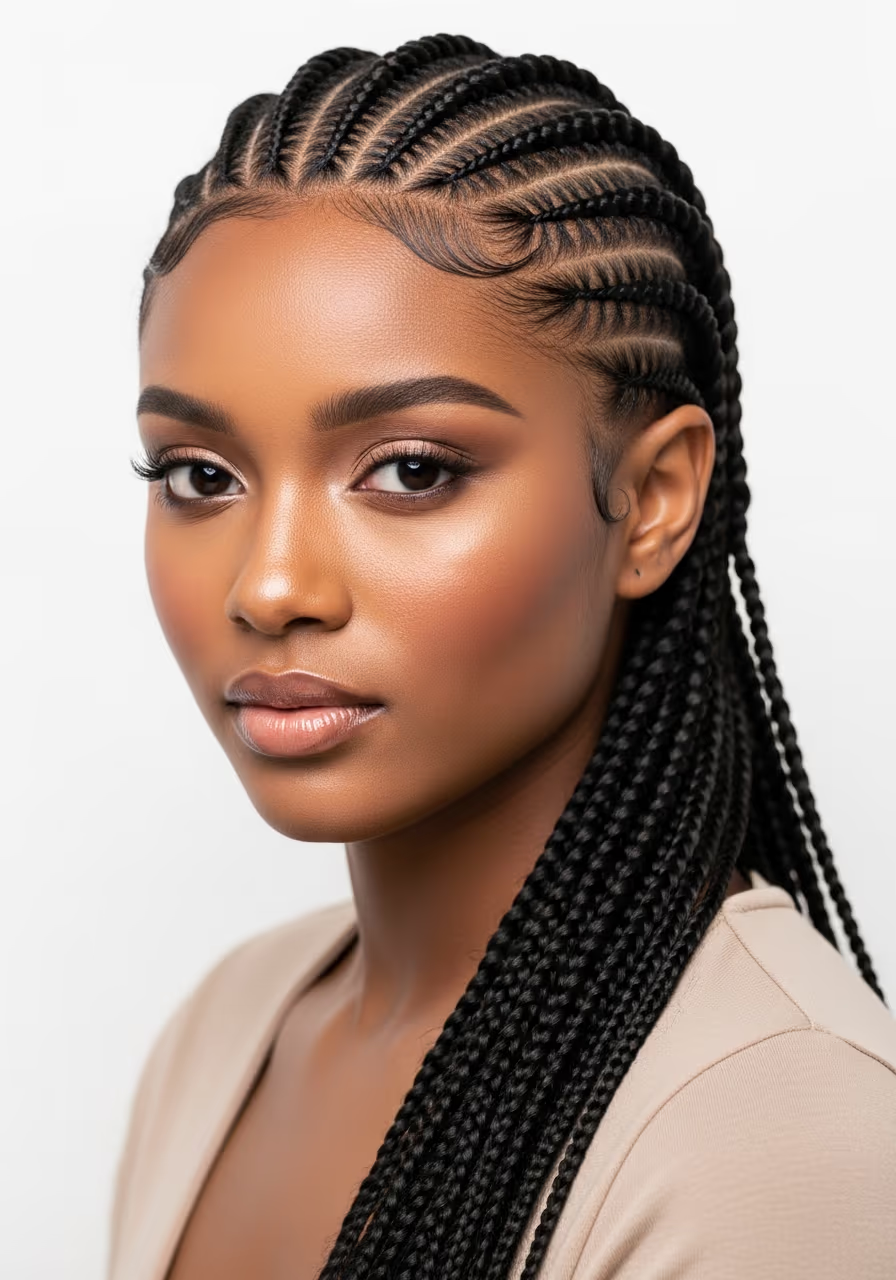
About this look — The Long Cornrows Natural Hair plaits the hair according to the chosen pattern (three-strand, French, Dutch, cornrow) with consistent tension.
- Best face shape
- Any — braids are a style choice, not a face-shape decision.
- What to tell your barber
- For protective work, ask for the specific braid technique and how you want the ends finished — rubber-banded, sealed, or tucked.
- Maintenance
- Every 4–8 weeks between installs. Nightly satin scarf preserves the pattern.
- Style at home
- Moisturize the scalp with a lightweight oil.
- Section carefully with a rat-tail comb.
- Braid with even tension and secure the ends.
Long Microlocs Natural Hair
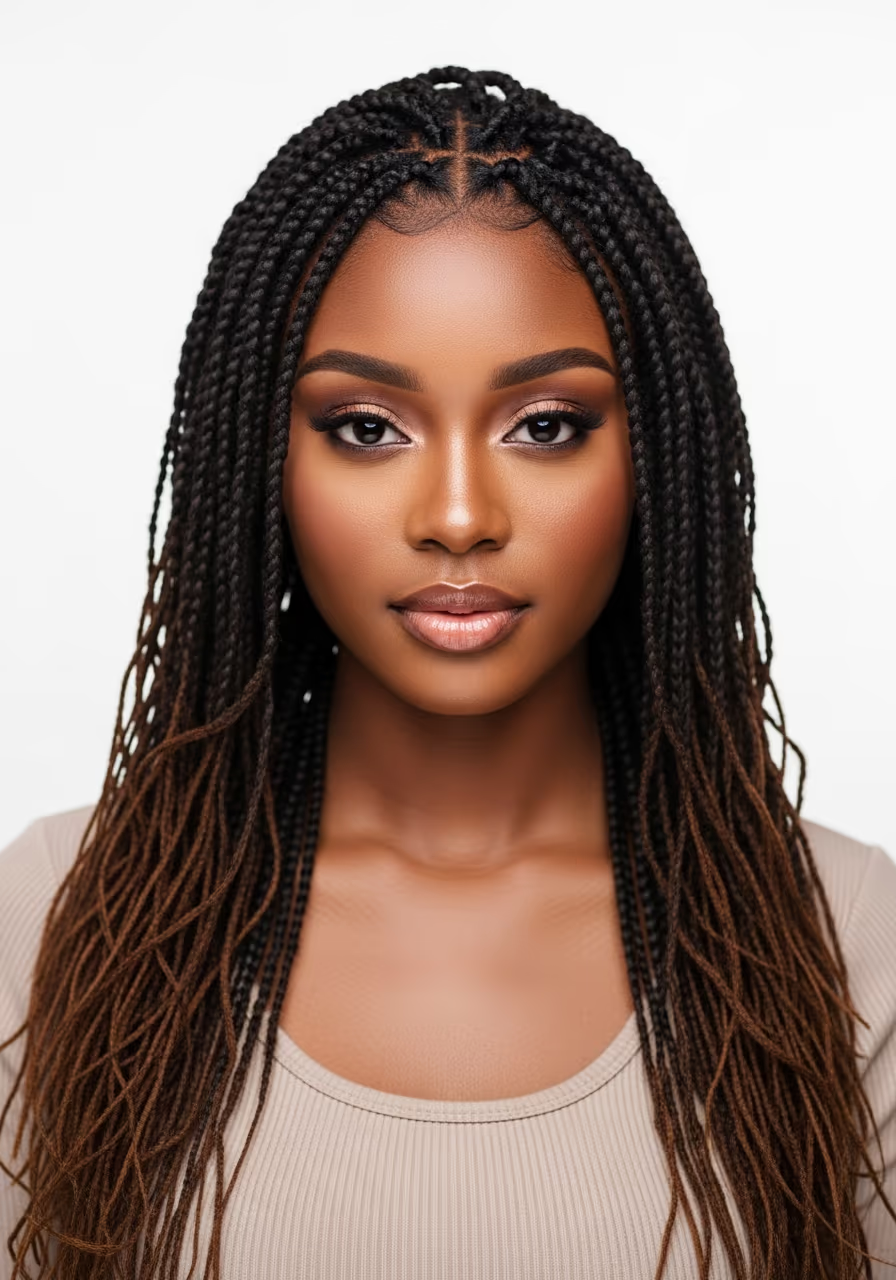
About this look — The Long Microlocs Natural Hair weaves the length into plaits — the tension of each pass determines how long the braid holds.
- Best face shape
- Any — braids are a style choice, not a face-shape decision.
- What to tell your barber
- For protective work, ask for the specific braid technique and how you want the ends finished — rubber-banded, sealed, or tucked.
- Maintenance
- 4–8 week install cycle; a satin bonnet or pillowcase overnight extends the life.
- Style at home
- Apply a leave-in conditioner to damp hair.
- Section evenly and braid.
- Seal ends with a small hair tie or clip.
Long Crochet Braids Natural Hair
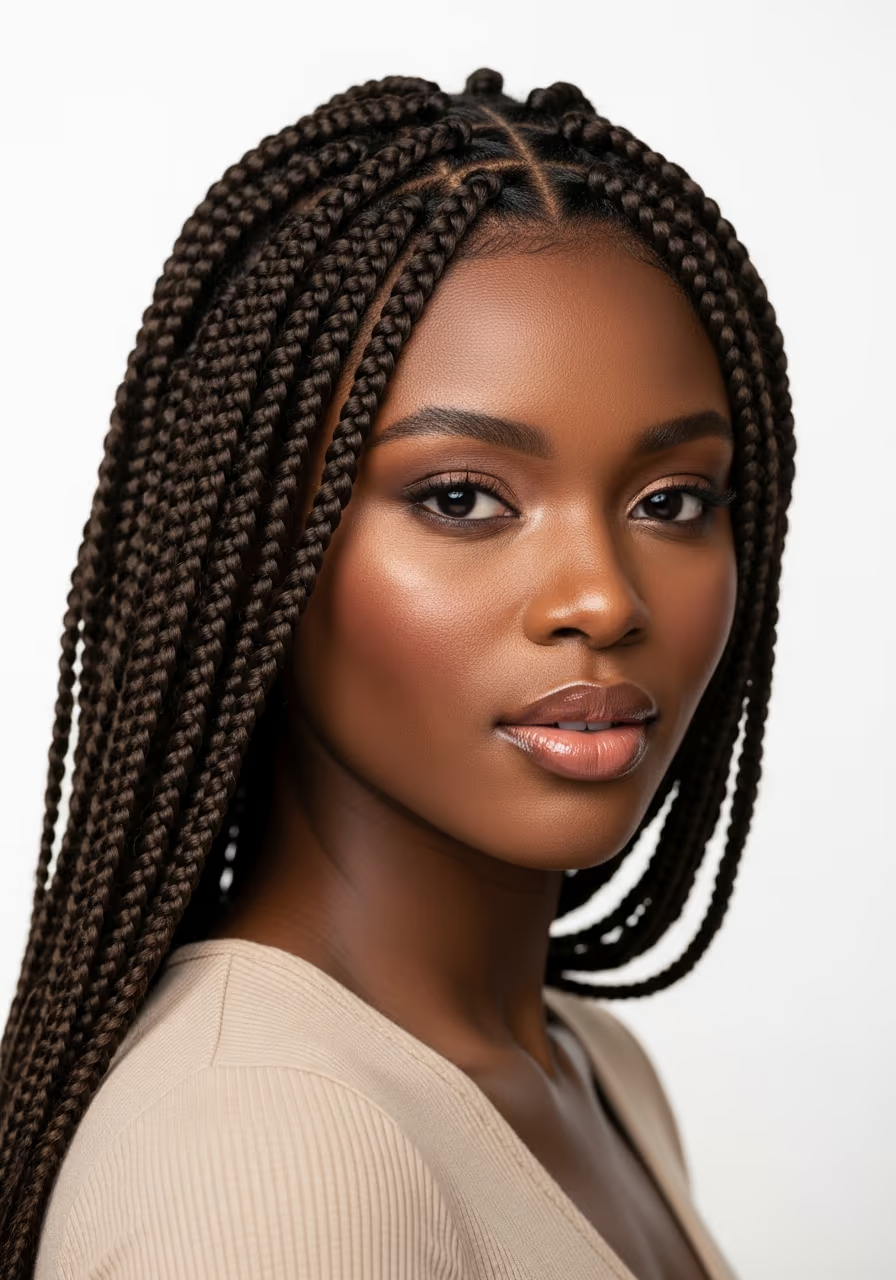
About this look — The Long Crochet Braids Natural Hair sections the hair into plaits — the pattern depends on the braid style (three-strand, French, Dutch, cornrow).
- Best face shape
- Universally flattering — braids follow the head, not the face.
- What to tell your barber
- For protective styles, book a braid specialist; ask for the specific pattern and end technique (rubber-band or tuck).
- Maintenance
- Every 4–8 weeks between installs. Nightly satin scarf preserves the pattern.
- Style at home
- Moisturize the scalp with a lightweight oil.
- Section carefully with a rat-tail comb.
- Braid with even tension and secure the ends.
Long Crown Braids Natural Hair
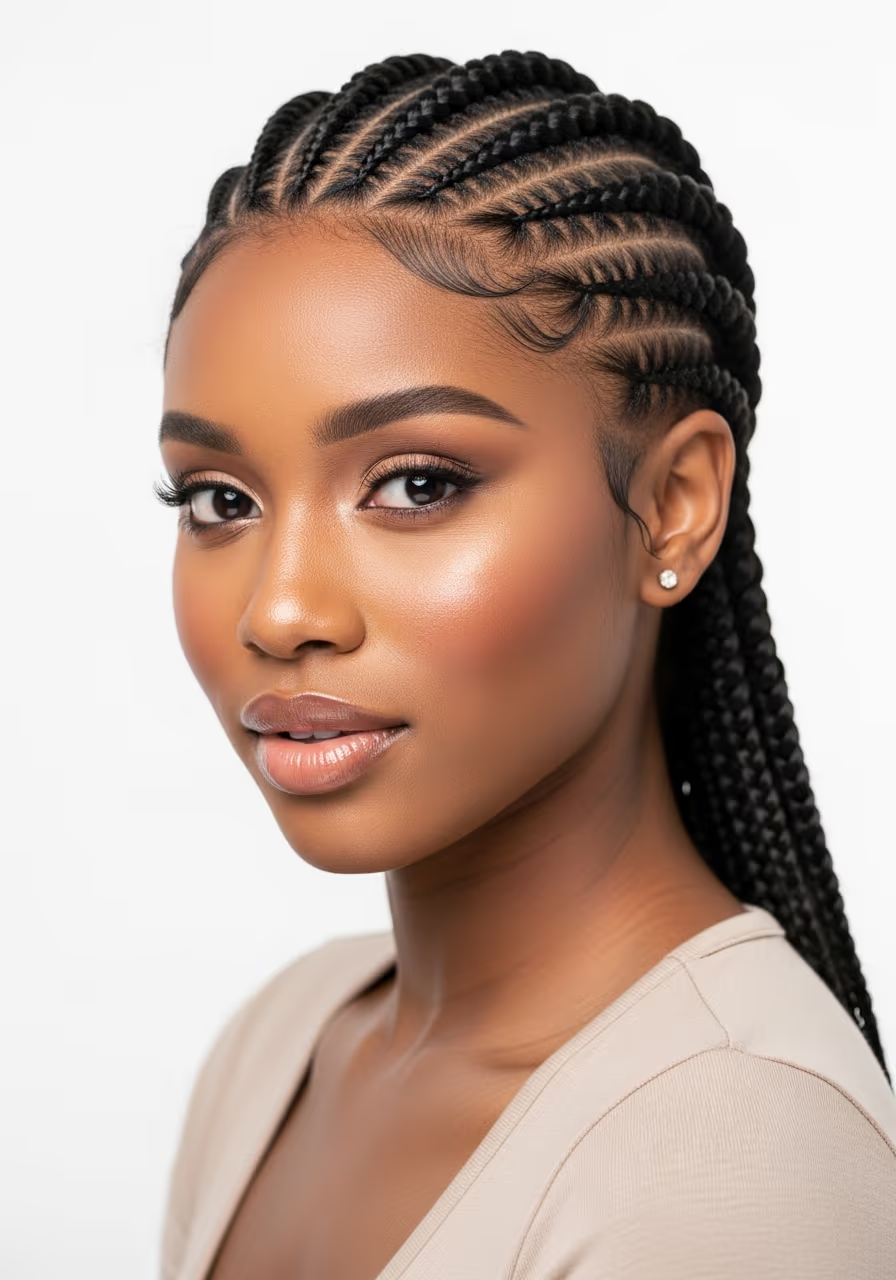
About this look — The Long Crown Braids Natural Hair weaves the length into plaits — the tension of each pass determines how long the braid holds.
- Best face shape
- Universally flattering — braids follow the head, not the face.
- What to tell your barber
- For protective work, ask for the specific braid technique and how you want the ends finished — rubber-banded, sealed, or tucked.
- Maintenance
- Every 4–8 weeks between installs. Nightly satin scarf preserves the pattern.
- Style at home
- Moisturize the scalp with a lightweight oil.
- Section carefully with a rat-tail comb.
- Braid with even tension and secure the ends.
Long Flat Twists Natural Hair
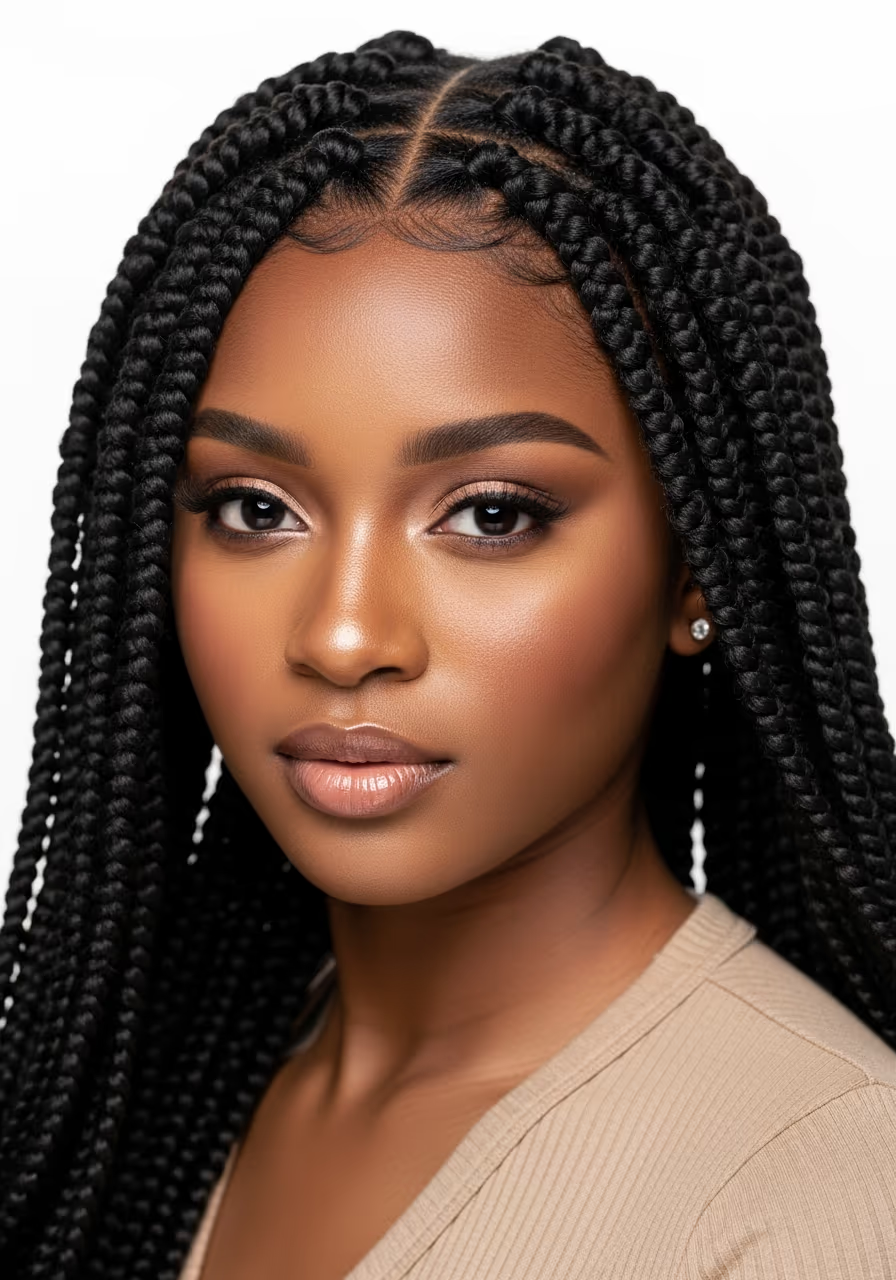
About this look — The Long Flat Twists Natural Hair sections the hair into plaits — the pattern depends on the braid style (three-strand, French, Dutch, cornrow).
- Best face shape
- Universally flattering — braids follow the head, not the face.
- What to tell your barber
- Braids are specialist work — ask for the pattern by name (box, knotless, feed-in) and the end finish (sealed or tucked).
- Maintenance
- Refresh every 4–8 weeks depending on braid type; nightly satin scarf.
- Style at home
- Moisturize the scalp with a lightweight oil.
- Section carefully with a rat-tail comb.
- Braid with even tension and secure the ends.
Long Bohemian Braids Natural Hair
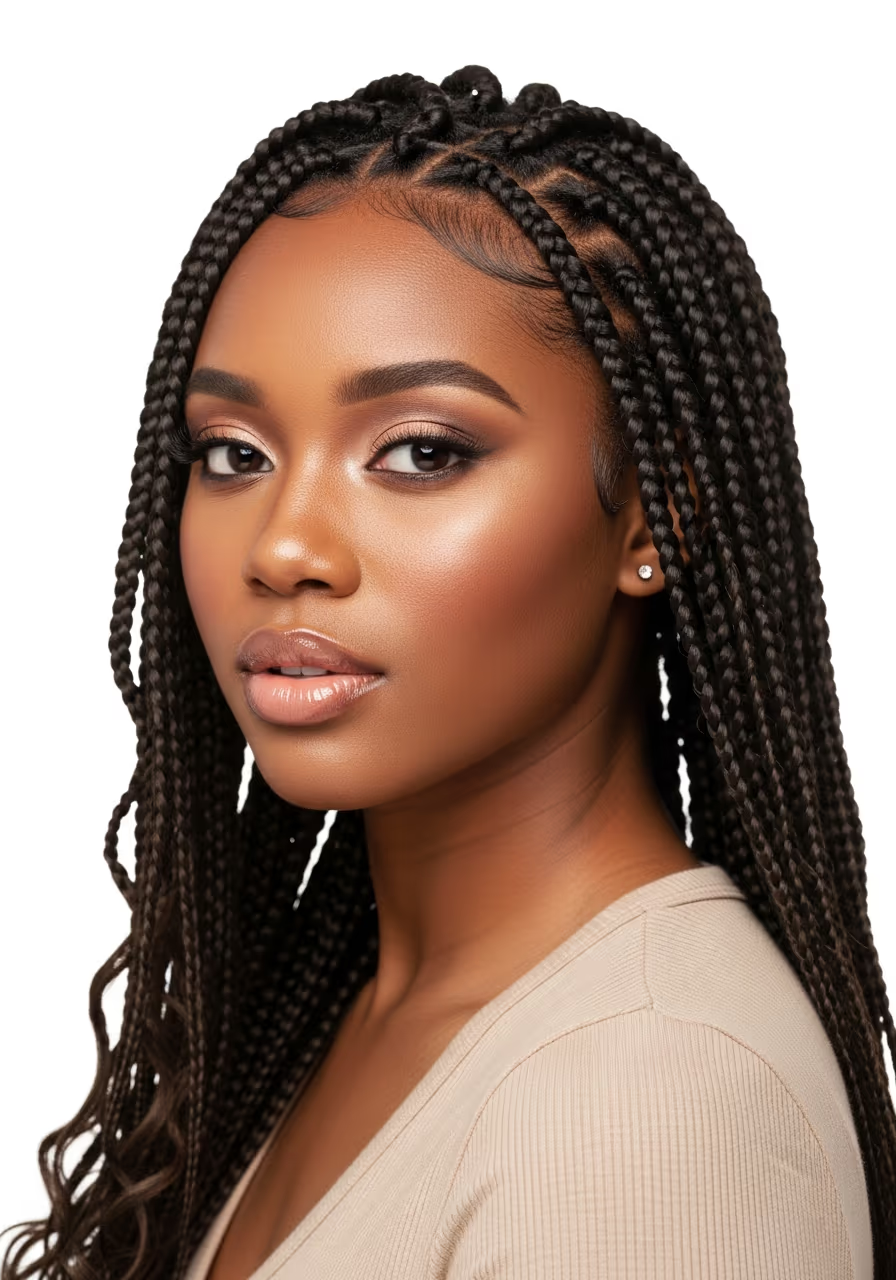
About this look — The Long Bohemian Braids Natural Hair weaves the length into plaits — the tension of each pass determines how long the braid holds.
- Best face shape
- Any — braids are a style choice, not a face-shape decision.
- What to tell your barber
- For protective work, ask for the specific braid technique and how you want the ends finished — rubber-banded, sealed, or tucked.
- Maintenance
- Refresh every 4–8 weeks depending on braid type; nightly satin scarf.
- Style at home
- Moisturize the scalp with a lightweight oil.
- Section carefully with a rat-tail comb.
- Braid with even tension and secure the ends.
Long Stitch Braids Natural Hair
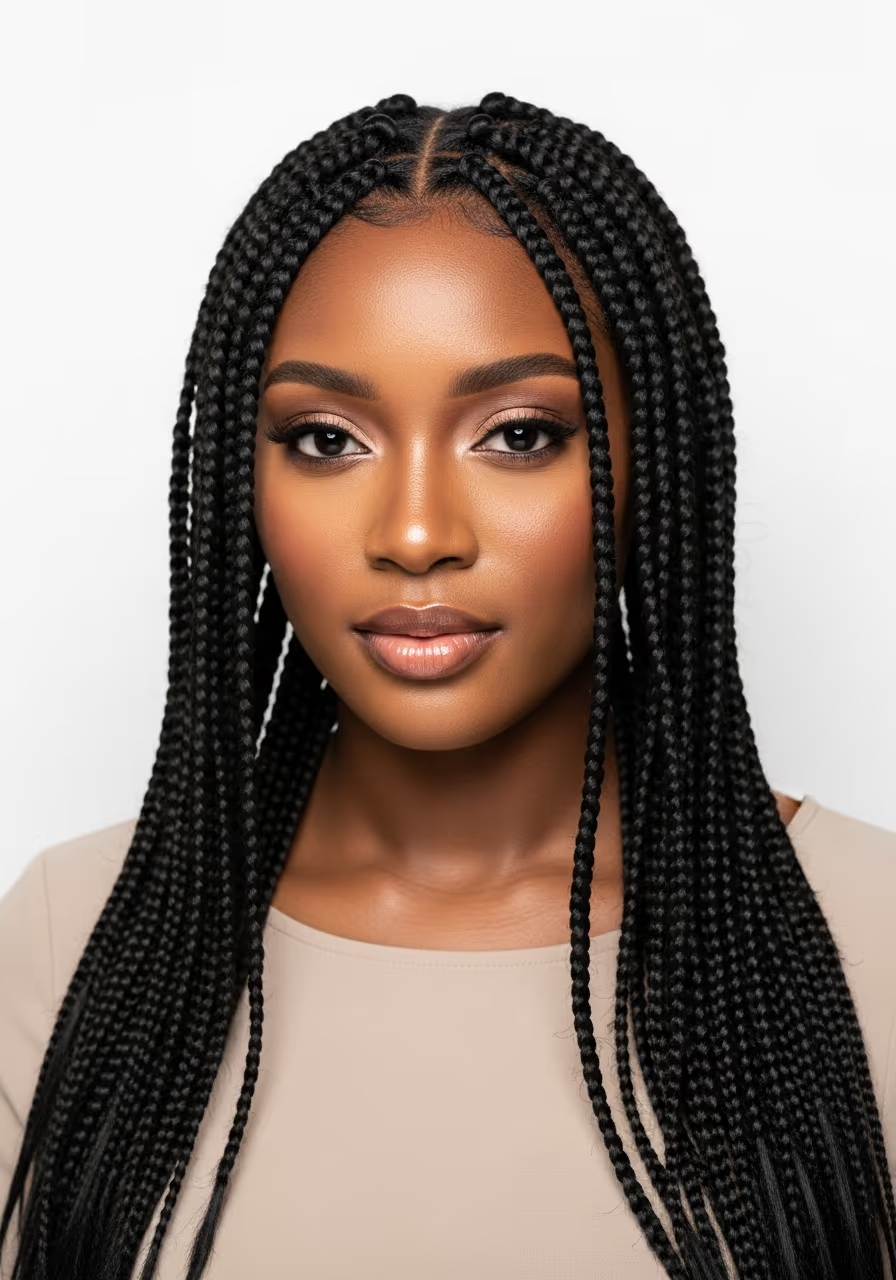
About this look — The Long Stitch Braids Natural Hair plaits the hair according to the chosen pattern (three-strand, French, Dutch, cornrow) with consistent tension.
- Best face shape
- Any — braids are a style choice, not a face-shape decision.
- What to tell your barber
- For protective work, ask for the specific braid technique and how you want the ends finished — rubber-banded, sealed, or tucked.
- Maintenance
- Every 4–8 weeks between installs. Nightly satin scarf preserves the pattern.
- Style at home
- Apply a leave-in conditioner to damp hair.
- Section evenly and braid.
- Seal ends with a small hair tie or clip.
Long Twisted Updo Natural Hair
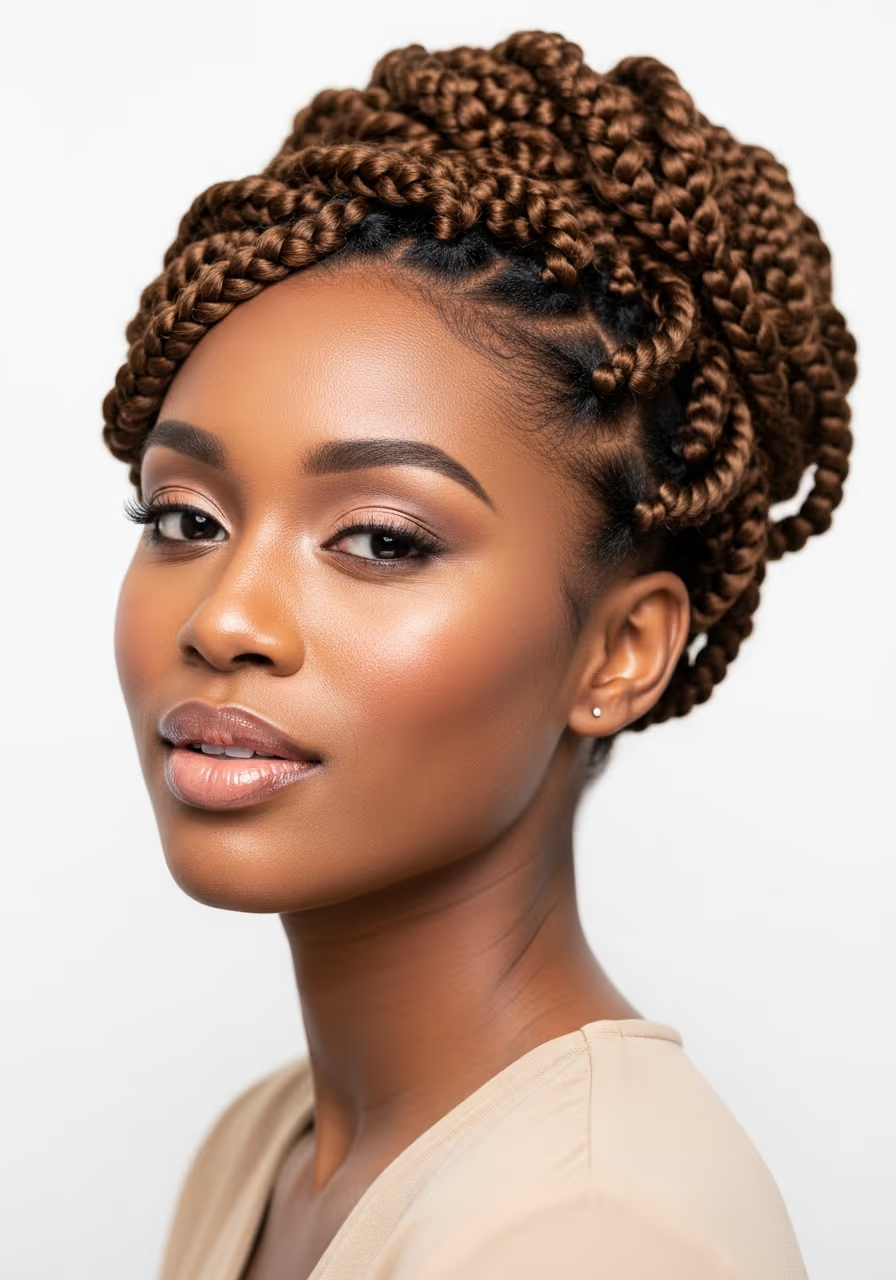
About this look — The Long Twisted Updo Natural Hair twists and pins the hair away from the face — pin-count and placement drive the finish.
- Best face shape
- Any — updos frame the face rather than fight it.
- What to tell your barber
- Not a cut — but ask your stylist to teach you the pin-and-tuck method for the specific updo shape you want.
- Maintenance
- N/A. This is a style, not a cut — refresh cut every 8–10 weeks.
- Style at home
- Prep with a texture spray on dry hair.
- Section, twist, and pin into your chosen shape.
- Finish with a flexible-hold spray.
Protective Updos Long Natural Hair
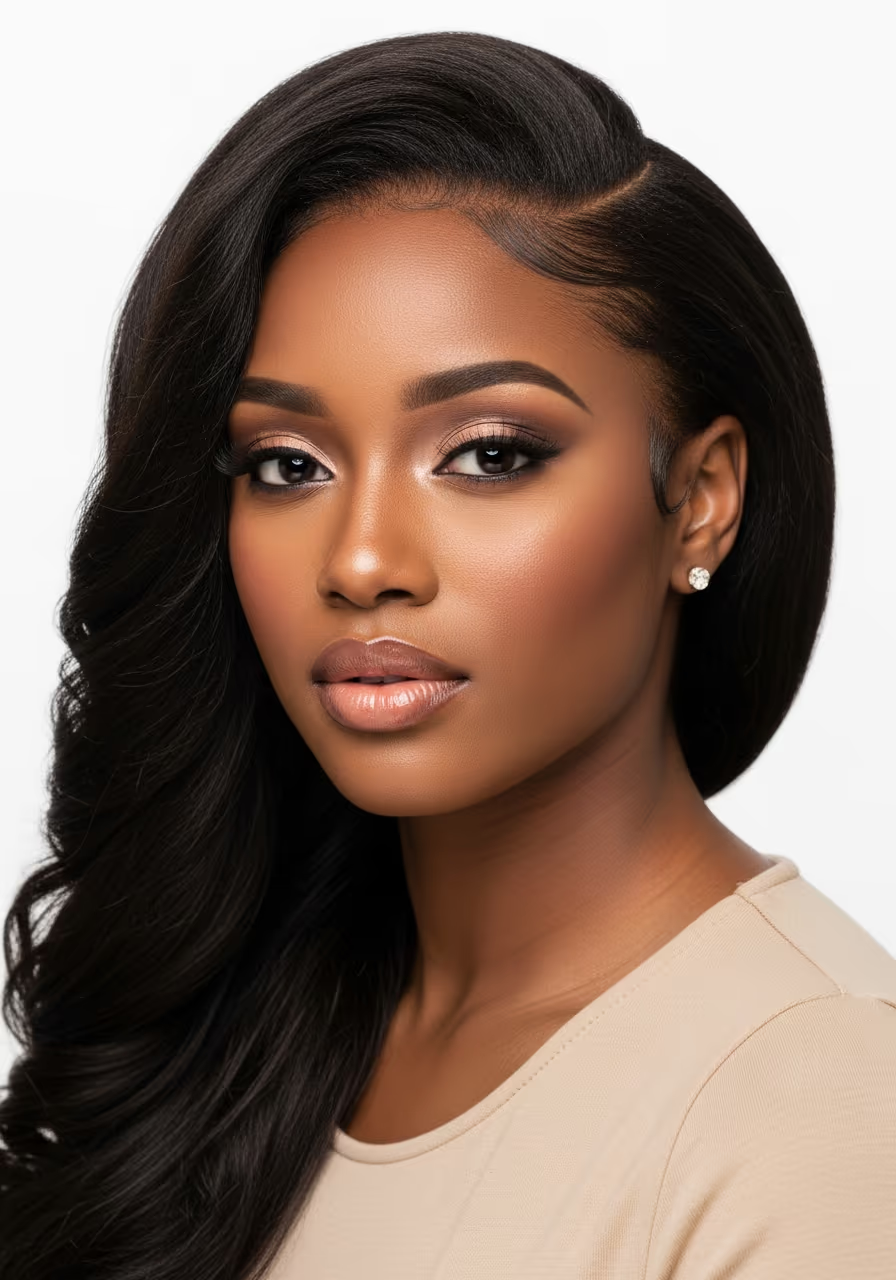
About this look — The Protective Updos Long Natural Hair pulls the length up and anchors it with pins — the placement of the pins is what makes it hold.
- Best face shape
- Any face; the finish is defined by loose pieces around the face rather than the bulk of the style.
- What to tell your barber
- Not a haircut — book a styling tutorial with your stylist so you learn where the pins go.
- Maintenance
- Style-only. The underlying cut still needs a trim every 8–10 weeks.
- Style at home
- Skip washing for 24 hours before styling.
- Twist the length back into a low bun.
- Anchor with 3–4 bobby pins and mist with flexible hairspray.
Long Bantu Knots Natural Hair
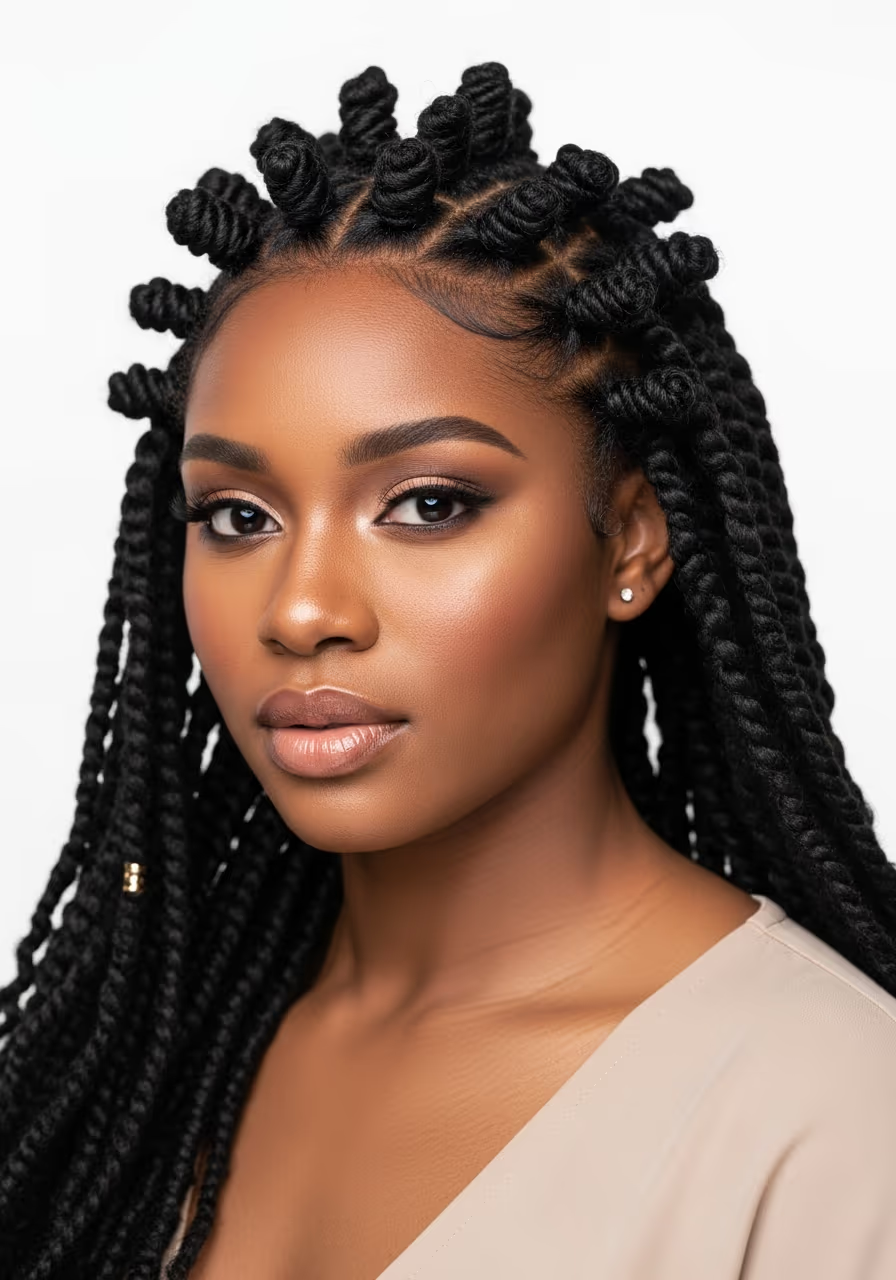
About this look — The Long Bantu Knots Natural Hair a versatile style that suits a wide range of face shapes and hair types when tailored in the chair.
- Best face shape
- Any — the stylist tunes length and layers to your specific face.
- What to tell your barber
- Ask for the exact style by name and bring one photo of the version you want.
- Maintenance
- Medium. Every 6–8 weeks to hold the shape.
- Style at home
- Apply a heat protectant to damp hair.
- Blow-dry with a round brush.
- Set with a light hairspray.
What Makes This Style Special in 2026?
People bring me a photo of long hair and assume it's about the styling; it almost never is. With real length I cut in a gentle face-frame so there's movement up front without sacrificing the weight down the back. The layers start below the chin — any higher and you lose the weight that keeps long hair from frizzing wide.Why Women Love This Style
What keeps clients coming back is real, but it comes with a string attached. It photographs well from every angle, which is usually what people are really asking for. Curls drink moisture: leave-in plus a curl cream on soaking-wet hair, then hands off while it dries.Finding Your Perfect Variation
For long hair the question is honesty about your ends; if they're thin and splitty, a few inches off does more than any treatment. A good consultation is mostly your stylist talking you out of the wrong version — let them. Table of Contents ToggleKeep Your Protective Style for Long Natural Hair Looking Fresh
For a complete at-home care guide, visit our Protective Style for Long Natural Hair Maintenance Guide.Pageboy Haircuts Are Back: 12 Chic Styles to Try in 2026
More Expert Guides
Browse All Hairstyle Categories
All by Jessica Hairstyles by Age