How to Choose the Right Updo for You
A updo suits almost anyone, but the variation makes the difference. Here is how I pick the right one in the chair.
By face shape
- Round face: Vertical movement matters — keep the top a little taller or layered to elongate the face.
- Oval face: Almost any variation works on you. Pick by hair type and the time you can spend styling.
- Square face: Soften the jaw with face-framing layers or a wispy fringe; avoid hard one-length edges.
- Heart face: Add width at the chin — chin-length lobs and side-swept fringes balance a wider forehead.
- Long face: Keep the silhouette wider than it is tall — fuller sides, less height, ear-to-chin layering.
By hair type
- Fine or thin hair: Texture is your friend. Ask for point-cut layering and air-dry with a volumizing mousse.
- Thick or coarse: Get internal layering to remove weight, otherwise the updo reads heavy by day three.
- Curly or coily (3A–4C): Cut dry on a defined curl — wet hair stretches and you will lose 20% of the silhouette when it dries.
- Straight or wavy: Most variations work cleanly. Pick by face shape and lifestyle, not behavior.
- Fine + oily scalp: Wash with a clarifying shampoo every third wash; use cool-water rinses to keep the cuticle flat.
By lifestyle
- Low maintenance: Pick the longest version of the updo you can — it forgives 6–8 weeks between visits.
- Office / corporate: Smooth blow-dry, light styling product, neutralized volume.
- Gym + everyday: Air-dry friendly variations; use a leave-in and a satin pillowcase to protect the shape.
- Event / photo day: Pin out the updo into a half-up or fastened look — keeps it photogenic for hours.
Simple Mid-Length Updo
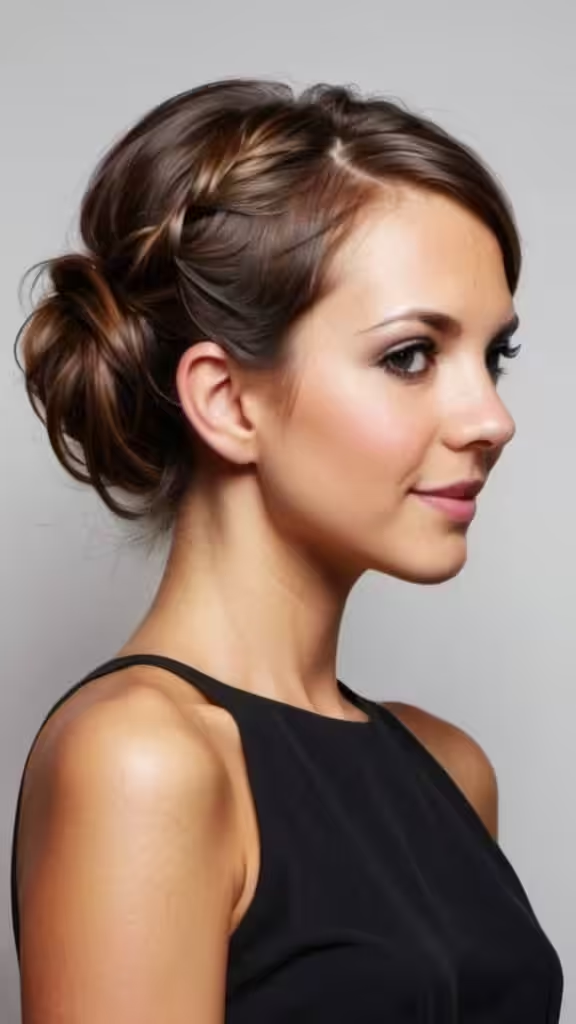
About this look — The Simple Mid-Length Updo collects the hair off the neck and secures with pins or a hair tie, keeping the perimeter clean.
- Best face shape
- Universally flattering — the face-framing tendrils are what tune the look to your face shape.
- What to tell your barber
- This is a style, not a cut — ask a stylist to walk you through the pin plan on your own hair once.
- Maintenance
- Style-only. The underlying cut still needs a trim every 8–10 weeks.
- Style at home
- Skip washing for 24 hours before styling.
- Twist the length back into a low bun.
- Anchor with 3–4 bobby pins and mist with flexible hairspray.
Double Twisted Half Updo
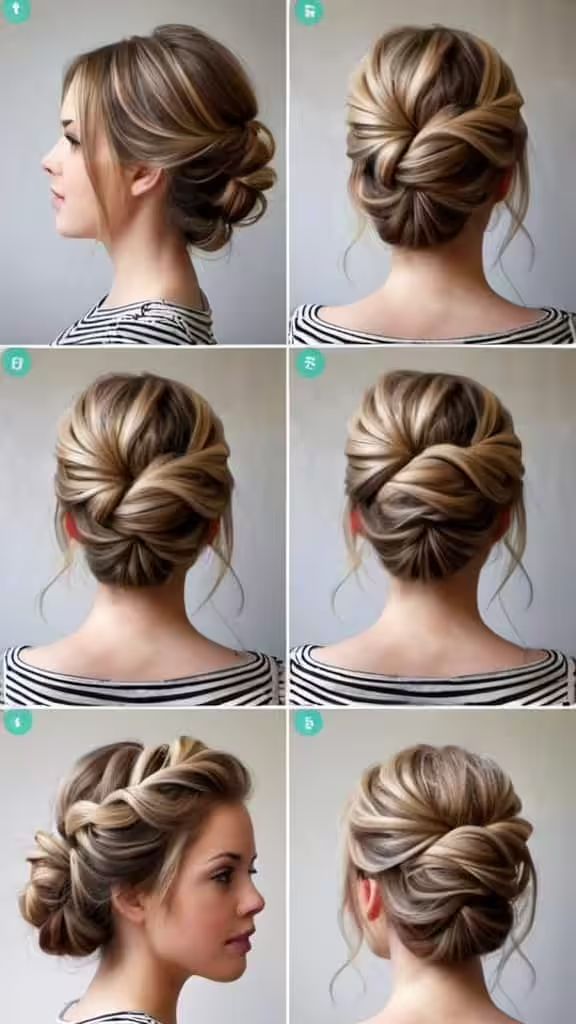
About this look — The Double Twisted Half Updo collects the hair off the neck and secures with pins or a hair tie, keeping the perimeter clean.
- Best face shape
- Any — updos frame the face rather than fight it.
- What to tell your barber
- Not a cutting appointment; book a styling lesson so you learn the exact pin placement for this shape.
- Maintenance
- N/A. This is a style, not a cut — refresh cut every 8–10 weeks.
- Style at home
- Start on second-day hair for grip.
- Tie into a low pony or twist.
- Pin the ends into the shape you want with 3–4 bobby pins.
Mini French Twist
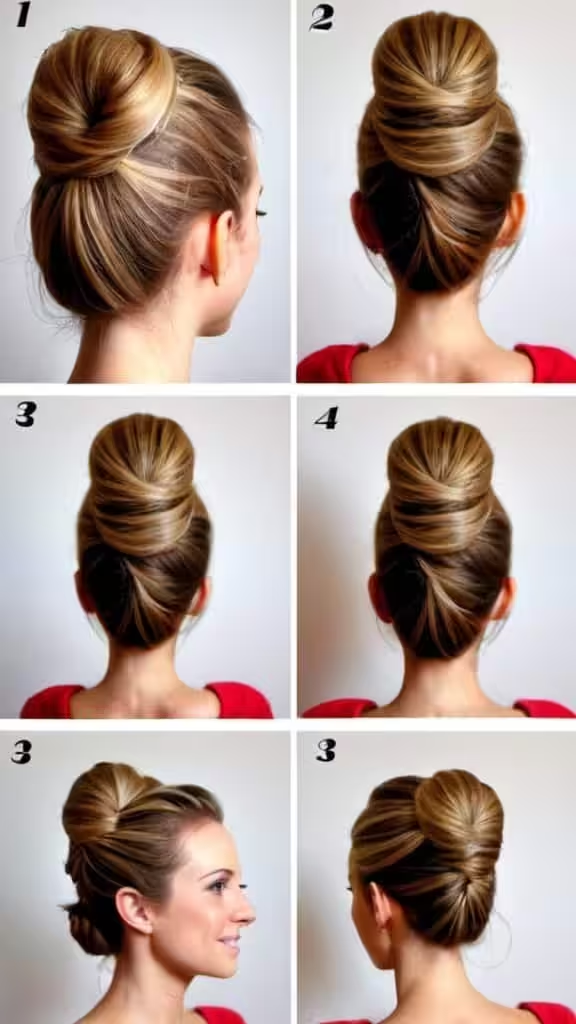
About this look — The Mini French Twist plaits the hair according to the chosen pattern (three-strand, French, Dutch, cornrow) with consistent tension.
- Best face shape
- Any — braids are a style choice, not a face-shape decision.
- What to tell your barber
- For protective styles, book a braid specialist; ask for the specific pattern and end technique (rubber-band or tuck).
- Maintenance
- 4–8 week install cycle; a satin bonnet or pillowcase overnight extends the life.
- Style at home
- Moisturize the scalp with a lightweight oil.
- Section carefully with a rat-tail comb.
- Braid with even tension and secure the ends.
Side Braided Chignon
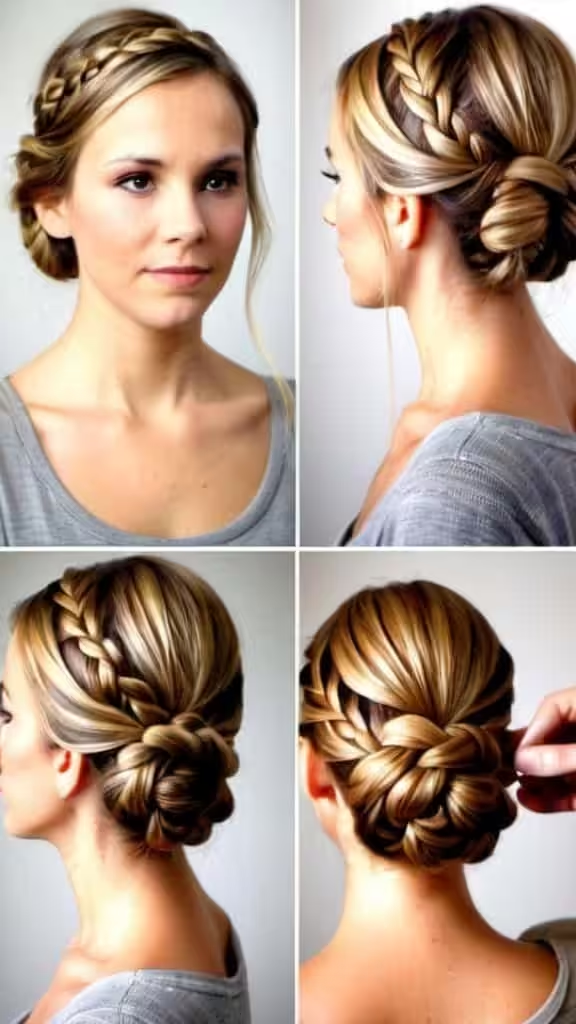
About this look — The Side Braided Chignon twists and pins the hair away from the face — pin-count and placement drive the finish.
- Best face shape
- Universally flattering — the face-framing tendrils are what tune the look to your face shape.
- What to tell your barber
- Not a cut — but ask your stylist to teach you the pin-and-tuck method for the specific updo shape you want.
- Maintenance
- Style-only. The underlying cut still needs a trim every 8–10 weeks.
- Style at home
- Prep with a texture spray on dry hair.
- Section, twist, and pin into your chosen shape.
- Finish with a flexible-hold spray.
Dutch Updo
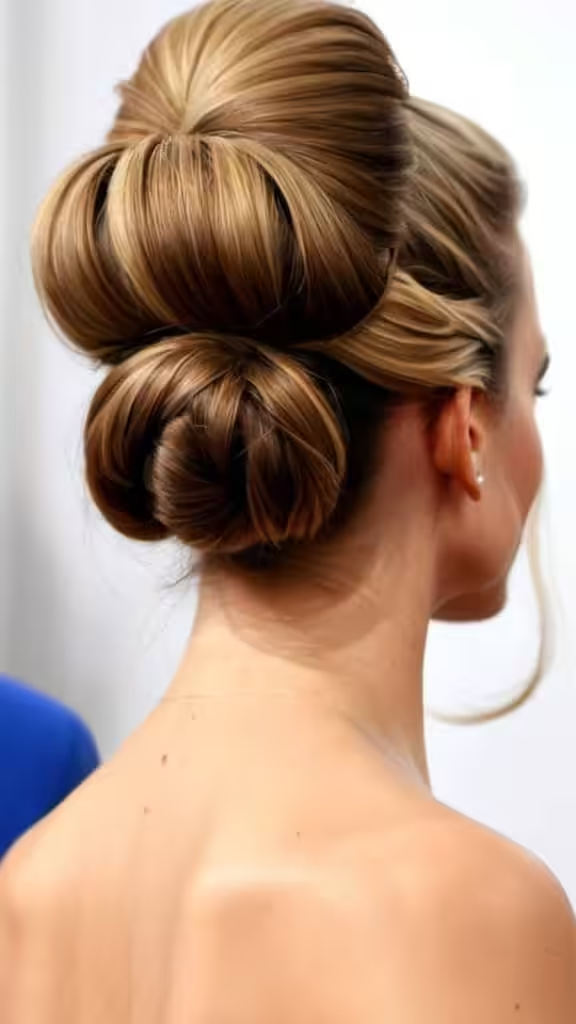
About this look — The Dutch Updo sweeps the length up and tucks it in place — the technique is about anchor points, not product.
- Best face shape
- Universally flattering — the face-framing tendrils are what tune the look to your face shape.
- What to tell your barber
- Not a cutting appointment; book a styling lesson so you learn the exact pin placement for this shape.
- Maintenance
- Style-only. The underlying cut still needs a trim every 8–10 weeks.
- Style at home
- Prep with a texture spray on dry hair.
- Section, twist, and pin into your chosen shape.
- Finish with a flexible-hold spray.
Braided Bun With Bangs
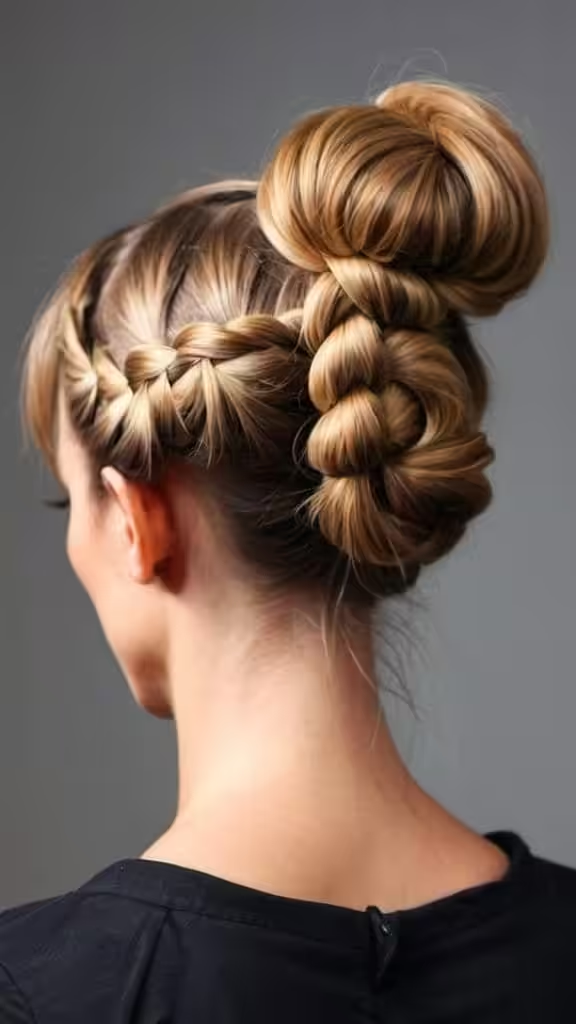
About this look — The Braided Bun With Bangs brings a fringe forward across the forehead — the exact shape is a face-shape and brow-height decision.
- Best face shape
- Best on oval, long, and heart faces; bangs visually shorten the face and soften the forehead.
- What to tell your barber
- Ask for the exact fringe style (blunt / wispy / curtain / micro) and where you want it to sit on your brow.
- Maintenance
- High. Every 3–4 weeks for the fringe trim; the rest of the cut can wait.
- Style at home
- Wet the fringe with a spray bottle if it's second-day.
- Blow-dry side to side, then finish straight.
- Set with a light-hold spray if humid.
Low Bun With Braids
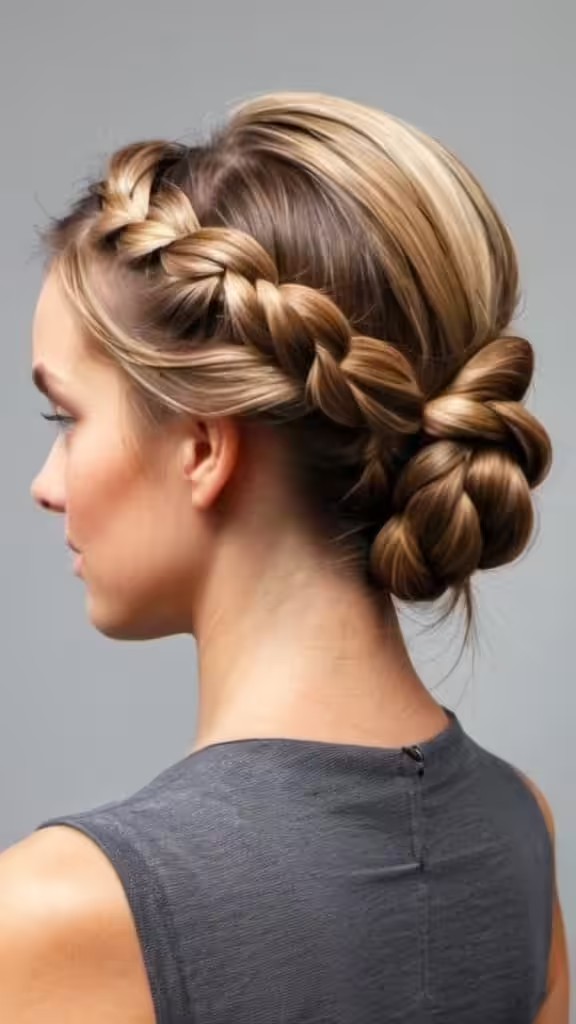
About this look — The Low Bun With Braids collects the hair off the neck and secures with pins or a hair tie, keeping the perimeter clean.
- Best face shape
- Any face; the finish is defined by loose pieces around the face rather than the bulk of the style.
- What to tell your barber
- Not a cut; a 30-minute styling session teaches you the anchor points you'll use every time.
- Maintenance
- N/A. This is a style, not a cut — refresh cut every 8–10 weeks.
- Style at home
- Skip washing for 24 hours before styling.
- Twist the length back into a low bun.
- Anchor with 3–4 bobby pins and mist with flexible hairspray.
Coiled Low Bun
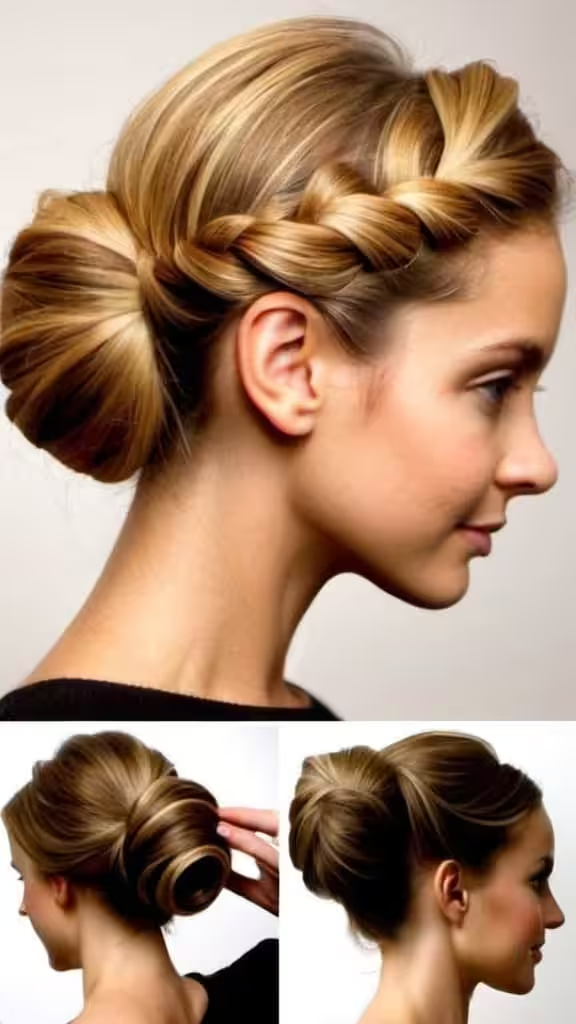
About this look — The Coiled Low Bun collects the hair off the neck and secures with pins or a hair tie, keeping the perimeter clean.
- Best face shape
- Universally flattering — the face-framing tendrils are what tune the look to your face shape.
- What to tell your barber
- Not a cutting appointment; book a styling lesson so you learn the exact pin placement for this shape.
- Maintenance
- The cut underneath still needs a refresh every 8–10 weeks — updos hide bad ends only so long.
- Style at home
- Start on second-day hair for grip.
- Tie into a low pony or twist.
- Pin the ends into the shape you want with 3–4 bobby pins.
Messy Updo With Braids
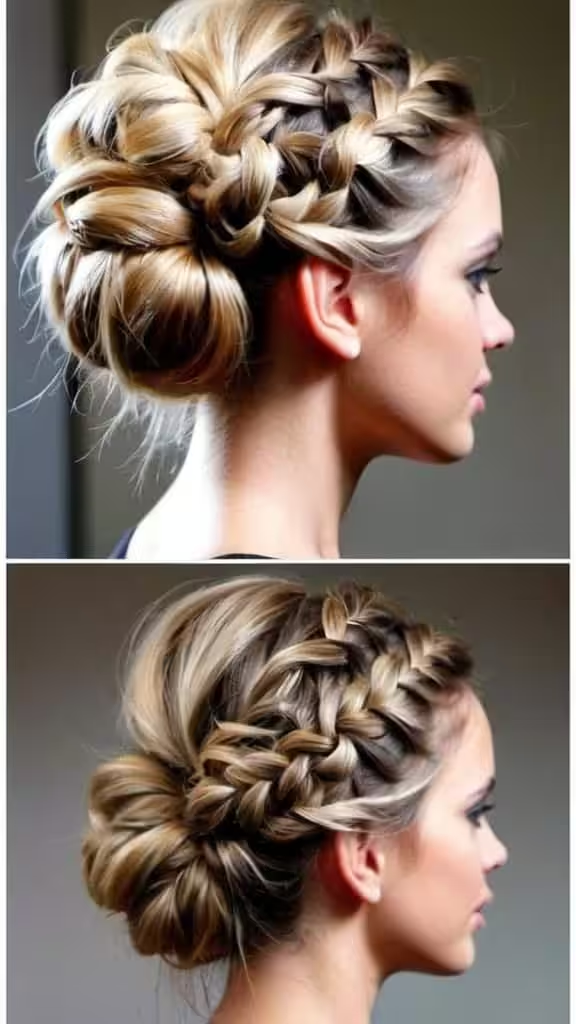
About this look — The Messy Updo With Braids sweeps the length up and tucks it in place — the technique is about anchor points, not product.
- Best face shape
- Any — updos frame the face rather than fight it.
- What to tell your barber
- Not a cut — but ask your stylist to teach you the pin-and-tuck method for the specific updo shape you want.
- Maintenance
- Style-only. The underlying cut still needs a trim every 8–10 weeks.
- Style at home
- Prep with a texture spray on dry hair.
- Section, twist, and pin into your chosen shape.
- Finish with a flexible-hold spray.
The Fishtail Bun
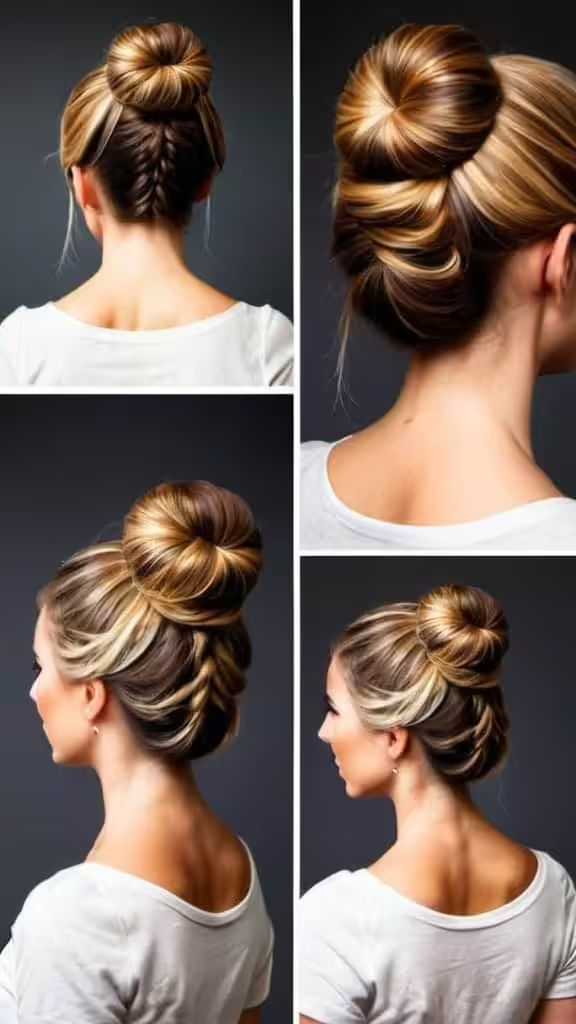
About this look — The The Fishtail Bun gathers all the length up and secures it — done well, it holds through a workday or event without touch-ups.
- Best face shape
- Any — updos frame the face rather than fight it.
- What to tell your barber
- Not a cut; a 30-minute styling session teaches you the anchor points you'll use every time.
- Maintenance
- The cut underneath still needs a refresh every 8–10 weeks — updos hide bad ends only so long.
- Style at home
- Skip washing for 24 hours before styling.
- Twist the length back into a low bun.
- Anchor with 3–4 bobby pins and mist with flexible hairspray.
The Sock Bun
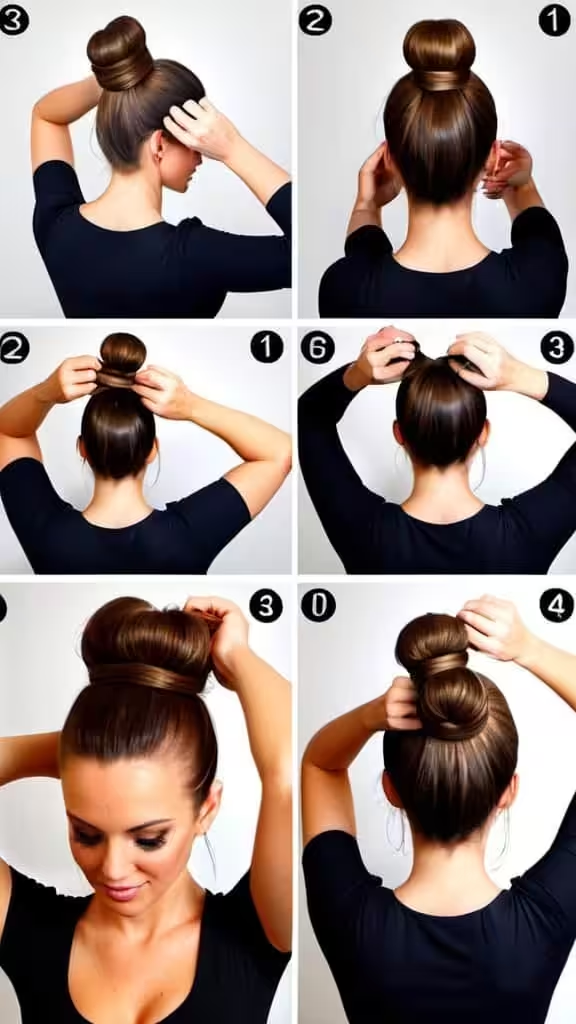
About this look — The The Sock Bun twists and pins the hair away from the face — pin-count and placement drive the finish.
- Best face shape
- Any face; the finish is defined by loose pieces around the face rather than the bulk of the style.
- What to tell your barber
- Not a haircut — book a styling tutorial with your stylist so you learn where the pins go.
- Maintenance
- The cut underneath still needs a refresh every 8–10 weeks — updos hide bad ends only so long.
- Style at home
- Skip washing for 24 hours before styling.
- Twist the length back into a low bun.
- Anchor with 3–4 bobby pins and mist with flexible hairspray.
What Makes This Style Special in 2026?
The honest truth about a mid-length cut is that the styling photos hide how much depends on the cut underneath. At mid-length the danger is the dreaded shelf at the shoulder; I bevel the ends so they tuck rather than flick. Shoulder-length hair wants its weight set just below the collarbone so it falls instead of kicking out.Why Women Love This Style
I won't oversell it — a mid-length cut asks something of you in return, and it's worth knowing that before you commit. It works with your hair's natural fall instead of fighting it, so the good days outnumber the bad. A weekly mask matters more than any styling product once hair is past the shoulder.Finding Your Perfect Variation
Mid-length is the most flexible place to sit — long enough to tie back, short enough to stay healthy, so anchor it just below the collarbone. The version that suits you is a conversation about your texture, your growth pattern, and the time you'll actually give it each morning. Table of Contents TogglePageboy Haircuts Are Back: 12 Chic Styles to Try in 2026
More Expert Guides
Browse All Hairstyle Categories
All by Jessica Hairstyles by Age