How to Choose the Right 18 Hairstyle for You
A 18 hairstyle suits almost anyone, but the variation makes the difference. Here is how I pick the right one in the chair.
By face shape
- Round face: Vertical movement matters — keep the top a little taller or layered to elongate the face.
- Oval face: Almost any variation works on you. Pick by hair type and the time you can spend styling.
- Square face: Soften the jaw with face-framing layers or a wispy fringe; avoid hard one-length edges.
- Heart face: Add width at the chin — chin-length lobs and side-swept fringes balance a wider forehead.
- Long face: Keep the silhouette wider than it is tall — fuller sides, less height, ear-to-chin layering.
By hair type
- Fine or thin hair: Texture is your friend. Ask for point-cut layering and air-dry with a volumizing mousse.
- Thick or coarse: Get internal layering to remove weight, otherwise the 18 hairstyle reads heavy by day three.
- Curly or coily (3A–4C): Cut dry on a defined curl — wet hair stretches and you will lose 20% of the silhouette when it dries.
- Straight or wavy: Most variations work cleanly. Pick by face shape and lifestyle, not behavior.
- Fine + oily scalp: Wash with a clarifying shampoo every third wash; use cool-water rinses to keep the cuticle flat.
By lifestyle
- Low maintenance: Pick the longest version of the 18 hairstyle you can — it forgives 6–8 weeks between visits.
- Office / corporate: Smooth blow-dry, light styling product, neutralized volume.
- Gym + everyday: Air-dry friendly variations; use a leave-in and a satin pillowcase to protect the shape.
- Event / photo day: Pin out the 18 hairstyle into a half-up or fastened look — keeps it photogenic for hours.
Soft Layers for Growing-Out Hair
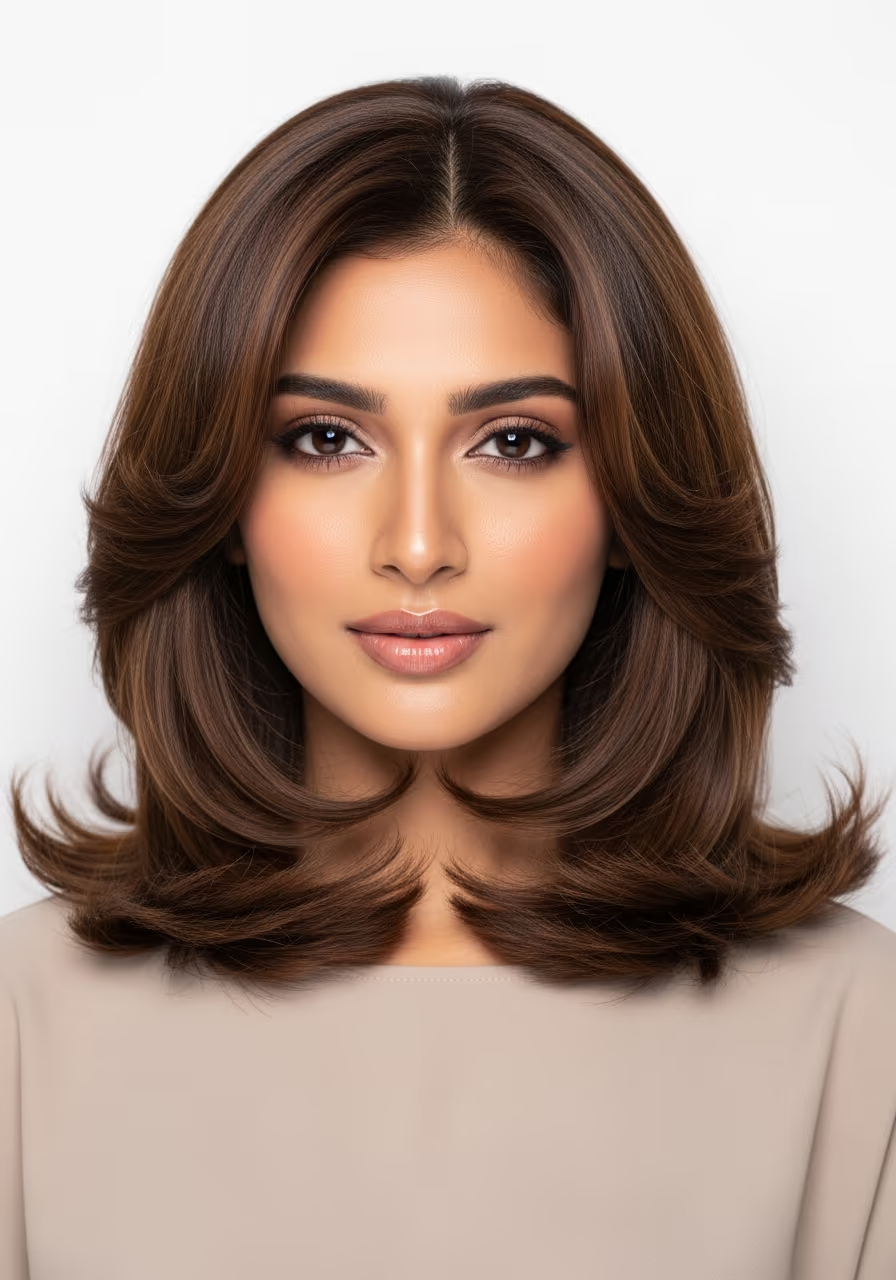
Carefully placed soft layers transform growing-out hair from a shapeless mass into a deliberately textured style that looks intentional at every stage of the growth journey. The layers are positioned to follow the natural growth direction.
How to style it
- Start on hair that is about 80% dry.
- Apply a round of styling cream, then round-brush at the roots.
- Finish with sea-salt spray for grip.
Textured Growth Style
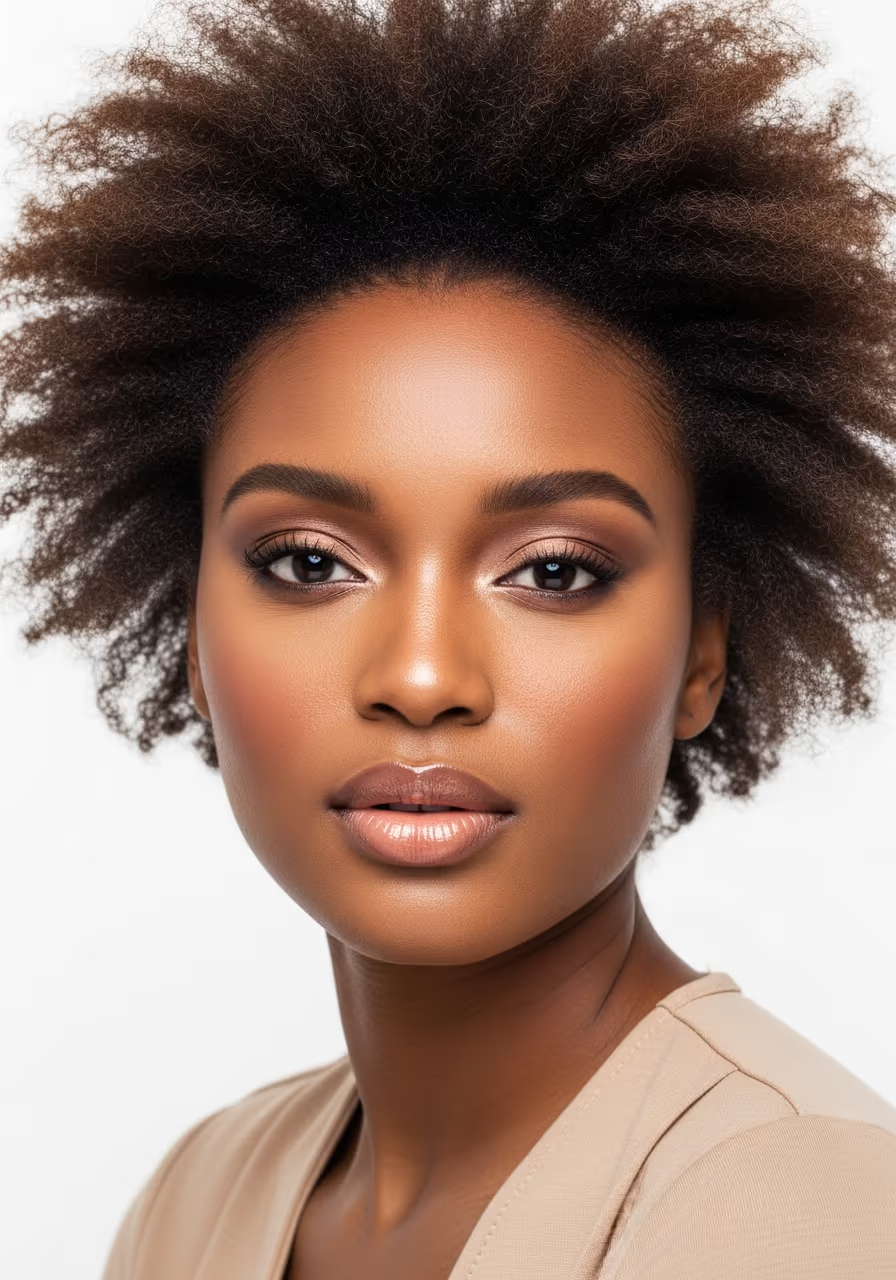
Embracing texture during the awkward stage is the single most effective strategy for making grow-out look deliberate. This approach uses products and cutting to create a textured, "effortlessly undone" aesthetic that grows more beautiful as the hair lengthens.
How to style it
- Start on hair that is about 80% dry.
- Apply a round of styling cream, then round-brush at the roots.
- Finish with sea-salt spray for grip.
Face-Framing Growing-Out Style
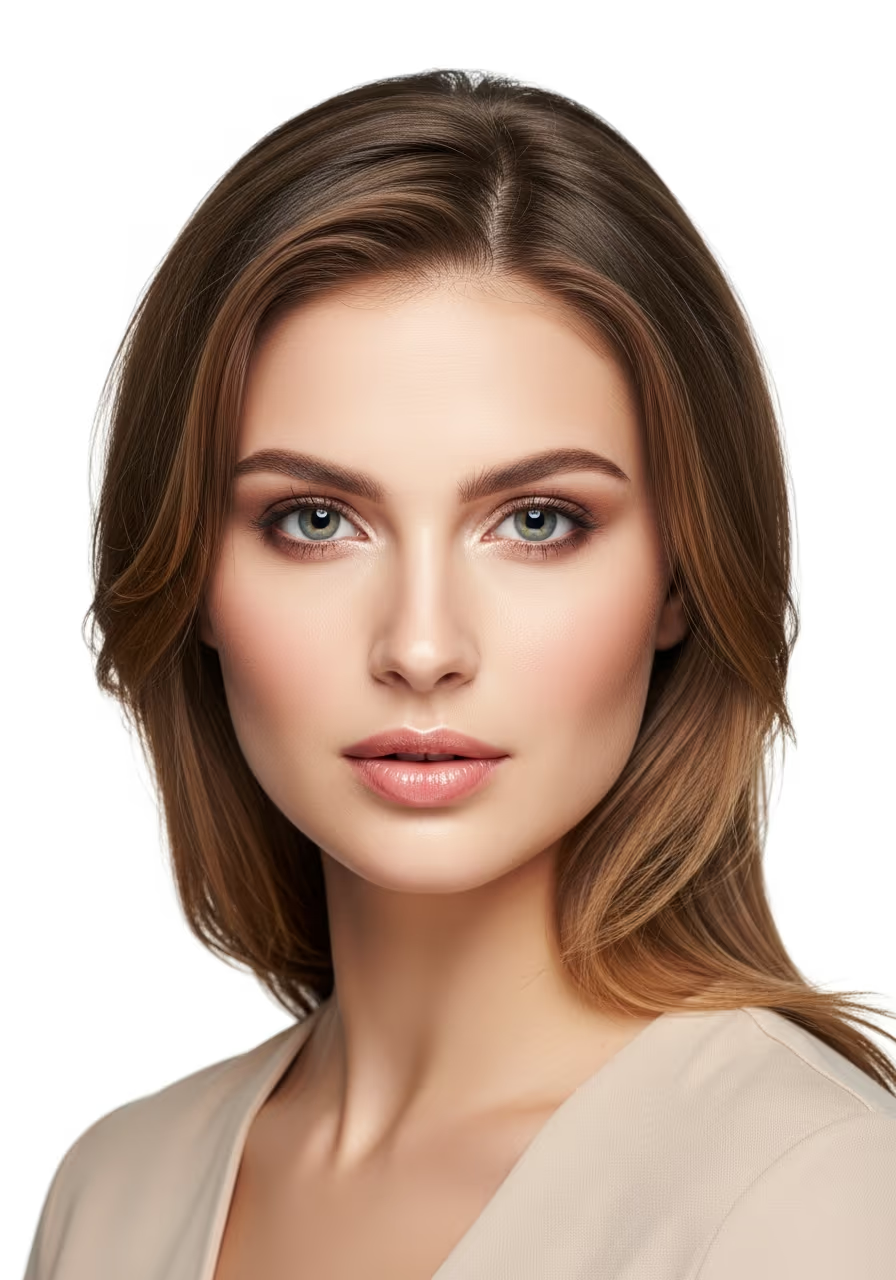
Keeping the face-framing pieces perfectly groomed is the most impactful thing you can do during grow-out — well-maintained face-framing layers make any awkward length look like a deliberate style choice rather than an accident.
How to style it
- Blow-dry with your fingers into the desired shape.
- Rub a pea of matte paste between your palms and press through.
- Neaten with a comb or your hand — no need to reset.
Low-Maintenance Growing-Out Style
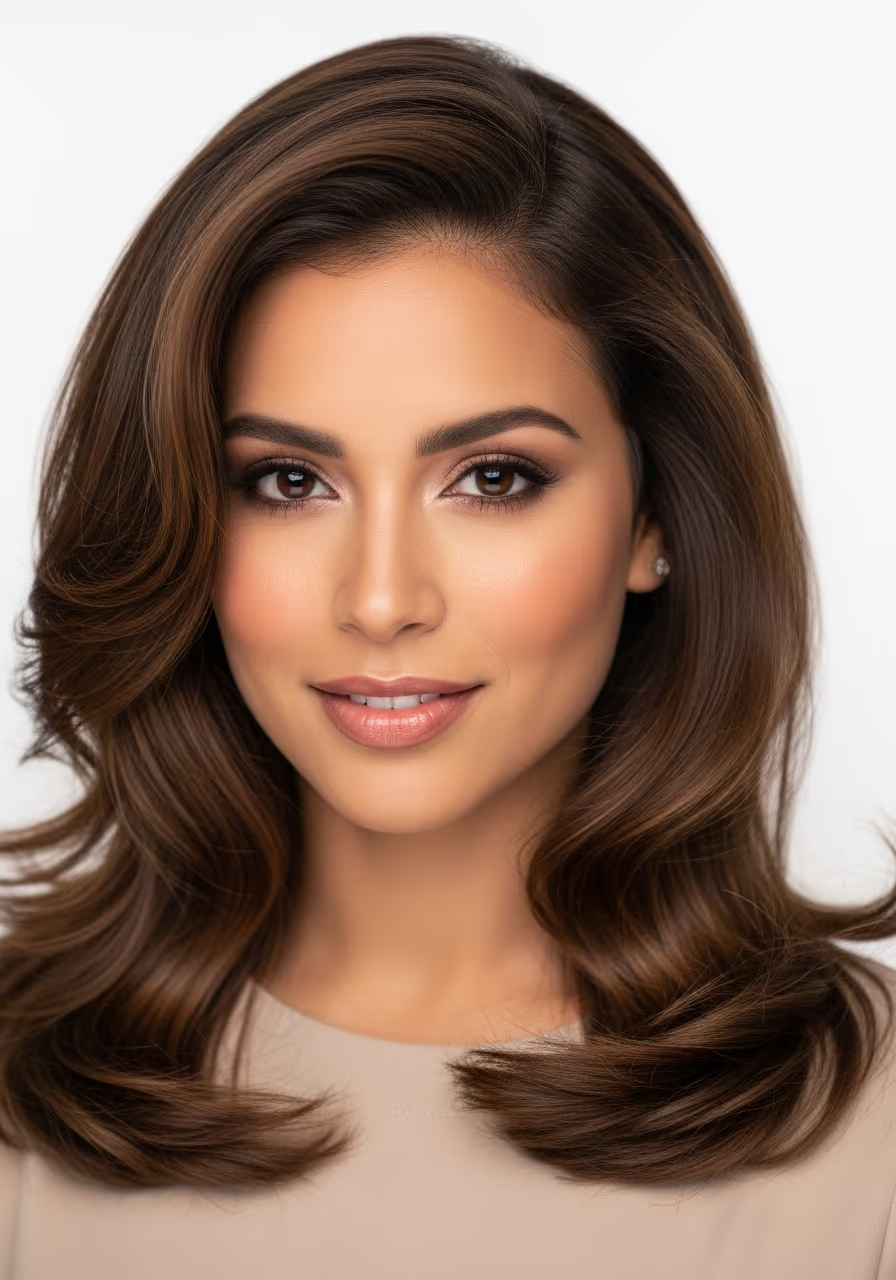
For women who want to grow their hair out with minimal daily intervention, this approach focuses on a clean shape, basic products, and strategic accessories that make any in-between length look presentable with under 5 minutes of effort.
How to style it
- Apply a heat protectant to damp hair.
- Blow-dry the top up and slightly back with a round brush.
- Set the shape with a light-hold spray.
Wavy Growing-Out Style
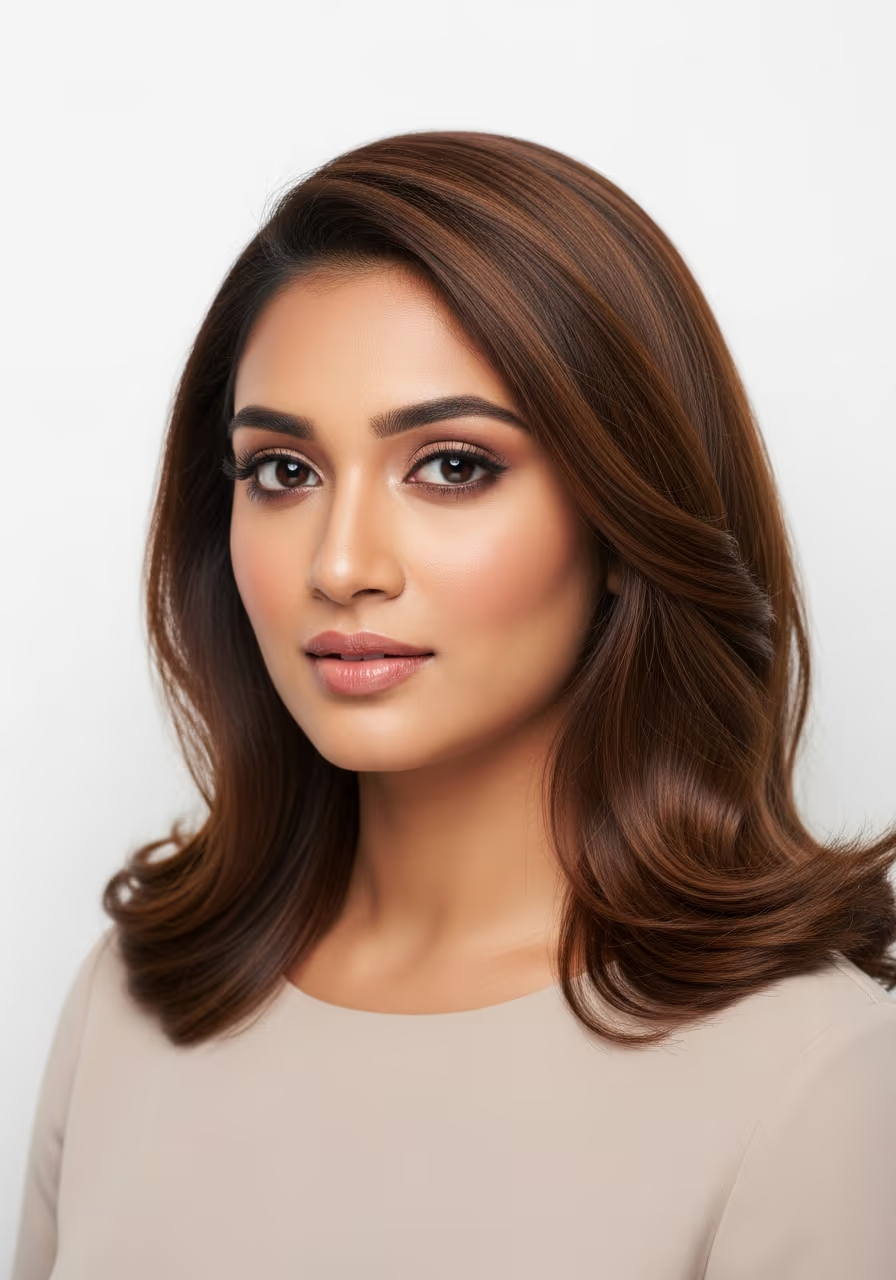
If your hair has any natural wave or can hold a wave from a wand, the awkward stage becomes much easier to navigate — waves create the texture and movement that camouflage the in-between length beautifully.
How to style it
- Apply a curl cream to soaking-wet hair and scrunch upward.
- Diffuse on low or air-dry without touching it.
- Break the cast with your fingers once fully dry.
Choppy Layers Growing-Out Style
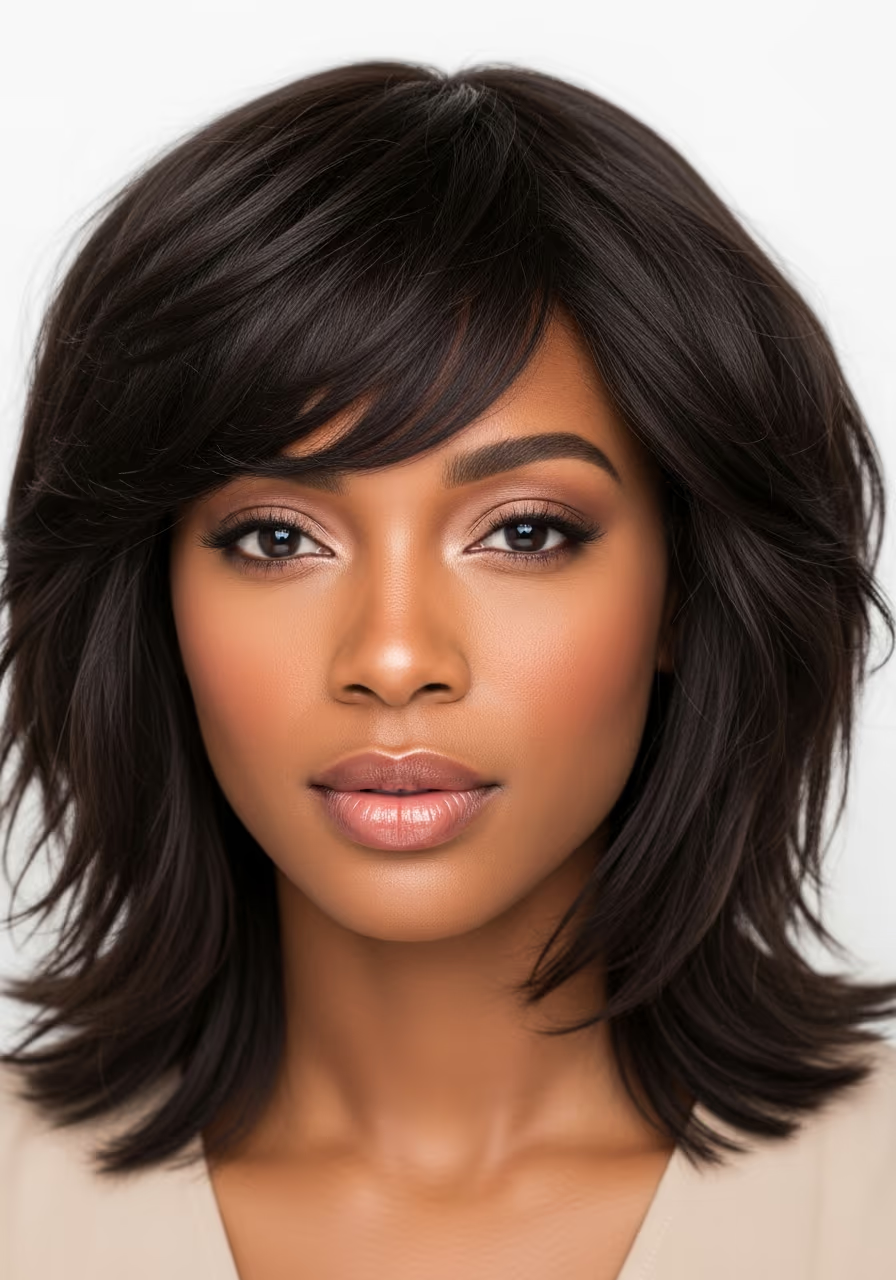
Choppy, intentional layering during grow-out gives the awkward stage a deliberate, fashion-forward quality. The disconnected layers look like a considered style rather than a grow-out in progress.
How to style it
- Start on hair that is about 80% dry.
- Apply a round of styling cream, then round-brush at the roots.
- Finish with sea-salt spray for grip.
Bangs During the Awkward Stage
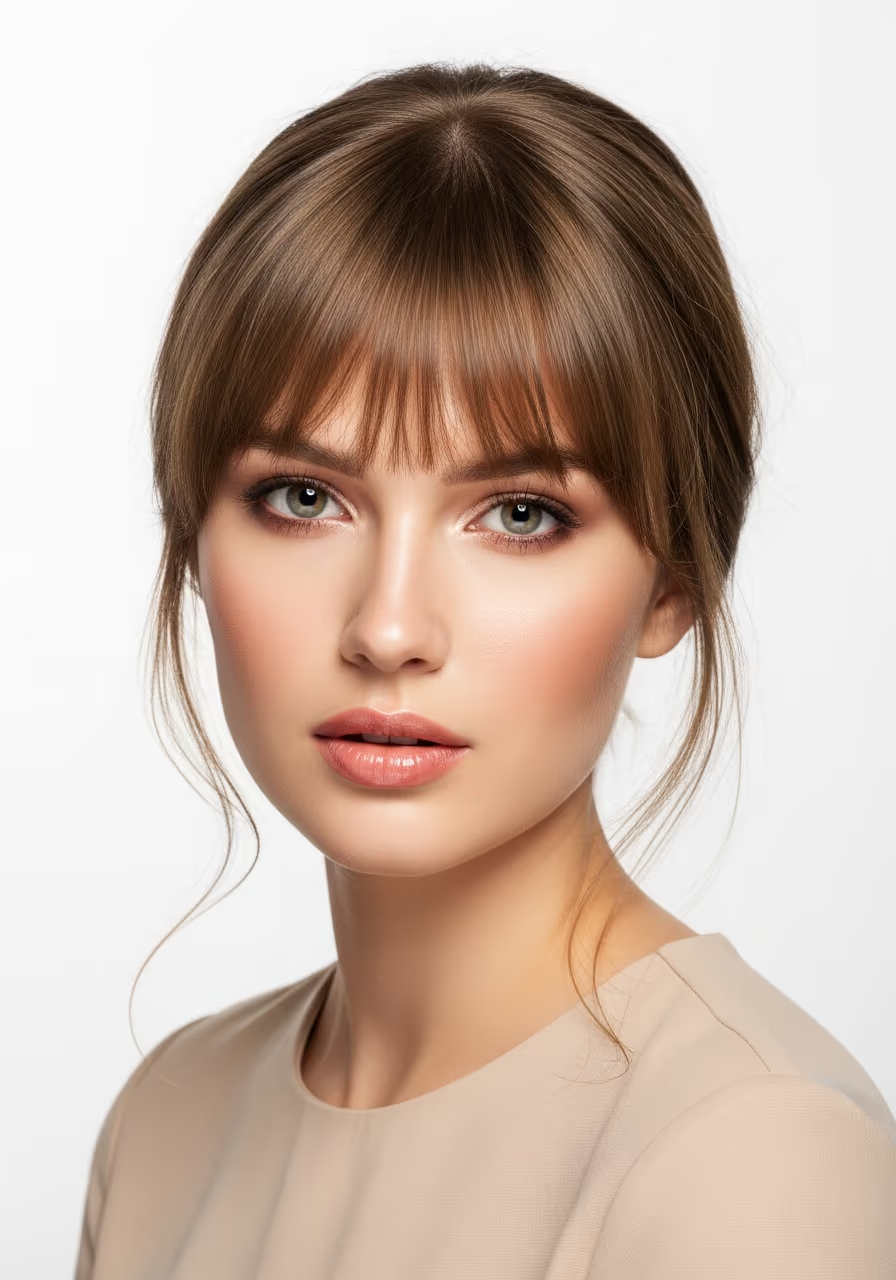
Adding or maintaining bangs during grow-out is a powerful visual tool — they direct all the attention to the eyes and forehead, completely drawing attention away from the awkward length below. This technique is used by professional stylists to make grow-out virtually invisible.
How to style it
- Dry the fringe first, straight down, before it sets.
- Smooth the bangs across with a flat brush and cool air.
- Add a little texture spray through the lengths.
Volume-Boosted Growing-Out Style
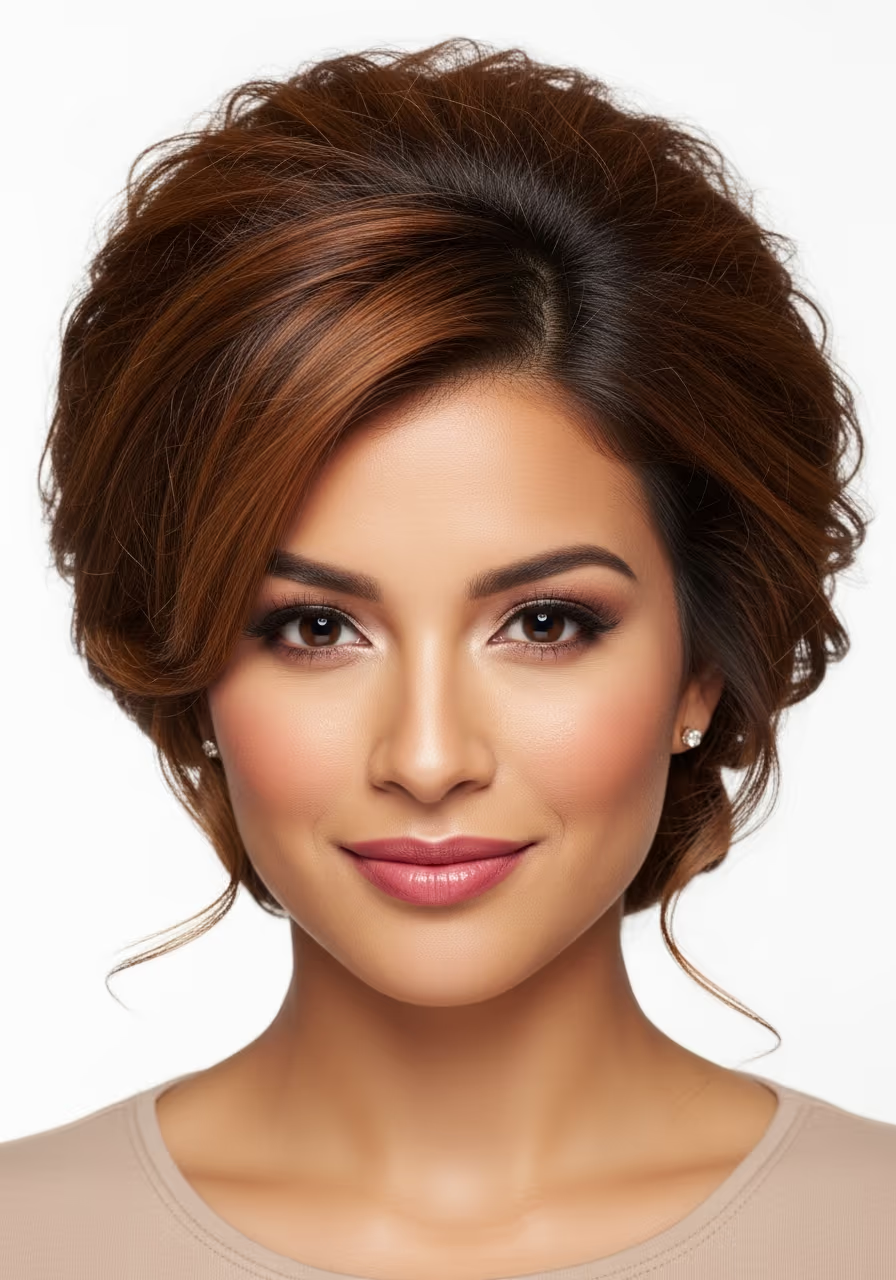
Adding volume to in-between length hair makes it look more substantial and intentional — volumizing products and techniques transform what feels like "not enough hair" into a full, beautiful style.
How to style it
- Apply a heat protectant to damp hair.
- Blow-dry the top up and slightly back with a round brush.
- Set the shape with a light-hold spray.
Effortless Growing-Out Style
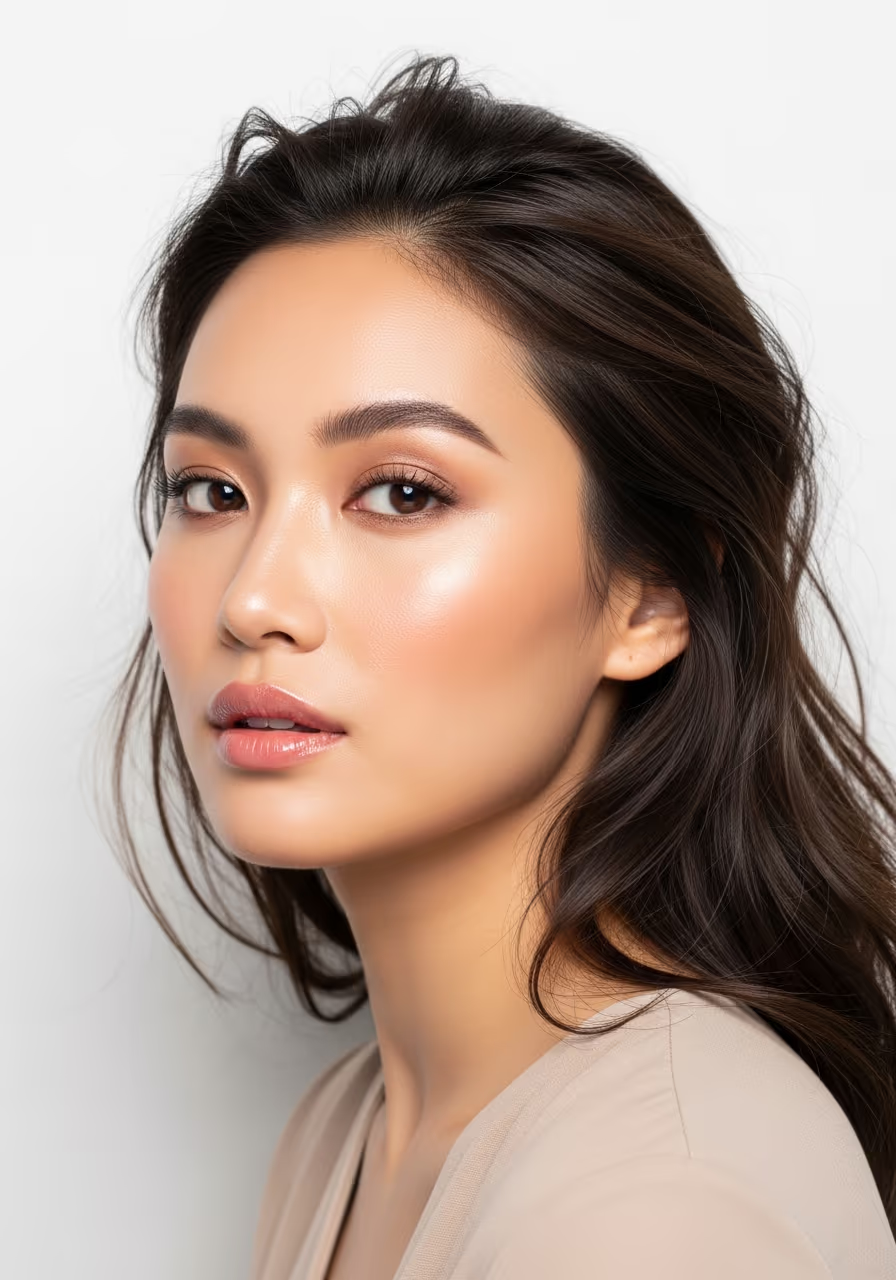
The effortless grow-out style is about accepting where your hair is right now — using minimal products to create a clean, natural look that emphasizes the beauty of the current length rather than fighting against it.
How to style it
- Start on hair that is about 80% dry.
- Apply a round of styling cream, then round-brush at the roots.
- Finish with sea-salt spray for grip.
Romantic Growing-Out Style
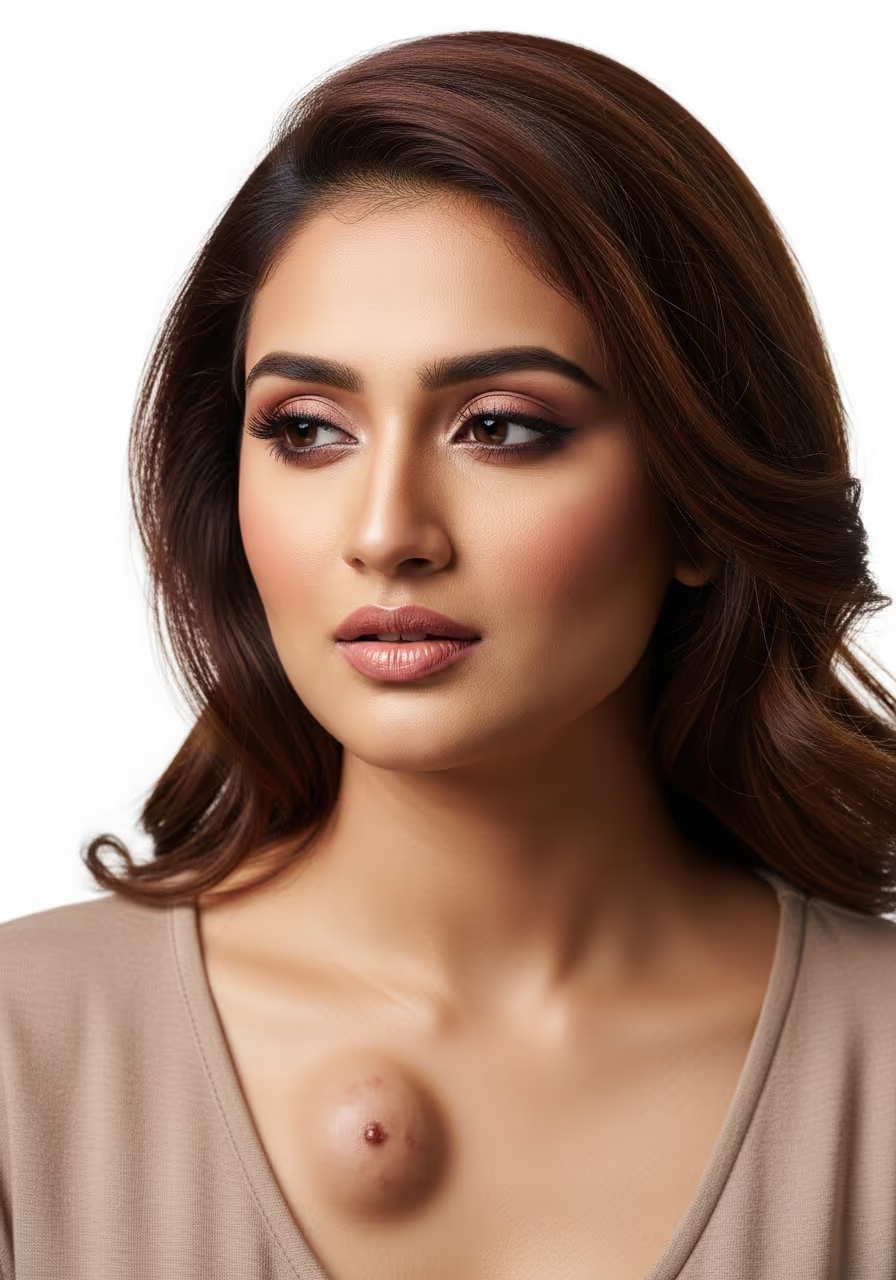
Soft waves and romantic styling during grow-out create a beautiful, intentional look that makes even the most awkward length appear deliberate and feminine. The waves draw attention to the texture rather than the length.
How to style it
- Towel-dry to damp, then apply styling cream through the mid-lengths.
- Blow-dry with a vent brush in the direction the top is meant to sit.
- Finish with a light mist of flexible-hold spray.
Growing Out a Pixie
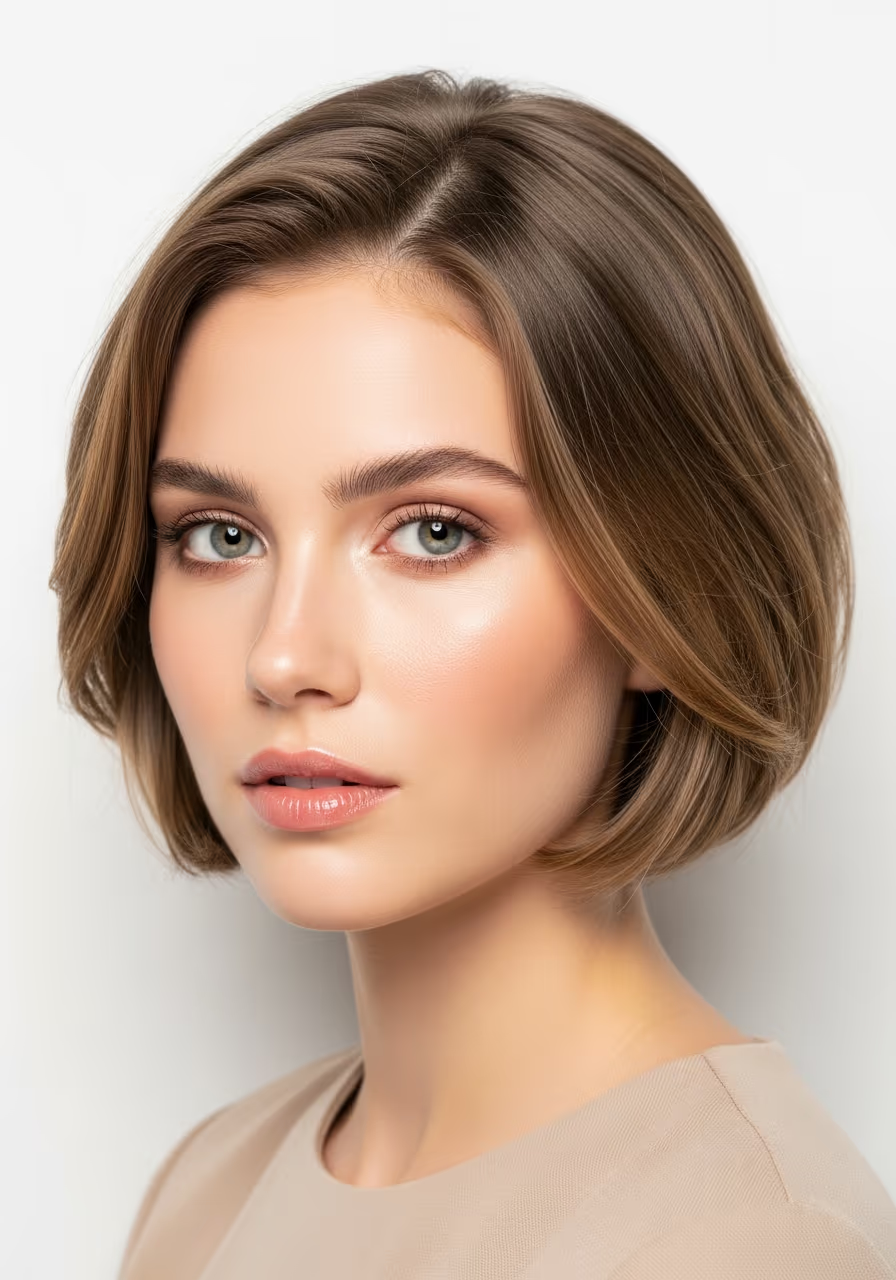
Growing out a pixie cut is perhaps the most challenging of all grow-out phases, but also the most clearly choreographed — each stage has a known solution and a predictable timeline. The key phases are managing the "mushroom head" growth between 2–4 months and the "mullet" phase between 4–8 months.
How to style it
- Towel-dry to damp, then apply styling cream through the mid-lengths.
- Blow-dry with a vent brush in the direction the top is meant to sit.
- Finish with a light mist of flexible-hold spray.
Growing Out a Lob
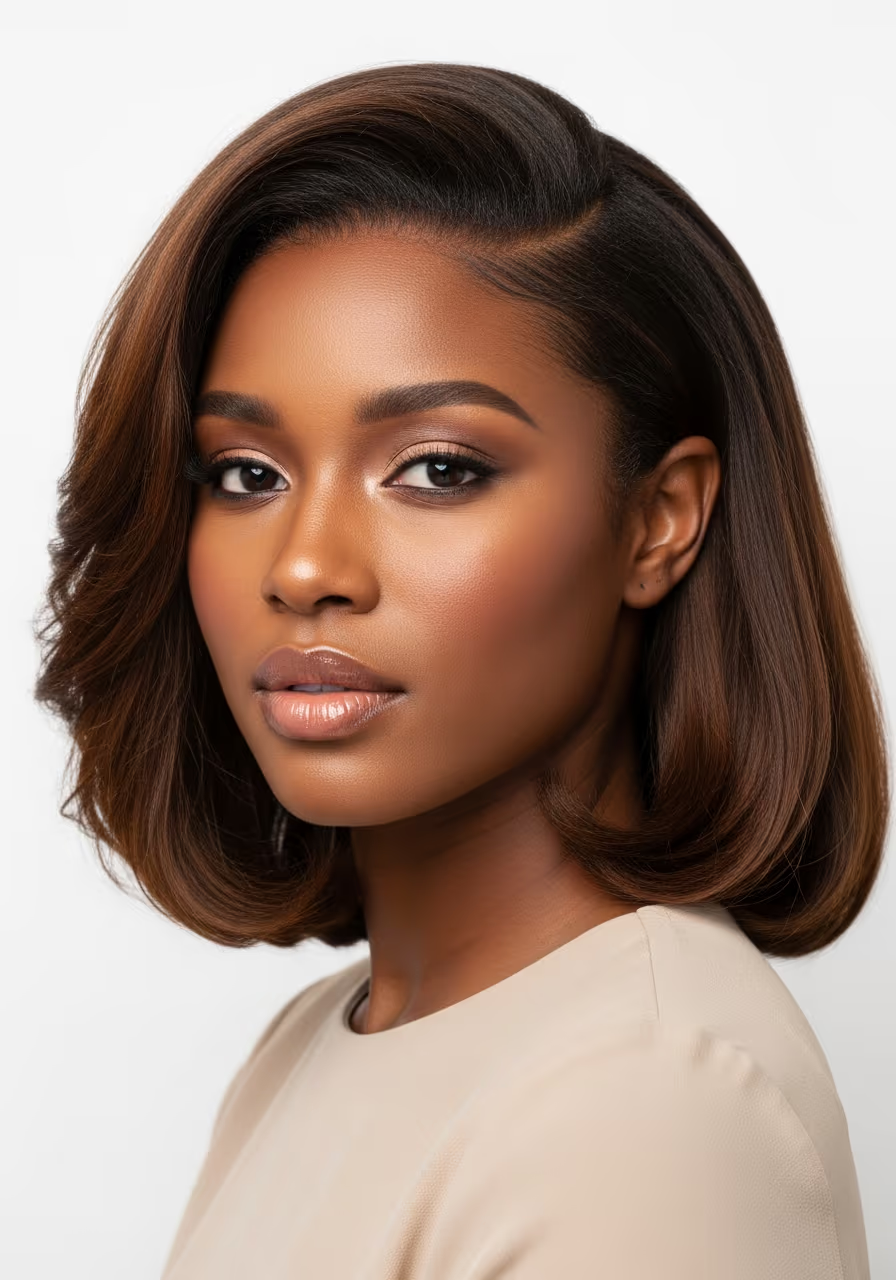
Growing a lob to medium or long length is one of the more graceful grow-outs — each month simply adds length to an already flattering shape. The strategy here is maintaining the face-framing layers while allowing the body to grow uninterrupted.
How to style it
- Apply a heat protectant to damp hair.
- Blow-dry the top up and slightly back with a round brush.
- Set the shape with a light-hold spray.
Textured Bob Growing Out
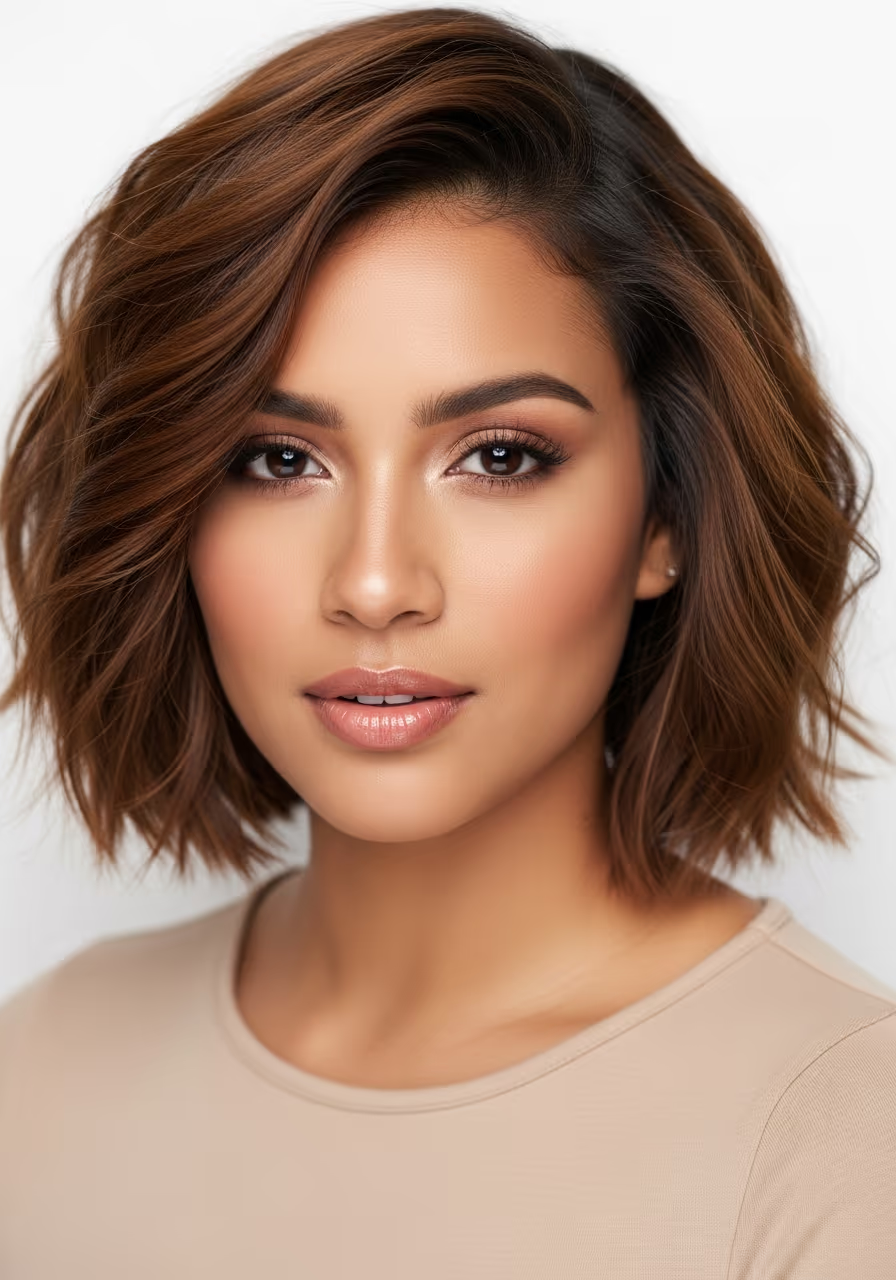
A growing-out bob that looks like a deliberate textured style rather than a failed bob requires specific cutting technique — point-cutting through the perimeter and internal layers that direct the growing hair into a textured, intentional shape.
How to style it
- Start on towel-dry hair.
- Work in a small amount of matte clay with your fingers.
- Set the shape with a light texture spray.
Accessory-Styled Growing-Out Hair
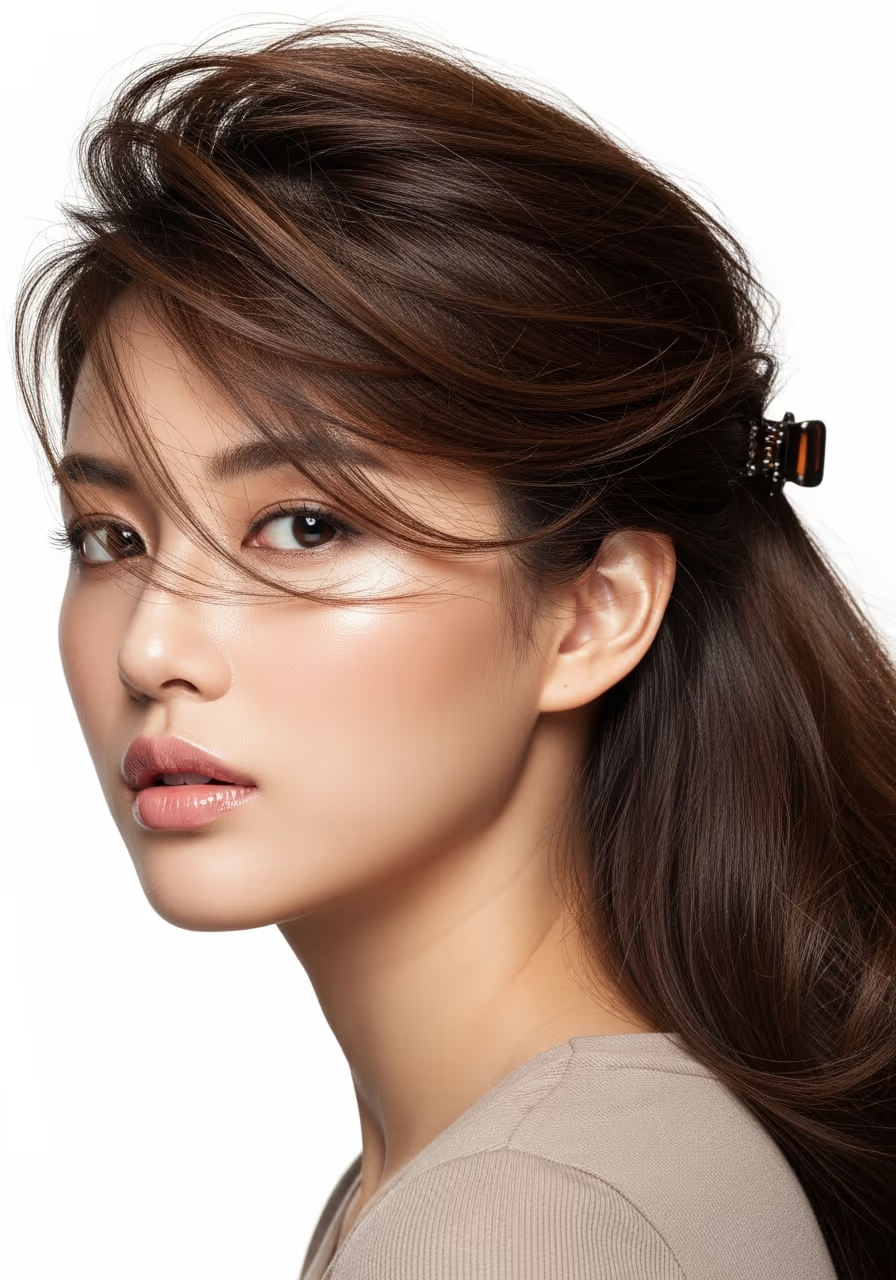
Strategic hair accessories — headbands, claw clips, bobby pins, scarves, and barrettes — are the most powerful tools available for work through the awkward stage. The right accessory instantly transforms any in-between length into a polished, complete-looking style.
How to style it
- Start on hair that is about 80% dry.
- Apply a round of styling cream, then round-brush at the roots.
- Finish with sea-salt spray for grip.
Collarbone-Target Growing-Out Style
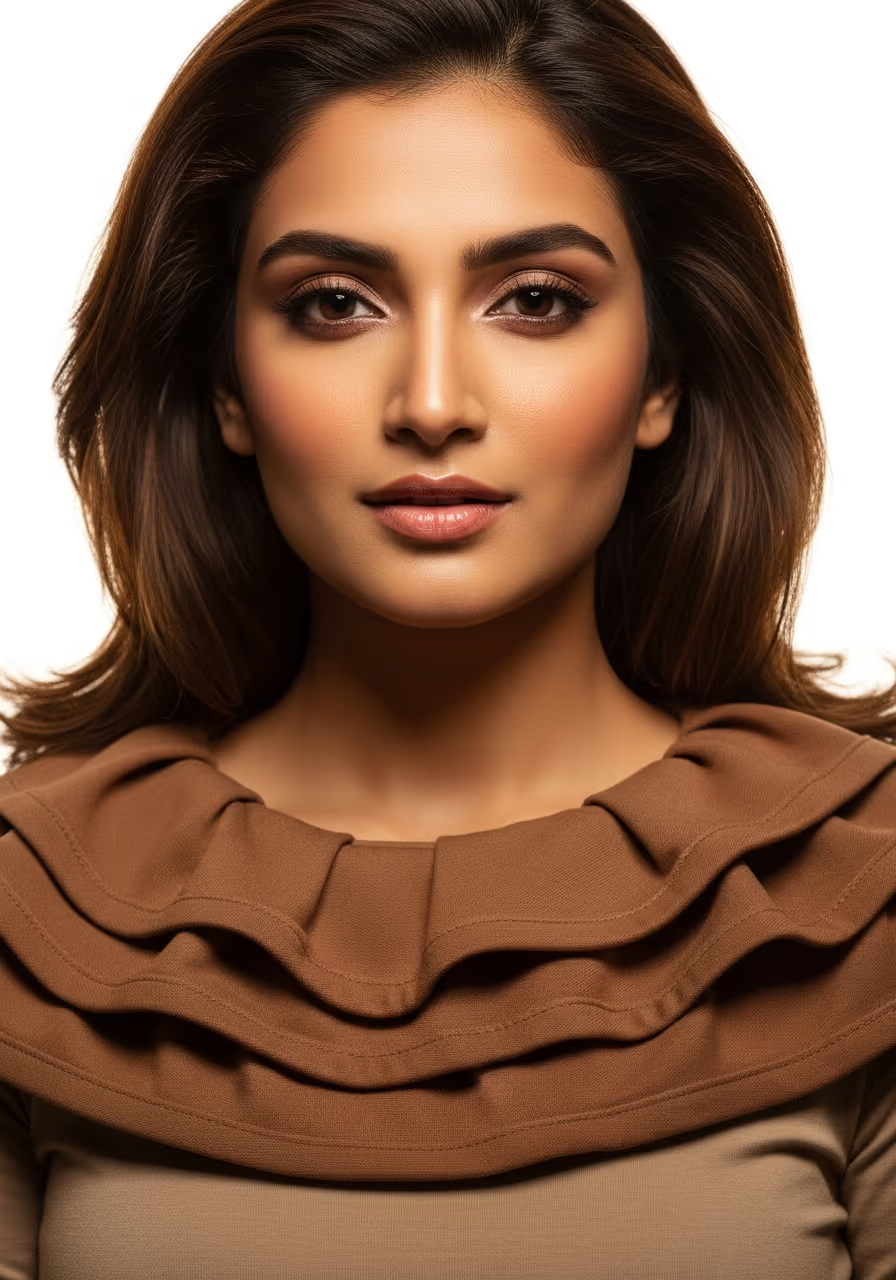
When your target length is the collarbone, the entire grow-out strategy shifts — every decision is made to reach that specific destination as quickly and gracefully as possible. This approach identifies the milestone lengths along the way and has a specific strategy for each.
How to style it
- Start on hair that is about 80% dry.
- Apply a round of styling cream, then round-brush at the roots.
- Finish with sea-salt spray for grip.
Frequently Asked
How much does 18 awkward stage hair growth hairstyles to get you through cost at a US salon in 2026?+
What is 18 Awkward Stage Hair Growth Hairstyles to Get You Through?+
How much does a awkward stage hair growth hairstyles to cost at a US salon?+
How long does a awkward stage hair growth hairstyles to last between salon visits?+
What products help a awkward stage hair growth hairstyles to hold its shape?+
Is 18 Awkward Stage Hair Growth Hairstyles to Get You Through still in style in 2026?+
How do I ask my stylist for 18 Awkward Stage Hair Growth Hairstyles to Get You Through?+
How long does 18 Awkward Stage Hair Growth Hairstyles to Get You Through last between salon visits?+
How long does 18 awkward stage hair growth hairstyles to get you through take in the chair?+
Does 18 awkward stage hair growth hairstyles to get you through work on curly, coily, or textured hair?+
What at-home products keep 18 awkward stage hair growth hairstyles to get you through looking salon-fresh?+
Sources & Further Reading
Cost ranges, styling technique, and care tips referenced here draw on the following industry sources:
- Byrdie — Hair-focused editorial reviewed by licensed cosmetologists.
- Allure — Hair — Award-winning beauty journalism on cut and color trends.
- Refinery29 — Hair — Editorial coverage of cut, color and texture trends.
- Behind The Chair — Largest US stylist community for cut, color and styling technique.
- Modern Salon — Industry trade publication for working salon professionals.
Cost ranges and refresh cadence figures below come from 15+ years of US salon experience. Reviewed by Jessica Hamilton, licensed cosmetologist.
What Makes a Awkward-Stage Growth Hairstyle Look Its Best
- ✓Continue getting small shaping trims every 8–10 weeks — these maintain a clean silhouette without removing length
- ✓Face-framing pieces are the most important thing to keep groomed during grow-out — they determine the overall look's quality
- ✓Accessories (headbands, clips, pins) are your best friend during awkward stages — they instantly transform any length
- ✓A great product combination makes in-between hair look deliberately textured rather than simply unstyled
- ✓Add subtle highlights or a toner during grow-out — the color dimension distracts from the awkward length
- ✓Document the growth journey — looking back at photos reminds you how far you've come
What Diminishes a Awkward-Stage Growth Hairstyle
- AVOIDCutting back to your old length out of frustration — commitment and strategy are the keys to successful grow-out
- AVOIDComparing your growth rate to others — everyone grows at a different pace (typically 0.5 inches/month average)
- AVOIDSkipping trims entirely — uneven, split ends make awkward-stage hair look genuinely unkempt rather than growing-out
- AVOIDOver-styling and fighting the natural texture of in-between hair — work with it, not against it
What Makes This Style Special in 2026?
People bring me a photo of this style and assume it's about the styling; it almost never is. I point-cut the ends so they move instead of sitting in a flat, heavy line. The shape comes from the cut, not the styling, so I balance the weight to the face and keep the finish simple.Why Women Love This Style
I'll be honest about the trade-off: this style takes upkeep, and the people happiest with it are the ones who knew that going in. It grows out gracefully instead of falling apart between appointments, which is worth more than any single good-hair day. Heat protectant every single time you reach for a hot tool — not most times, every time.Finding Your Perfect Variation
Round faces want height and length to lengthen; long faces want width and a fringe to shorten. Ask your stylist to dry and finish it the first time so you can see whether it fits your real routine, not just the salon mirror. Table of Contents ToggleKeep Your Awkward-Stage Growth Hairstyle Looking Fresh
For a complete at-home care guide, visit our Awkward-Stage Growth Hairstyle Maintenance Guide.Pageboy Haircuts Are Back: 12 Chic Styles to Try in 2026
More Expert Guides
Browse All Hairstyle Categories
All by Jessica Hairstyles by AgeRelated Guides
- Versatile & Easy: 21 Balayage Short Hair Looks for 2026
- 21 Trendy & Stylish Bob Haircuts for Fine Hair in 2026
- 15 Beautiful Braid Updo Styles for Long Natural Hair in 2026
- 21 Stunning Braided Hairstyles for Long Hair in 2026
- 22 Butterfly Haircuts for Long Hair: The Trending Cut of 2026
- 21 Effortless Casual Updos for Long Hair to Try in 2026