How to Choose the Right Braids for You
A braids suits almost anyone, but the variation makes the difference. Here is how I pick the right one in the chair.
By face shape
- Round face: Vertical movement matters — keep the top a little taller or layered to elongate the face.
- Oval face: Almost any variation works on you. Pick by hair type and the time you can spend styling.
- Square face: Soften the jaw with face-framing layers or a wispy fringe; avoid hard one-length edges.
- Heart face: Add width at the chin — chin-length lobs and side-swept fringes balance a wider forehead.
- Long face: Keep the silhouette wider than it is tall — fuller sides, less height, ear-to-chin layering.
By hair type
- Fine or thin hair: Texture is your friend. Ask for point-cut layering and air-dry with a volumizing mousse.
- Thick or coarse: Get internal layering to remove weight, otherwise the braids reads heavy by day three.
- Curly or coily (3A–4C): Cut dry on a defined curl — wet hair stretches and you will lose 20% of the silhouette when it dries.
- Straight or wavy: Most variations work cleanly. Pick by face shape and lifestyle, not behavior.
- Fine + oily scalp: Wash with a clarifying shampoo every third wash; use cool-water rinses to keep the cuticle flat.
By lifestyle
- Low maintenance: Pick the longest version of the braids you can — it forgives 6–8 weeks between visits.
- Office / corporate: Smooth blow-dry, light styling product, neutralized volume.
- Gym + everyday: Air-dry friendly variations; use a leave-in and a satin pillowcase to protect the shape.
- Event / photo day: Pin out the braids into a half-up or fastened look — keeps it photogenic for hours.
Braid Split into Pigtails
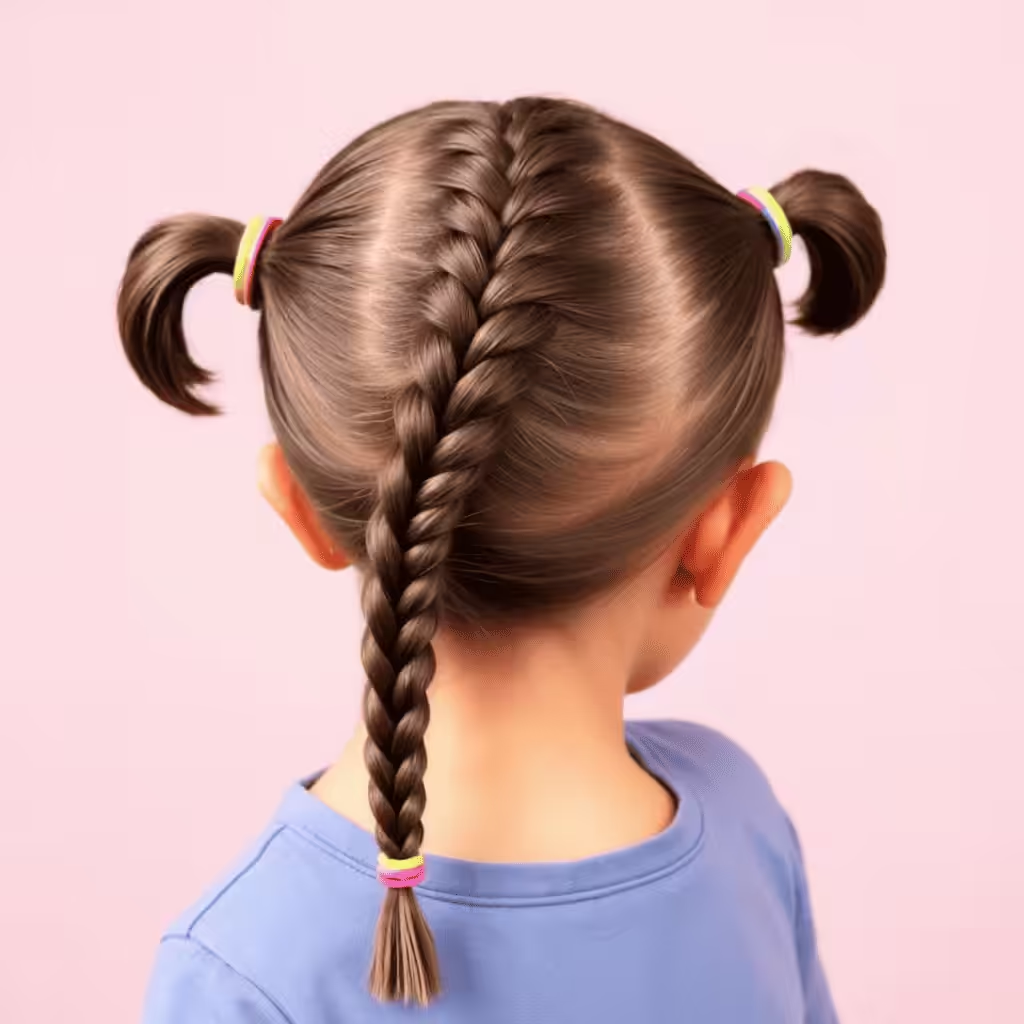
About this look — The Braid Split into Pigtails plaits the hair according to the chosen pattern (three-strand, French, Dutch, cornrow) with consistent tension.
- Best face shape
- Universally flattering — braids follow the head, not the face.
- What to tell your barber
- Book a braid specialist and specify the pattern (box, knotless, feed-in, or cornrow) and end method (sealed with hot water or hair-tucked).
- Maintenance
- Refresh every 4–8 weeks depending on braid type; nightly satin scarf.
- Style at home
- Moisturize the scalp with a lightweight oil.
- Section carefully with a rat-tail comb.
- Braid with even tension and secure the ends.
Boxer Braids for Short Straight Hair
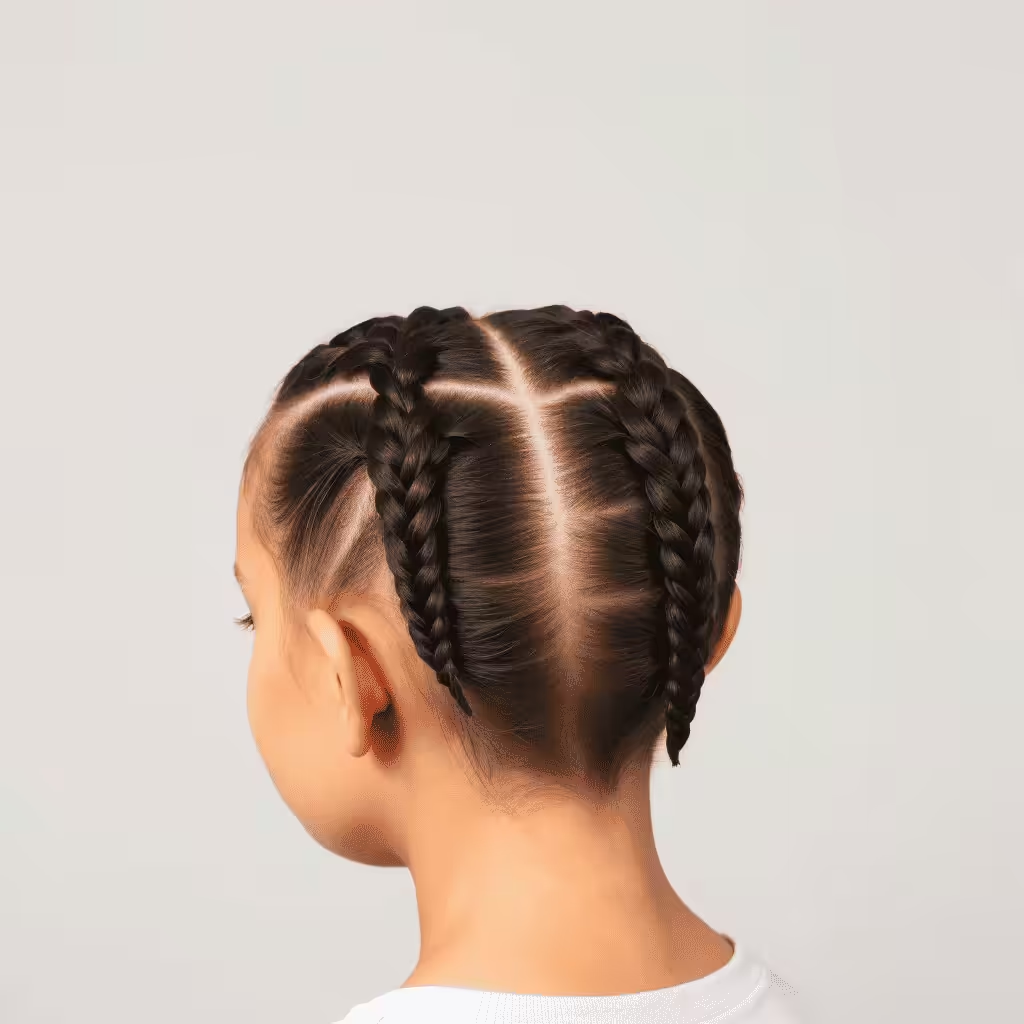
About this look — The Boxer Braids for Short Straight Hair plaits the hair according to the chosen pattern (three-strand, French, Dutch, cornrow) with consistent tension.
- Best face shape
- Any — braids are a style choice, not a face-shape decision.
- What to tell your barber
- Braids are specialist work — ask for the pattern by name (box, knotless, feed-in) and the end finish (sealed or tucked).
- Maintenance
- Every 4–8 weeks between installs. Nightly satin scarf preserves the pattern.
- Style at home
- Detangle wet hair with a wide-tooth comb.
- Section using a rat-tail comb, keeping the parts clean.
- Braid to the ends and secure.
Long Braided Pigtails
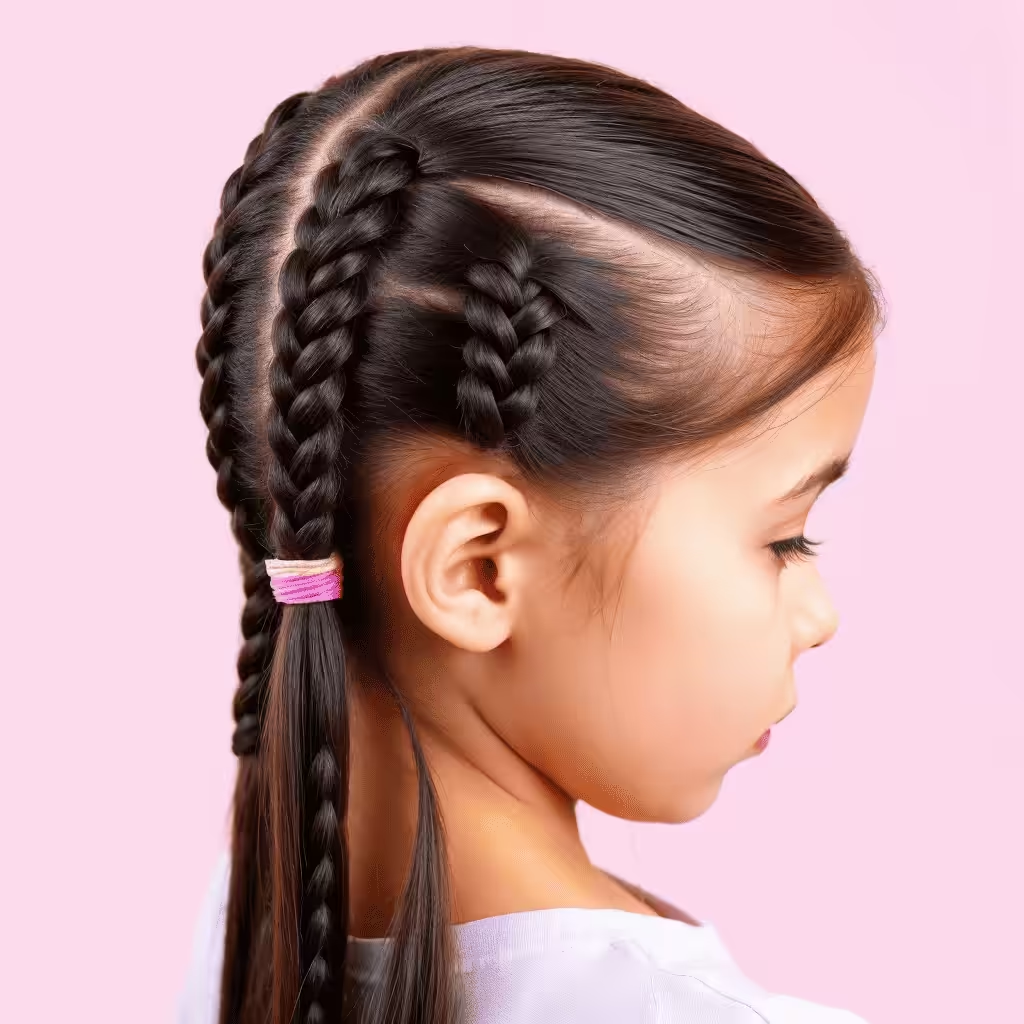
About this look — The Long Braided Pigtails divides the hair into rows or sections and interlaces them into the chosen braid pattern.
- Best face shape
- Universally flattering — braids follow the head, not the face.
- What to tell your barber
- Braids are specialist work — ask for the pattern by name (box, knotless, feed-in) and the end finish (sealed or tucked).
- Maintenance
- Refresh every 4–8 weeks depending on braid type; nightly satin scarf.
- Style at home
- Apply a leave-in conditioner to damp hair.
- Section evenly and braid.
- Seal ends with a small hair tie or clip.
Criss Cross Infinity Braids
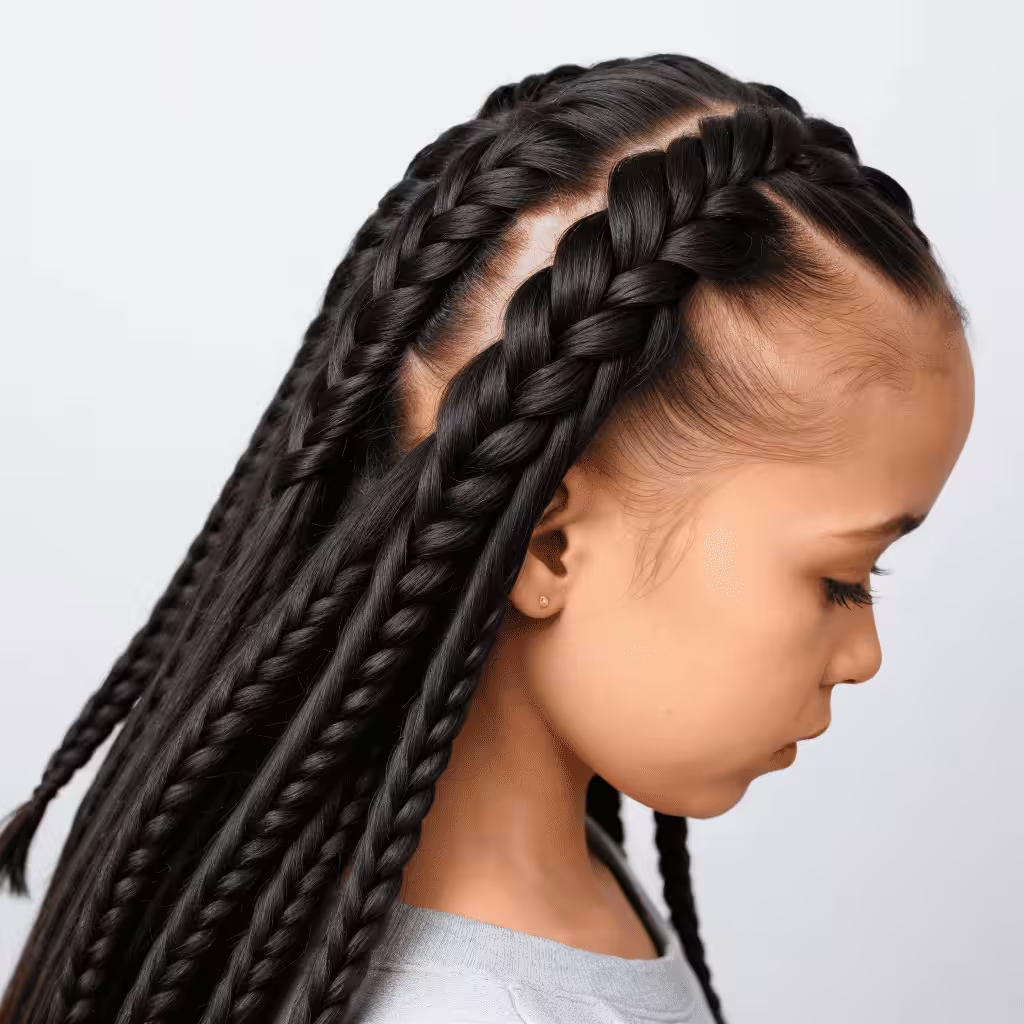
About this look — The Criss Cross Infinity Braids weaves the length into plaits — the tension of each pass determines how long the braid holds.
- Best face shape
- Universally flattering — braids follow the head, not the face.
- What to tell your barber
- Book a braid specialist and specify the pattern (box, knotless, feed-in, or cornrow) and end method (sealed with hot water or hair-tucked).
- Maintenance
- Every 4–8 weeks between installs. Nightly satin scarf preserves the pattern.
- Style at home
- Moisturize the scalp with a lightweight oil.
- Section carefully with a rat-tail comb.
- Braid with even tension and secure the ends.
Dutch-Style Pancake Braids
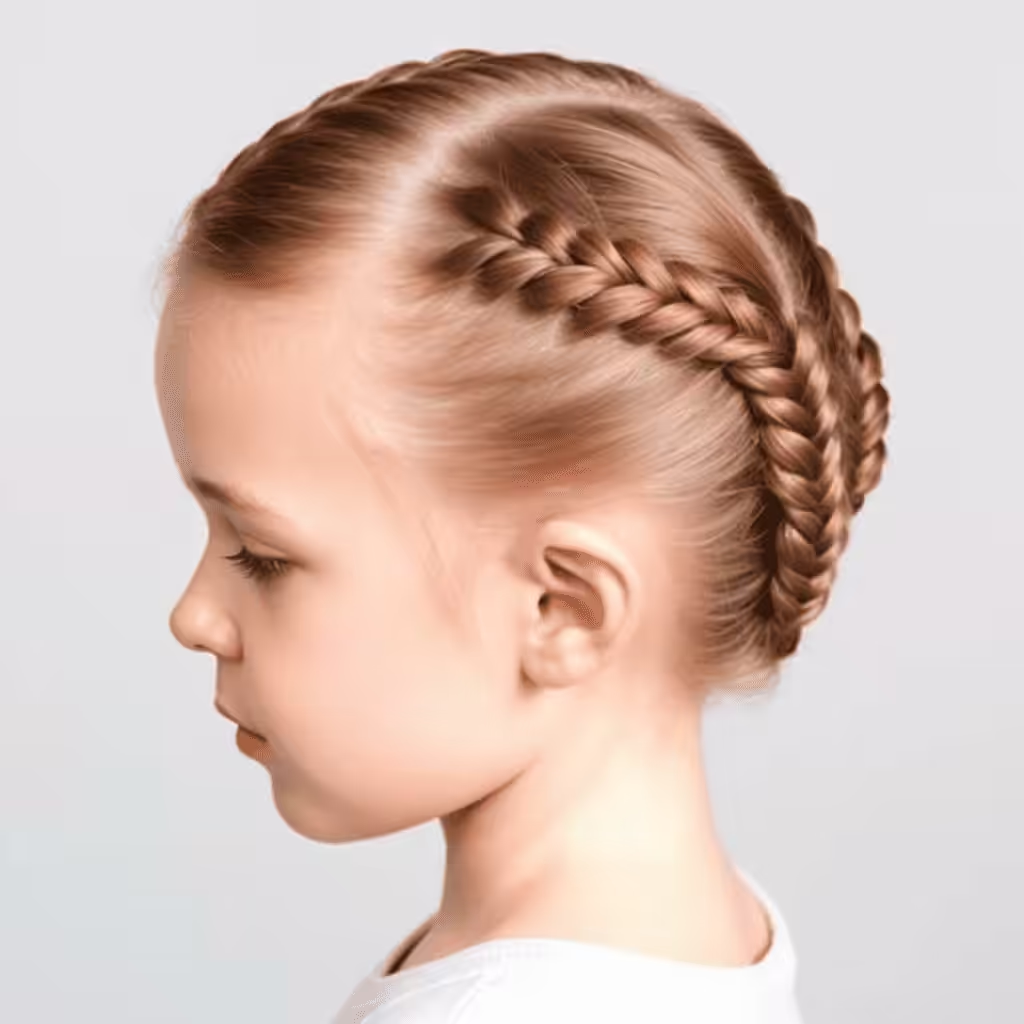
About this look — The Dutch-Style Pancake Braids sections the hair into plaits — the pattern depends on the braid style (three-strand, French, Dutch, cornrow).
- Best face shape
- Any — braids are a style choice, not a face-shape decision.
- What to tell your barber
- Book a braid specialist and specify the pattern (box, knotless, feed-in, or cornrow) and end method (sealed with hot water or hair-tucked).
- Maintenance
- 4–8 week install cycle; a satin bonnet or pillowcase overnight extends the life.
- Style at home
- Detangle wet hair with a wide-tooth comb.
- Section using a rat-tail comb, keeping the parts clean.
- Braid to the ends and secure.
Unique Braided Twin Tails
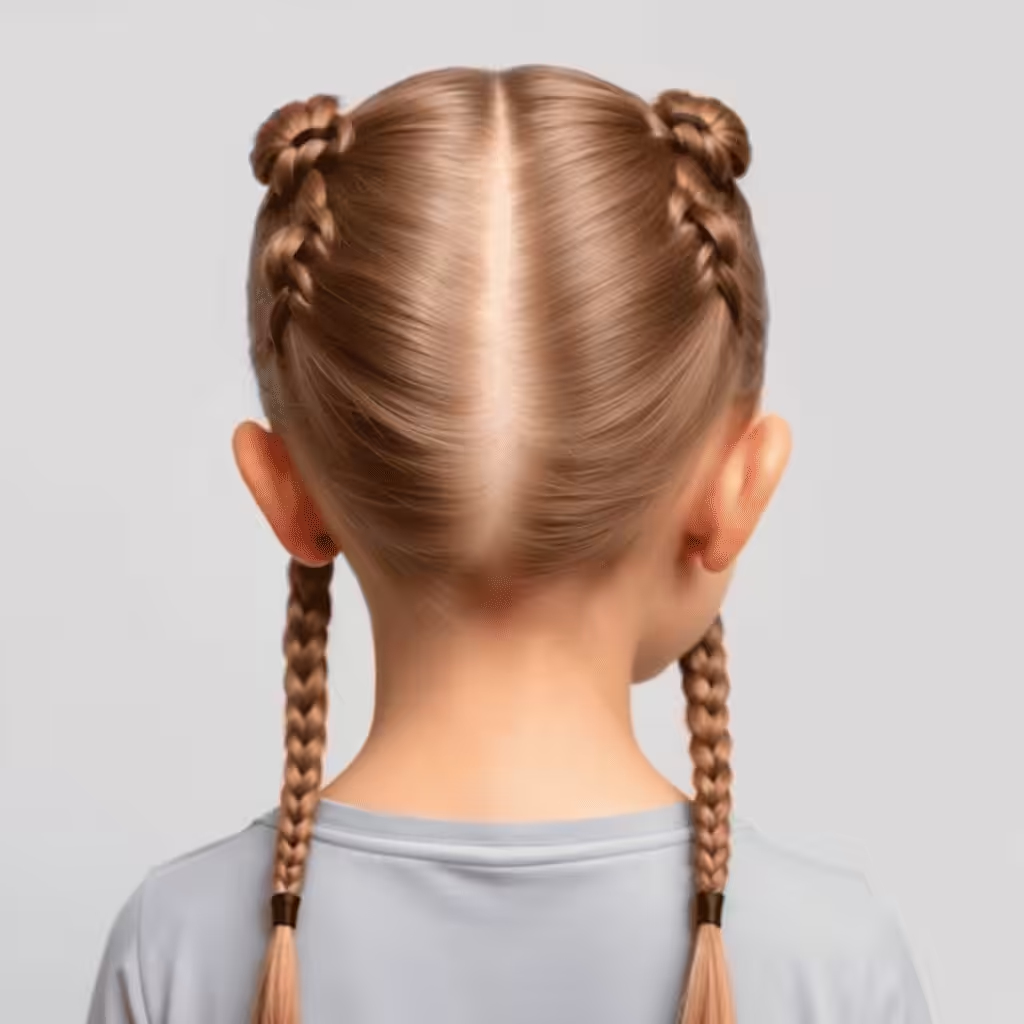
About this look — The Unique Braided Twin Tails plaits the hair according to the chosen pattern (three-strand, French, Dutch, cornrow) with consistent tension.
- Best face shape
- Any face; braids sit against the scalp regardless of shape.
- What to tell your barber
- For protective work, ask for the specific braid technique and how you want the ends finished — rubber-banded, sealed, or tucked.
- Maintenance
- Every 4–8 weeks between installs. Nightly satin scarf preserves the pattern.
- Style at home
- Detangle wet hair with a wide-tooth comb.
- Section using a rat-tail comb, keeping the parts clean.
- Braid to the ends and secure.
Tight Braids and Pigtails
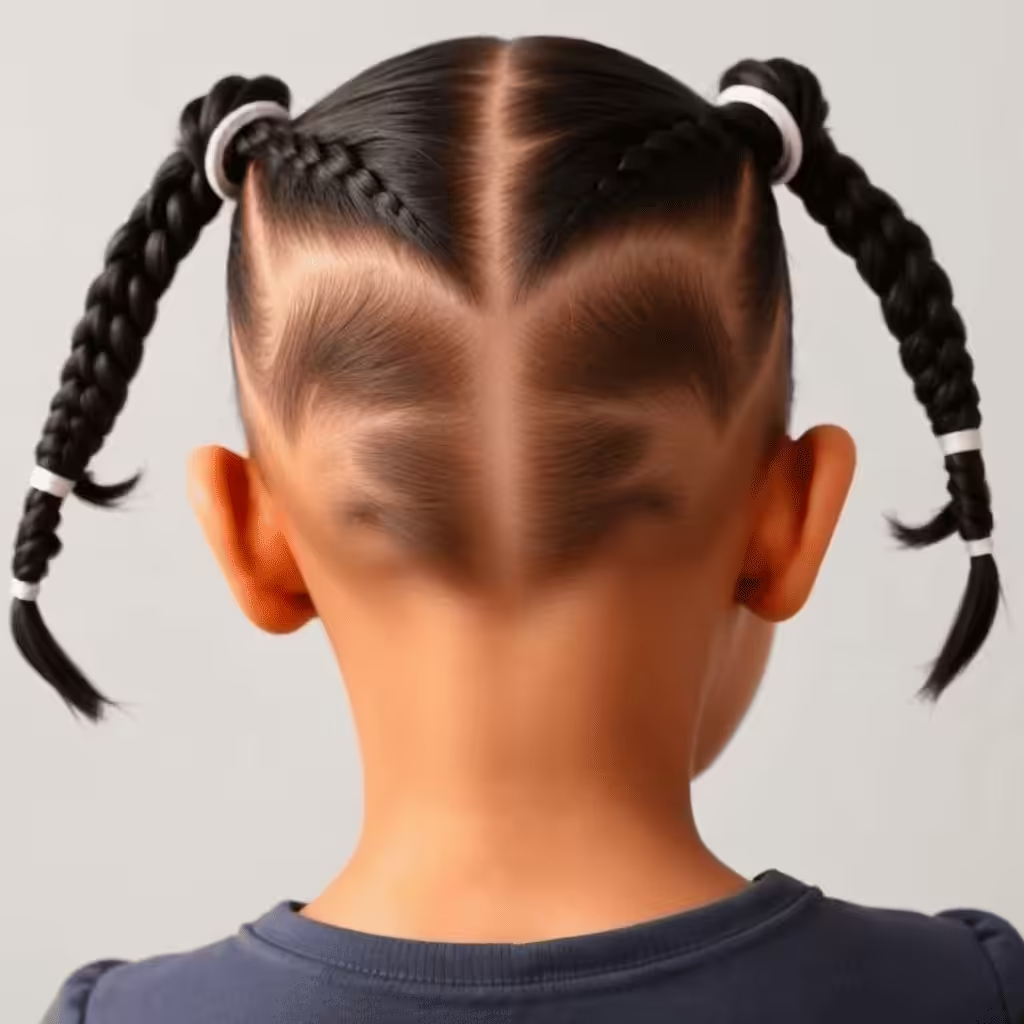
About this look — The Tight Braids and Pigtails divides the hair into rows or sections and interlaces them into the chosen braid pattern.
- Best face shape
- Any face; braids sit against the scalp regardless of shape.
- What to tell your barber
- For protective styles, book a braid specialist; ask for the specific pattern and end technique (rubber-band or tuck).
- Maintenance
- Every 4–8 weeks between installs. Nightly satin scarf preserves the pattern.
- Style at home
- Moisturize the scalp with a lightweight oil.
- Section carefully with a rat-tail comb.
- Braid with even tension and secure the ends.
French Braids with Long Waves
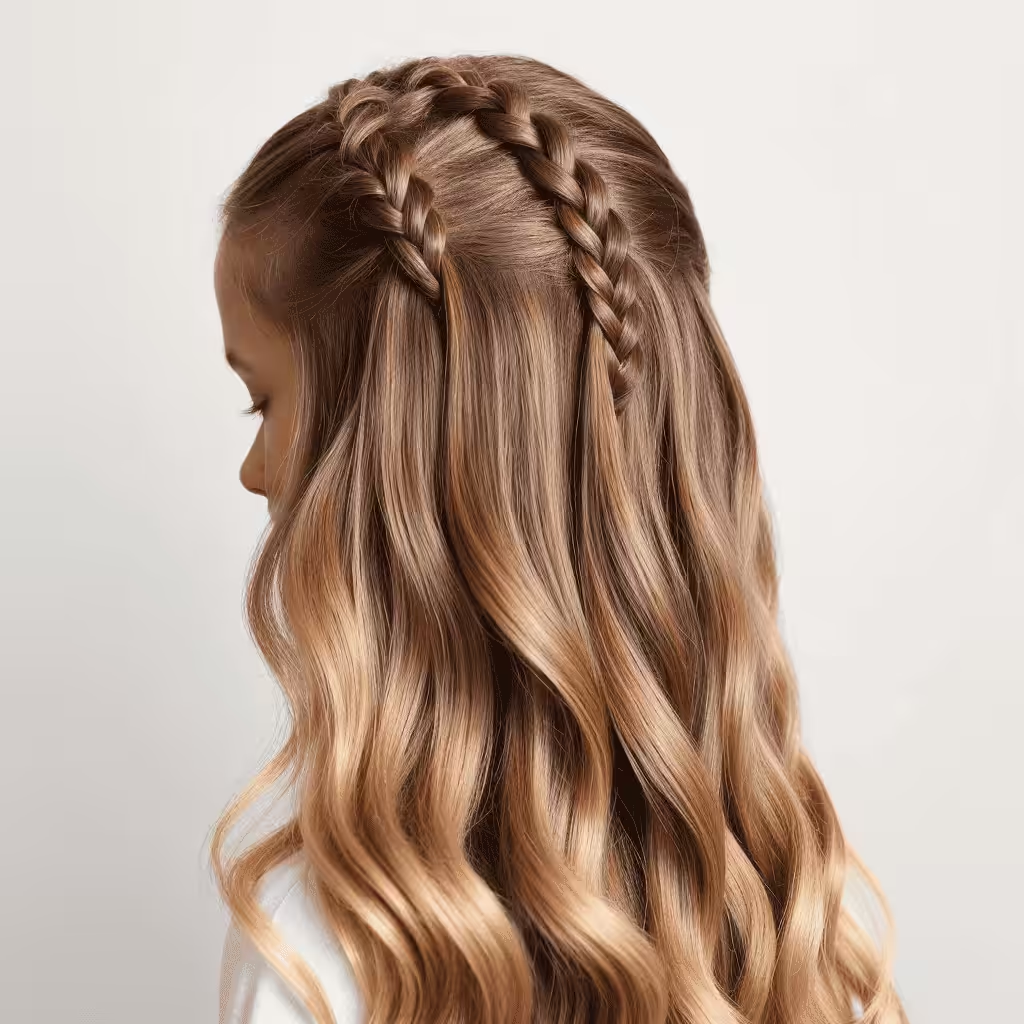
About this look — The French Braids with Long Waves sections the hair into plaits — the pattern depends on the braid style (three-strand, French, Dutch, cornrow).
- Best face shape
- Any — braids are a style choice, not a face-shape decision.
- What to tell your barber
- For protective work, ask for the specific braid technique and how you want the ends finished — rubber-banded, sealed, or tucked.
- Maintenance
- 4–8 week install cycle; a satin bonnet or pillowcase overnight extends the life.
- Style at home
- Apply a leave-in conditioner to damp hair.
- Section evenly and braid.
- Seal ends with a small hair tie or clip.
Buns with Inverted Braids</strong> <strong>Pigtail</strong> <strong>
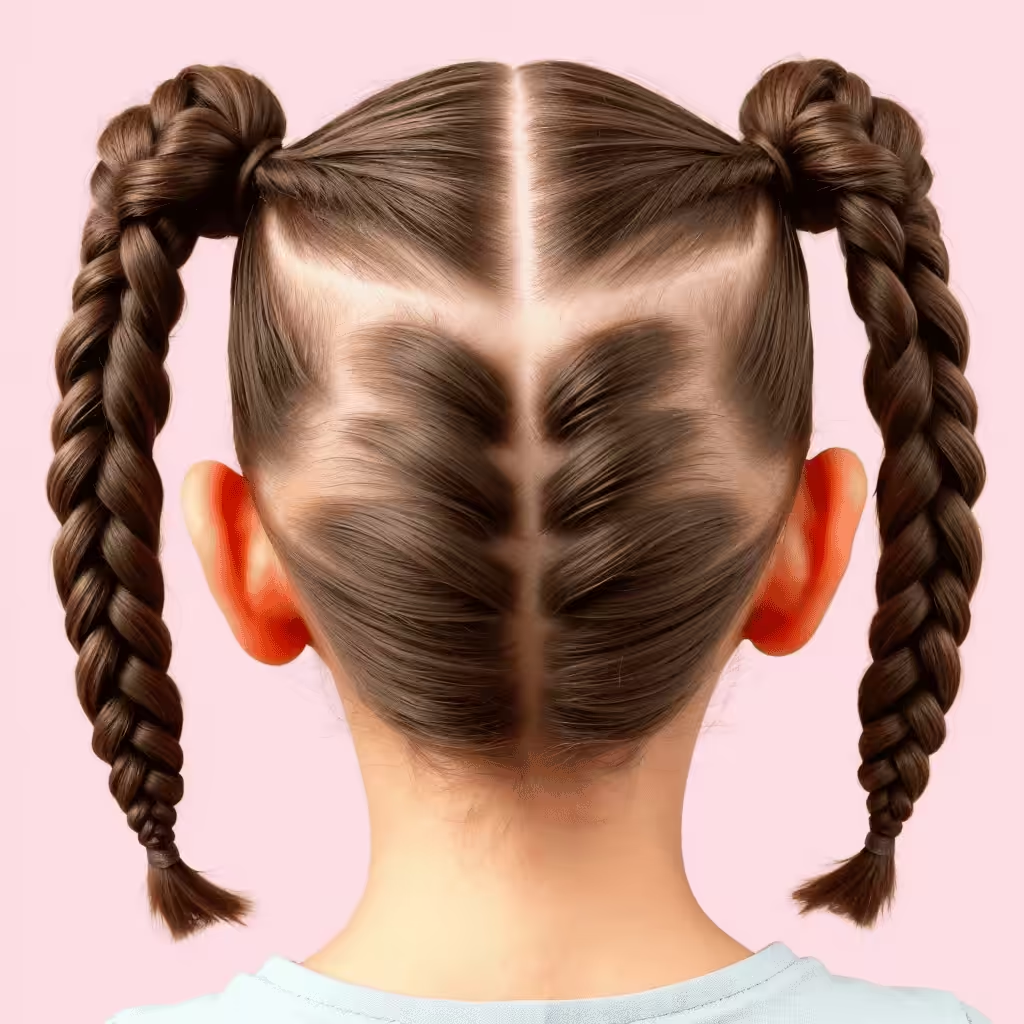
About this look — The Buns with Inverted Braids</strong> <strong>Pigtail</strong> <strong> twists and pins the hair away from the face — pin-count and placement drive the finish.
- Best face shape
- Any — updos frame the face rather than fight it.
- What to tell your barber
- Not a haircut — book a styling tutorial with your stylist so you learn where the pins go.
- Maintenance
- N/A. This is a style, not a cut — refresh cut every 8–10 weeks.
- Style at home
- Start on second-day hair for grip.
- Tie into a low pony or twist.
- Pin the ends into the shape you want with 3–4 bobby pins.
Loose Bubble Dutch Braids
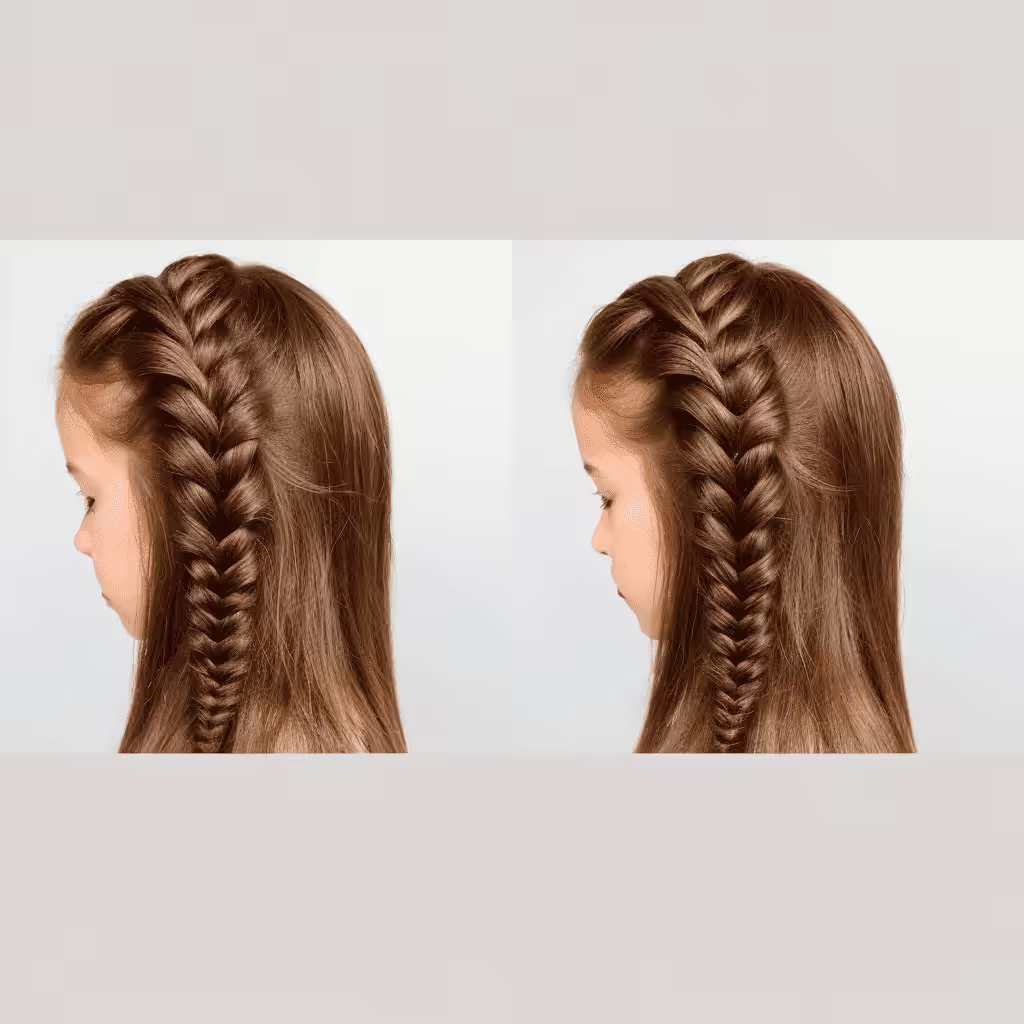
About this look — The Loose Bubble Dutch Braids weaves the length into plaits — the tension of each pass determines how long the braid holds.
- Best face shape
- Any — braids are a style choice, not a face-shape decision.
- What to tell your barber
- Braids are specialist work — ask for the pattern by name (box, knotless, feed-in) and the end finish (sealed or tucked).
- Maintenance
- Refresh every 4–8 weeks depending on braid type; nightly satin scarf.
- Style at home
- Detangle wet hair with a wide-tooth comb.
- Section using a rat-tail comb, keeping the parts clean.
- Braid to the ends and secure.
Middle-Parted Double Braids
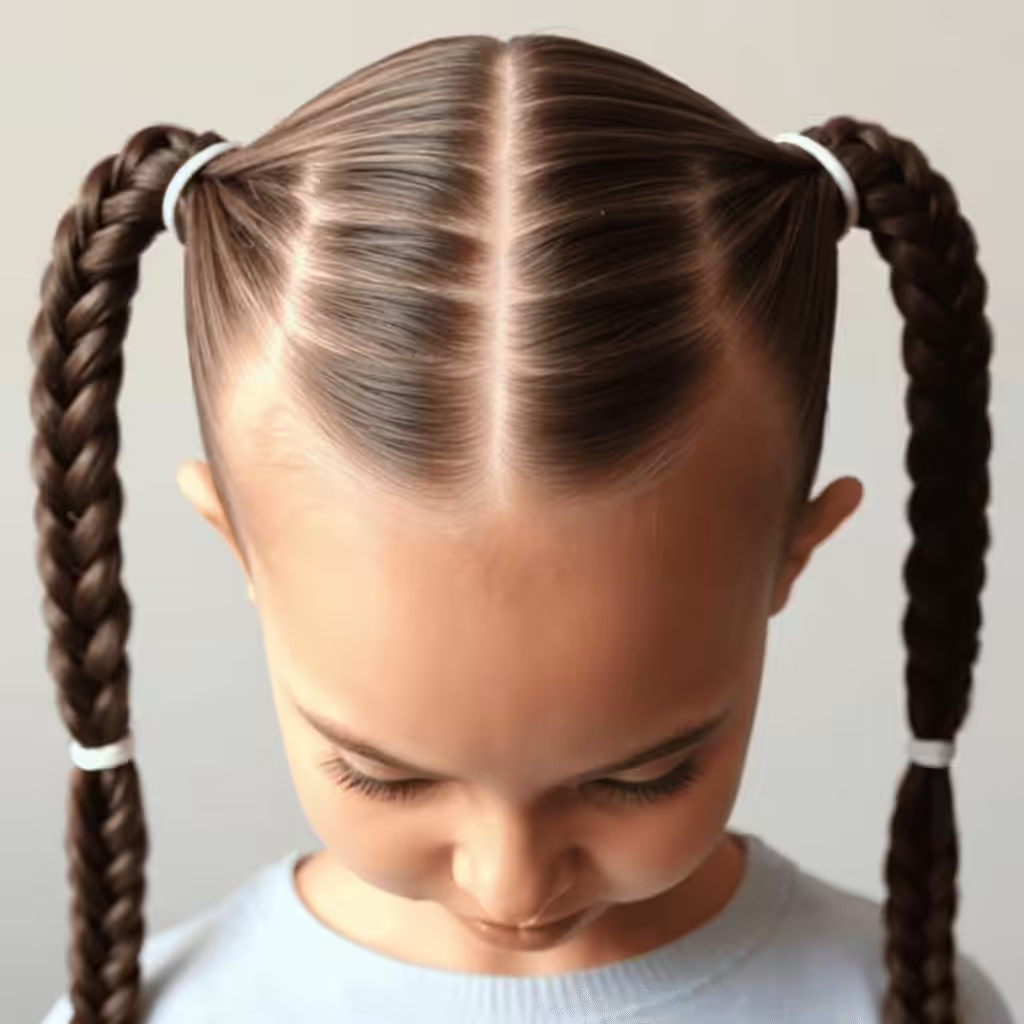
About this look — The Middle-Parted Double Braids plaits the hair according to the chosen pattern (three-strand, French, Dutch, cornrow) with consistent tension.
- Best face shape
- Any — braids are a style choice, not a face-shape decision.
- What to tell your barber
- Book a braid specialist and specify the pattern (box, knotless, feed-in, or cornrow) and end method (sealed with hot water or hair-tucked).
- Maintenance
- Every 4–8 weeks between installs. Nightly satin scarf preserves the pattern.
- Style at home
- Moisturize the scalp with a lightweight oil.
- Section carefully with a rat-tail comb.
- Braid with even tension and secure the ends.
Fishtail Pigtails
To create a distinctive hairstyle, try trendy fishtail pigtails. Both long and short hair look good in this style. A deep side part gives this adorable country hair a softer look. A lovely, disheveled hairdo can be achieved by creating and maintaining sloppy fishtail pigtail braids. It keeps the portions of braiding tidy.
How to style it
- Towel-dry to damp, then apply styling cream through the mid-lengths.
- Blow-dry with a vent brush in the direction the top is meant to sit.
- Finish with a light mist of flexible-hold spray.
Twisted Braid Masterpiece
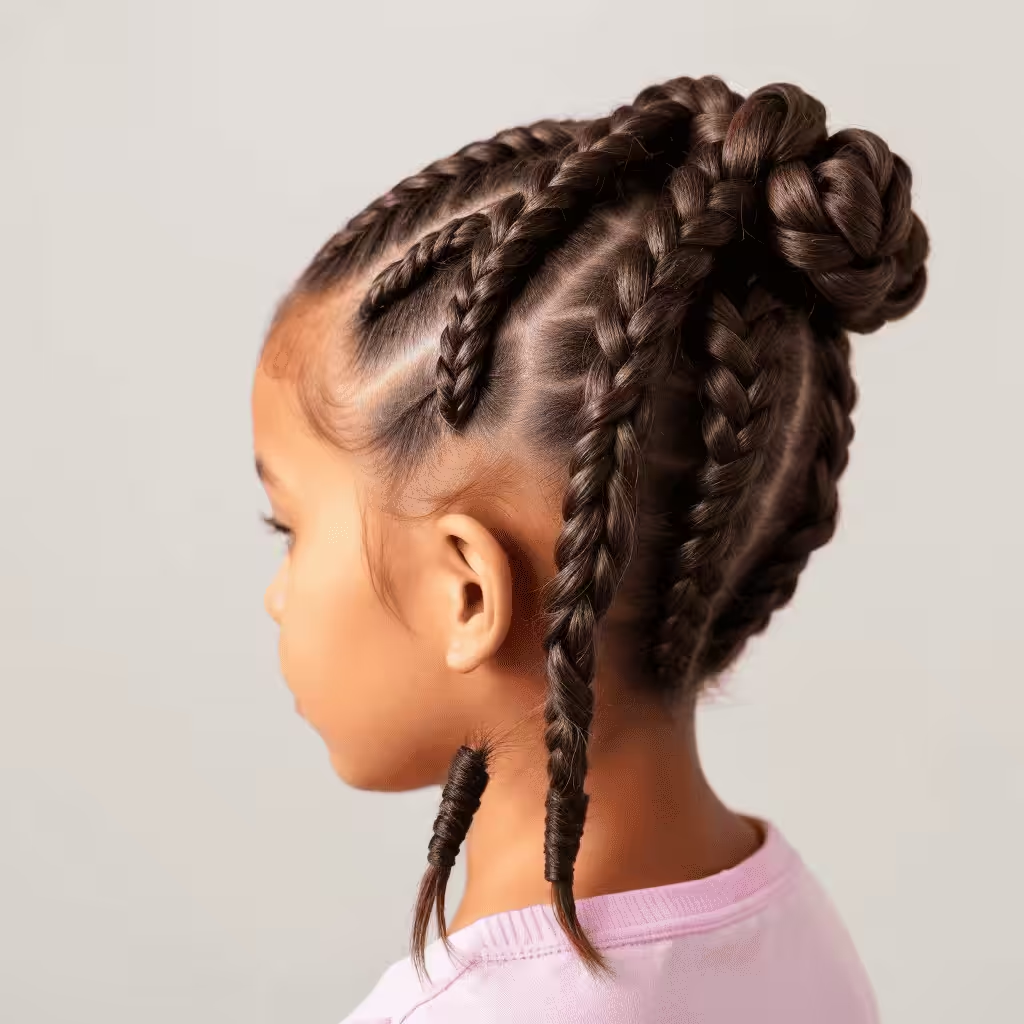
About this look — The Twisted Braid Masterpiece sections the hair into plaits — the pattern depends on the braid style (three-strand, French, Dutch, cornrow).
- Best face shape
- Universally flattering — braids follow the head, not the face.
- What to tell your barber
- For protective styles, book a braid specialist; ask for the specific pattern and end technique (rubber-band or tuck).
- Maintenance
- 4–8 week install cycle; a satin bonnet or pillowcase overnight extends the life.
- Style at home
- Moisturize the scalp with a lightweight oil.
- Section carefully with a rat-tail comb.
- Braid with even tension and secure the ends.
Feed-In Braids with Curly Pieces
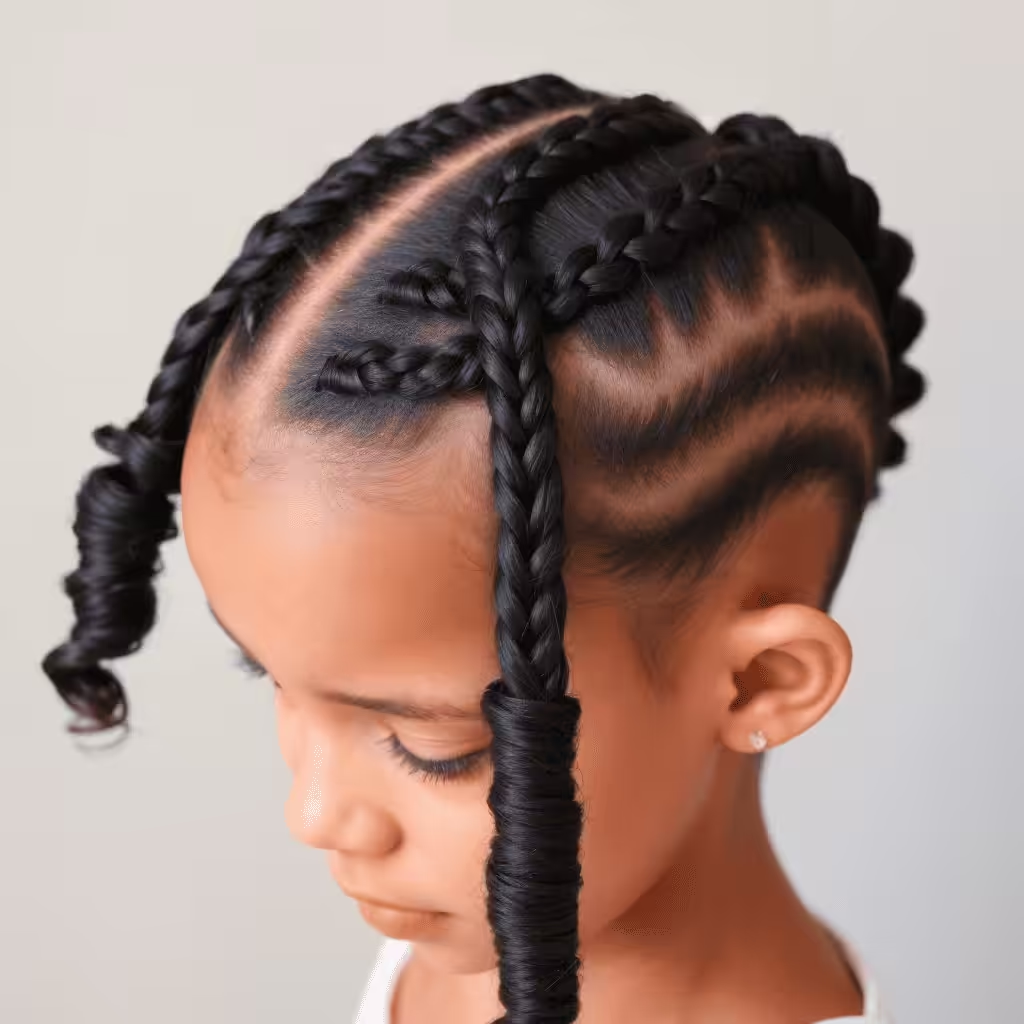
About this look — The Feed-In Braids with Curly Pieces plaits the hair according to the chosen pattern (three-strand, French, Dutch, cornrow) with consistent tension.
- Best face shape
- Any — braids are a style choice, not a face-shape decision.
- What to tell your barber
- Book a braid specialist and specify the pattern (box, knotless, feed-in, or cornrow) and end method (sealed with hot water or hair-tucked).
- Maintenance
- 4–8 week install cycle; a satin bonnet or pillowcase overnight extends the life.
- Style at home
- Apply a leave-in conditioner to damp hair.
- Section evenly and braid.
- Seal ends with a small hair tie or clip.
Double Jumbo Braids
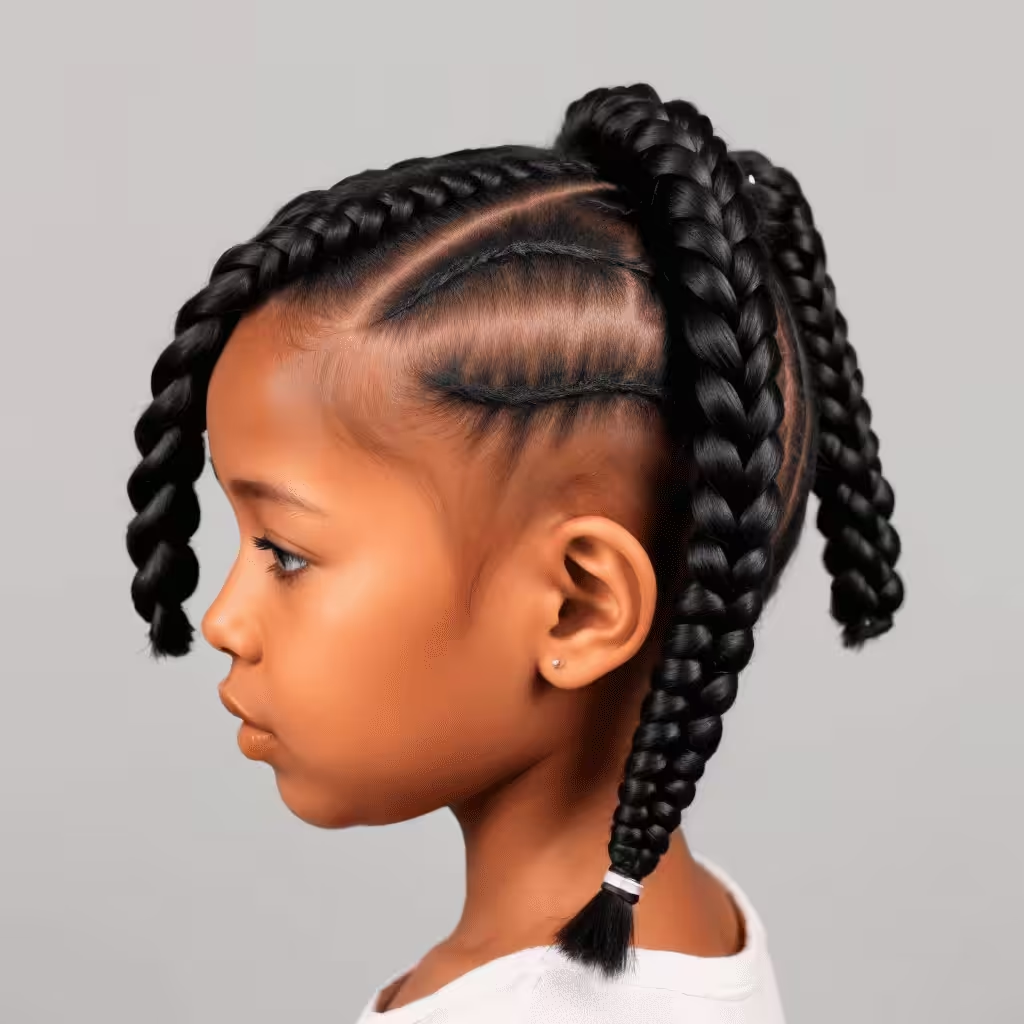
About this look — The Double Jumbo Braids divides the hair into rows or sections and interlaces them into the chosen braid pattern.
- Best face shape
- Any — braids are a style choice, not a face-shape decision.
- What to tell your barber
- Book a braid specialist and specify the pattern (box, knotless, feed-in, or cornrow) and end method (sealed with hot water or hair-tucked).
- Maintenance
- 4–8 week install cycle; a satin bonnet or pillowcase overnight extends the life.
- Style at home
- Apply a leave-in conditioner to damp hair.
- Section evenly and braid.
- Seal ends with a small hair tie or clip.
Pigtail Braids with Bangs

About this look — The Pigtail Braids with Bangs adds a fringe across the forehead — blunt, wispy, curtained, or micro depending on the shape.
- Best face shape
- Flatters oval, long, and heart shapes by breaking the vertical line of the face.
- What to tell your barber
- Specify the fringe shape by name (blunt, wispy, curtain, micro) and the exact height on your brow — bring a photo.
- Maintenance
- Fringe needs a 3–4 week trim; ask your stylist for a free fringe-only touch-up between full cuts.
- Style at home
- Wet the fringe with a spray bottle if it's second-day.
- Blow-dry side to side, then finish straight.
- Set with a light-hold spray if humid.
Double Heart Braid
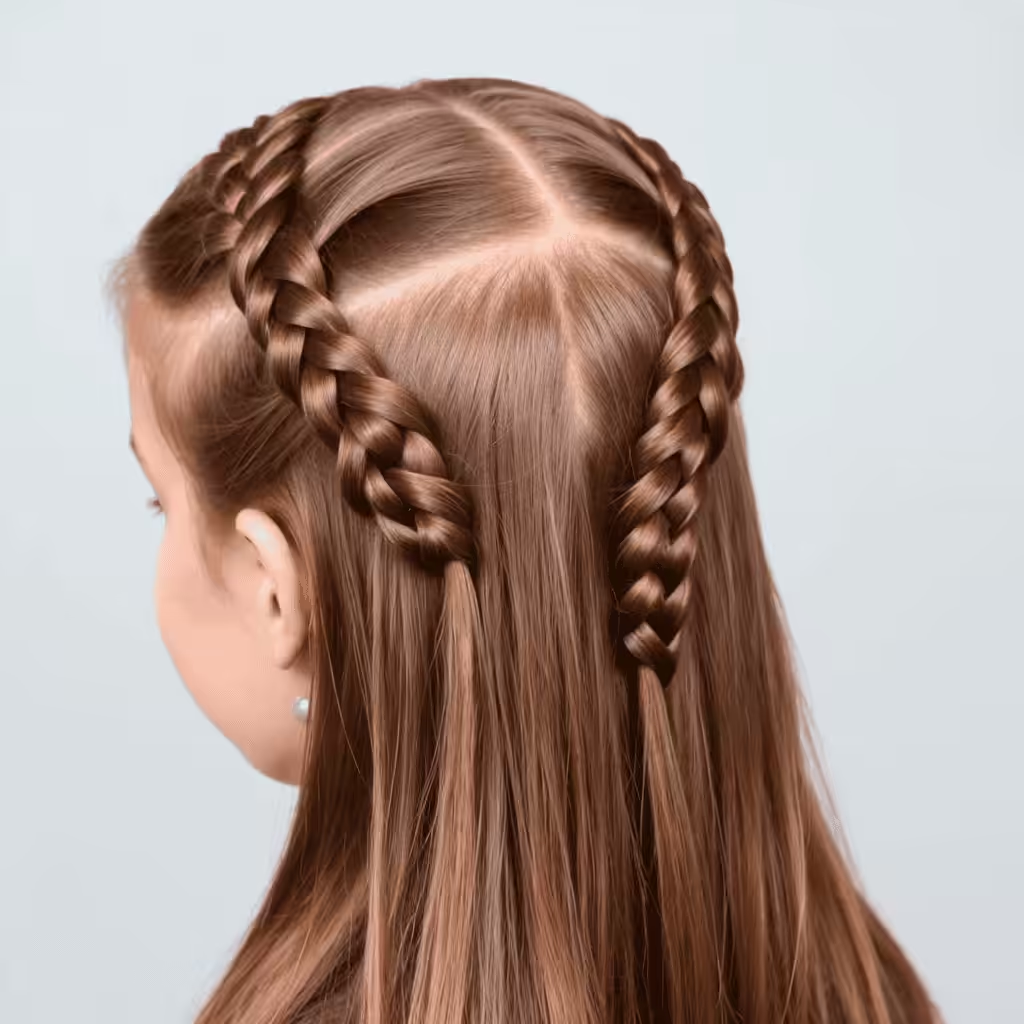
About this look — The Double Heart Braid plaits the hair according to the chosen pattern (three-strand, French, Dutch, cornrow) with consistent tension.
- Best face shape
- Any — braids are a style choice, not a face-shape decision.
- What to tell your barber
- For protective work, ask for the specific braid technique and how you want the ends finished — rubber-banded, sealed, or tucked.
- Maintenance
- Refresh every 4–8 weeks depending on braid type; nightly satin scarf.
- Style at home
- Apply a leave-in conditioner to damp hair.
- Section evenly and braid.
- Seal ends with a small hair tie or clip.
Double Pull-Through Braids on Medium-Length Hair
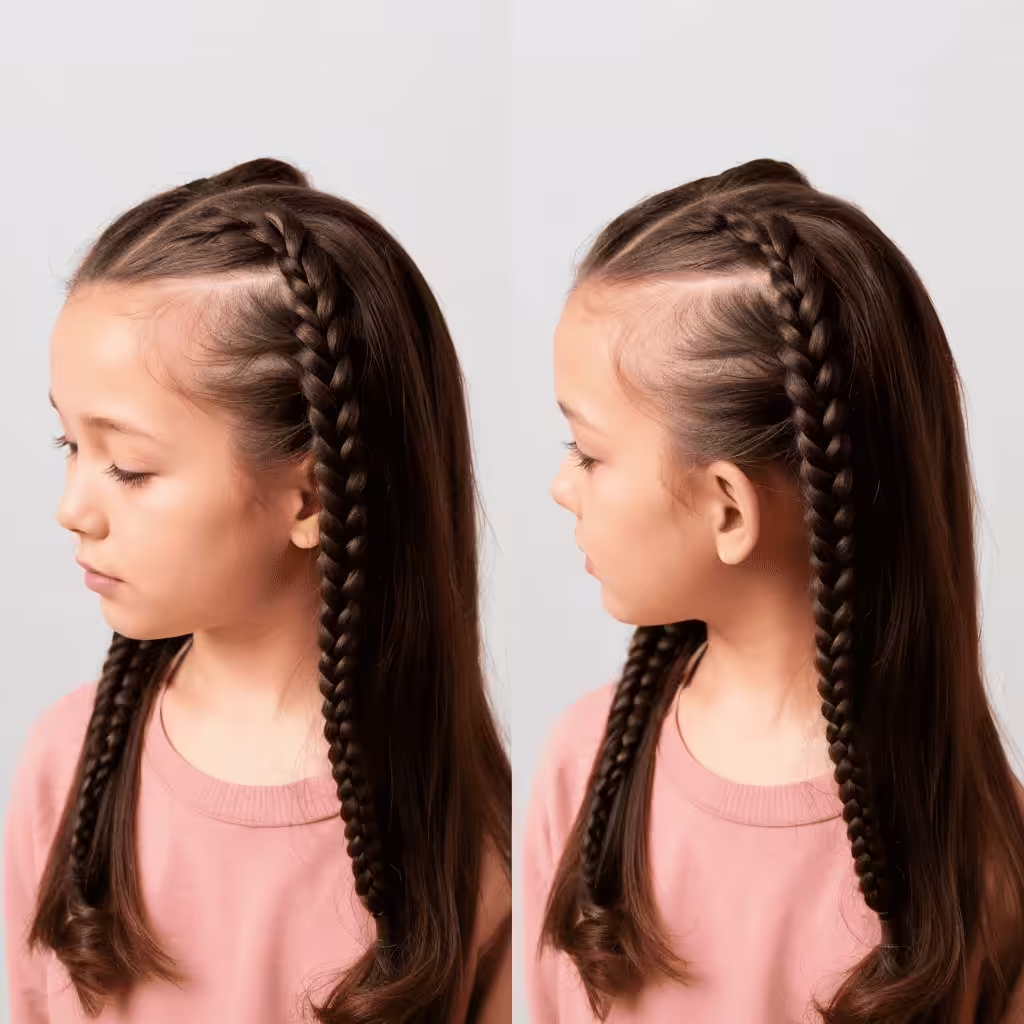
About this look — The Double Pull-Through Braids on Medium-Length Hair divides the hair into rows or sections and interlaces them into the chosen braid pattern.
- Best face shape
- Any — braids are a style choice, not a face-shape decision.
- What to tell your barber
- Book a braid specialist and specify the pattern (box, knotless, feed-in, or cornrow) and end method (sealed with hot water or hair-tucked).
- Maintenance
- Every 4–8 weeks between installs. Nightly satin scarf preserves the pattern.
- Style at home
- Detangle wet hair with a wide-tooth comb.
- Section using a rat-tail comb, keeping the parts clean.
- Braid to the ends and secure.
Classic Double Plaited Pigtails

About this look — The Classic Double Plaited Pigtails weaves the length into plaits — the tension of each pass determines how long the braid holds.
- Best face shape
- Any face; braids sit against the scalp regardless of shape.
- What to tell your barber
- Braids are specialist work — ask for the pattern by name (box, knotless, feed-in) and the end finish (sealed or tucked).
- Maintenance
- 4–8 week install cycle; a satin bonnet or pillowcase overnight extends the life.
- Style at home
- Detangle wet hair with a wide-tooth comb.
- Section using a rat-tail comb, keeping the parts clean.
- Braid to the ends and secure.
Swept Back Double Braids
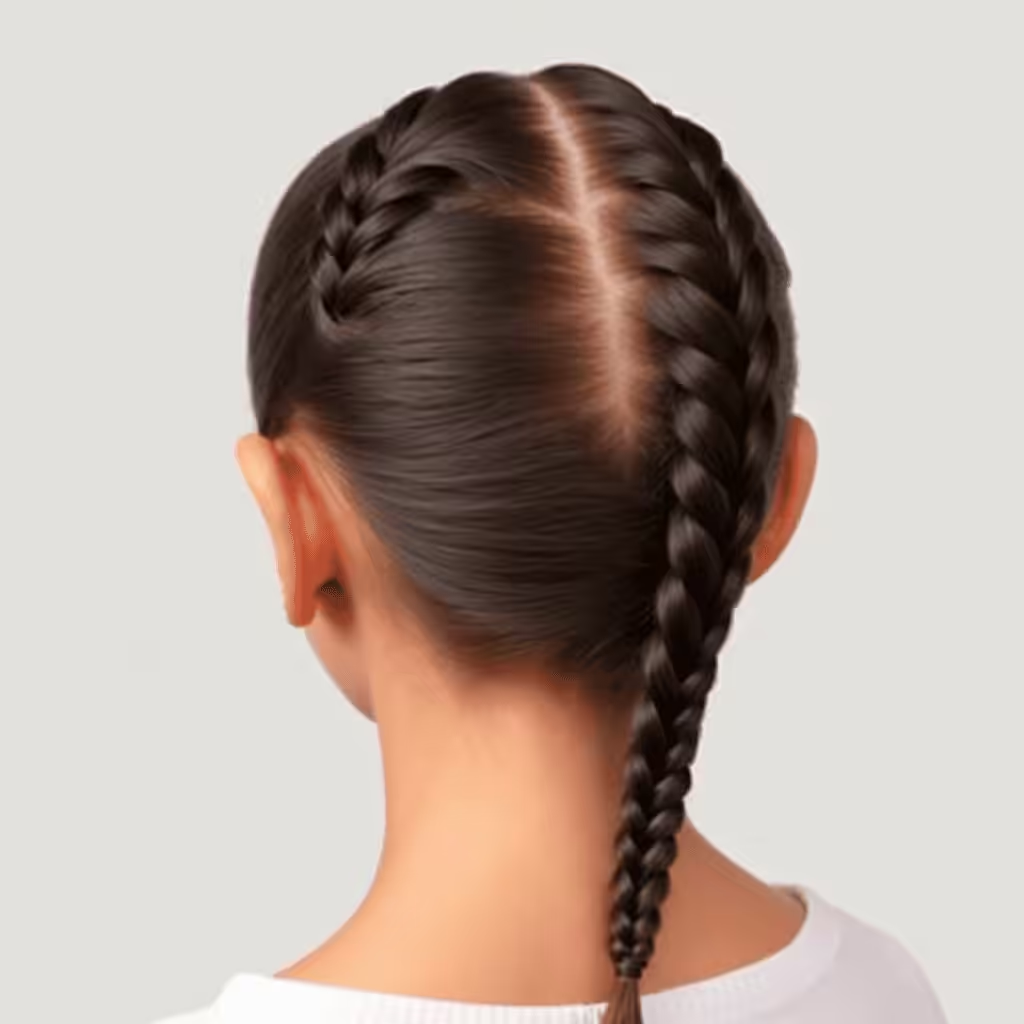
About this look — The Swept Back Double Braids divides the hair into rows or sections and interlaces them into the chosen braid pattern.
- Best face shape
- Any face; braids sit against the scalp regardless of shape.
- What to tell your barber
- Braids are specialist work — ask for the pattern by name (box, knotless, feed-in) and the end finish (sealed or tucked).
- Maintenance
- 4–8 week install cycle; a satin bonnet or pillowcase overnight extends the life.
- Style at home
- Moisturize the scalp with a lightweight oil.
- Section carefully with a rat-tail comb.
- Braid with even tension and secure the ends.
Braided Crown</strong> <strong>Pigtail</strong> <strong>
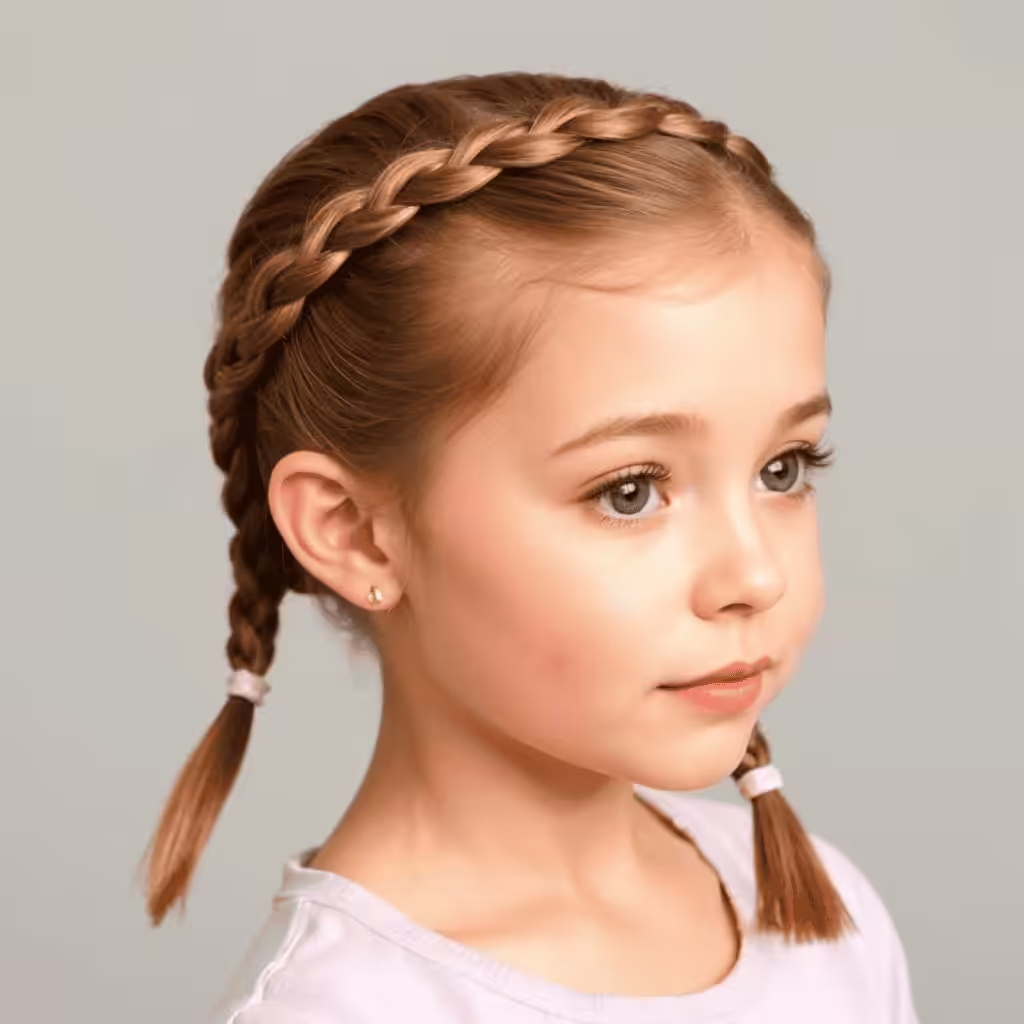
About this look — The Braided Crown</strong> <strong>Pigtail</strong> <strong> sections the hair into plaits — the pattern depends on the braid style (three-strand, French, Dutch, cornrow).
- Best face shape
- Any face; braids sit against the scalp regardless of shape.
- What to tell your barber
- Book a braid specialist and specify the pattern (box, knotless, feed-in, or cornrow) and end method (sealed with hot water or hair-tucked).
- Maintenance
- 4–8 week install cycle; a satin bonnet or pillowcase overnight extends the life.
- Style at home
- Apply a leave-in conditioner to damp hair.
- Section evenly and braid.
- Seal ends with a small hair tie or clip.