
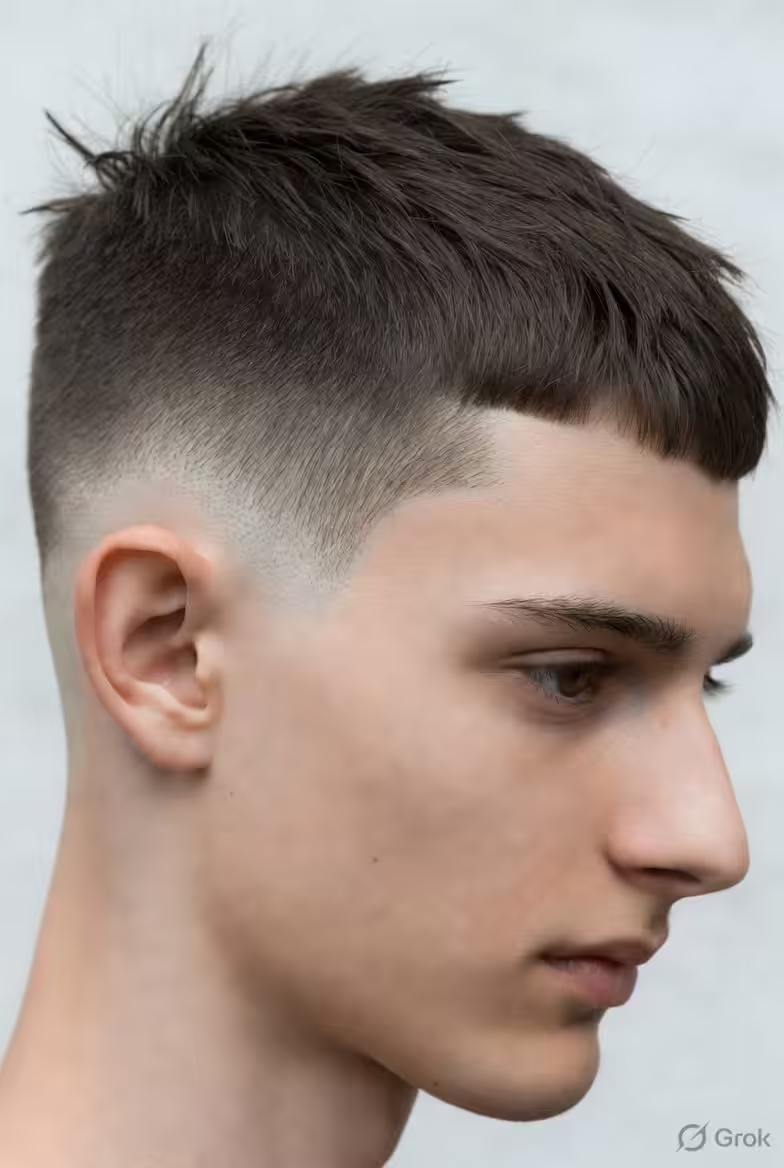
The temple fade is the subtle but powerful detail that’s quietly dominating barbershops in 2026.
Unlike a full burst or drop fade that runs down the entire side, the temple fade focuses the shortest part of the fade right at the temples and gradually blends outward. This creates a clean, lifted frame around the eyes and forehead while keeping more length and softness on the sides and back.
It’s exploding in popularity this year because it’s incredibly versatile — it works with modern mullets, textured crops, curly volume, and beard connections without looking overly aggressive. Athletes, office professionals, and style-conscious guys all love how it sharpens the face while staying low-maintenance and natural-looking.
In this ultimate 2026 guide, you’ll discover 30 of the best temple fade variations, learn exactly how it differs from burst, drop, and taper fades, get pro barber scripts and styling tips, and find out which face shapes and hair types it suits best. Plus, we’ve included current celebrity inspiration and a full maintenance routine so you can wear the look with confidence.
What Is a Temple Fade Haircut? (Temple Fade Haircuts for Men)
A temple fade is a modern, precision-focused haircut where the fade is concentrated and shortest at the temples (the area above the ears near the hairline) before gradually blending outward into longer hair on the sides and back. This creates a clean, lifted frame around the eyes and forehead while keeping the rest of the sides softer.
It’s less aggressive than a full burst or drop fade, making it one of the most versatile and face-flattering fades in 2026.
Temple Fade vs Burst Fade vs Drop Fade vs Taper Fade (Comparison Table)
| Feature | Temple Fade | Burst Fade | Drop Fade | Taper Fade |
|---|---|---|---|---|
| Fade Location | Concentrated at temples | Rounded arc around the ear | Drops low behind the ear | Gradual blend along entire side |
| Look | Clean frame around eyes/forehead | Bold, dramatic curve | Smooth, natural drop | Soft, conservative |
| Contrast | Medium to high at temples | High | Medium-high | Low to medium |
| Best For | Face-framing, modern looks | Eye-catching styles | Professional & clean | Everyday conservative |
| 2026 Popularity | Very high (versatile) | High (trending) | High | Medium |
Technical Breakdown
The barber starts the shortest part of the fade directly at the temple area, then blends it outward and downward. This technique highlights the eyes and gives a subtle “lifted” effect while leaving more length and softness on the lower sides and back.
Low, Mid & High Temple Fade Options
- Low Temple Fade — Subtle fade that starts lower; great for first-timers and professional settings.
- Mid Temple Fade — The most popular version in 2026 — balanced and versatile.
- High Temple Fade — Starts higher on the temples for a bolder, more dramatic frame.
Why Temple Fade Is Trending in 2026
The temple fade is having its moment in 2026 because it delivers maximum impact with minimum aggression.
By concentrating the shortest part of the fade at the temples, it creates a clean, lifted frame around the eyes and forehead — instantly making the face look sharper and more defined without the heavy contrast of a full burst or drop fade. It’s the perfect “Goldilocks” fade: noticeable enough to look intentional, but subtle enough to work in any setting.
This year it pairs beautifully with the biggest trends — modern mullets, textured crops, curly volume, and beard connections — while staying low-maintenance. It works on straight, wavy, curly, and coily hair, flatters oval, square, diamond, and heart-shaped faces, and suits men from their early 20s all the way into their 40s.
Whether you want something professional for the office or fresh for the weekend, the temple fade gives you that polished, modern edge without needing a weekly trim.
34 Best Temple Fade Variations for Men in 2026
The temple fade’s biggest strength is its ability to frame the face beautifully while staying versatile. Below are 30 trending temple fade styles for 2026, neatly categorized with clear descriptions, who they suit best, and practical styling tips.
Category 1: The Foundations (Length Variations)
These are the standard “building blocks” of the temple fade.
1. Low Temple Fade
Subtle fade focused strictly at the temples for a clean, professional frame with minimal contrast.
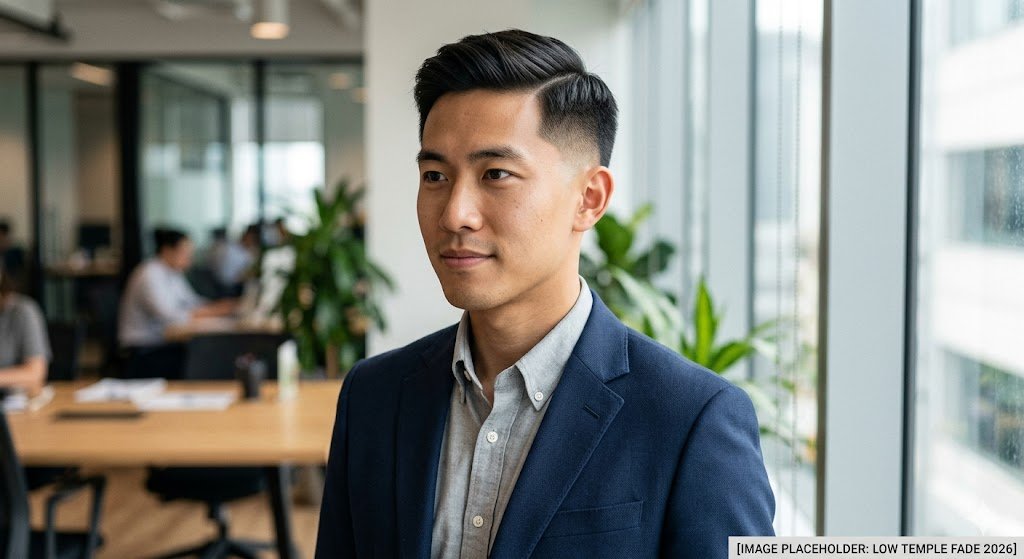
- Best for: Oval or round faces, office settings.
- Styling tip: Light matte paste for natural texture.
2. Mid Temple Fade
Balanced temple fade that starts at the temples and blends softly. This is the #1 requested variant in 2026.
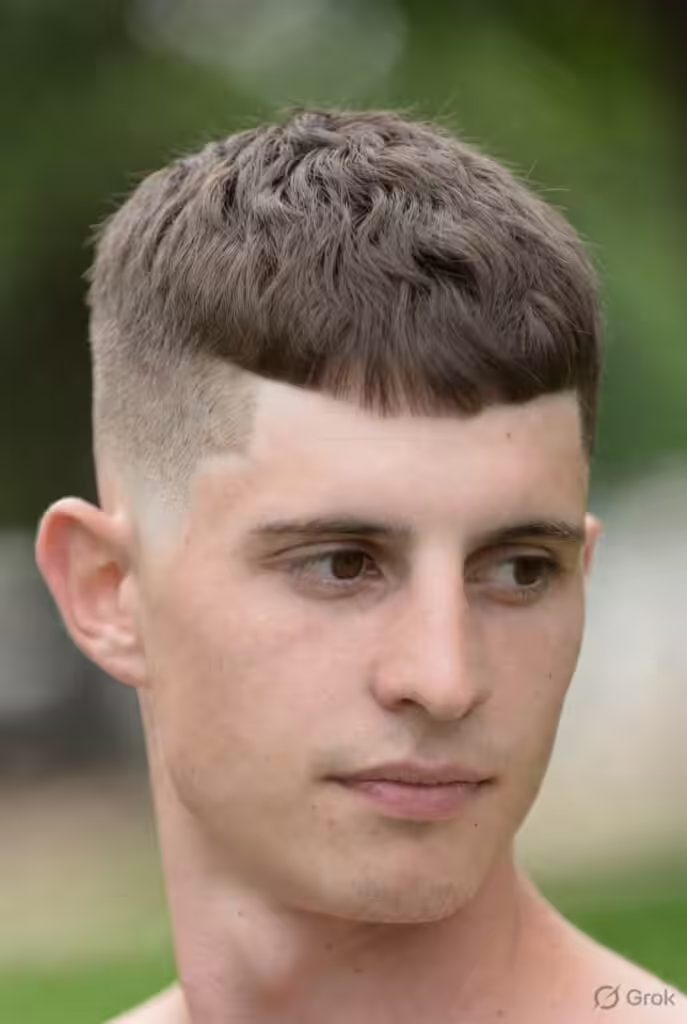
- Best for: All hair types and face shapes.
- Styling tip: Sea salt spray for effortless movement.
3. High Temple Fade
Dramatic fade that begins higher at the temples for strong face-framing and maximum impact.
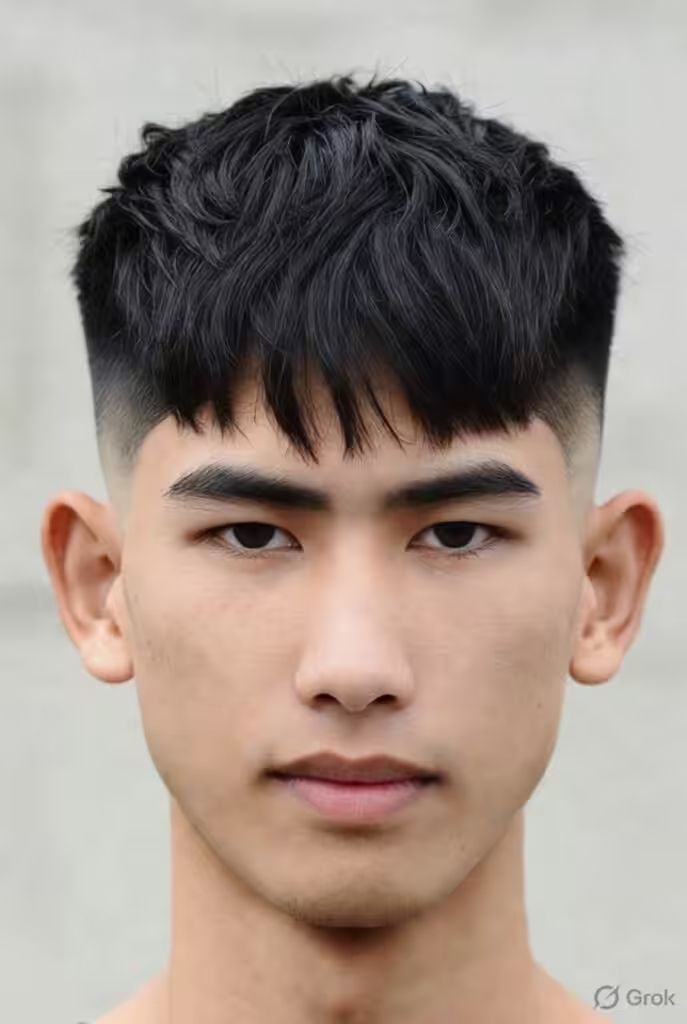
- Best for: Square or diamond faces, thick hair.
- Styling tip: Strong-hold pomade to lift the top.
4. Skin Temple Fade
Temple fade taken down to skin level for surgical sharpness right next to the eyes.
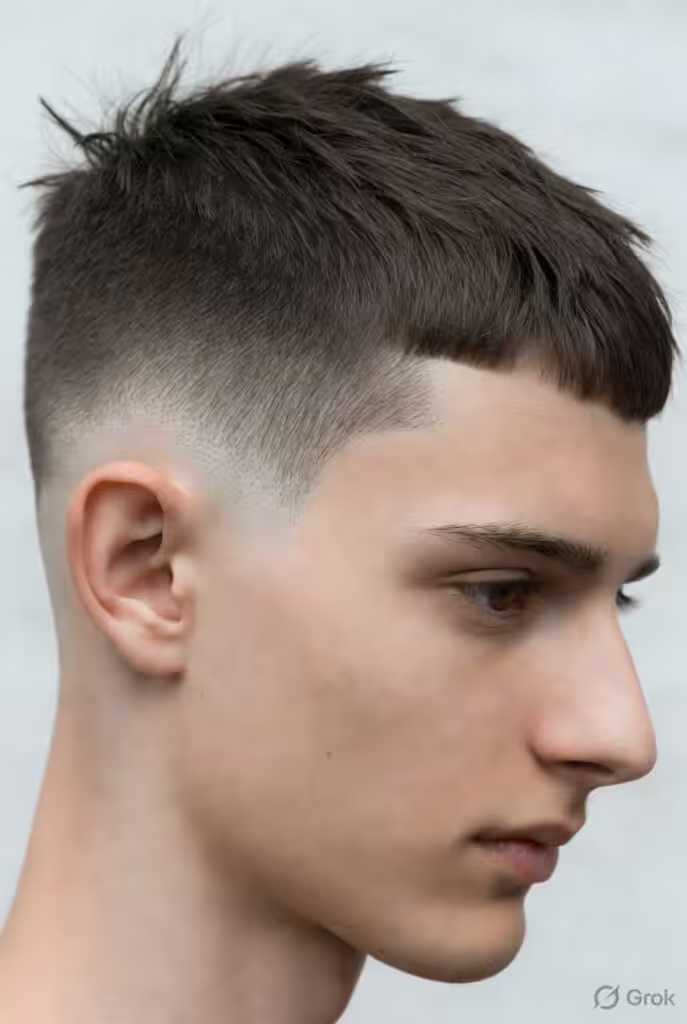
- Best for: Straight hair, athletic builds.
- Styling tip: Keep top short and textured.
5. Tapered Temple Fade
Softer, conservative temple fade with gradual blending instead of hard lines.
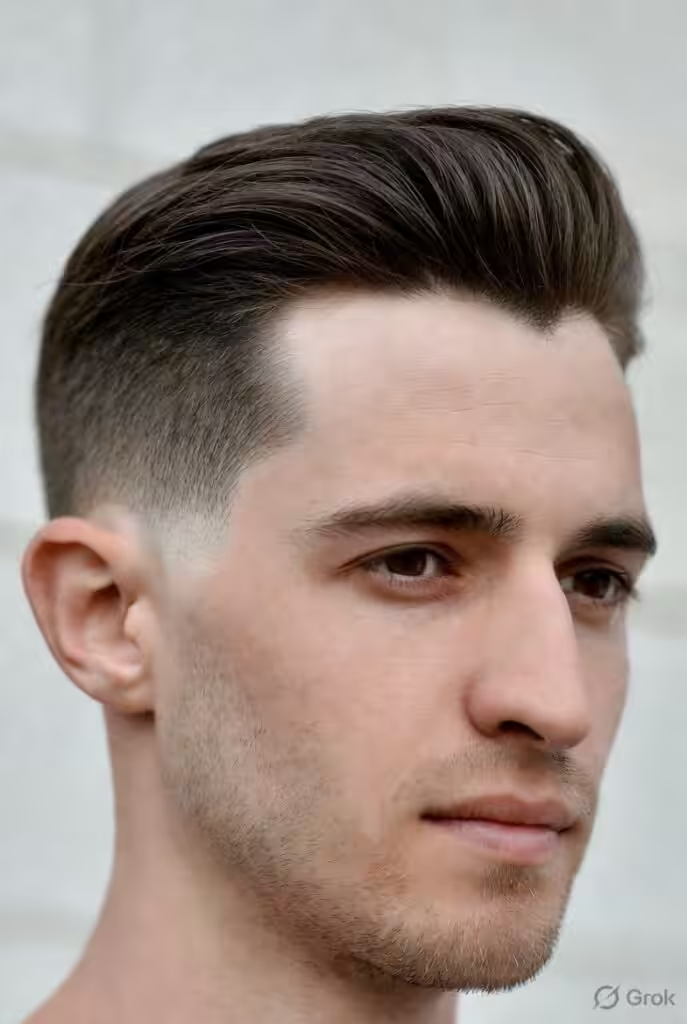
- Best for: Professional environments, fine hair.
- Styling tip: Side part or comb-over.
Category 2: The 2026 Trend-Setters (Hybrids)
The most requested “fusion” styles dominating barbershops this year.
6. Temple Fade Modern Mullet
The #1 hybrid of 2026; short temple sides with a long, textured, and voluminous back.
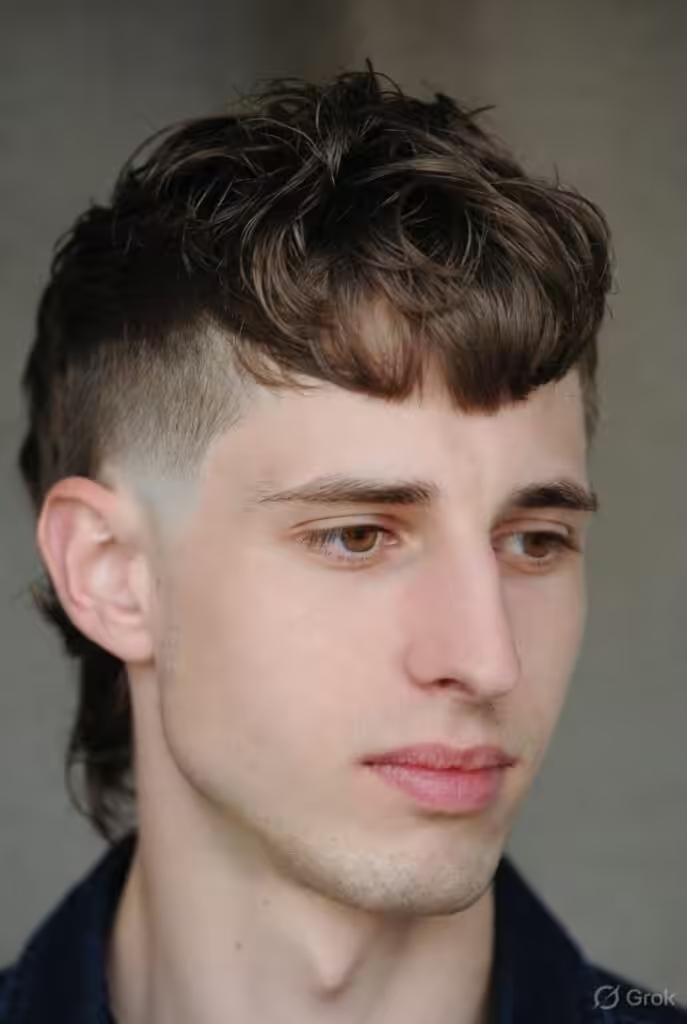
- Best for: Wavy or curly hair.
- Styling tip: Curl cream + light-hold spray.
7. Textured Crop Temple Fade
A choppy forward-fringe crop paired with a clean temple frame.
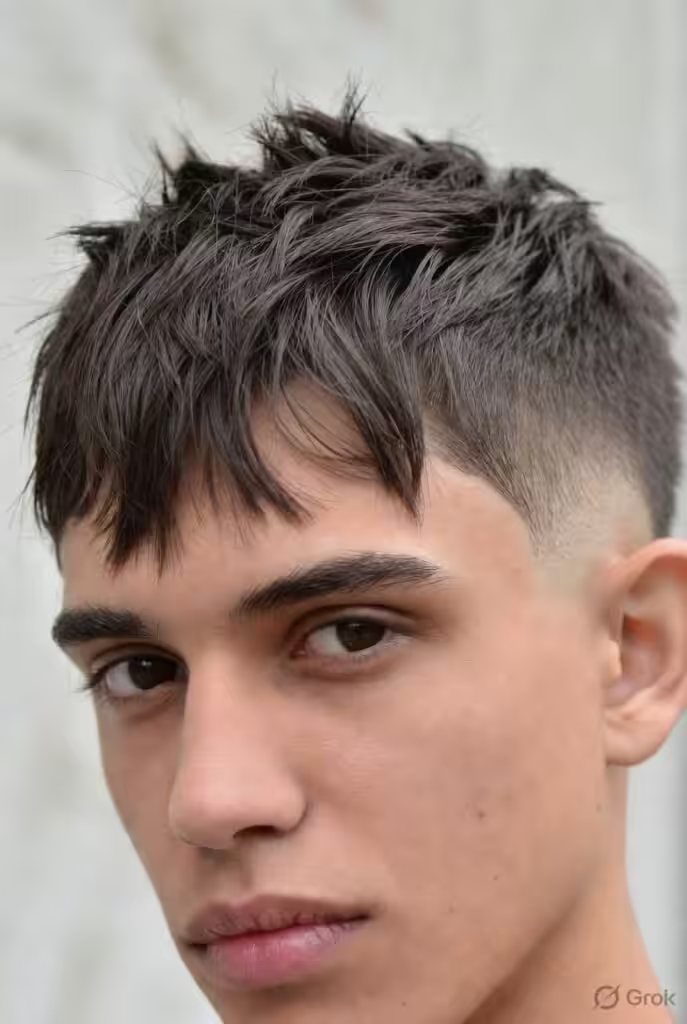
- Best for: Fine to medium hair, oval faces.
- Styling tip: Matte clay for messy texture.
8. Temple Fade V-Cut
Temple fade that finishes in a sharp V-shape at the nape of the neck.
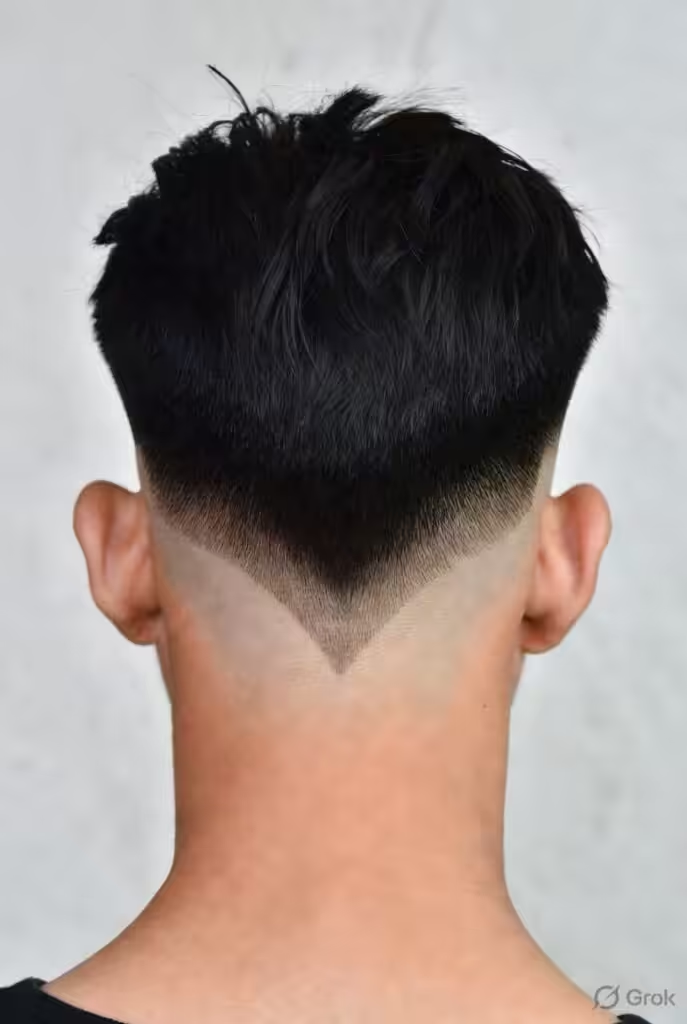
- Best for: Straight hair, longer necks.
- Styling tip: Vent brush for volume.
9. Temple Fade Edgar
The viral Edgar cut upgraded with a precise temple fade.
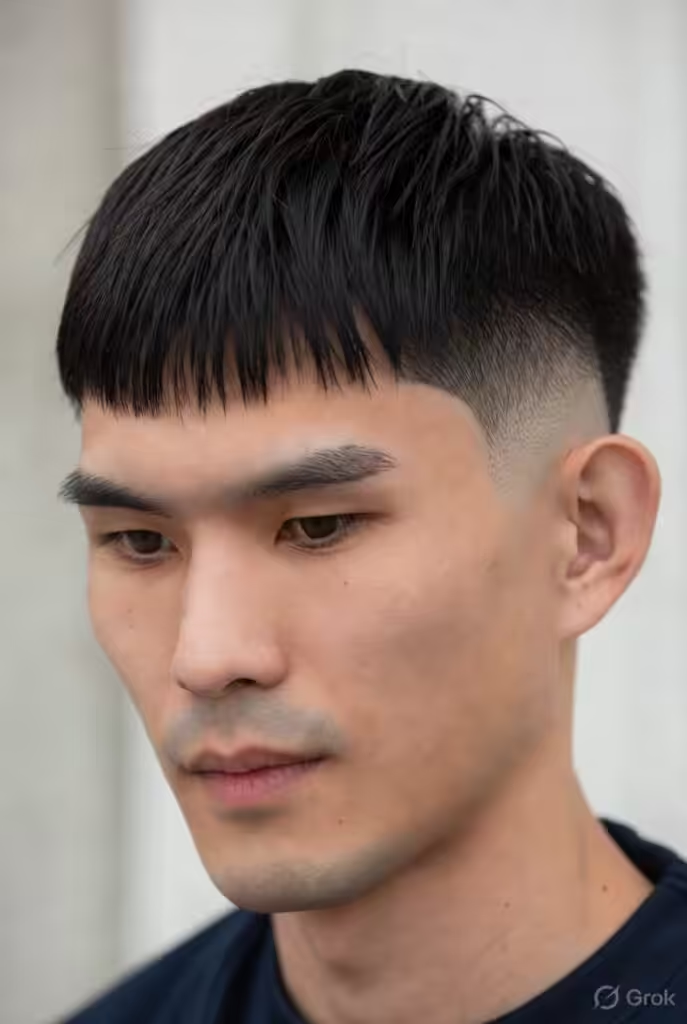
- Best for: Straight hair, square faces.
- Styling tip: Strong gel for the blunt fringe.
10. Temple Fade Burst Hybrid
A rounded temple fade that mimics a burst fade but stays tighter to the front of the head.
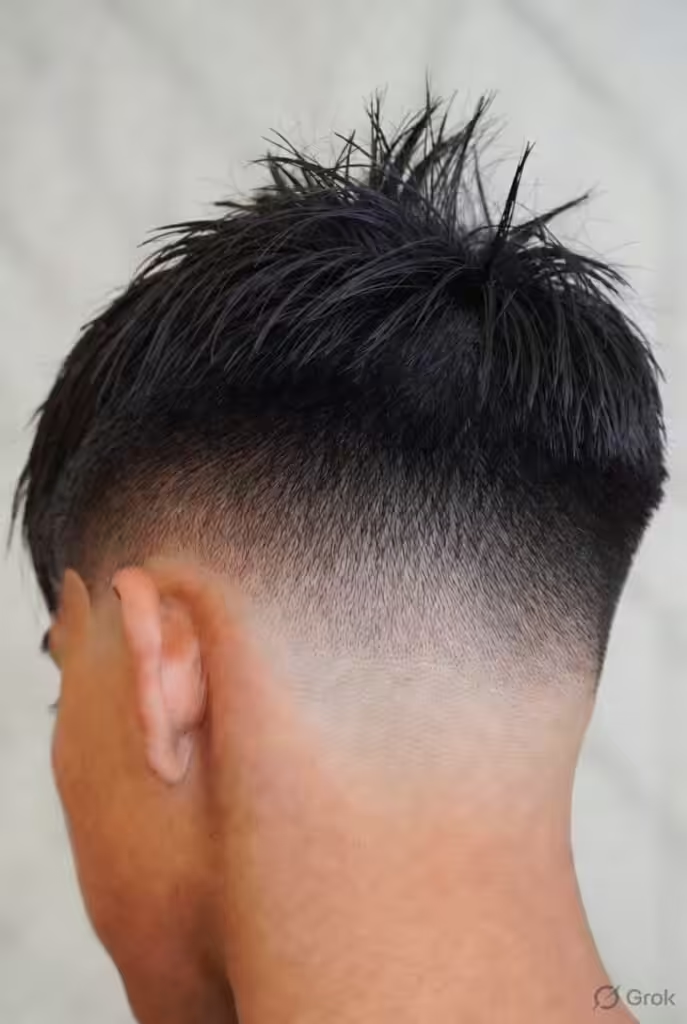
- Best for: Athletes and bold styles.
- Styling tip: Keep the top voluminous.
11. Temple Fade French Crop
A blunt fringe French crop with a refined, subtle temple blend.
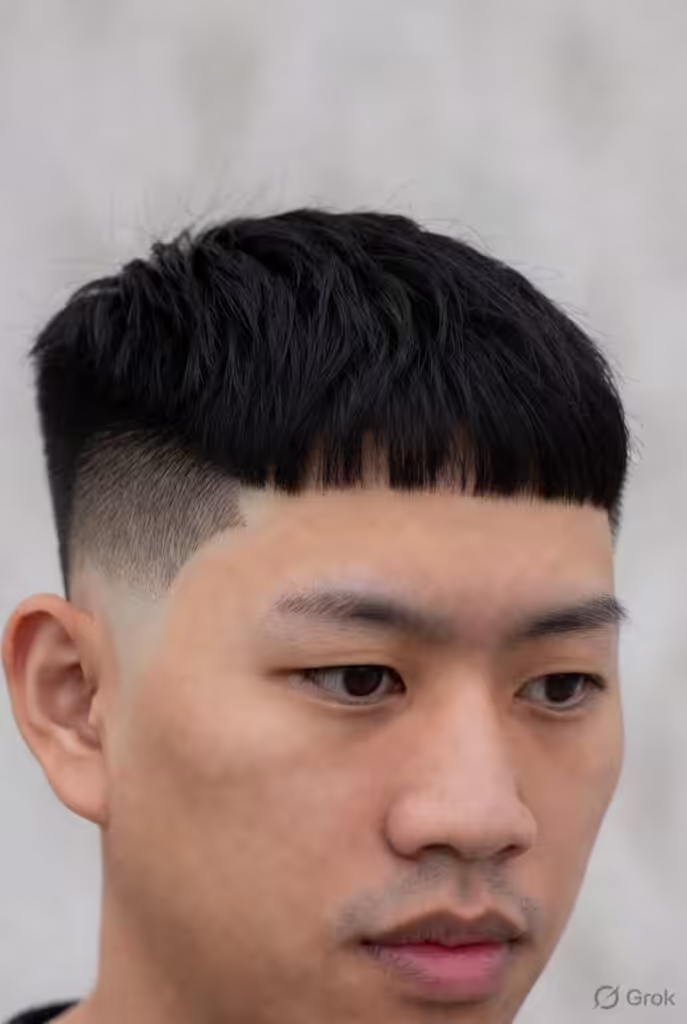
- Best for: Straight hair, round faces.
- Styling tip: Light pomade pushed forward.
Category 3: Hair Texture Specifics
How the temple fade adapts to your natural hair growth.
12. Curly Top Temple Fade
Cleans up the sides while letting natural curls shine on top.
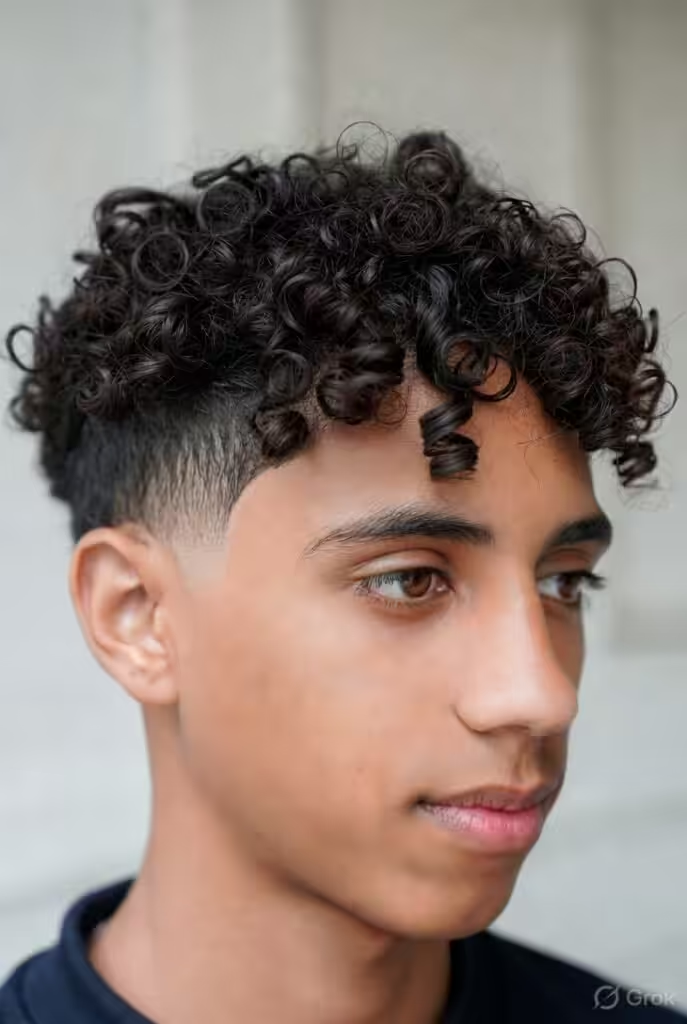
- Best for: Type 2–3 curls.
- Styling tip: Curl-defining cream and diffuser.
13. Coily/4C Temple Fade
High-contrast frame that defines coily hair beautifully.
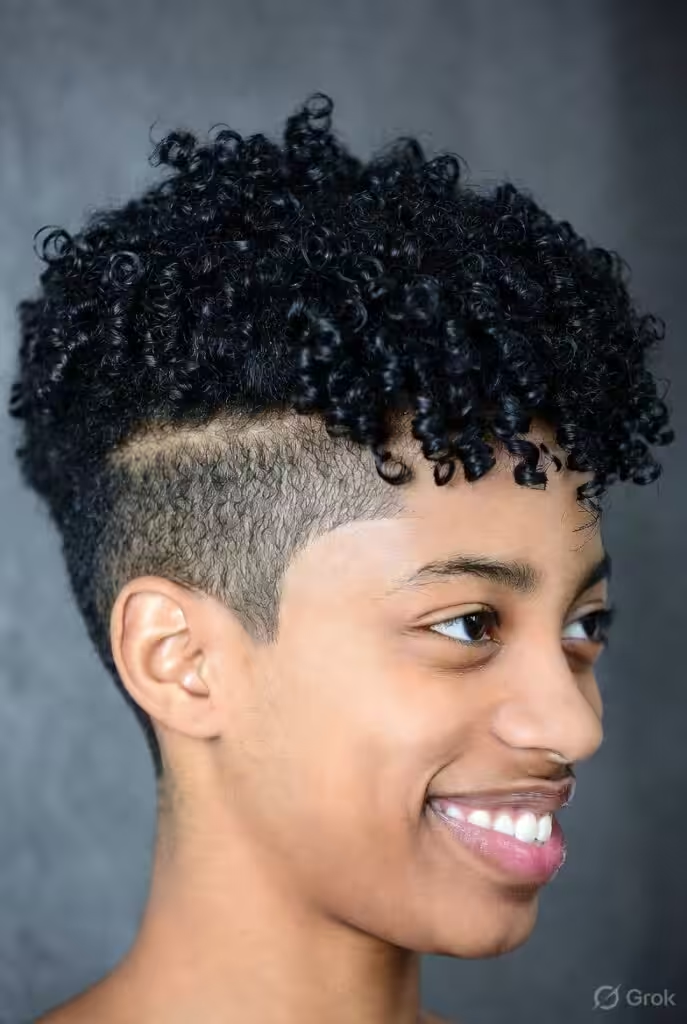
- Best for: Afro-textured (4C) hair.
- Styling tip: Moisturizing cream.
14. Wavy Hair Temple Fade
Relaxed beachy waves with a clean, sharp temple frame.
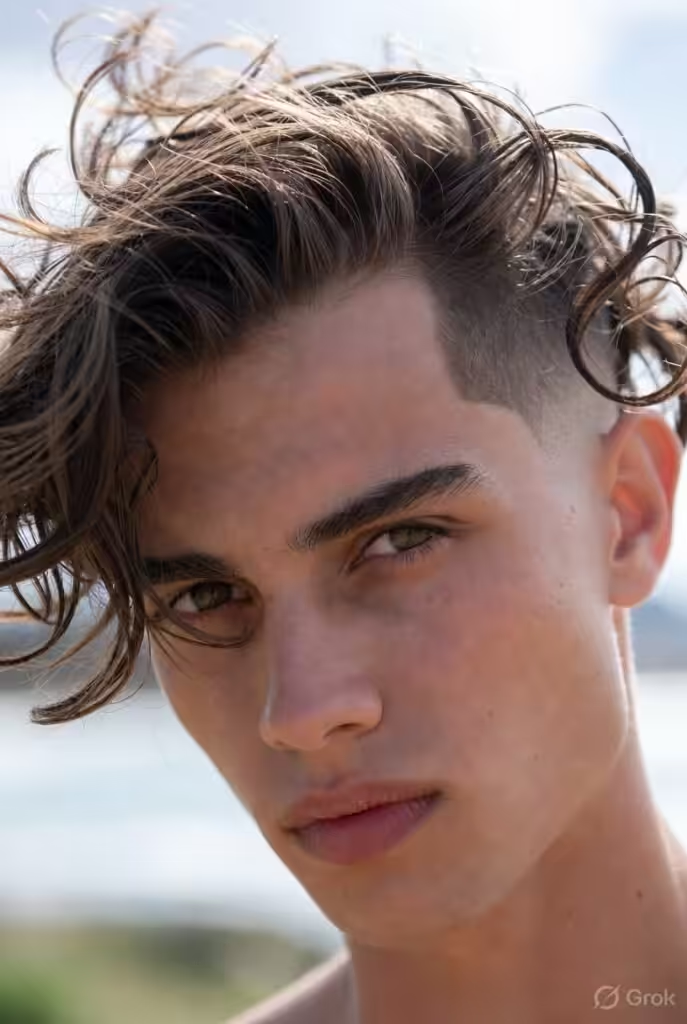
- Best for: Type 2 waves.
- Styling tip: Sea salt spray.
15. Straight Hair Temple Fade
Precise temple fade that showcases sleek, straight hair.
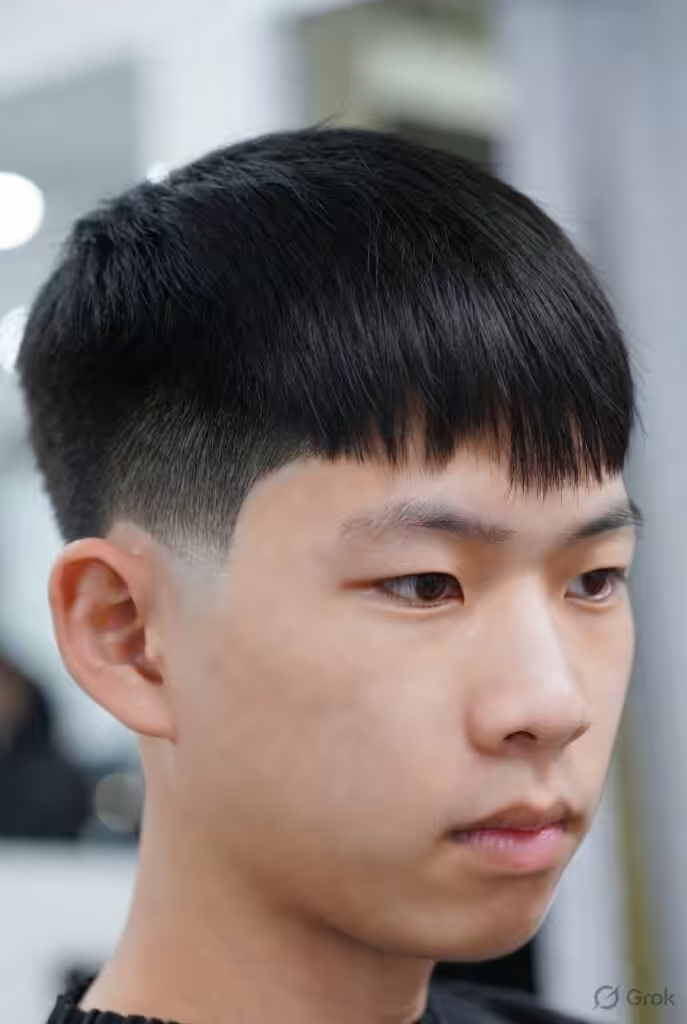
- Best for: Fine straight hair.
- Styling tip: Shine spray.
16. Temple Fade with Thick Hair
Controls bulk while framing the face with the temple fade.
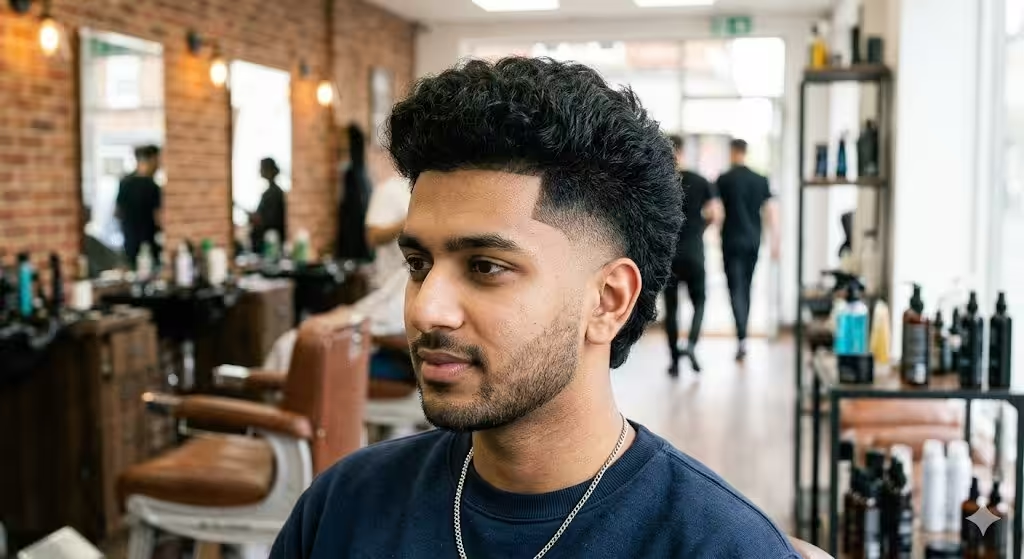
- Best for: Very thick hair.
- Styling tip: Lightweight mousse.
17. Temple Fade Afro
Rounded natural afro with a clean temple fade on the sides.
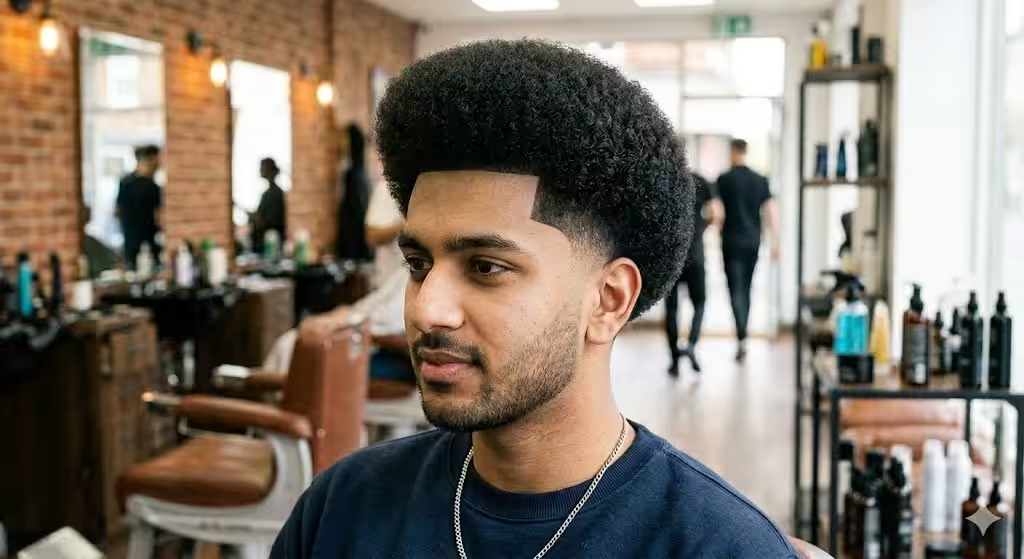
- Best for: Coily/4C hair.
- Styling tip: Shea butter for definition.
Category 4: Modern Styling & Volume
For men who prefer length and height on top.
18. Temple Fade Quiff
A lifted quiff with a sharp temple fade for height and frame.
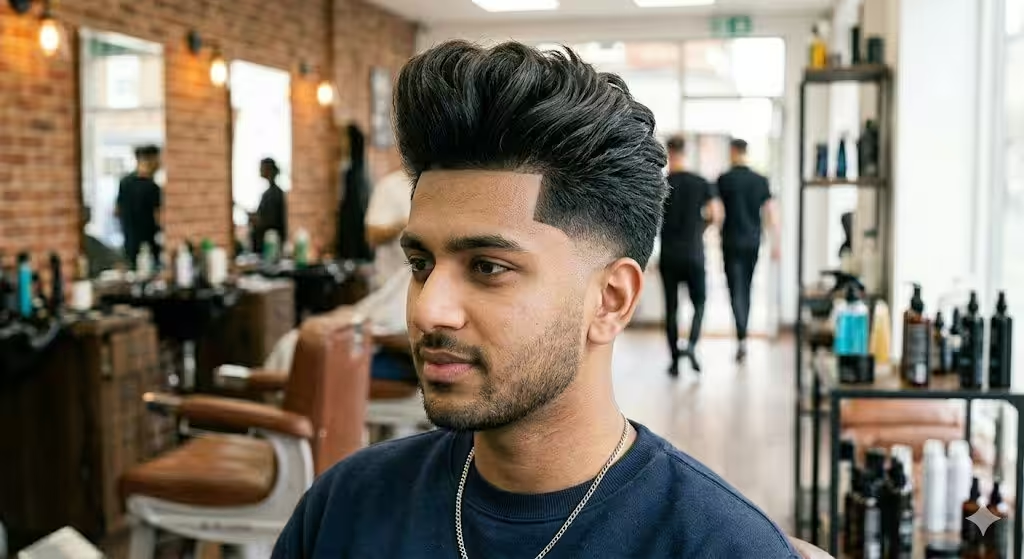
- Best for: Medium-thick hair.
- Styling tip: Blow-dry with round brush + pomade.
20. Temple Fade Side Part
Professional side part with a defined temple fade.
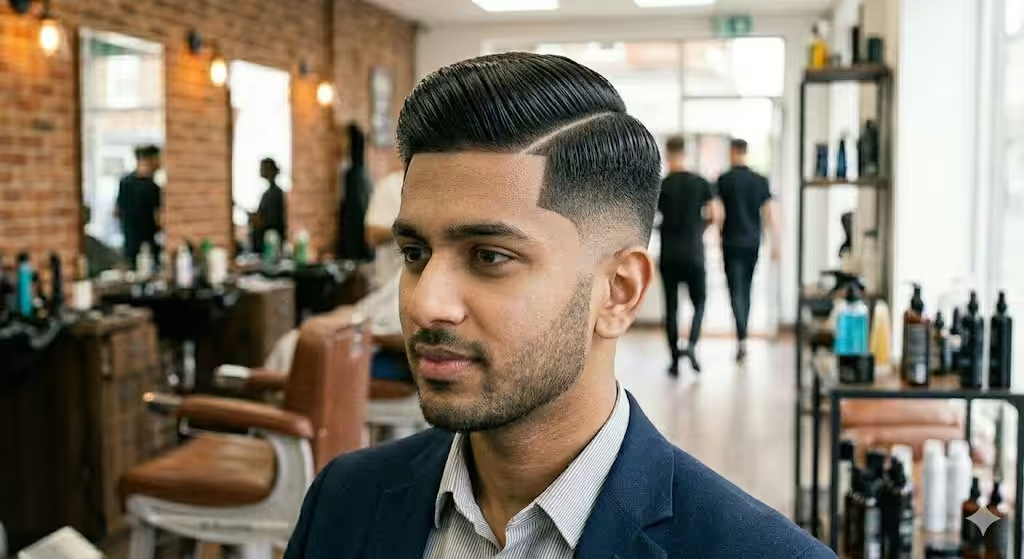
- Best for: Office looks.
- Styling tip: Medium-hold cream.
21. Temple Fade Slick Back
A polished wet-look with a clean temple frame.
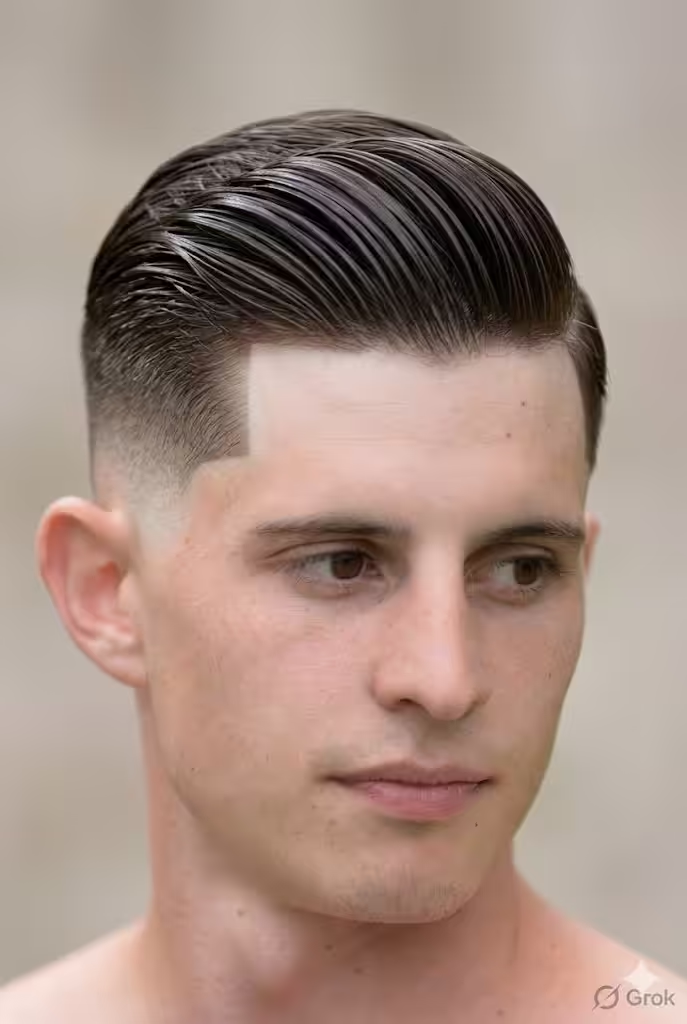
- Best for: Straight hair.
- Styling tip: Shine pomade + comb.
22. Temple Fade Middle Part (Curtains)
The 90s revival curtains with a modern temple fade blend.
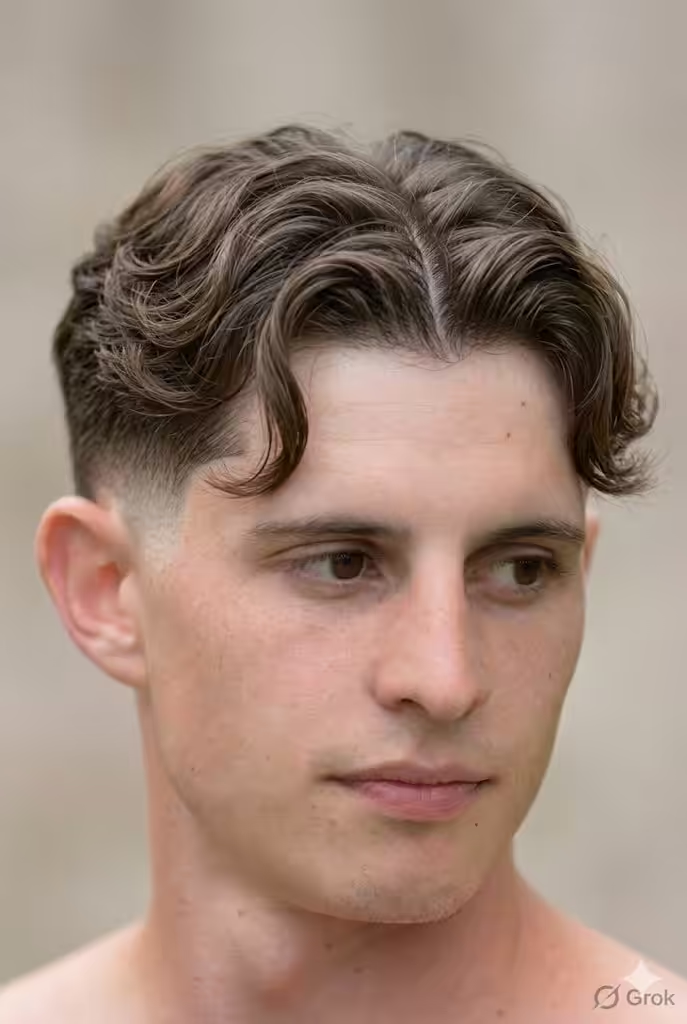
- Best for: Wavy hair, oval faces.
- Styling tip: Light mousse.
Category 5: Short & Low-Maintenance
Minimal effort styles that still look “fresh.”
23. Temple Fade Buzz Cut
Zero-effort buzz with a temple fade for subtle definition.
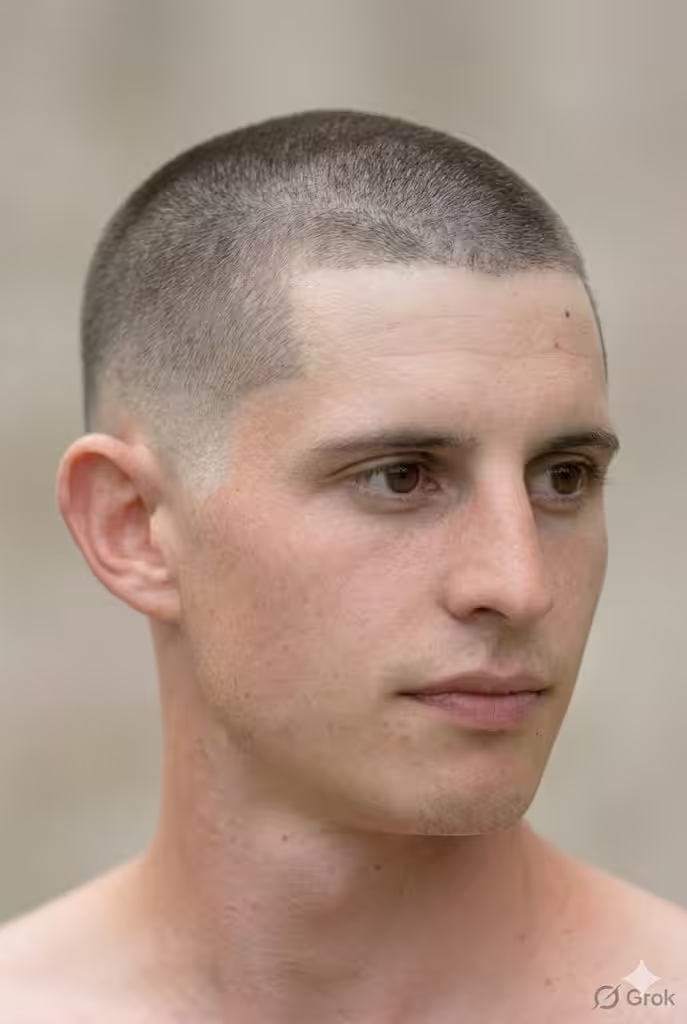
- Best for: Busy lifestyles.
- Styling tip: Minimal product.
24. Temple Fade Crew Cut
A slightly longer textured top with a clean temple fade.
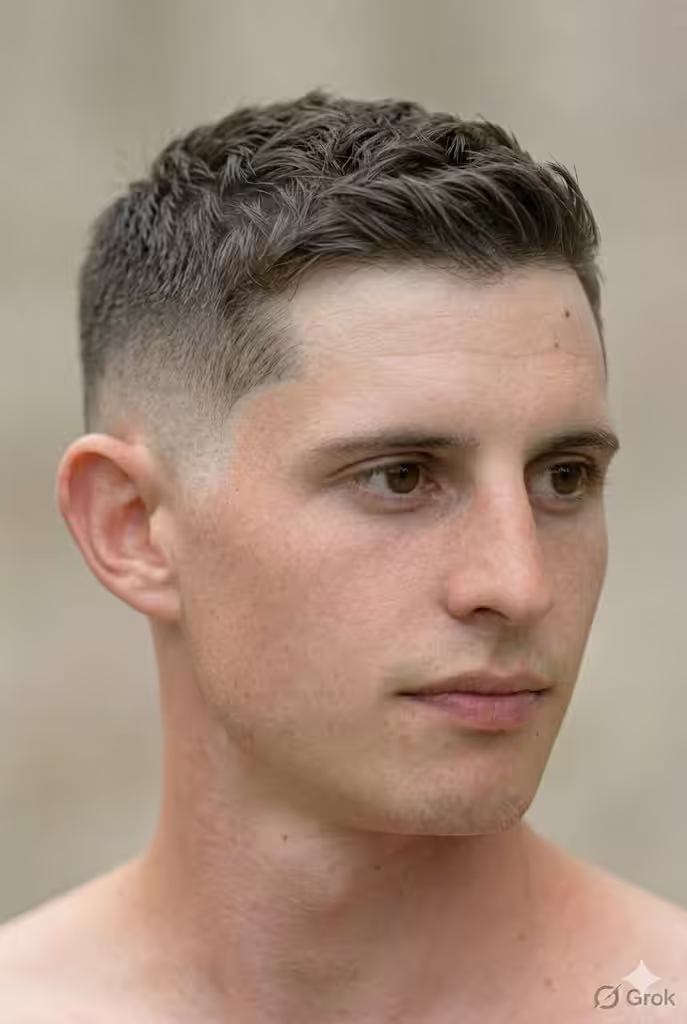
- Best for: Athletic men.
- Styling tip: Light pomade.
25. Short Fringe Temple Fade
A high-fashion blunt fringe with temple fade.
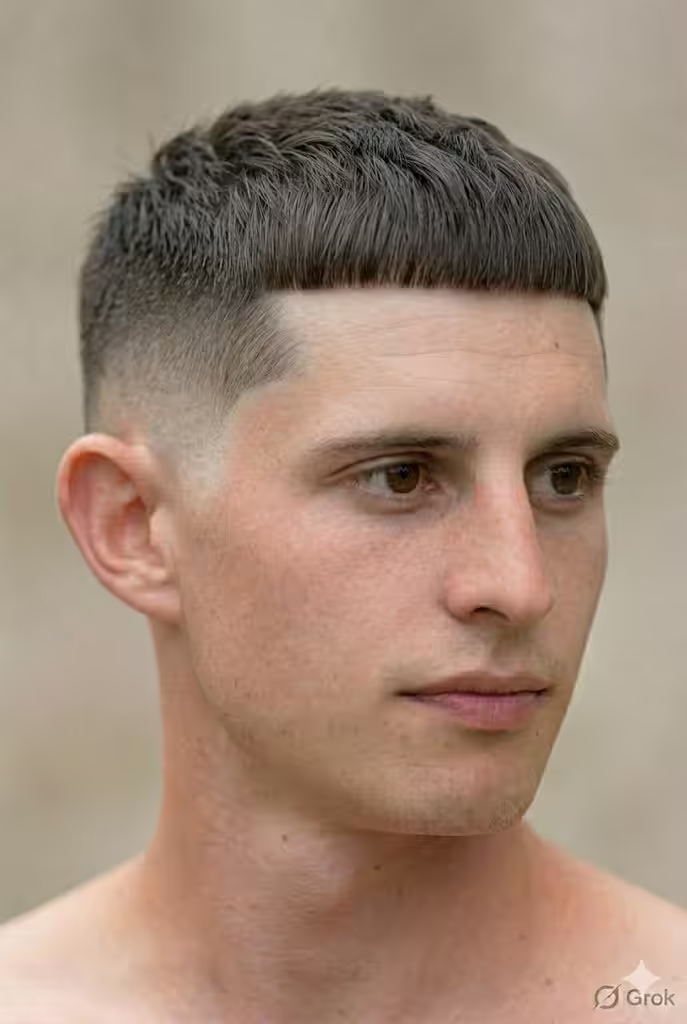
- Best for: Fine hair.
- Styling tip: Wax for separation.
26. Flat Top Temple Fade
Retro-modern flat top with temple fade sides.
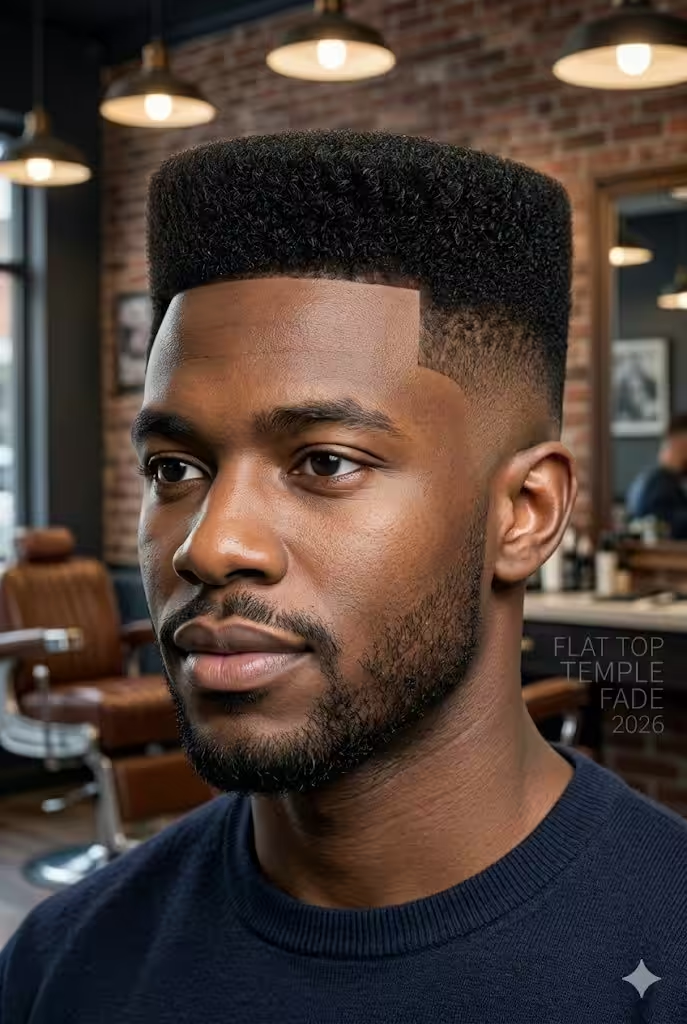
- Best for: Thick straight hair.
- Styling tip: Strong gel.
Category 6: Creative & Artistic
For a custom look that stands out in a crowd.
27. Temple Fade with Hard Part
A temple fade with a shaved hard part for extra edge.
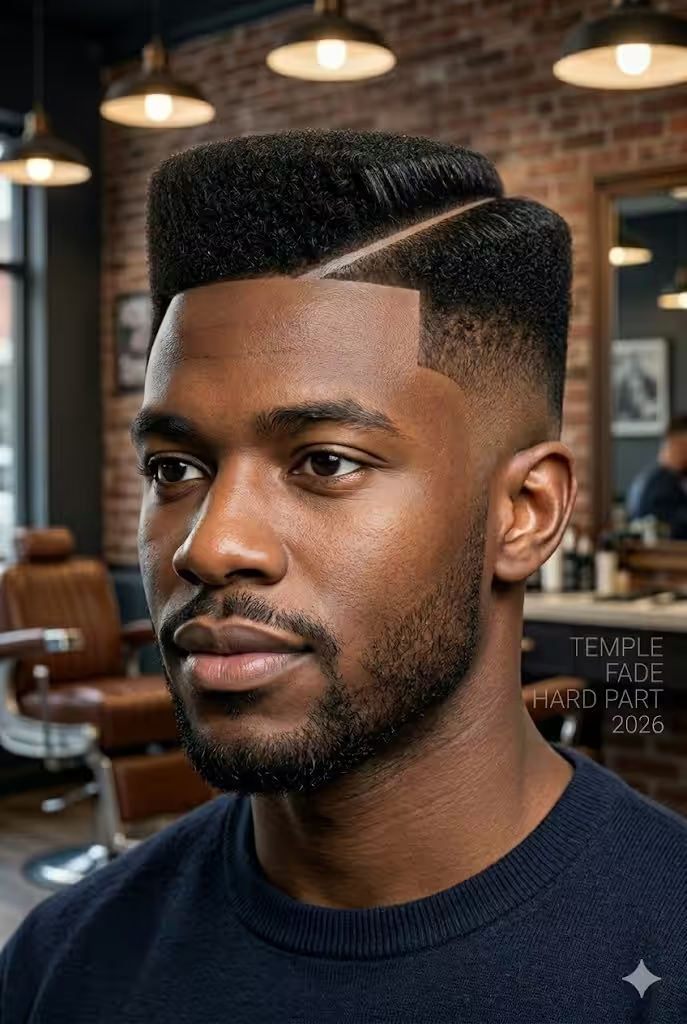
- Best for: Professional yet edgy looks.
- Styling tip: Comb-over the part.
28. Temple Fade with Line-Up
A sharp line through the temple area for surgical precision.
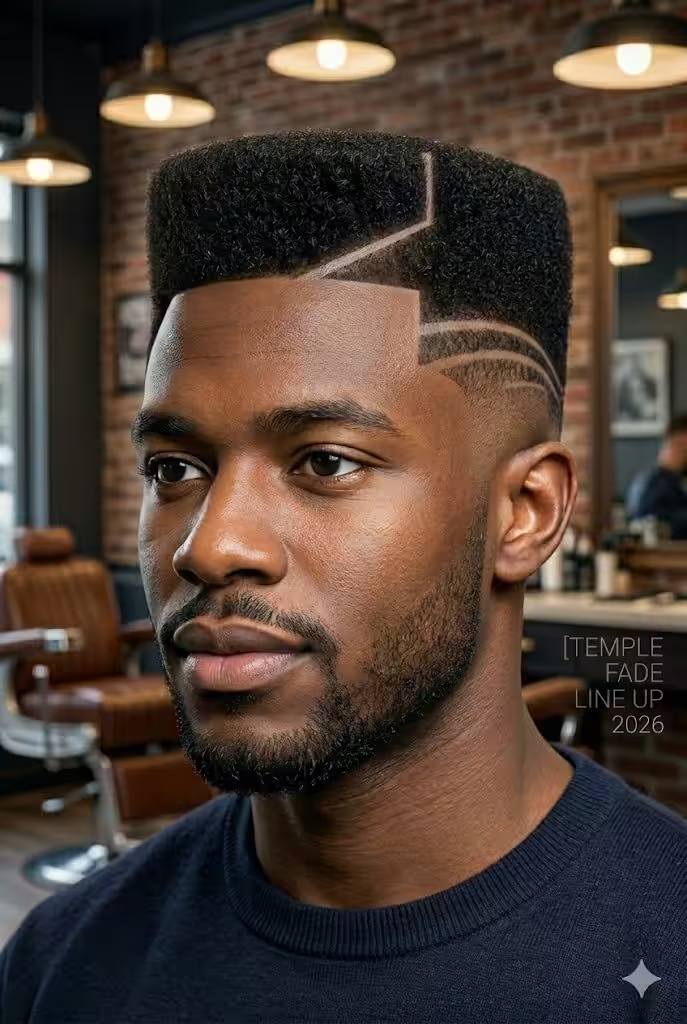
- Best for: All hair types.
- Styling tip: Ask for a surgical line.
29. Temple Fade with Bleached Tips
A temple fade with bright bleached or colored tips on top.
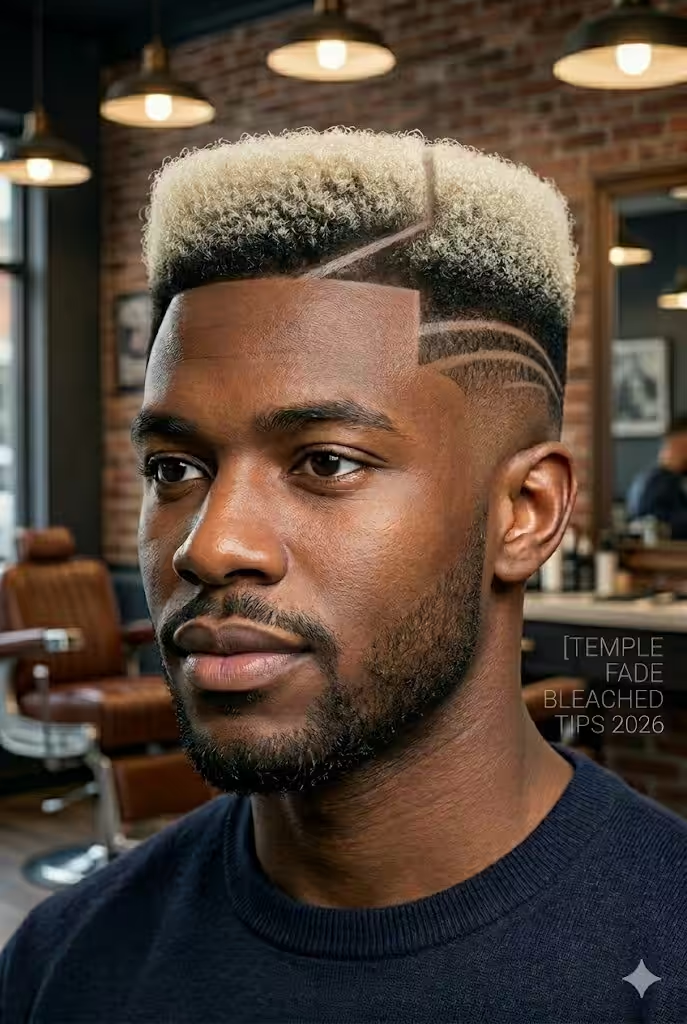
- Best for: Younger crowd.
- Styling tip: Purple shampoo.
30. Temple Fade with Hair Design
Geometric or custom designs inside the temple fade area.
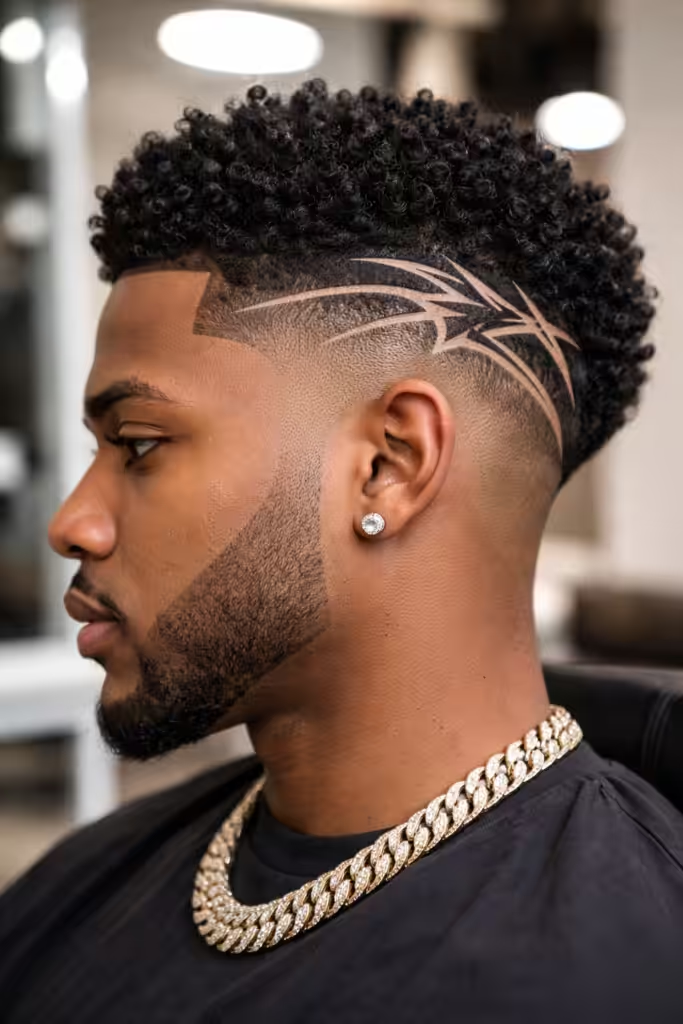
- Best for: Creative guys.
- Styling tip: Keep top simple.
Category 7: Facial Hair Connections (The Beard Link)
How to merge your haircut with your facial hair.
31. Temple Fade with Beard Link
Temple fade that seamlessly connects into a full beard.
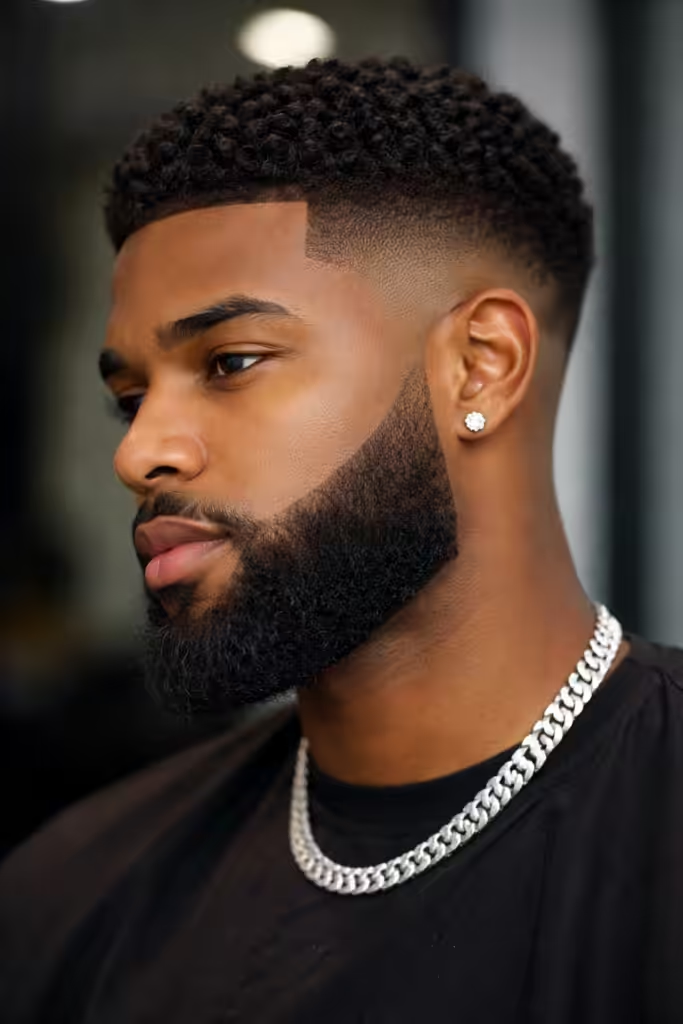
- Best for: Strong beard growth.
- Styling tip: Beard oil for blend.
32. Disconnected Temple Fade
Temple fade with a sharp stop at the sideburns to separate the beard.
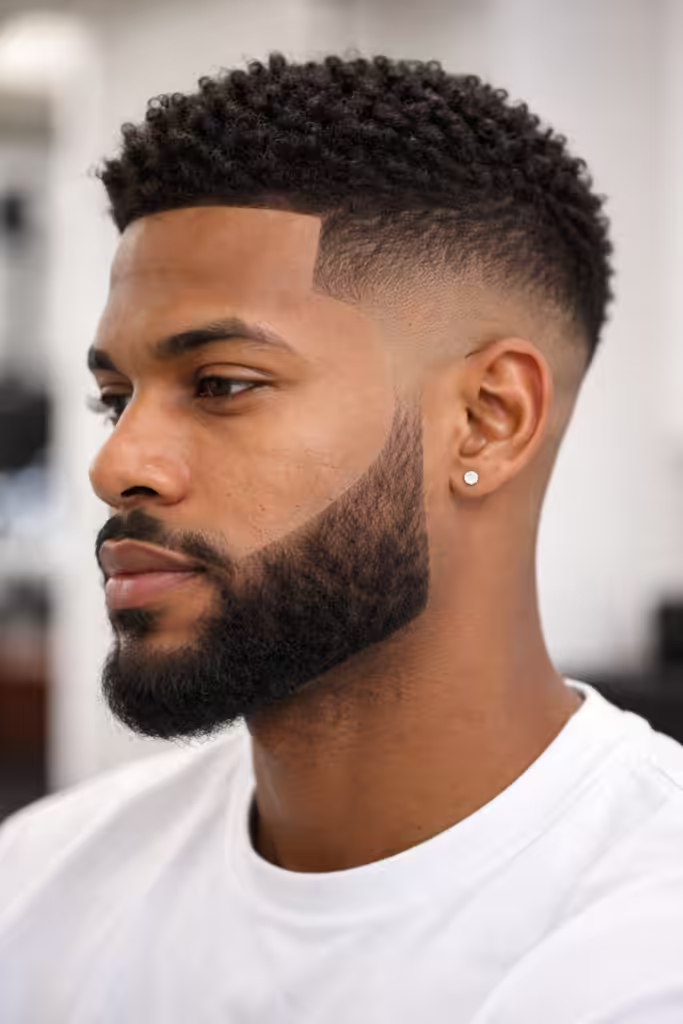
- Best for: Minimalist looks.
- Styling tip: Keep beard separate.
33. Low Temple Fade + Full Beard
Subtle low fade that flows into a thick, groomed beard.
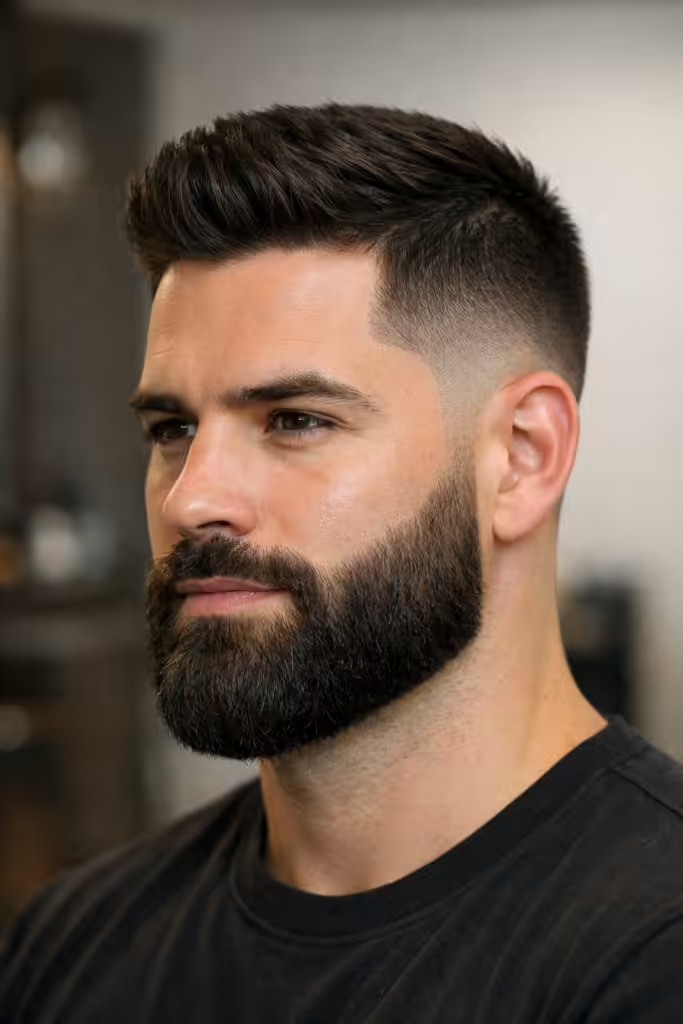
- Best for: Round faces.
- Styling tip: Beard balm.
34. Temple Fade with Goatee
Draws focus specifically to a goatee by clearing the temple area.
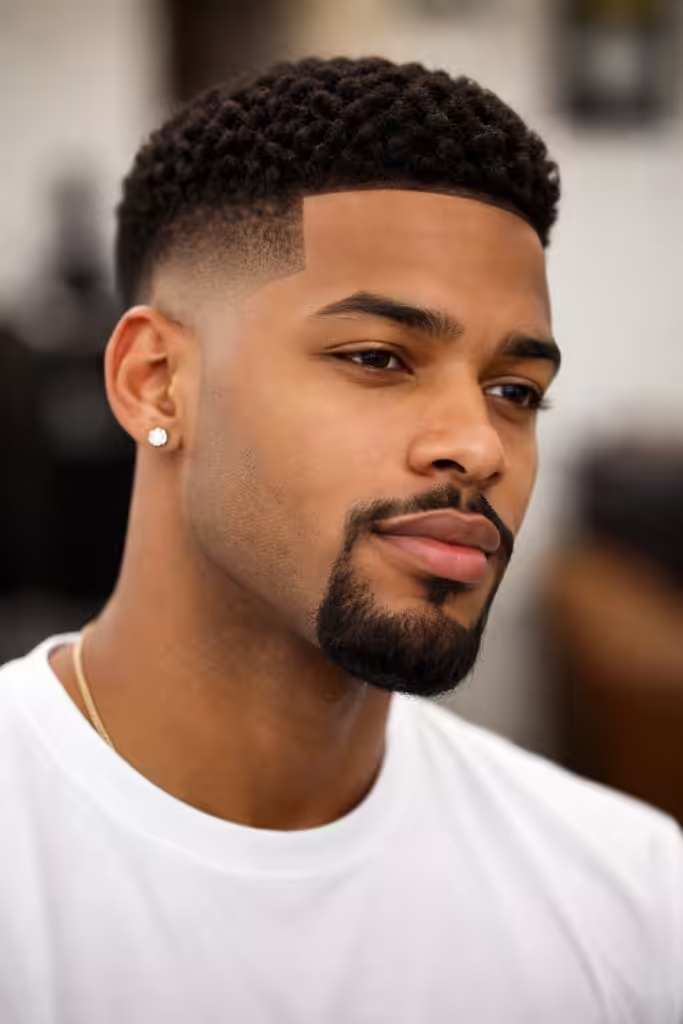
- Best for: Goatee wearers.
- Styling tip: Trim goatee weekly.
Pro Tip Box: How to Ask Your Barber
To get the best results, show your barber a photo and say: “Give me a mid temple fade with the shortest part right at the temples, 2–3 inches of texture on top, and a soft blend on the sides.” This single sentence covers the basics for 90% of the styles above.
Pro Tip Box: How to Ask Your Barber
How to Get & Style a Temple Fade
Getting a perfect temple fade in 2026 is simple when you give your barber clear instructions and follow an easy at-home routine.
Step-by-Step Barber Script
Show your barber a photo of your chosen style and say:
“I want a mid temple fade with the shortest part right at the temples. Blend it softly outward on the sides and back. Leave 2–3 inches of textured length on top and keep some length in the back for movement. Can you show me the temple line in the mirror before finishing the top?”
- Low Temple Fade = “Make it subtle and lower.”
- High Temple Fade = “Start the fade higher at the temples for more definition.”
At-Home Styling Routine (3-Minute Guide)
- Towel-dry hair until damp.
- Apply product based on your style:
- Textured / messy looks ? Matte clay or sea salt spray
- Volume / quiff / pompadour ? Medium-hold pomade or blow-dry cream
- Curls / waves ? Curl-defining cream + light mousse
- Slick back ? Shine pomade
- Style with fingers or a vent brush to accentuate the temple frame.
- Finish with a light mist of flexible-hold hairspray.
Recommended Products
- Matte clay (Hanz de Fuko or Blumaan)
- Sea salt spray (for beachy texture)
- Curl cream (for curly/coily hair)
- Round brush + blow-dryer (for quiff or blowout)
Maintenance Schedule
- Every 2–3 weeks: Quick touch-up to keep the temple lines sharp and clean.
- Every 4–6 weeks: Full refresh if you have longer top length.
- The temple fade grows out very gracefully — it simply softens without any harsh lines or awkward stages.
Who Should (and Shouldn’t) Get a Temple Fade?
The temple fade is one of the most flattering and versatile haircuts in 2026, especially for men who want a clean, modern frame around the face without an overly aggressive look.
Best Face Shapes & Hair Types
Best Face Shapes
- Oval — Perfect balance; the temple fade enhances natural proportions.
- Square — Softens strong jawlines and highlights the eyes.
- Diamond — Adds width at the temples for a more balanced look.
- Heart — Draws attention upward and balances a wider forehead.
Hair Types That Thrive It works excellently on straight, wavy, curly (Type 2–3), and coily/4C hair. Thick hair benefits from the face-framing effect, while fine hair gains added shape and definition. It’s especially great for men who want a polished yet natural style.
Quick Pros & Cons Table
| Pros | Cons |
|---|---|
| Excellent face-framing effect | Needs trims every 2–3 weeks for sharpness |
| Versatile and works with most hair types | Less dramatic than burst or bald fades |
| Low-maintenance and grows out gracefully | Not ideal for very round faces if top is too short |
| Professional yet modern look | Requires precise barber skill |
| Flattering on most ages and face shapes |
Bottom line: If you want a sophisticated, eye-framing fade that looks intentional every day, the temple fade is an excellent choice. Skip it only if you prefer a very bold, high-contrast fade (in that case, go for a burst or bald fade instead).
Celebrity & Influencer Inspiration
The temple fade has become a favorite among athletes and style icons in 2026 who want a sharp, face-framing look without going too extreme.
Top 2026 Examples:
- Jude Bellingham (Real Madrid) – Mid temple fade with textured crop on top. The clean temple lines give his face a lifted, sculpted appearance on the pitch.
- Vinicius Junior – High temple fade with longer mullet-inspired length in the back. The focused fade at the temples makes his eyes and cheekbones stand out dramatically.
- Anthony Edwards (Minnesota Timberwolves) – Sharp mid temple fade with a short textured top. A go-to style in NBA barbershops for its clean, modern edge.
- Tyler, The Creator – Creative temple fade with a middle part and subtle hard part. Shows how the style works beautifully in high-fashion and artistic settings.
- Morgan Rogers (Aston Villa) – Low temple fade with a soft textured quiff. A more wearable version that many everyday guys are copying.
How to Adapt These Looks for Everyday Life Love Bellingham’s or Vinicius Junior’s version? Ask for a slightly lower temple fade if you work in a formal office. Want Edwards’ sharp look? Keep 2–3 inches of texture on top so it stays bold but not overpowering. Simply show your barber a photo and say “mid temple fade like Jude Bellingham” or “temple fade like Vinicius Junior.”
These celebrities prove the temple fade is more than a trend — it’s a sophisticated, camera-ready style that works on and off the field.
Frequently Asked Questions: The Temple Fade
1. Is a temple fade the same as a taper fade?
Not exactly. A taper gradually shortens the hair around the entire hairline (sides and nape). A temple fade is a specialized version that focuses the shortest part of the blend strictly at the temples to frame the face.
2. Which lasts longer: a temple fade or a burst fade?
The temple fade “lasts” longer in terms of aesthetics because it grows out more gracefully. Since the faded area is smaller, the transition between lengths remains subtle even after a few weeks of growth.
3. Does a temple fade hurt?
No. Unlike tattoos or piercings, a fade is just a haircut. You might feel a slight vibration or coldness from the clippers against your skin, but it is completely painless.
4. Which is better for professional settings: temple or drop fade?
The temple fade (specifically the low version) is generally considered more professional. It offers a “lifted” look without the aggressive high-contrast lines of a drop or skin fade.
5. Can I get a temple fade with long hair?
Yes! It’s a favorite for guys with long hair or man-buns. It cleans up the “fuzzy” hair at the temples, making the overall style look intentional and groomed.
6. Will it make my forehead look bigger?
Actually, it usually has the opposite effect. By creating a sharp frame at the sides, it draws focus to your eyes and cheekbones, often making the face look more balanced.
7. How often should I touch it up?
To keep the lines surgical and sharp, aim for a touch-up every 2–3 weeks.
8. Does it work on 4C coily hair?
Yes. The temple fade is iconic for coily and afro-textured hair, providing a crisp, high-contrast look that defines the hairline beautifully.
9. Which hurts more: the clippers or the razor finish?
Neither should hurt. However, if you have sensitive skin, a straight-razor finish at the temples may cause slight irritation. Always ask your barber for a cooling gel.
10. Can I DIY a temple fade?
It’s risky. Because the fade is right at eye level, any mistake is immediately visible. It’s best to leave this precision work to a professional.
11. Is it the same as a “Brooklyn Fade”?
Yes, the temple fade is frequently called a “Brooklyn Fade” or “Temple Taper” in different regions, though the 2026 terminology has shifted toward “Temple Fade.”
12. Does a temple fade suit a beard?
It’s arguably the best fade for beard-wearers. It allows for a seamless “link” where the hair fades out and the beard fades back in.
Conclusion: The Final Verdict
The temple fade is the ultimate “smart” haircut of 2026, offering a rare balance of surgical precision and effortless style. By focusing the fade specifically at the temples, you achieve a sharper, more lifted facial structure without the high-maintenance demands of a full-head skin fade. It is the perfect solution for the man who wants to look intentional in the office but fresh on the weekend. Whether you pair it with a modern mullet or a classic side part, this detail ensures your look is framed perfectly.
The One-Sentence Verdict: Choose a Low Temple Fade if you want a subtle, professional frame; choose a High Temple Fade if you want a bold, face-sharpening contrast that makes your features pop.
Ready for a fresh look? Save this guide to your phone and show your favorite variation to your barber at your next appointment!
